Luo Yong, Zhang Xiuli, Li Yujiao, Deng Jiu, Li Xiaorui, Qu Yueyang, Lu Yao, Liu Tingjiao, Gao Zhigang, Lin Bingcheng
State Key Laboratory of Fine Chemicals, Department of Chemical Engineering & School of Pharmaceutical Science and Technology, Dalian University of Technology Dalian 116024 China
State Key Laboratory of Bioelectronics, Southeast University Nanjing 210096 China.
RSC Adv. 2018 Jul 16;8(45):25409-25416. doi: 10.1039/c8ra04040k.
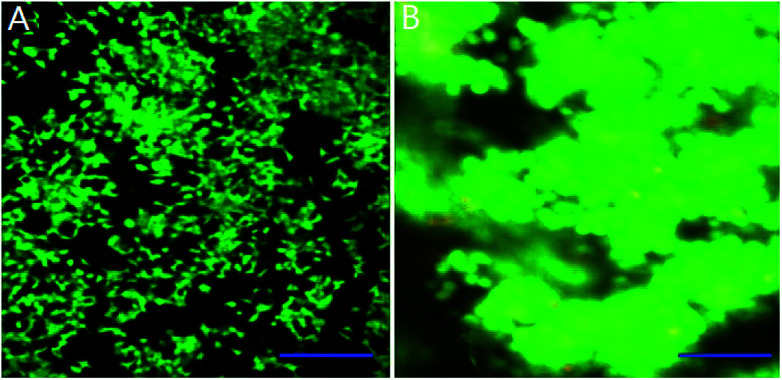
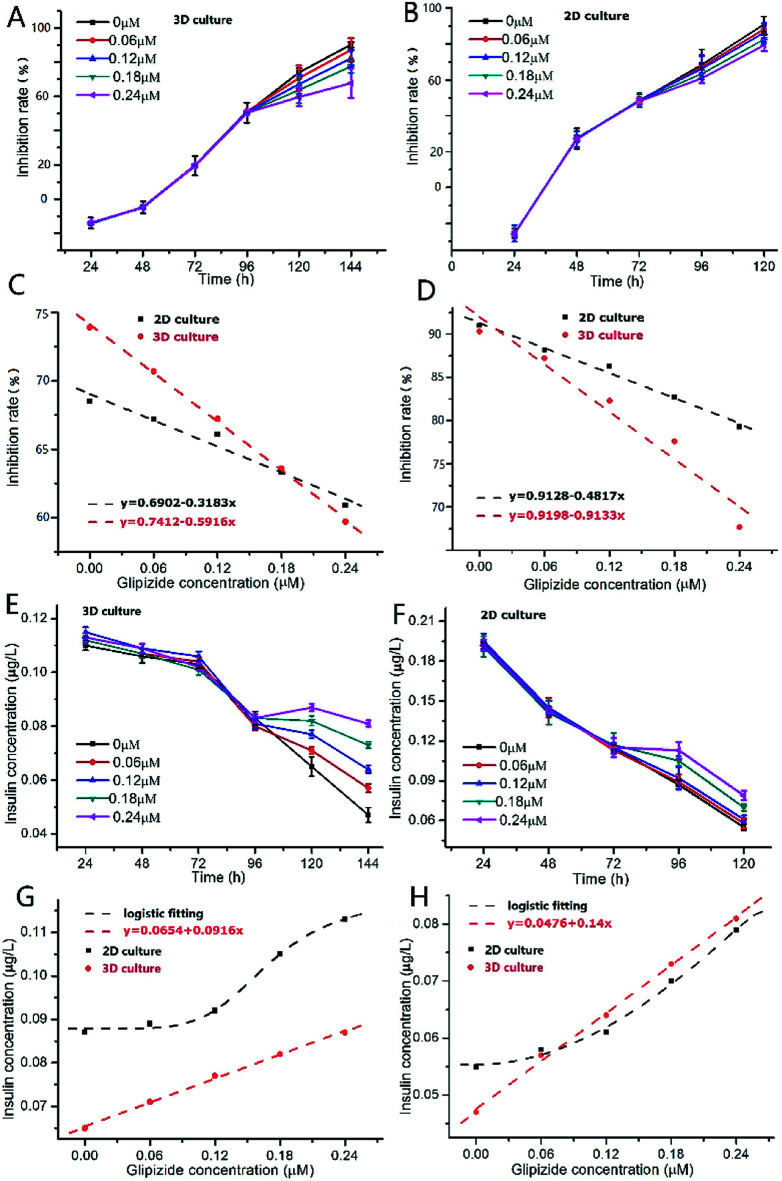
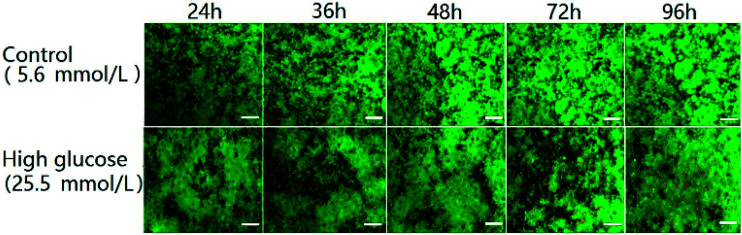
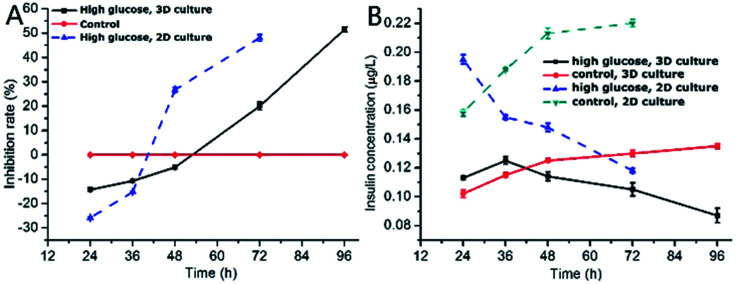
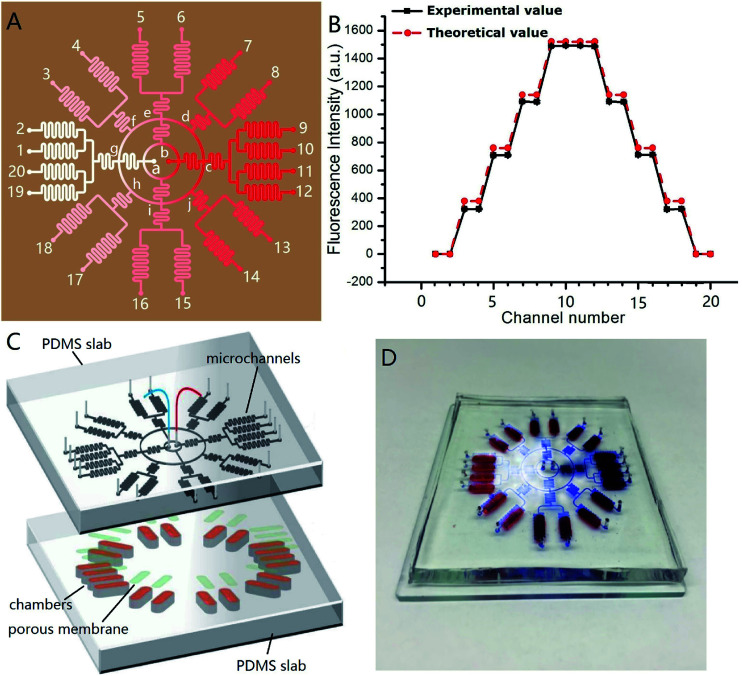
models for screening of drugs against type 2 diabetes are crucial for the pharmaceutical industry. This paper presents a new approach for integration of a three-dimensionally-cultured insulinoma cell line (INS-1 cell) incubated in a high concentration of glucose as a new model. In this model, INS-1 cells tended to aggregate in the 3D gel (basement membrane extractant, BME), in a similar way to 3D cell culture models. The proliferation of INS-1 cells in BME was initially promoted and then suppressed by the high concentration of glucose, and the function of insulin secretion also was initially enhanced and then inhibited by the high concentration of glucose. These phenomena were similar to hyperglycemia symptoms, proving the validity of the proposed model. This model can help find the drugs that stimulate insulin secretion. Then, we identified the difference between the new model and the traditional two-dimensional model in terms of cell morphology, inhibition rate of cell proliferation, and insulin secretion. Simultaneously, we developed a circular drug concentration gradient generator based on microfluidic technology. We integrated the high-glucose 3D INS-1 cell model and the circular concentration gradient generator in the same microdevice, tested the utility of this microdevice in the field of drug screening with glipizide as a model drug, and found that the microdevice was more sensitive than the traditional device to screen the anti-diabetic drugs.
用于筛选抗2型糖尿病药物的模型对制药行业至关重要。本文提出了一种新方法,即将在高浓度葡萄糖中培养的三维胰岛素瘤细胞系(INS-1细胞)整合为一种新模型。在该模型中,INS-1细胞倾向于在三维凝胶(基底膜提取物,BME)中聚集,类似于三维细胞培养模型。高浓度葡萄糖最初促进了INS-1细胞在BME中的增殖,随后又抑制了其增殖,胰岛素分泌功能也最初增强,随后被高浓度葡萄糖抑制。这些现象与高血糖症状相似,证明了所提出模型的有效性。该模型有助于找到刺激胰岛素分泌的药物。然后,我们从细胞形态、细胞增殖抑制率和胰岛素分泌方面确定了新模型与传统二维模型之间的差异。同时,我们基于微流控技术开发了一种圆形药物浓度梯度发生器。我们将高糖三维INS-1细胞模型和圆形浓度梯度发生器整合到同一个微器件中,以格列吡嗪作为模型药物测试了该微器件在药物筛选领域的效用,发现该微器件在筛选抗糖尿病药物方面比传统器件更敏感。