Filho Cesar M C, Bueno Pedro V A, Matsushita Alan F Y, Rubira Adley F, Muniz Edvani C, Durães Luísa, Murtinho Dina M B, Valente Artur J M
CQC, Department of Chemistry, University of Coimbra 3004-535 Coimbra Portugal
Grupo de Materiais Poliméricos e Compósitos (GMPC) - Departamento de Química, Universidade Estadual de Maringá, UEM 87020-900 Maringá PR Brazil.
RSC Adv. 2018 Apr 18;8(26):14609-14622. doi: 10.1039/c8ra02332h. eCollection 2018 Apr 17.
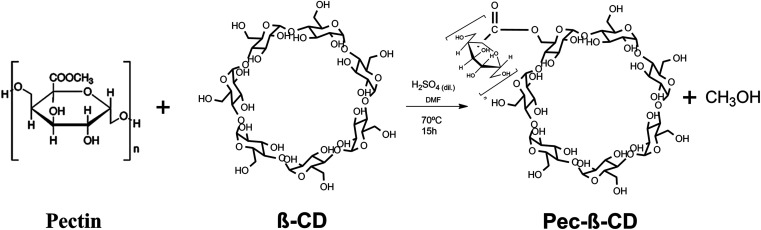
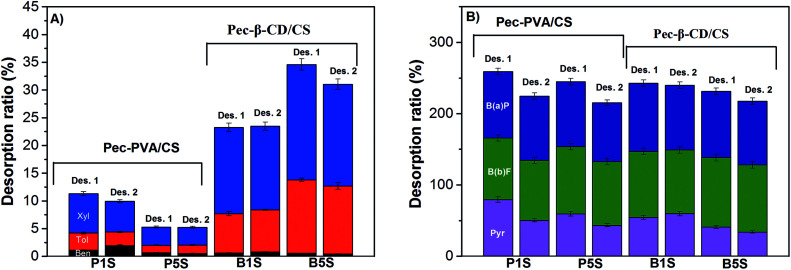
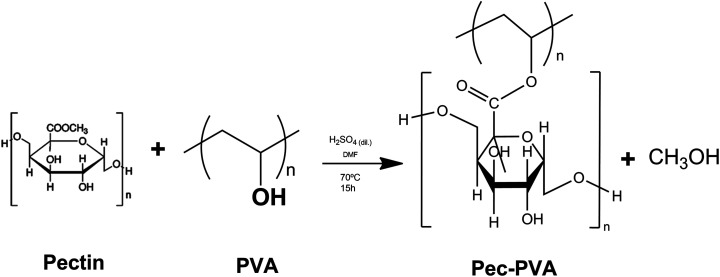
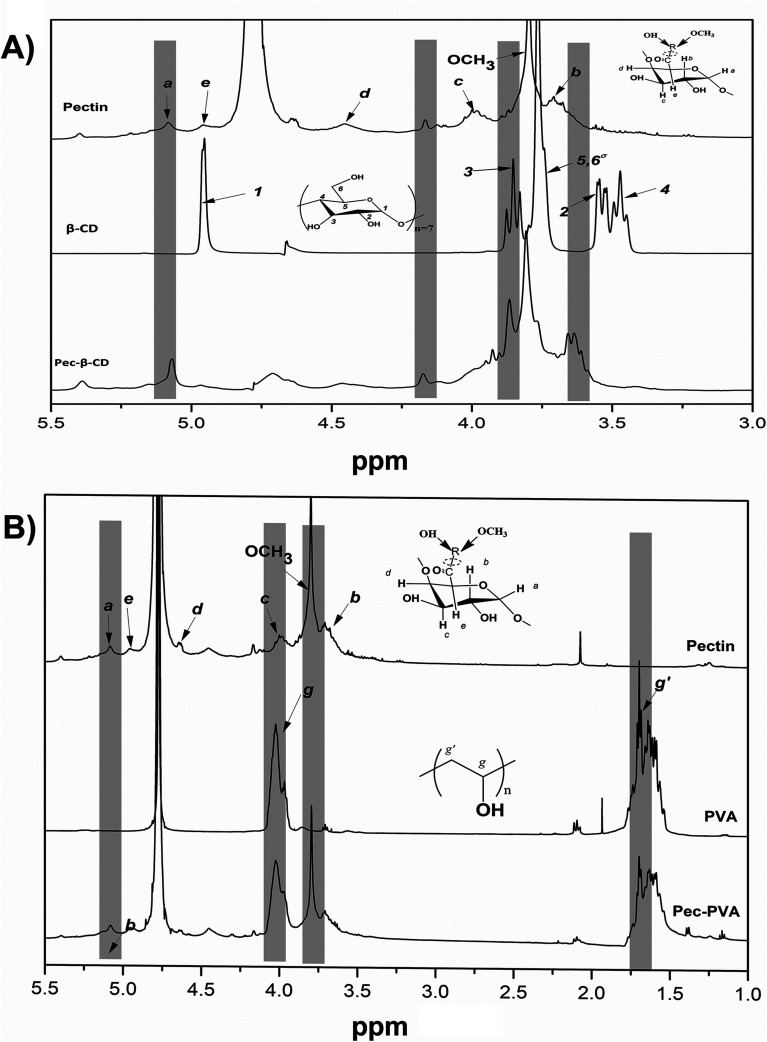
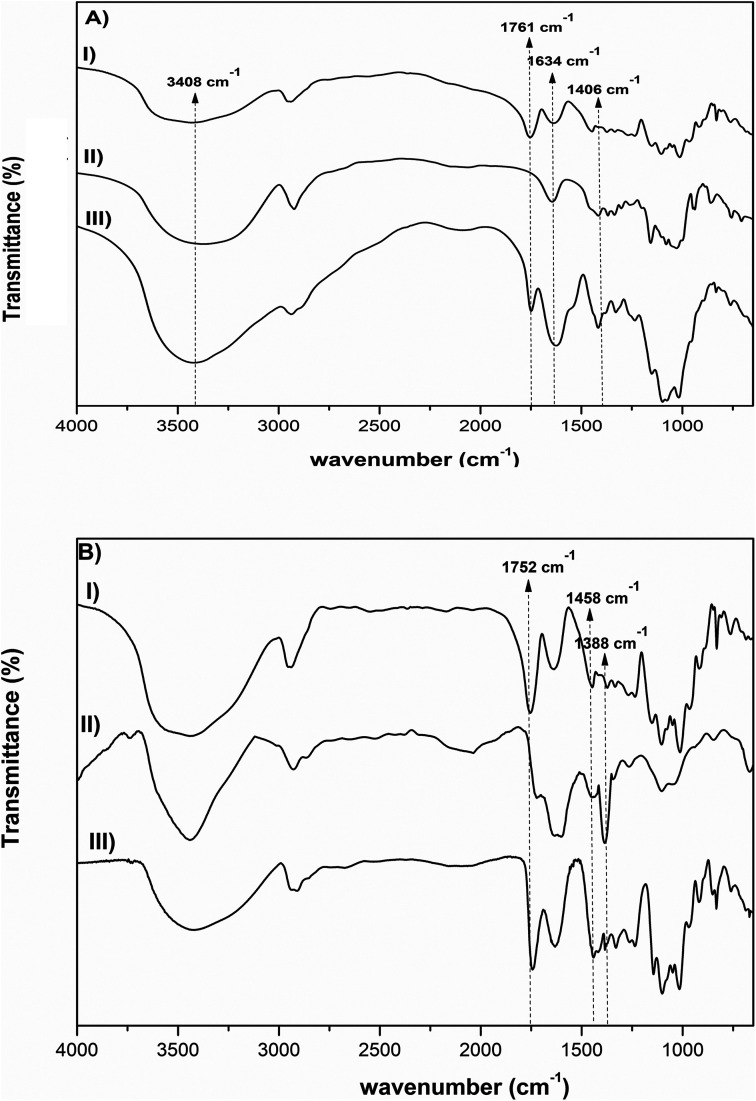
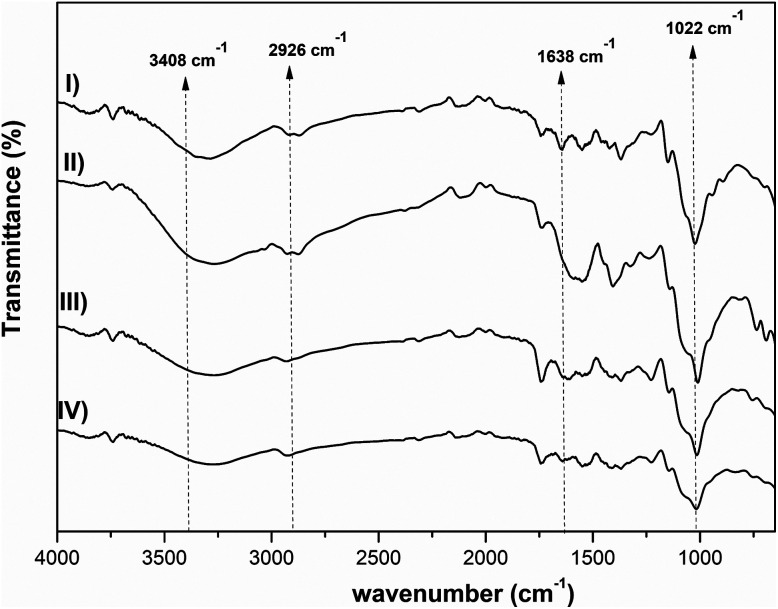
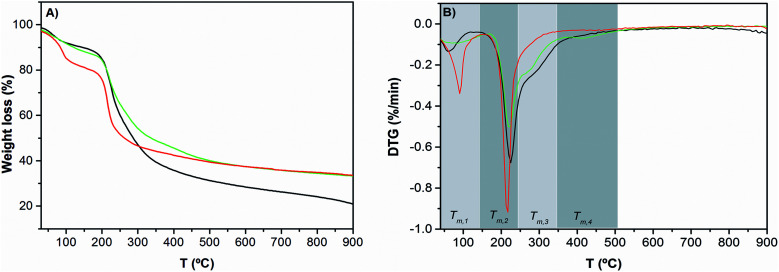
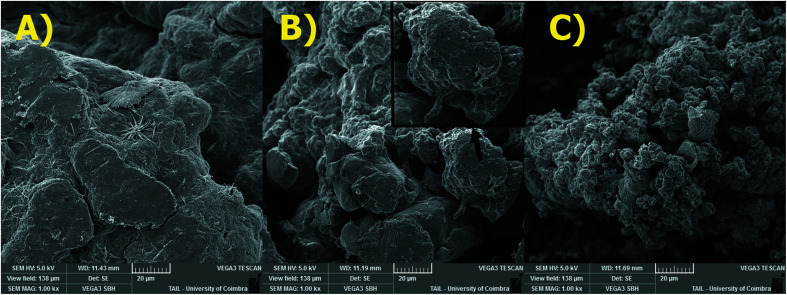
Petroleum comprises the monoaromatic and polycyclic aromatic hydrocarbons, which exhibit acute toxicity towards living animals. Consequently, their removal from natural environment is a priority challenge. On the other hand, biomaterials are increasingly being used as adsorbents. Pectin and chitosan are well-known polysaccharides able to form coacervate hydrogels. Aiming an increase of sorption ability by hydrophobic compounds, pectin was also functionalized with two amphiphilic compounds: β-cyclodextrin (β-CD) and poly(vinyl alcohol) (PVA). Both the modified pectin and the hydrogels were evaluated using nuclear magnetic resonance (NMR), infrared spectroscopy (FTIR), and scanning electron microscopy (SEM). The hydrogels were further characterized in terms of thermogravimetric analysis (TGA) and swelling kinetics. The interaction between the hydrogel and mix solutions containing six different aromatic compounds (BTXs and the following PAHs: pyrene, benzo(b)fluoranthene and benzo(a)pyrene) has been evaluated through sorption isotherms and kinetics. The mechanism of sorption interaction and the selectivity of the adsorbents towards different aromatic compounds were discussed. The results clearly show that the presence of β-CD and PVA into gel leads to an increase in the removal efficiency of both, BTXs and PAHs. The gels were subjected to two sorption/desorption cycles to have an assessment of the capability of adsorbents for re-use. Finally, the sorption quantification of those six aromatic compounds from a real gasoline sample onto gels has been tested.
石油包含单环芳烃和多环芳烃,这些物质对活体动物具有急性毒性。因此,从自然环境中去除它们是一项首要挑战。另一方面,生物材料正越来越多地被用作吸附剂。果胶和壳聚糖是众所周知的能够形成凝聚层水凝胶的多糖。为了提高疏水性化合物的吸附能力,果胶还用两种两亲性化合物进行了功能化处理:β-环糊精(β-CD)和聚乙烯醇(PVA)。使用核磁共振(NMR)、红外光谱(FTIR)和扫描电子显微镜(SEM)对改性果胶和水凝胶进行了评估。通过热重分析(TGA)和溶胀动力学对水凝胶进行了进一步表征。通过吸附等温线和动力学评估了水凝胶与含有六种不同芳香族化合物(BTXs以及以下多环芳烃:芘、苯并(b)荧蒽和苯并(a)芘)的混合溶液之间的相互作用。讨论了吸附相互作用的机制以及吸附剂对不同芳香族化合物的选择性。结果清楚地表明,凝胶中β-CD和PVA的存在导致BTXs和多环芳烃的去除效率均有所提高。对凝胶进行了两个吸附/解吸循环,以评估吸附剂的再利用能力。最后,测试了从实际汽油样品中吸附这六种芳香族化合物到凝胶上的定量情况。