Wenelska K, Maślana K, Mijowska E
Nanomaterials Physicochemistry Department, Faculty of Chemical Technology and Engineering, West Pomeranian University of Technology, Szczecin Piastow 45 70-311 Szczecin Poland
RSC Adv. 2018 Apr 9;8(23):12999-13007. doi: 10.1039/c8ra01527a. eCollection 2018 Apr 3.
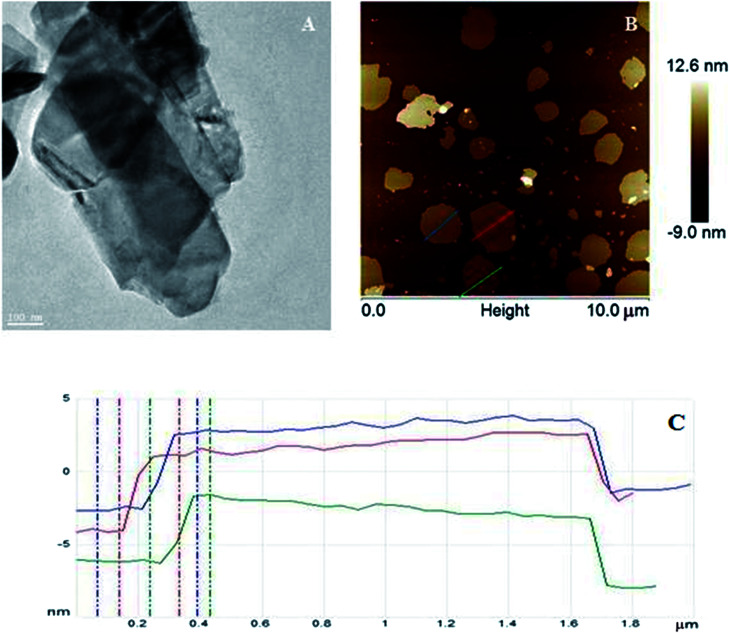
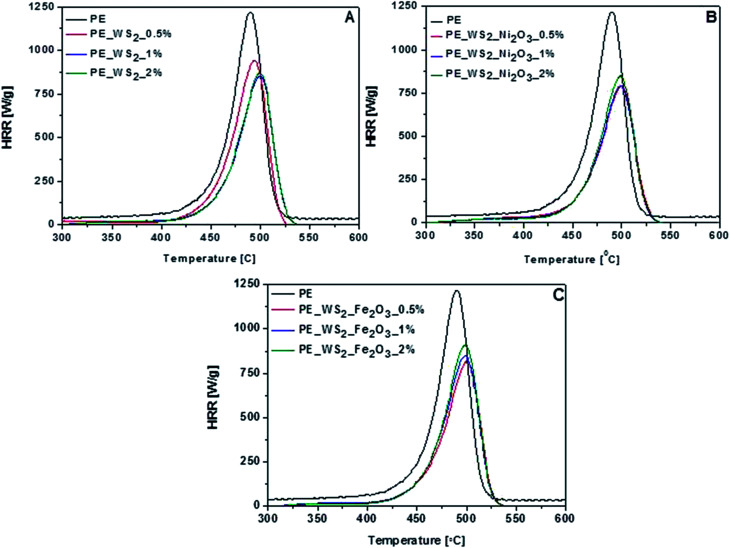
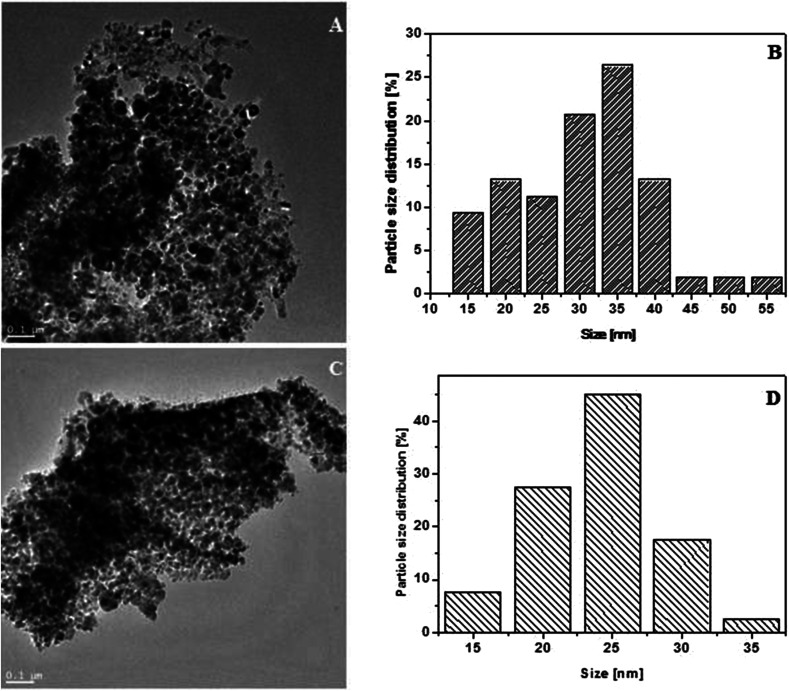
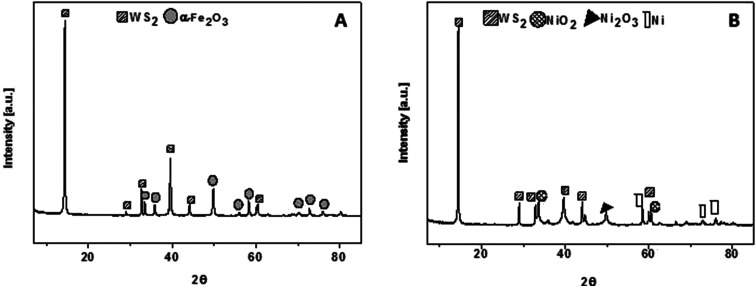
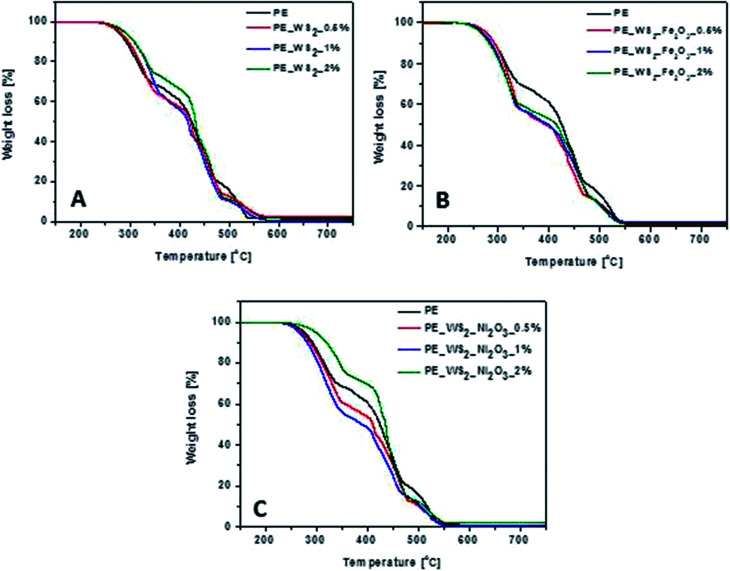
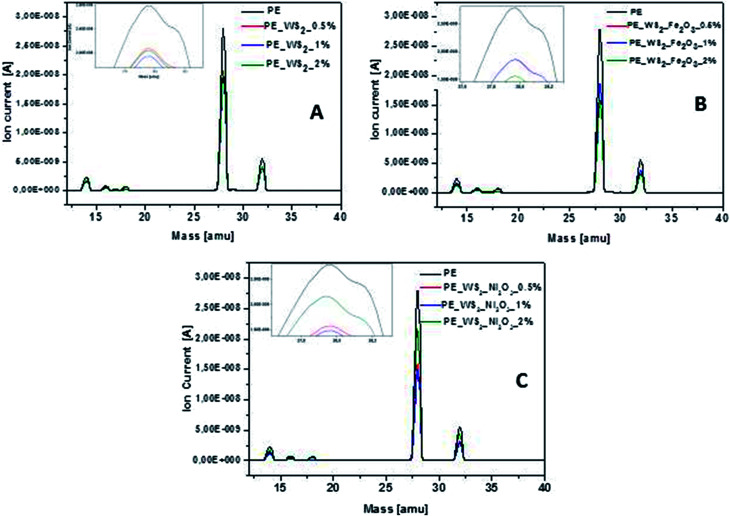
In this work, exfoliated tungsten disulfide (WS) functionalized with metal oxides as a filler of polyethylene (PE) was used. An efficient exfoliation procedure resulted in the synthesis of 7-9 layered flakes of WS. Flakes of exfoliated WS were functionalized by iron oxide and nickel oxide nanoparticles, respectively. The nanomaterials were mixed with polyethylene by extrusion. Methods such as Transmission Electron Microscopy (TEM), Atomic Force Microscopy (AFM), X-Ray Diffraction (XRD) or Thermogravimetric Analysis (TGA) were used to characterize the materials. Flame retardant properties were investigated by microcalorimetry. Comparing the obtained values of heat released during combustion, it can be observed that the addition of fillers reduces flammability significantly compared to neat polyethylene. It is revealed that this composite can provide a certain physical barrier and inhibit the diffusion of heat and gaseous products during combustion. Thermogravimetric analysis of composites showed increased thermal stability with addition of nanofillers and reduction of carbon monoxide generation in the whole range of the nanofiller addition (from 0.5 to 2 wt% in PE). Results suggested that the composite with NiO could endow the best flame retardance for PE. The peak heat release rate of this sample with 2 wt% nanofiller was reduced to 792 W g (1216 W g for PE), and the total heat release was decreased to 39 kJ g (47 kJ g for PE). A very significant increase in thermal conductivity for all composites was observed as well.
在这项工作中,使用了用金属氧化物功能化的剥离二硫化钨(WS)作为聚乙烯(PE)的填料。一种有效的剥离程序导致合成了7 - 9层的WS薄片。剥离的WS薄片分别用氧化铁和氧化镍纳米颗粒进行功能化。通过挤出将这些纳米材料与聚乙烯混合。使用诸如透射电子显微镜(TEM)、原子力显微镜(AFM)、X射线衍射(XRD)或热重分析(TGA)等方法对材料进行表征。通过微量量热法研究阻燃性能。比较燃烧过程中释放的热量的获得值,可以观察到与纯聚乙烯相比,添加填料显著降低了可燃性。结果表明,这种复合材料可以提供一定的物理屏障,并在燃烧过程中抑制热量和气态产物的扩散。复合材料的热重分析表明,添加纳米填料提高了热稳定性,并在整个纳米填料添加范围内(在PE中从0.5到2 wt%)减少了一氧化碳的生成。结果表明,含NiO的复合材料可为PE赋予最佳的阻燃性。这种含2 wt%纳米填料的样品的峰值热释放速率降低到792 W g(PE为1216 W g),总热释放降低到39 kJ g(PE为47 kJ g)。还观察到所有复合材料的热导率都有非常显著的增加。