Dong Hui-Ling, Zhang Sheng-Xiang, Chen Zhuo-Hua, Tao Hui, Li Xue, Qiu Jian-Feng, Cui Wen-Zhao, Sima Yang-Hu, Cui Wei-Zheng, Xu Shi-Qing
School of Biology and Basic Medical Sciences, Medical College, Soochow University Suzhou 215123 China
Institute of Agricultural Biotechnology & Ecology (IABE), Soochow University Suzhou 215123 China.
RSC Adv. 2018 Jul 20;8(46):26188-26200. doi: 10.1039/c8ra04627a. eCollection 2018 Jul 19.
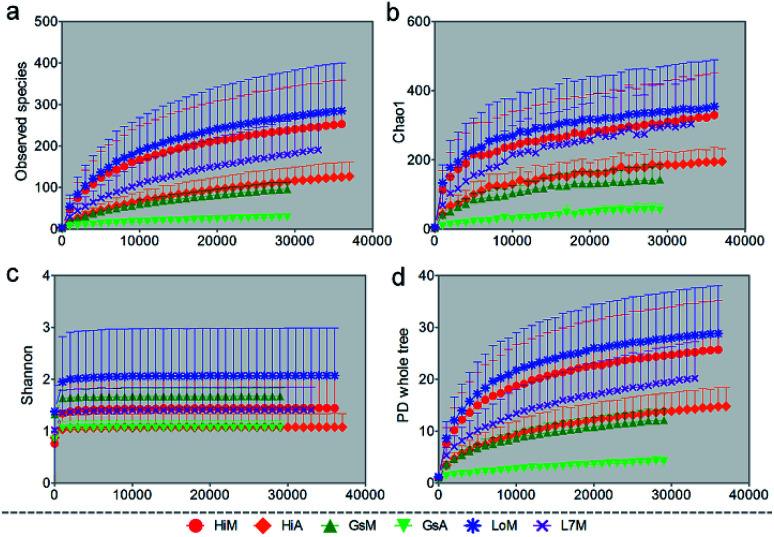
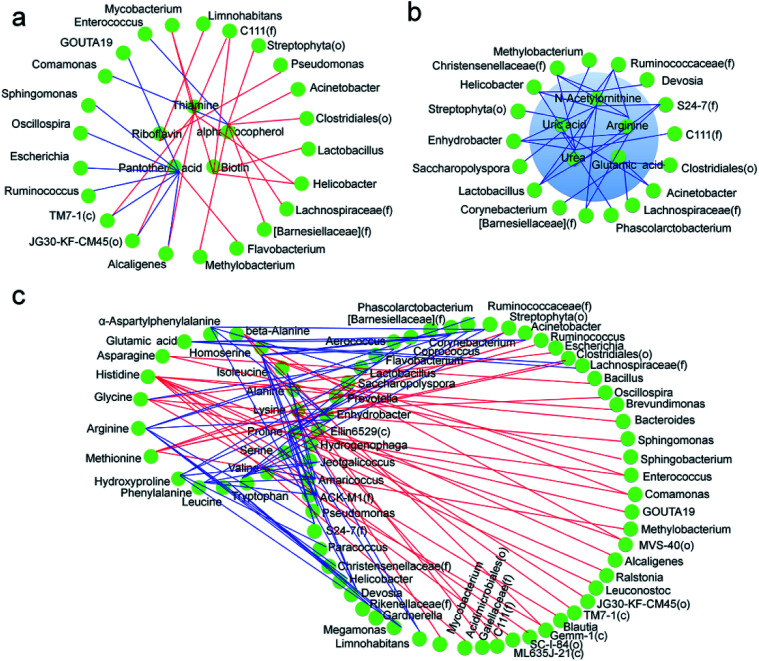
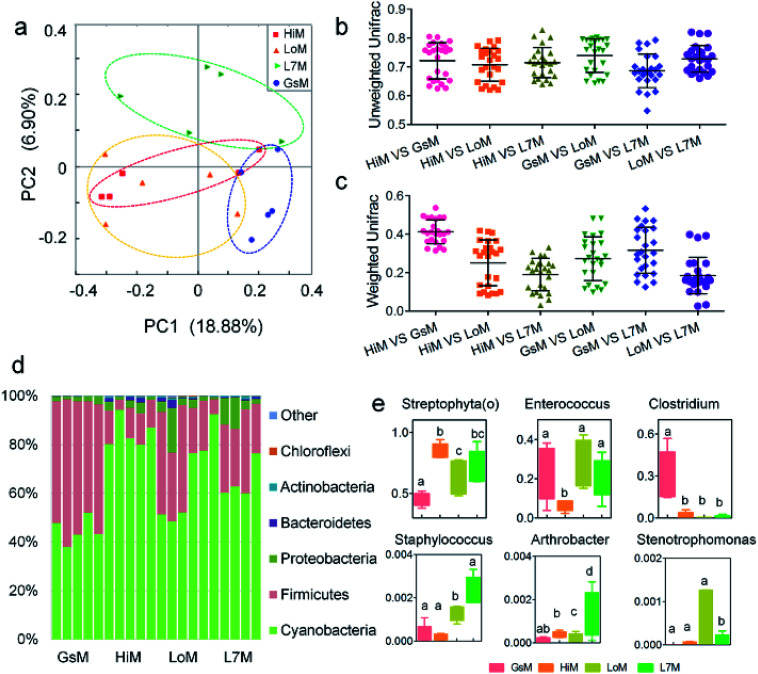
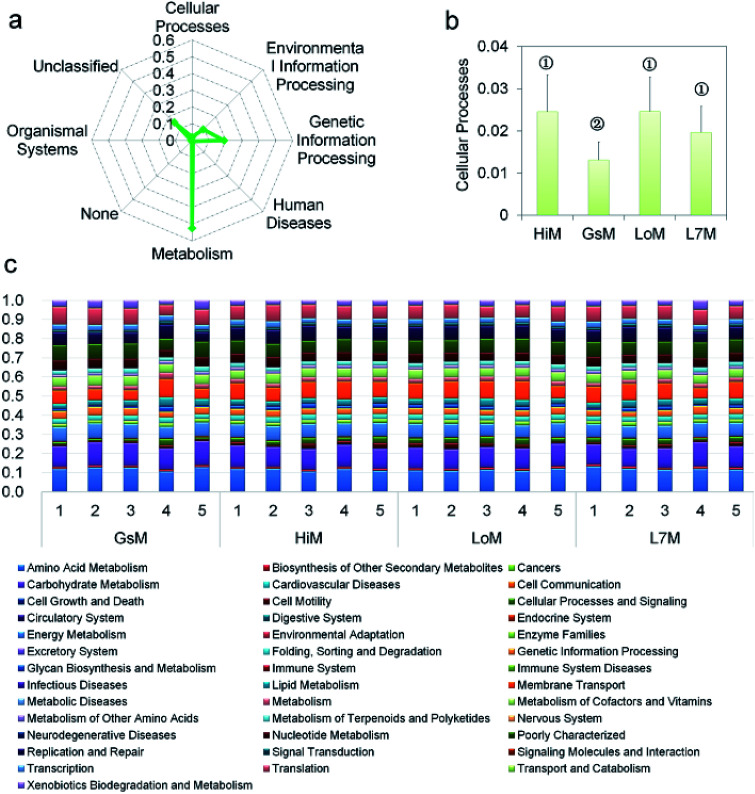
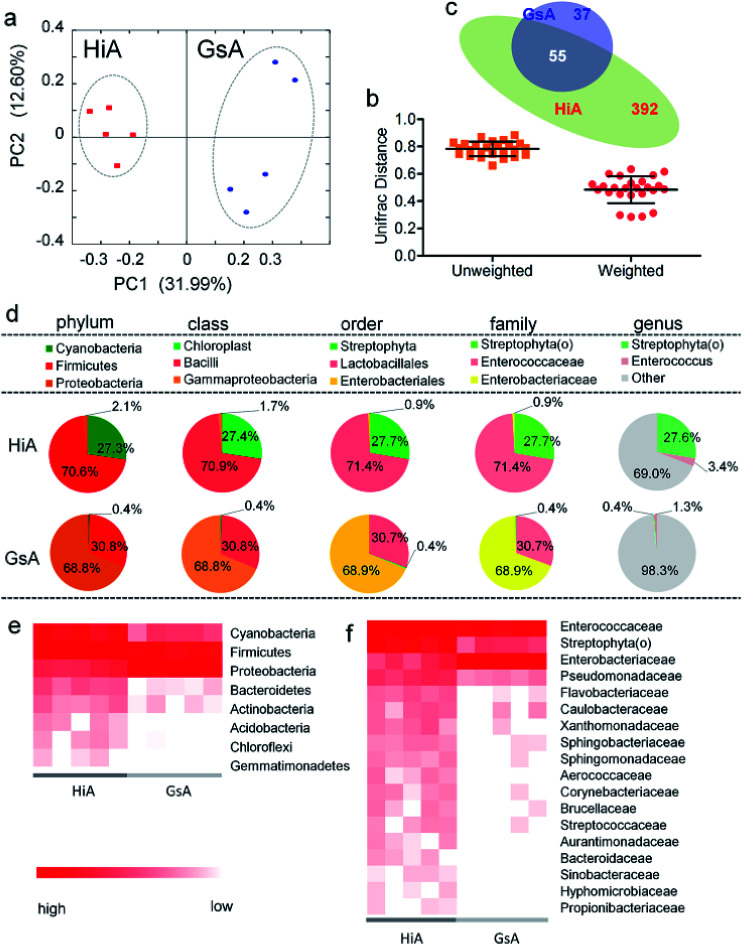
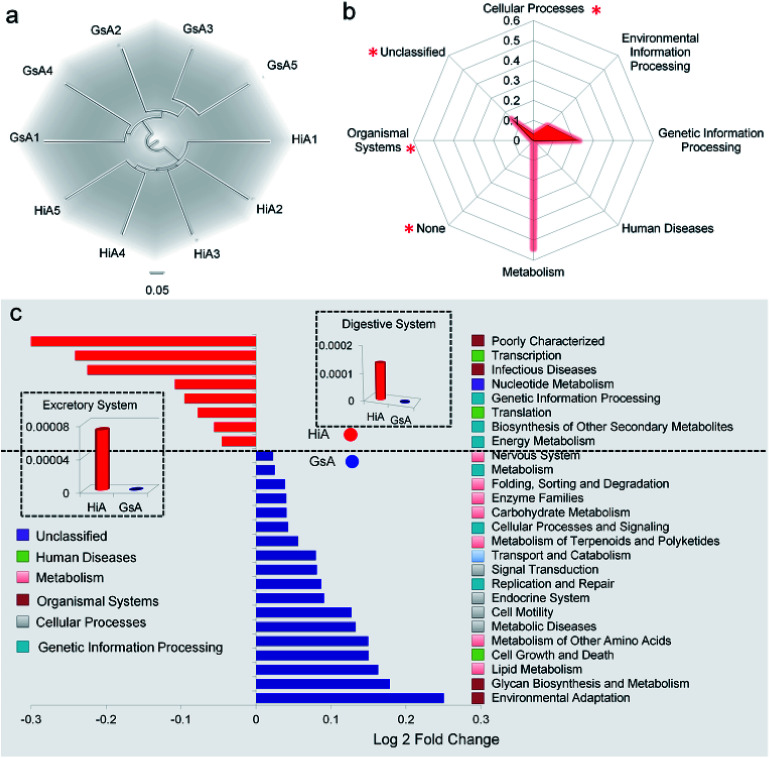
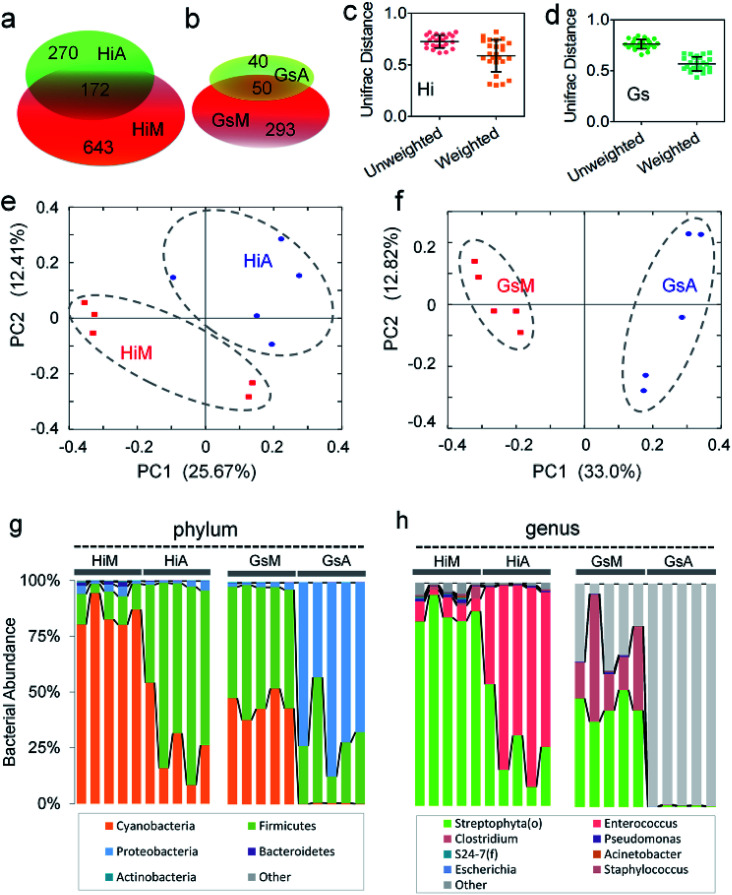
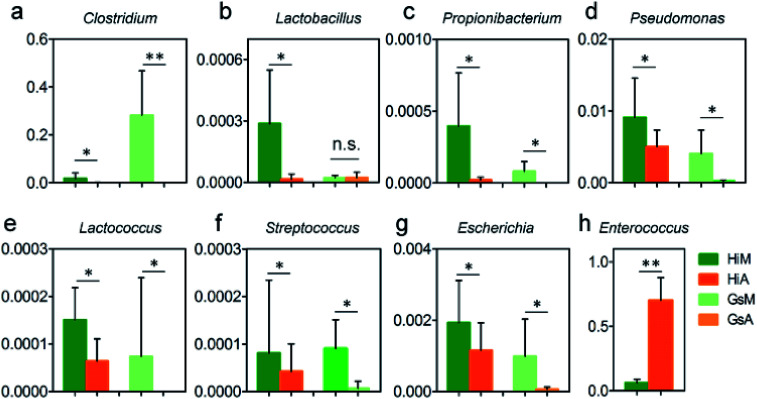
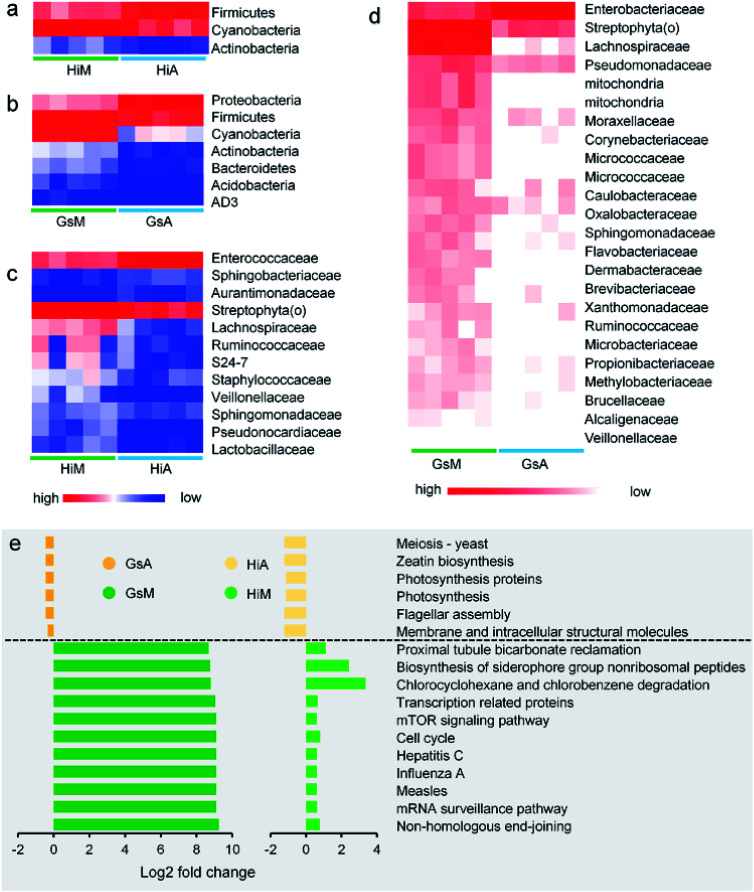
Artificial diets for silkworms have many potential applications and they are important in sericulture. However, the challenges of weak larvae and low silk protein synthesis efficiency in silkworms reared on artificial diets have not been resolved. Here, we used high-throughput sequencing to analyse the differences between the gut microbiota of 5th-instar larvae reared on mulberry leaves and larvae reared on an artificial diet. The results showed that at the phylum level, Cyanobacteria, Firmicutes, Proteobacteria, Bacteroidetes and Actinobacteria are the dominant bacteria in the intestines of silkworm larvae of all the strains. But the abundance of dominant bacteria in the gut microbiota differed between the silkworm strains that were reared on mulberry leaves, as well as between the silkworm strains that were reared on the artificial diet, while the gut microbiota diversity was lower in the silkworm strains that were reared on the artificial diet. Prediction of the functions of the gut microbiota in the hosts indicated that there was no significant difference between the silkworm strains that were reared on mulberry leaves, while there were significant differences between silkworm strains reared on the artificial diet. When the silkworm diet changed from mulberry leaves to the artificial diet, changes in gut microbiota in the silkworms affected host nutrient metabolism and immune resistance. These changes may be related to the adaptation of silkworms to their long evolutionary history of eating mulberry leaves.
家蚕人工饲料具有许多潜在应用,并且在养蚕业中很重要。然而,以人工饲料饲养的家蚕存在幼虫体弱和丝蛋白合成效率低的问题,这些挑战尚未得到解决。在此,我们使用高通量测序分析了取食桑叶的5龄幼虫与取食人工饲料的幼虫肠道微生物群之间的差异。结果表明,在门水平上,蓝细菌、厚壁菌门、变形菌门、拟杆菌门和放线菌门是所有品系家蚕幼虫肠道中的优势细菌。但是,取食桑叶的家蚕品系之间以及取食人工饲料的家蚕品系之间,肠道微生物群中优势细菌的丰度存在差异,而取食人工饲料的家蚕品系的肠道微生物群多样性较低。对宿主中肠道微生物群功能的预测表明,取食桑叶的家蚕品系之间没有显著差异,而取食人工饲料的家蚕品系之间存在显著差异。当家蚕饲料从桑叶变为人工饲料时,家蚕肠道微生物群的变化会影响宿主的营养代谢和免疫抗性。这些变化可能与家蚕适应其长期以桑叶为食的进化历史有关。