Department of Surgery, Institute of Clinical Sciences, Sahlgrenska Academy, University of Gothenburg, 413 45 Gothenburg, Sweden.
Oncol Rep. 2022 Jun;47(6). doi: 10.3892/or.2022.8329. Epub 2022 May 11.
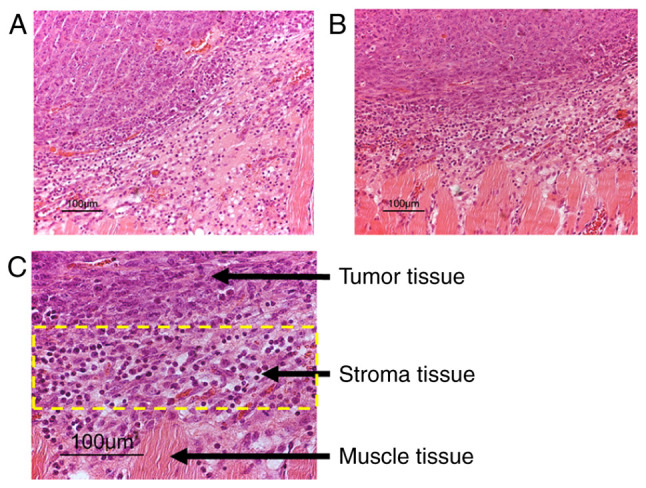
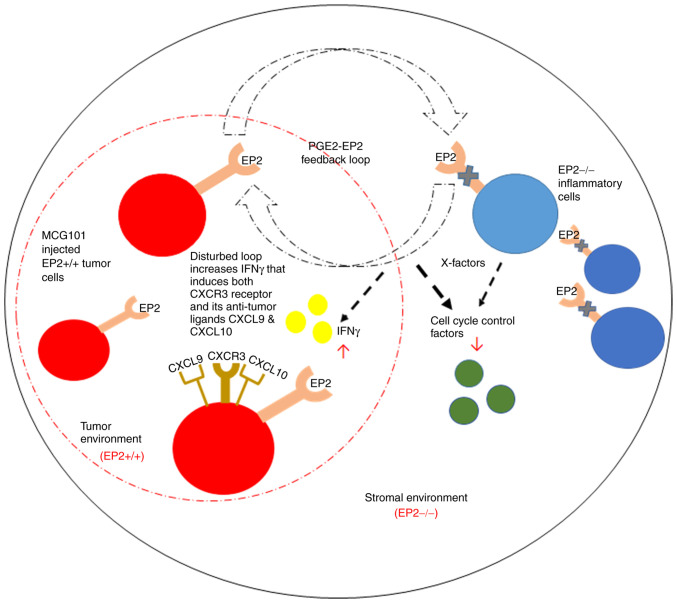
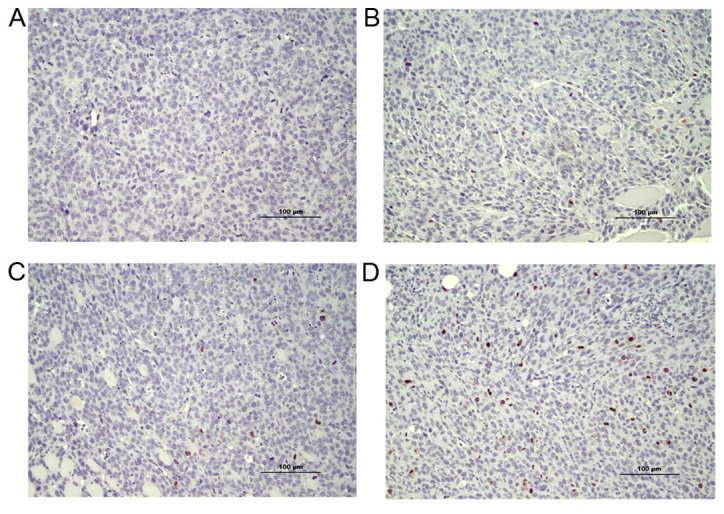
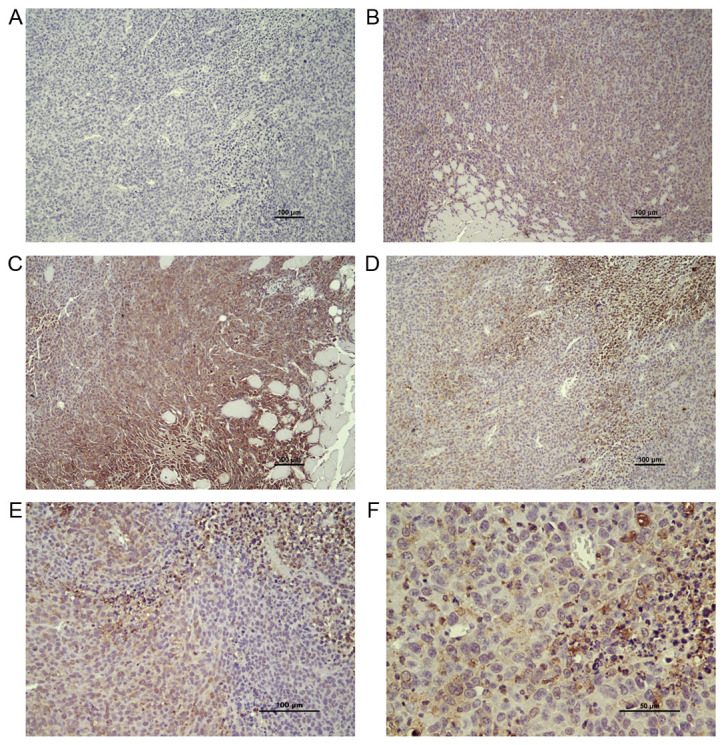
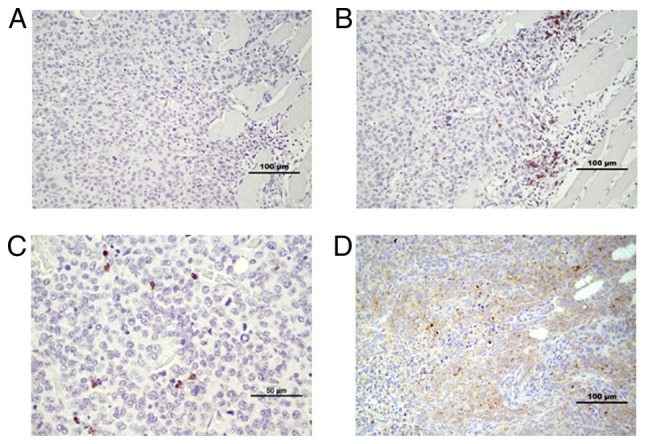
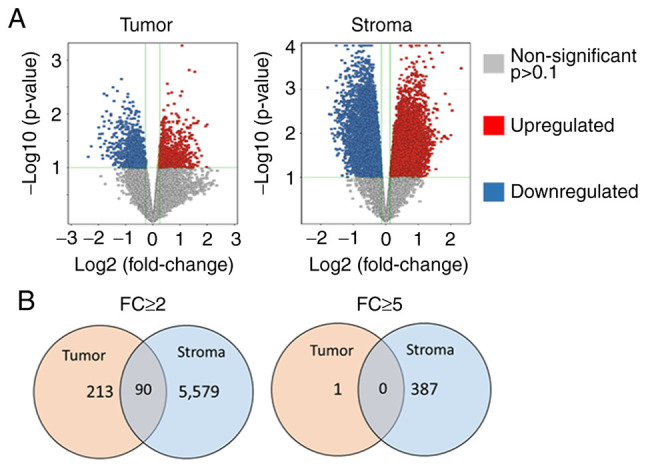
Inflammatory signaling through prostaglandin E2 receptor subtype 2 (EP2) is associated with malignant tumor growth in both experimental models and cancer patients. Thus, the absence of EP2 receptors in host tissues appears to reduce tumor growth and systemic inflammation by inducing major alterations in gene expression levels across tumor tissue compartments. However, it is not yet well‑established how signaling pathways in tumor tissue relate to simultaneous signaling alterations in the surrounding tumor‑stroma, at conditions of reduced disease progression due to decreased host inflammation. In the present study, wild‑type tumor cells, producing high levels of prostaglandin E2 (MCG 101 cells, EP2), were inoculated into EP2 knockout (EP2) and EP2 wild‑type (EP2) mice. Solid tumors were dissected into tumor‑ and tumor‑stroma tissue compartments for RNA expression microarray screening, followed by metabolic pathway analyses. Immunohistochemistry was used to confirm adequate dissections of tissue compartments, and to assess cell proliferation (Ki‑67), prostaglandin enzymes (cyclooxygenase 2) and immunity biomarkers (CD4 and CD8) at the protein level. Microarray analyses revealed statistically significant alterations in gene expression in the tumor‑stroma compartment, while significantly less pathway alterations occurred in the tumor tissue compartment. The host knockout of EP2 receptors led to a significant downregulation of cell cycle regulatory factors in the tumor‑stroma compartment, while interferon γ‑related pathways, chemokine signaling pathways and anti‑tumor chemokines [chemokine (C‑X‑C motif) ligand 9 and 10] were upregulated in the tumor compartment. Thus, such gene alterations were likely related to reduced tumor growth in EP2‑deficient hosts. On the whole, pathway analyses of both tumor‑ and tumor‑stroma compartments suggested that absence of host EP2 receptor signaling reduces 'remodeling' of tumor microenvironments and increase local immunity, probably by decreased productions of stimulating growth factors, perhaps similar to well‑recognized physiological observations in wound healing.
通过前列腺素 E2 受体亚型 2(EP2)的炎症信号与实验模型和癌症患者的恶性肿瘤生长有关。因此,宿主组织中 EP2 受体的缺失似乎通过诱导肿瘤组织隔室中基因表达水平的重大改变来减少肿瘤生长和全身炎症。然而,由于宿主炎症减少导致疾病进展减少,如何信号通路在肿瘤组织中与周围肿瘤基质中的同时信号改变相关,这一点尚未得到很好的确立。在本研究中,将产生高水平前列腺素 E2(MCG 101 细胞,EP2)的野生型肿瘤细胞接种到 EP2 敲除(EP2)和 EP2 野生型(EP2)小鼠中。将实体瘤分为肿瘤和肿瘤基质组织隔室进行 RNA 表达微阵列筛选,然后进行代谢途径分析。免疫组织化学用于确认组织隔室的充分分离,并评估蛋白质水平的细胞增殖(Ki-67)、前列腺素酶(环氧化酶 2)和免疫生物标志物(CD4 和 CD8)。微阵列分析显示肿瘤基质隔室中的基因表达发生了统计学上显著的改变,而肿瘤组织隔室中的途径改变则显著较少。宿主 EP2 受体的敲除导致肿瘤基质隔室中的细胞周期调节因子显著下调,而干扰素 γ 相关途径、趋化因子信号通路和抗肿瘤趋化因子[趋化因子(C-X-C 基序)配体 9 和 10]在肿瘤隔室中上调。因此,这些基因改变可能与 EP2 缺陷宿主中肿瘤生长减少有关。总的来说,肿瘤和肿瘤基质隔室的途径分析表明,宿主 EP2 受体信号的缺失减少了肿瘤微环境的“重塑”,并增加了局部免疫,这可能是由于刺激生长因子的产生减少,这可能类似于在伤口愈合中观察到的公认的生理现象。