• 文献检索
  • 文档翻译
  • 深度研究
  • 学术资讯
  • Suppr Zotero 插件Zotero 插件
  • 邀请有礼
  • 套餐&价格
  • 历史记录
应用&插件
Suppr Zotero 插件Zotero 插件浏览器插件Mac 客户端Windows 客户端微信小程序
定价
高级版会员购买积分包购买API积分包
服务
文献检索文档翻译深度研究API 文档MCP 服务
关于我们
关于 Suppr公司介绍联系我们用户协议隐私条款
关注我们

Suppr 超能文献

核心技术专利:CN118964589B侵权必究
粤ICP备2023148730 号-1Suppr @ 2026

文献检索

告别复杂PubMed语法,用中文像聊天一样搜索,搜遍4000万医学文献。AI智能推荐,让科研检索更轻松。

立即免费搜索

文件翻译

保留排版,准确专业,支持PDF/Word/PPT等文件格式,支持 12+语言互译。

免费翻译文档

深度研究

AI帮你快速写综述,25分钟生成高质量综述,智能提取关键信息,辅助科研写作。

立即免费体验

流感病毒在心肌细胞中的复制导致心脏功能障碍和纤维化。

Influenza virus replication in cardiomyocytes drives heart dysfunction and fibrosis.

机构信息

Department of Microbial Infection and Immunity, The Ohio State University, Columbus, OH, USA.

Infectious Diseases Institute, Viruses and Emerging Pathogens Program, The Ohio State University, Columbus, OH, USA.

出版信息

Sci Adv. 2022 May 13;8(19):eabm5371. doi: 10.1126/sciadv.abm5371. Epub 2022 May 11.

DOI:10.1126/sciadv.abm5371
PMID:35544568
原文链接:https://pmc.ncbi.nlm.nih.gov/articles/PMC9094651/
Abstract

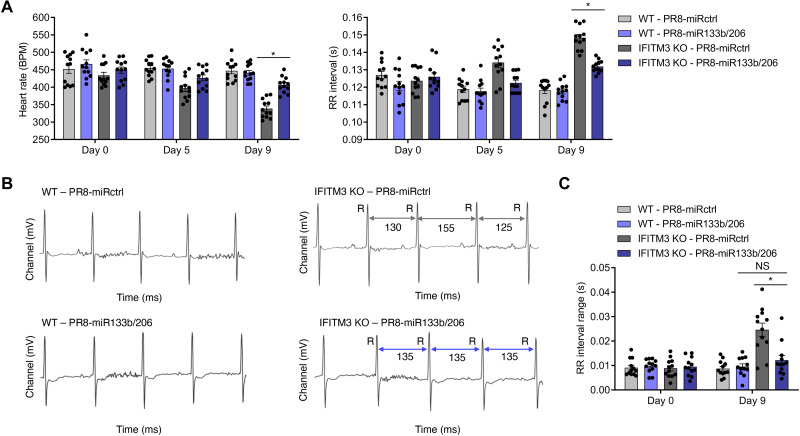
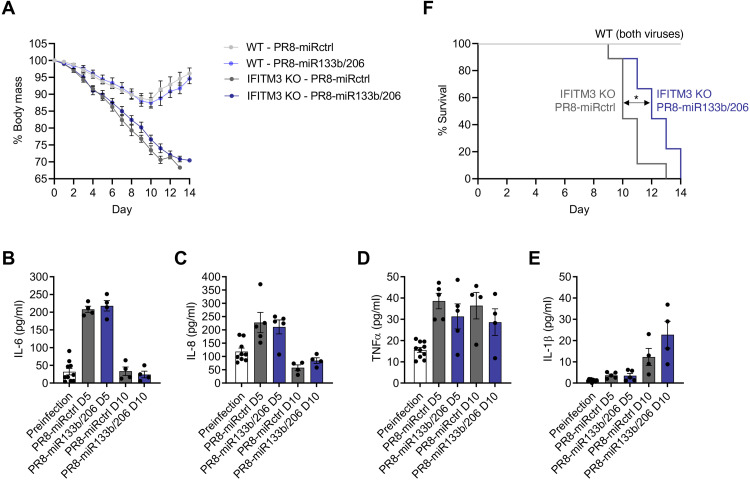
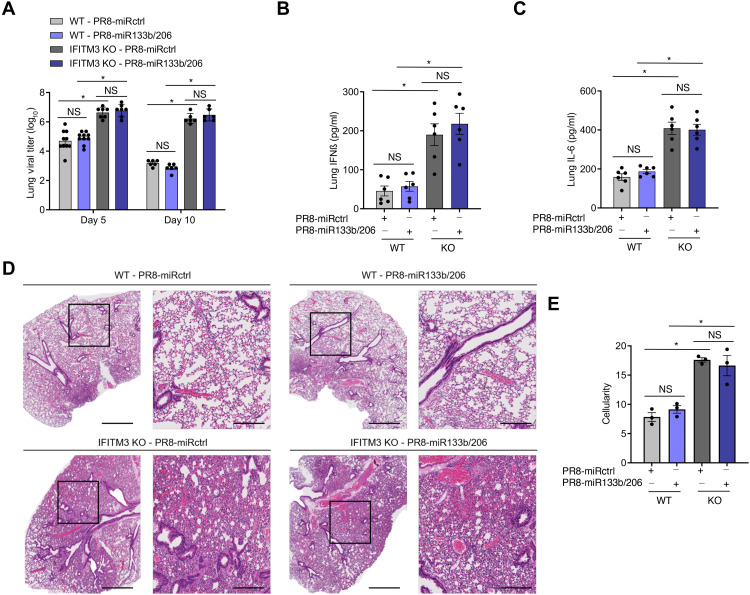
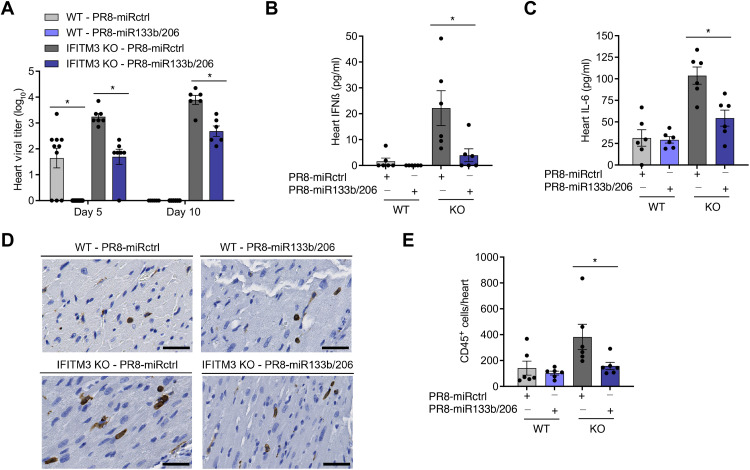
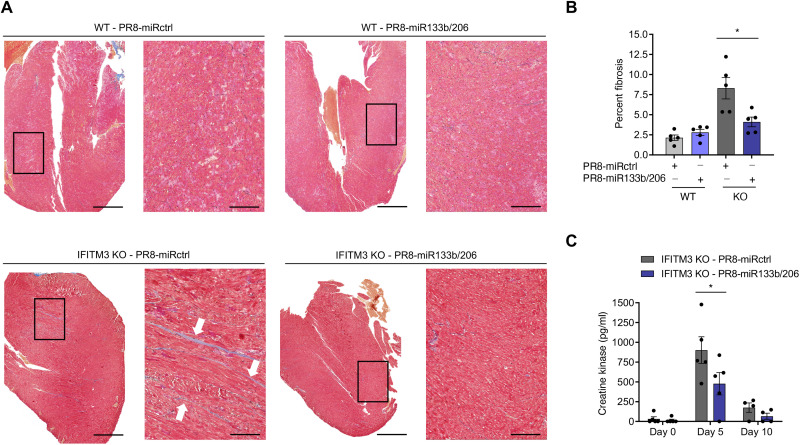
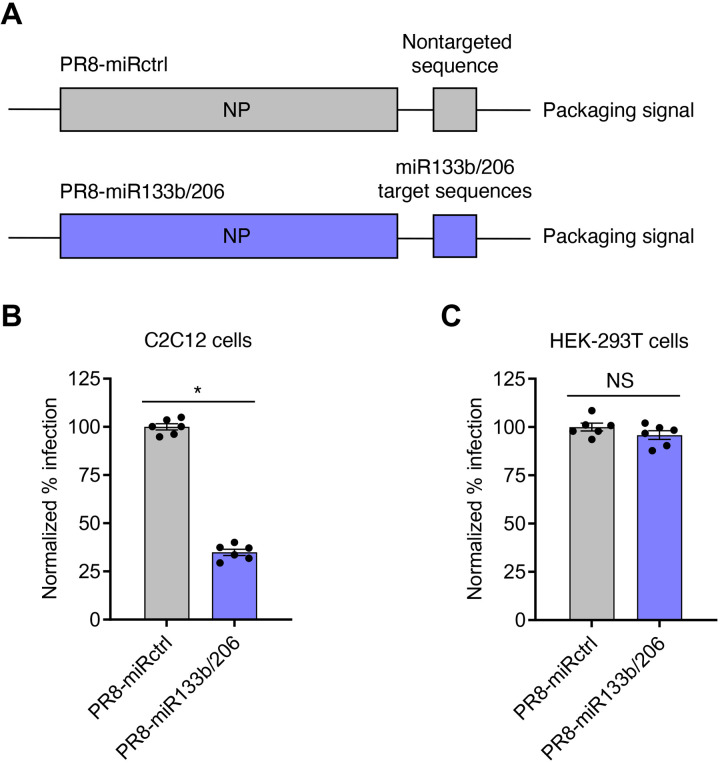
Cardiac dysfunction is a common complication of severe influenza virus infection, but whether this occurs due to direct infection of cardiac tissue or indirectly through systemic lung inflammation remains unclear. To test the etiology of this aspect of influenza disease, we generated a novel recombinant heart-attenuated influenza virus via genome incorporation of target sequences for miRNAs expressed in cardiomyocytes. Compared with control virus, mice infected with miR-targeted virus had significantly reduced heart viral titers, confirming cardiac attenuation of viral replication. However, this virus was fully replicative in the lungs and induced similar systemic inflammation and weight loss compared to control virus. The miR-targeted virus induced fewer cardiac conduction irregularities and significantly less fibrosis in mice lacking interferon-induced transmembrane protein 3 (IFITM3), which serve as a model for influenza-associated cardiac pathology. We conclude that robust virus replication in the heart is required for pathology, even when lung inflammation is severe.

摘要

心脏功能障碍是严重流感病毒感染的常见并发症,但这种情况是由于心脏组织的直接感染还是通过肺部炎症的全身反应尚不清楚。为了研究流感疾病的这一方面病因,我们通过将心肌细胞中表达的 miRNA 的靶序列整合到基因组中,生成了一种新型的心脏减毒流感病毒。与对照病毒相比,感染 miRNA 靶向病毒的小鼠心脏中的病毒滴度显著降低,证实了病毒复制的心脏衰减。然而,与对照病毒相比,这种病毒在肺部仍能完全复制,并引起相似的全身炎症和体重减轻。在缺乏干扰素诱导跨膜蛋白 3 (IFITM3)的小鼠中,miRNA 靶向病毒诱导的心脏传导不规则和纤维化明显减少,IFITM3 作为流感相关心脏病理学的模型。我们得出结论,即使肺部炎症严重,心脏内的病毒复制也需要大量进行,才能导致病理学改变。
https://cdn.ncbi.nlm.nih.gov/pmc/blobs/ffdb/9094651/6628a1198c26/sciadv.abm5371-f6.jpg
https://cdn.ncbi.nlm.nih.gov/pmc/blobs/ffdb/9094651/43bd34f9447c/sciadv.abm5371-f1.jpg
https://cdn.ncbi.nlm.nih.gov/pmc/blobs/ffdb/9094651/8ad6bbcece56/sciadv.abm5371-f2.jpg
https://cdn.ncbi.nlm.nih.gov/pmc/blobs/ffdb/9094651/b2808429ed19/sciadv.abm5371-f3.jpg
https://cdn.ncbi.nlm.nih.gov/pmc/blobs/ffdb/9094651/d9f612483e86/sciadv.abm5371-f4.jpg
https://cdn.ncbi.nlm.nih.gov/pmc/blobs/ffdb/9094651/8cd7f4ee8a23/sciadv.abm5371-f5.jpg
https://cdn.ncbi.nlm.nih.gov/pmc/blobs/ffdb/9094651/6628a1198c26/sciadv.abm5371-f6.jpg
https://cdn.ncbi.nlm.nih.gov/pmc/blobs/ffdb/9094651/43bd34f9447c/sciadv.abm5371-f1.jpg
https://cdn.ncbi.nlm.nih.gov/pmc/blobs/ffdb/9094651/8ad6bbcece56/sciadv.abm5371-f2.jpg
https://cdn.ncbi.nlm.nih.gov/pmc/blobs/ffdb/9094651/b2808429ed19/sciadv.abm5371-f3.jpg
https://cdn.ncbi.nlm.nih.gov/pmc/blobs/ffdb/9094651/d9f612483e86/sciadv.abm5371-f4.jpg
https://cdn.ncbi.nlm.nih.gov/pmc/blobs/ffdb/9094651/8cd7f4ee8a23/sciadv.abm5371-f5.jpg
https://cdn.ncbi.nlm.nih.gov/pmc/blobs/ffdb/9094651/6628a1198c26/sciadv.abm5371-f6.jpg

相似文献

1
Influenza virus replication in cardiomyocytes drives heart dysfunction and fibrosis.流感病毒在心肌细胞中的复制导致心脏功能障碍和纤维化。
Sci Adv. 2022 May 13;8(19):eabm5371. doi: 10.1126/sciadv.abm5371. Epub 2022 May 11.
2
IFITM3 protects the heart during influenza virus infection.IFITM3 在流感病毒感染期间保护心脏。
Proc Natl Acad Sci U S A. 2019 Sep 10;116(37):18607-18612. doi: 10.1073/pnas.1900784116. Epub 2019 Aug 26.
3
Human influenza A virus causes myocardial and cardiac-specific conduction system infections associated with early inflammation and premature death.人甲型流感病毒会引发心肌及心脏特异性传导系统感染,伴有早期炎症和过早死亡。
Cardiovasc Res. 2021 Feb 22;117(3):876-889. doi: 10.1093/cvr/cvaa117.
4
Differential microRNA expression following infection with a mouse-adapted, highly virulent avian H5N2 virus.感染小鼠适应性高致病性禽H5N2病毒后的微小RNA差异表达
BMC Microbiol. 2014 Sep 30;14:252. doi: 10.1186/s12866-014-0252-0.
5
MicroRNA-9-1 Attenuates Influenza A Virus Replication via Targeting Tankyrase 1.miRNA-9-1 通过靶向 Tankyrase 1 抑制甲型流感病毒复制。
J Innate Immun. 2023;15(1):647-664. doi: 10.1159/000532063. Epub 2023 Aug 22.
6
miR-193b represses influenza A virus infection by inhibiting Wnt/β-catenin signalling.miR-193b 通过抑制 Wnt/β-catenin 信号通路抑制甲型流感病毒感染。
Cell Microbiol. 2019 May;21(5):e13001. doi: 10.1111/cmi.13001. Epub 2019 Jan 25.
7
Development of a new mouse model for coxsackievirus-induced myocarditis by attenuating coxsackievirus B3 virulence in the pancreas.通过削弱胰腺中柯萨奇病毒 B3 的毒力来开发一种新的柯萨奇病毒诱导心肌炎的小鼠模型。
Cardiovasc Res. 2020 Aug 1;116(10):1756-1766. doi: 10.1093/cvr/cvz259.
8
Influenza A virus-induced degradation of eukaryotic translation initiation factor 4B contributes to viral replication by suppressing IFITM3 protein expression.甲型流感病毒诱导真核翻译起始因子 4B 的降解有助于通过抑制 IFITM3 蛋白表达来促进病毒复制。
J Virol. 2014 Aug;88(15):8375-85. doi: 10.1128/JVI.00126-14. Epub 2014 May 14.
9
MicroRNA-Based Attenuation of Influenza Virus across Susceptible Hosts.基于微小RNA的流感病毒在易感宿主中的减毒作用
J Virol. 2018 Jan 2;92(2). doi: 10.1128/JVI.01741-17. Print 2018 Jan 15.
10
IFITM3 restricts the morbidity and mortality associated with influenza.IFITM3 限制了流感相关的发病率和死亡率。
Nature. 2012 Mar 25;484(7395):519-23. doi: 10.1038/nature10921.

引用本文的文献

1
Gasdermin E is Dispensable for H1N1 Influenza Virus Pathogenesis in Mice.Gasdermin E对小鼠甲型流感病毒发病机制无必需性。
bioRxiv. 2025 Jul 29:2025.07.29.667514. doi: 10.1101/2025.07.29.667514.
2
IFITM3 deficient mice as a model for testing influenza virus vaccines.IFITM3基因缺陷小鼠作为测试流感病毒疫苗的模型。
bioRxiv. 2025 May 29:2025.05.26.656177. doi: 10.1101/2025.05.26.656177.
3
Diagnostic and Therapeutic Challenges Between Peripartum and Influenza-Induced Inflammatory Cardiomyopathy-A Case Report and Literature Review.

本文引用的文献

1
Interferon-Induced Transmembrane Protein 3 Blocks Fusion of Diverse Enveloped Viruses by Altering Mechanical Properties of Cell Membranes.干扰素诱导跨膜蛋白 3 通过改变细胞膜的机械特性来阻止多种包膜病毒的融合。
ACS Nano. 2021 May 25;15(5):8155-8170. doi: 10.1021/acsnano.0c10567. Epub 2021 Mar 3.
2
Myocarditis and inflammatory cardiomyopathy: current evidence and future directions.心肌炎和炎性心肌病:当前的证据和未来的方向。
Nat Rev Cardiol. 2021 Mar;18(3):169-193. doi: 10.1038/s41569-020-00435-x. Epub 2020 Oct 12.
3
Disparities in Influenza Vaccination-Opportunity to Extend Cardiovascular Prevention to Millions of Hearts.
围产期心肌病与流感诱发的炎症性心肌病之间的诊断和治疗挑战——病例报告及文献综述
J Clin Med. 2025 May 14;14(10):3440. doi: 10.3390/jcm14103440.
4
Influenza A virus dissemination and infection leads to tissue resident cell injury and dysfunction in viral sepsis.甲型流感病毒的传播和感染会导致病毒血症中组织驻留细胞的损伤和功能障碍。
EBioMedicine. 2025 Jun;116:105738. doi: 10.1016/j.ebiom.2025.105738. Epub 2025 May 13.
5
The intersection of influenza infection and autoimmunity.流感感染与自身免疫的交叉点。
Front Immunol. 2025 Apr 3;16:1558386. doi: 10.3389/fimmu.2025.1558386. eCollection 2025.
6
Unique immune and other responses of human nasal epithelial cells infected with H5N1 avian influenza virus compared to seasonal human influenza A and B viruses.与季节性甲型和乙型人流感病毒相比,感染H5N1禽流感病毒的人鼻上皮细胞独特的免疫及其他反应。
Emerg Microbes Infect. 2025 Dec;14(1):2484330. doi: 10.1080/22221751.2025.2484330. Epub 2025 Apr 7.
7
MiR-130c-5p targets the SHVV gene and upregulates immune cytokines (IL-6, IL-22, IL-1β) to inhibit viral replication.miR-130c-5p 靶向 SHVV 基因并上调免疫细胞因子(IL-6、IL-22、IL-1β)以抑制病毒复制。
Front Immunol. 2024 Nov 1;15:1486816. doi: 10.3389/fimmu.2024.1486816. eCollection 2024.
8
Innate immune control of influenza virus interspecies adaptation via IFITM3.IFITM3 通过先天免疫控制流感病毒种间适应。
Nat Commun. 2024 Oct 30;15(1):9375. doi: 10.1038/s41467-024-53792-3.
9
Possible mechanisms of SARS-CoV-2-associated myocardial fibrosis: reflections in the post-pandemic era.新型冠状病毒2型相关心肌纤维化的可能机制:大流行后时代的思考
Front Microbiol. 2024 Oct 8;15:1470953. doi: 10.3389/fmicb.2024.1470953. eCollection 2024.
10
FBXL19 in endothelial cells protects the heart from influenza A infection by enhancing antiviral immunity and reducing cellular senescence programs.FBXL19 在血管内皮细胞中通过增强抗病毒免疫和减少细胞衰老程序来保护心脏免受流感 A 感染。
Am J Physiol Heart Circ Physiol. 2024 Oct 1;327(4):H937-H946. doi: 10.1152/ajpheart.00371.2024. Epub 2024 Aug 16.
流感疫苗接种差异——将心血管疾病预防扩展至数百万人群的契机。
JAMA Cardiol. 2021 Jan 1;6(1):11-12. doi: 10.1001/jamacardio.2020.3983.
4
Acute Cardiovascular Events Associated With Influenza in Hospitalized Adults : A Cross-sectional Study.急性心血管事件与住院成人流感相关:一项横断面研究。
Ann Intern Med. 2020 Oct 20;173(8):605-613. doi: 10.7326/M20-1509. Epub 2020 Aug 25.
5
Human influenza A virus causes myocardial and cardiac-specific conduction system infections associated with early inflammation and premature death.人甲型流感病毒会引发心肌及心脏特异性传导系统感染,伴有早期炎症和过早死亡。
Cardiovasc Res. 2021 Feb 22;117(3):876-889. doi: 10.1093/cvr/cvaa117.
6
Respiratory Viral Infection Alters the Gut Microbiota by Inducing Inappetence.呼吸道病毒感染通过引起食欲不振来改变肠道微生物群。
mBio. 2020 Feb 18;11(1):e03236-19. doi: 10.1128/mBio.03236-19.
7
IFITM3 protects the heart during influenza virus infection.IFITM3 在流感病毒感染期间保护心脏。
Proc Natl Acad Sci U S A. 2019 Sep 10;116(37):18607-18612. doi: 10.1073/pnas.1900784116. Epub 2019 Aug 26.
8
Antiviral Protection by IFITM3 In Vivo.IFITM3在体内的抗病毒保护作用。
Curr Clin Microbiol Rep. 2018 Dec;5(4):229-237. doi: 10.1007/s40588-018-0103-0. Epub 2018 Aug 3.
9
Influenza, evolution, and the next pandemic.流感、进化与下一场大流行。
Evol Med Public Health. 2018 Oct 3;2018(1):260-269. doi: 10.1093/emph/eoy027. eCollection 2018.
10
Engineered Small-Molecule Control of Influenza A Virus Replication.工程化小分子对甲型流感病毒复制的控制。
J Virol. 2018 Dec 10;93(1). doi: 10.1128/JVI.01677-18. Print 2019 Jan 1.