Chauhan Deepika, Agrawal Guncha, Deshmukh Sujit, Roy Susanta Sinha, Priyadarshini Richa
Department of Life Sciences, School of Natural Sciences, Shiv Nadar University Gautam Buddha Nagar Uttar Pradesh India
Department of Physics, School of Natural Sciences, Shiv Nadar University Gautam Buddha Nagar Uttar Pradesh India.
RSC Adv. 2018 Nov 8;8(66):37590-37599. doi: 10.1039/c8ra06448b. eCollection 2018 Nov 7.
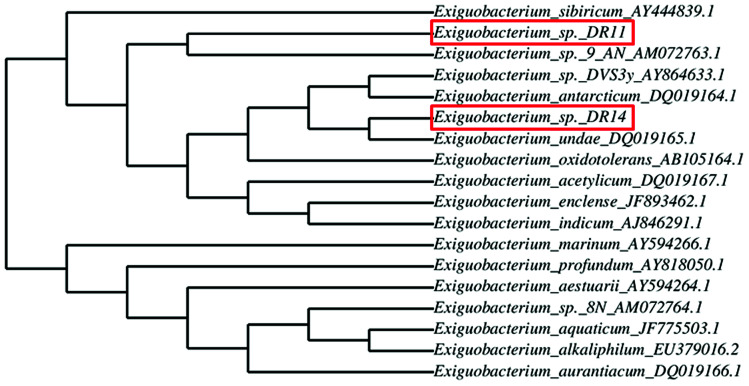
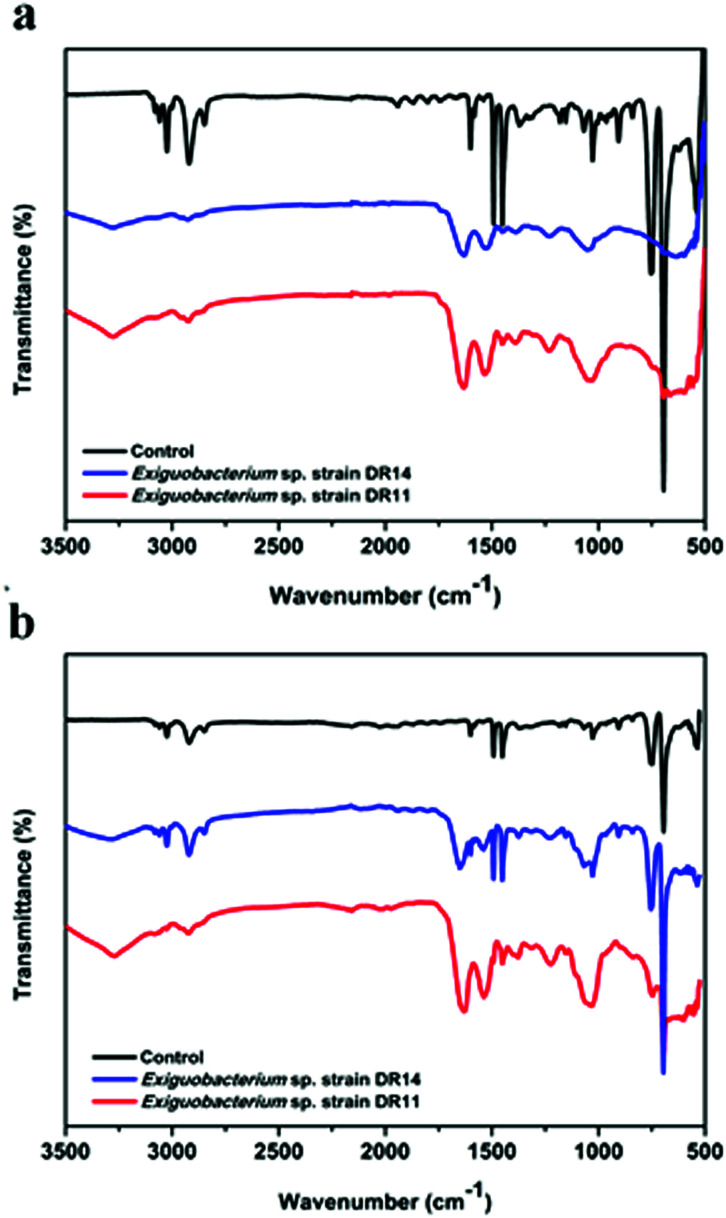
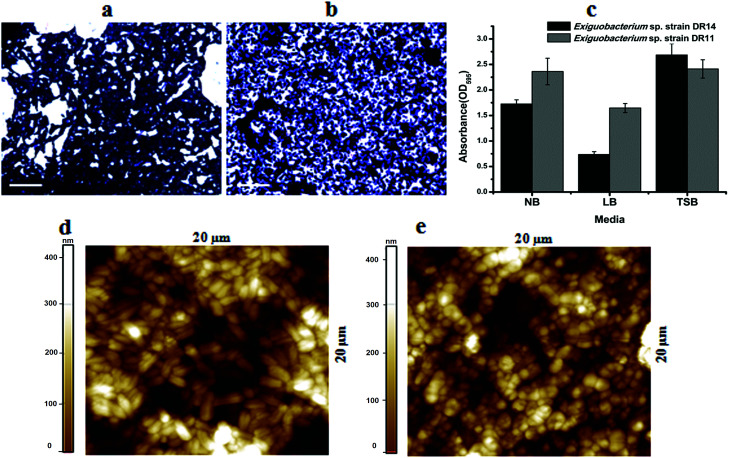
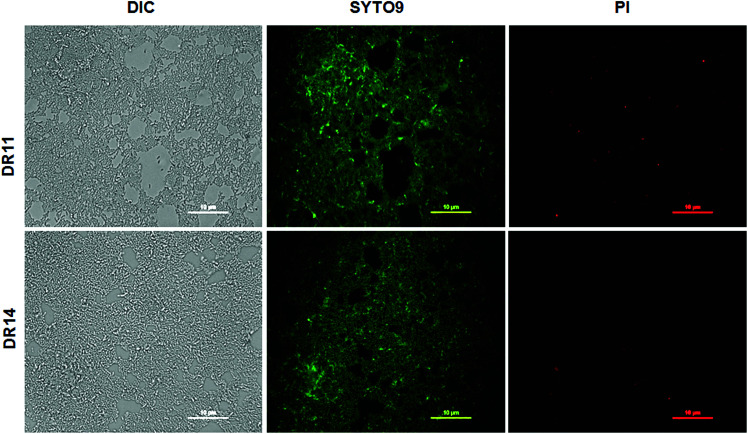
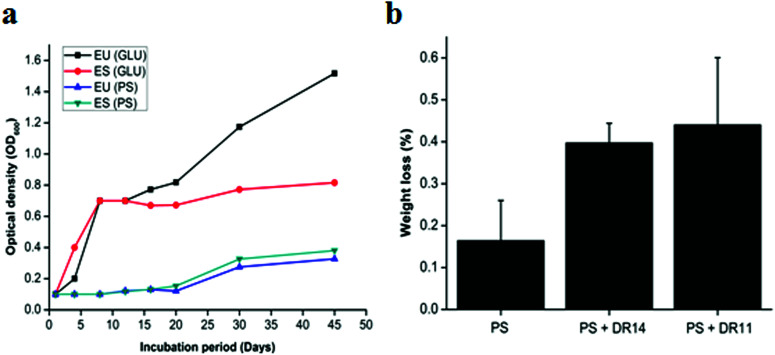
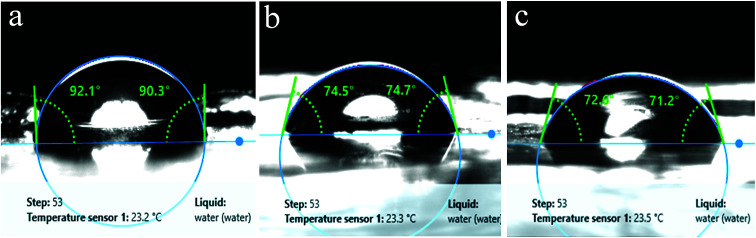
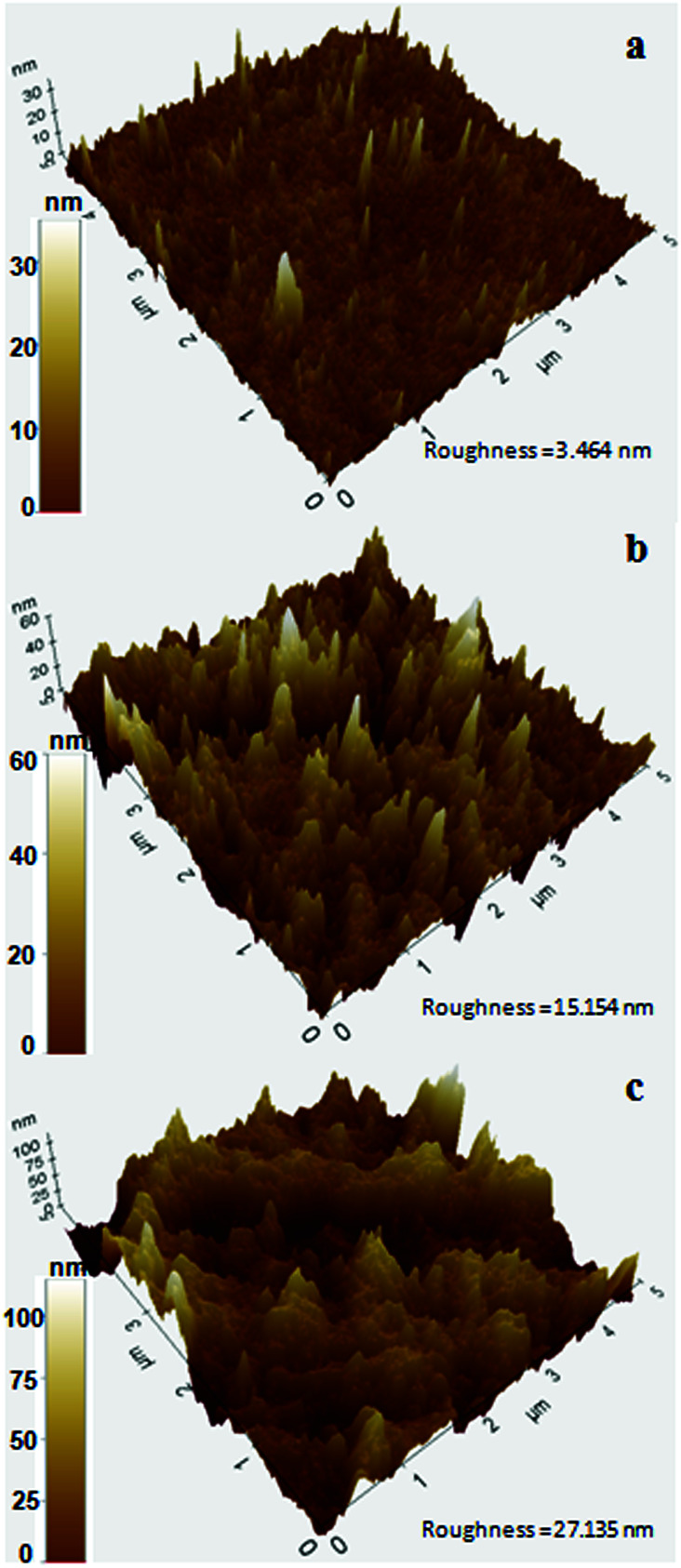
Polystyrene is a chemically inert synthetic aromatic polymer. This widely used form of plastic is recalcitrant to biodegradation. The exponential production and consumption of polystyrene in various sectors has presented a great environment risk and raised the problem of waste management. Biodegradation by bacteria has previously shown great potential against various xenobiotics but there are only a few reports concerning polyolefins. By screening wetland microbes, we found two bacterial species - strain DR11 and strain DR14 which showed promising biodegradation potential against polystyrene. In this study, we report the degradation of non-irradiated solid polystyrene material after incubation with these isolates. Growth studies suggested that the strains utilize polystyrene as a carbon source. Moreover, our data suggest that polymer degradation was initiated by biofilm formation over the PS surface leading to alteration in the physical properties of the material. Surface property analysis by AFM revealed significantly enhanced roughness resulting in reduced surface hydrophobicity of polystyrene. Fourier-transfer infrared (FT-IR) spectroscopic analysis showed breakdown of polystyrene backbone by oxidation. The extent of deterioration was further determined by percent weight reduction of polystyrene after incubation with bacteria. Our data support the fact that strains of extremophile bacterium are capable of degrading polystyrene and can be further used to mitigate the environmental pollution caused by plastics.
聚苯乙烯是一种化学性质惰性的合成芳香族聚合物。这种广泛使用的塑料形式难以被生物降解。聚苯乙烯在各个领域的指数级生产和消费带来了巨大的环境风险,并引发了废物管理问题。此前,细菌的生物降解作用已显示出对各种外源化合物具有巨大潜力,但关于聚烯烃的报道却很少。通过筛选湿地微生物,我们发现了两种细菌菌株——DR11菌株和DR14菌株,它们对聚苯乙烯显示出有前景的生物降解潜力。在本研究中,我们报告了这些分离菌株与未辐照的固体聚苯乙烯材料孵育后的降解情况。生长研究表明,这些菌株将聚苯乙烯用作碳源。此外,我们的数据表明,聚合物降解是由PS表面形成生物膜引发的,导致材料物理性质发生改变。通过原子力显微镜(AFM)进行的表面性质分析显示粗糙度显著增加,导致聚苯乙烯表面疏水性降低。傅里叶变换红外(FT-IR)光谱分析表明聚苯乙烯主链因氧化而断裂。通过与细菌孵育后聚苯乙烯的重量减少百分比进一步确定了降解程度。我们的数据支持这样一个事实,即极端嗜热细菌菌株能够降解聚苯乙烯,并可进一步用于减轻塑料造成的环境污染。