Center for Neurodevelopmental and Imaging Research, Kennedy Krieger Institute, Baltimore, MD, United States; Department of Neurology, Johns Hopkins University School of Medicine, Baltimore, MD, United States.
Center for Neurodevelopmental and Imaging Research, Kennedy Krieger Institute, Baltimore, MD, United States; Department of Neurology, Johns Hopkins University School of Medicine, Baltimore, MD, United States.
Neuroimage. 2022 Aug 15;257:119296. doi: 10.1016/j.neuroimage.2022.119296. Epub 2022 May 10.
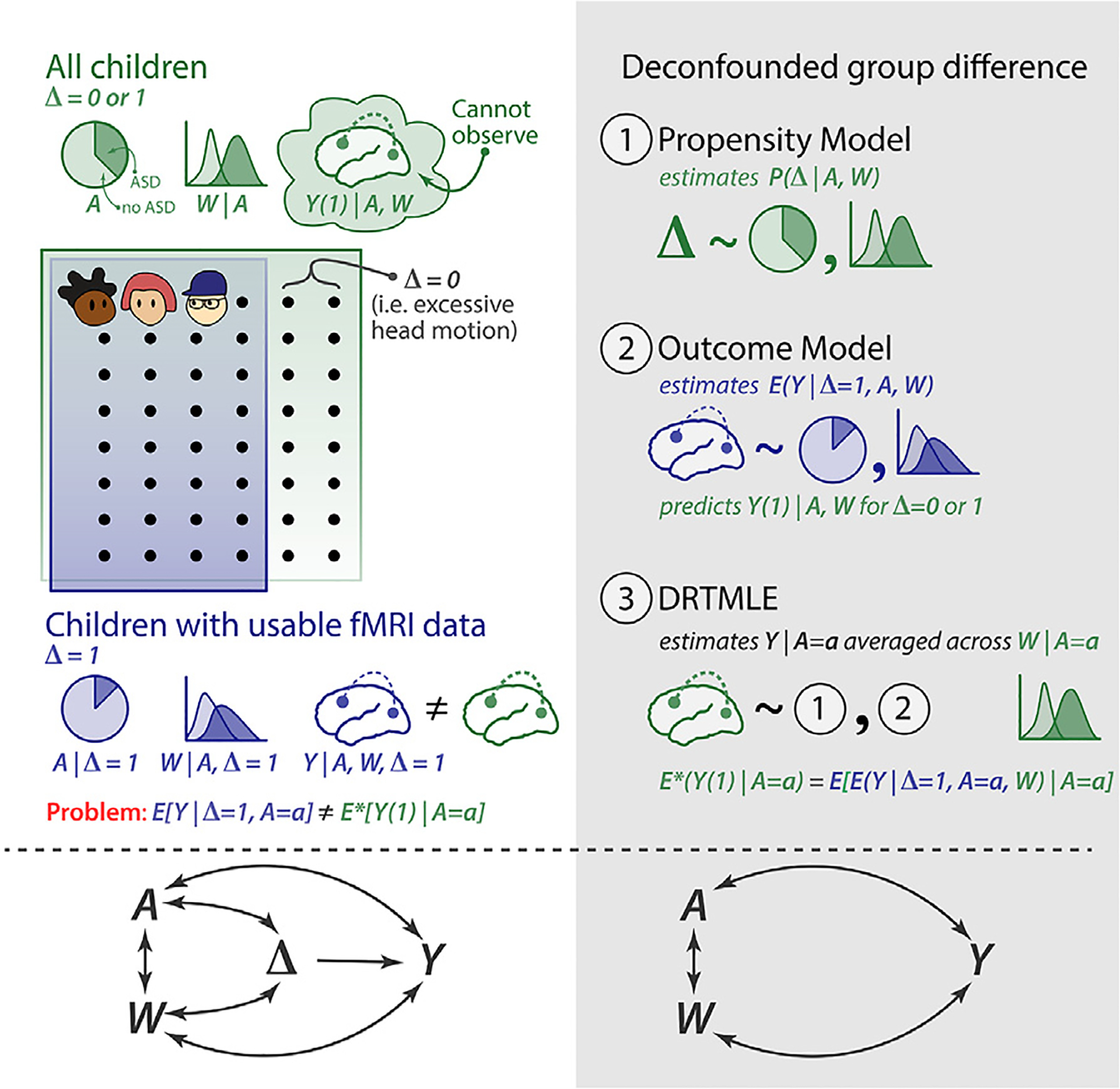
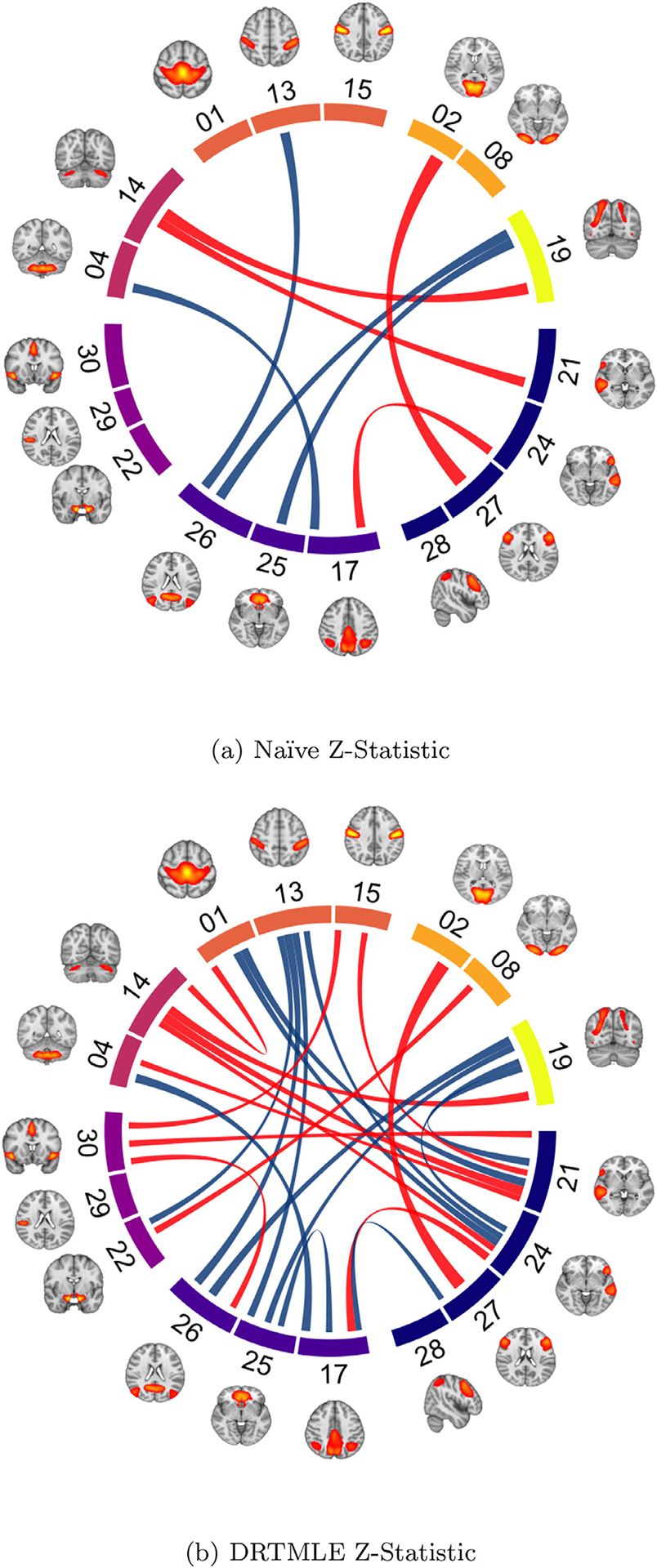
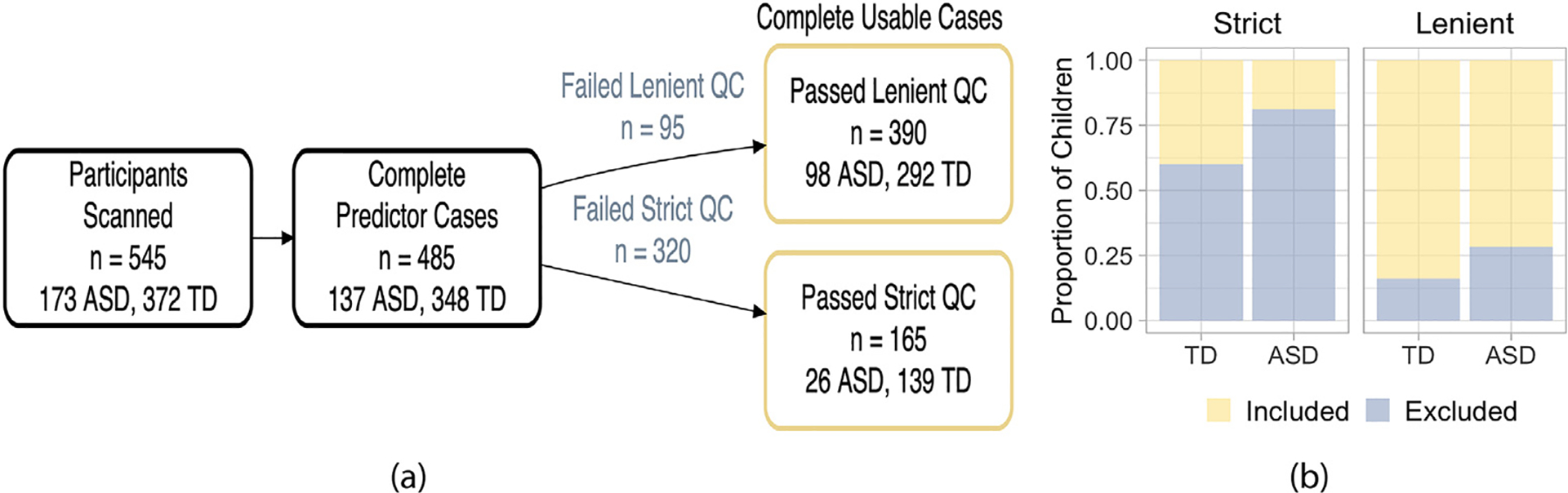
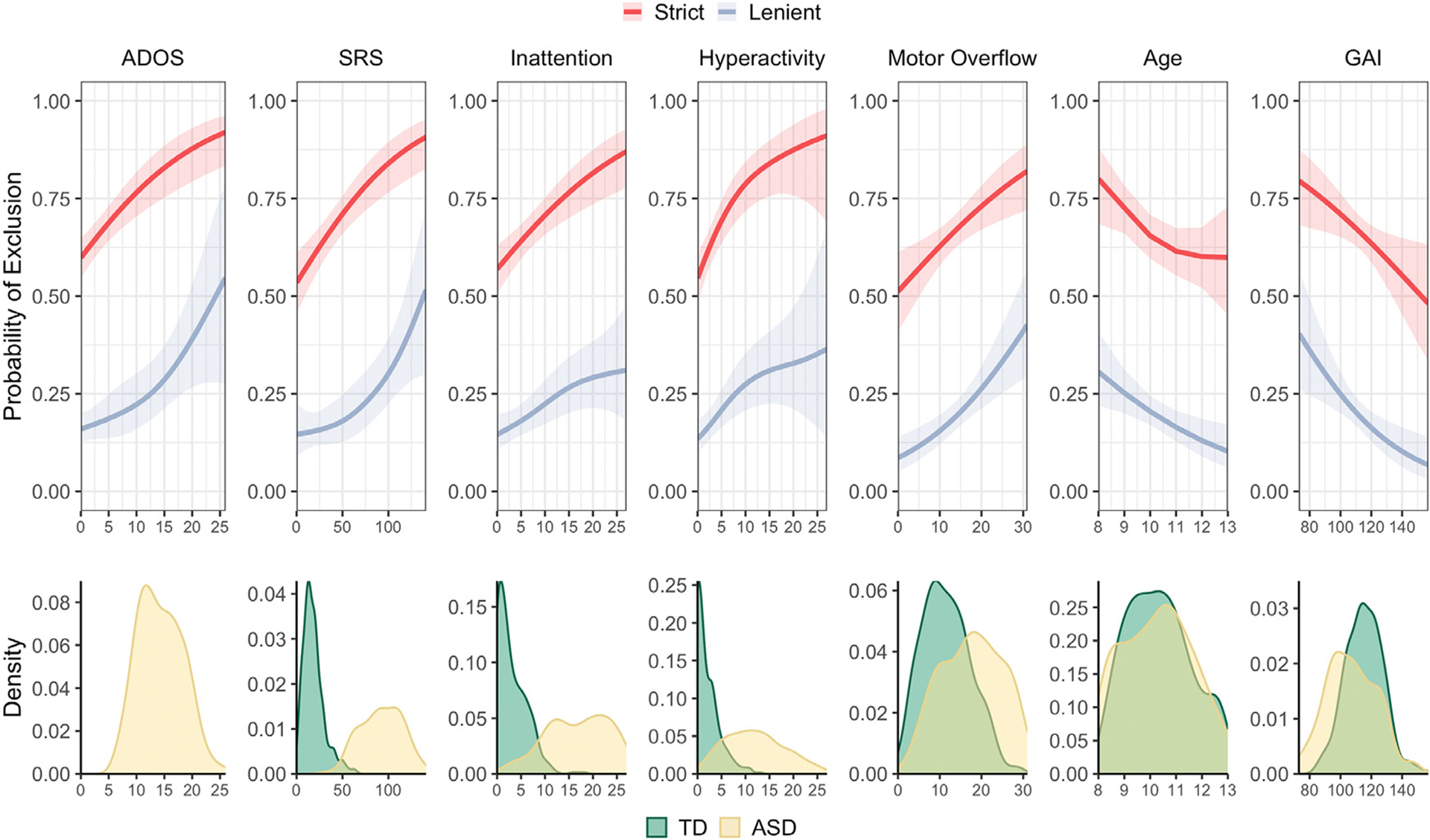
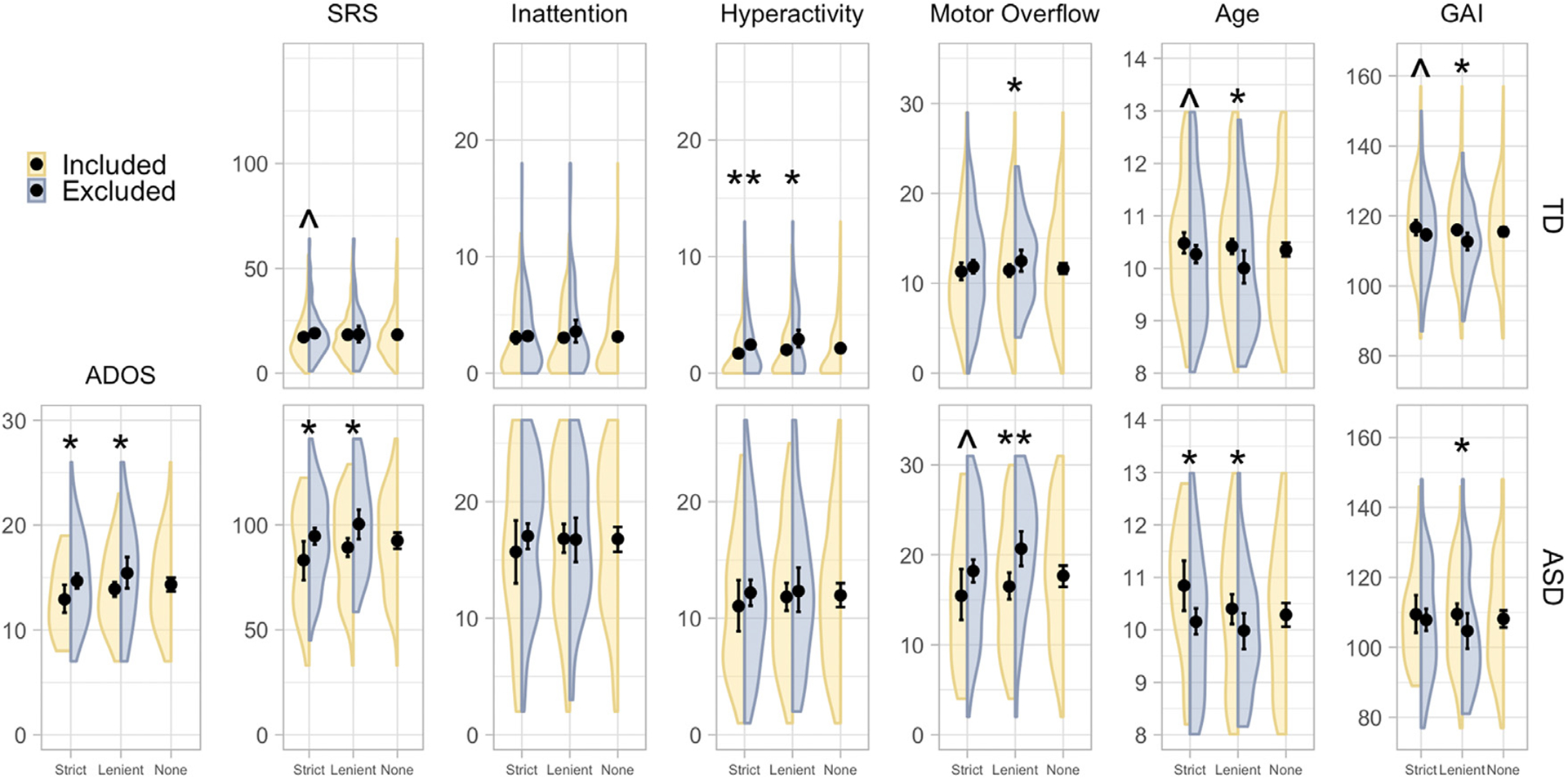
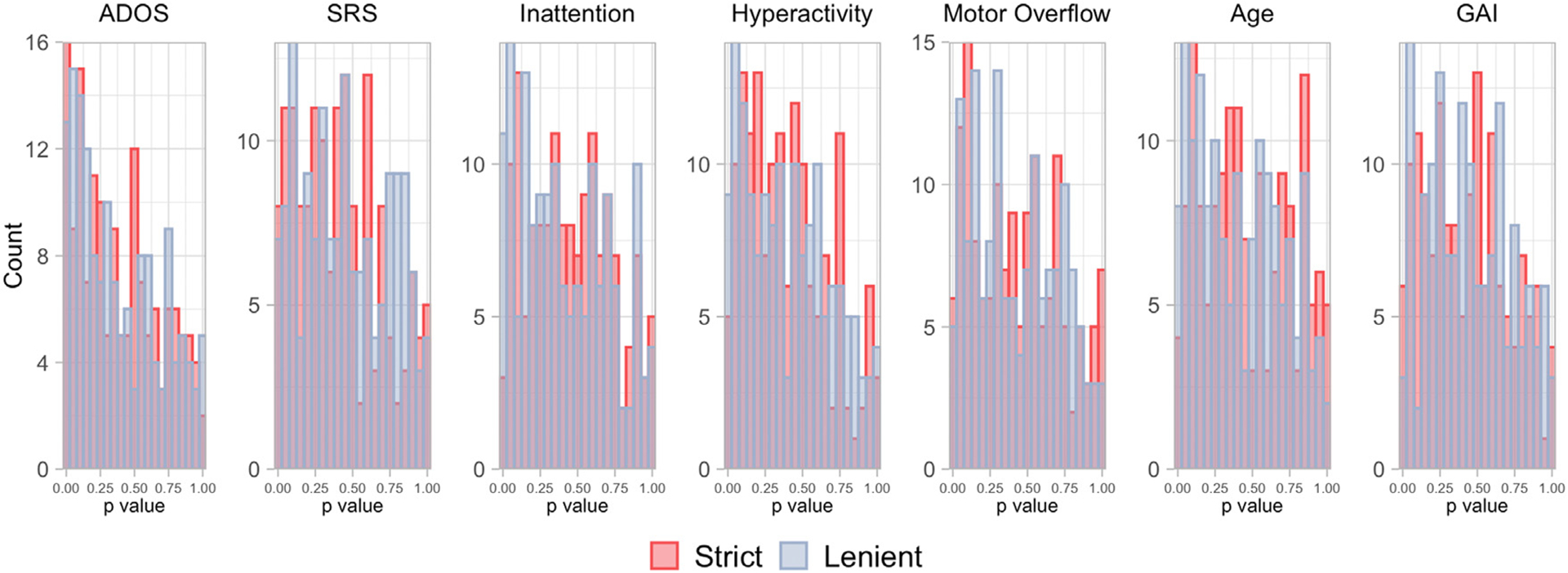
The exclusion of high-motion participants can reduce the impact of motion in functional Magnetic Resonance Imaging (fMRI) data. However, the exclusion of high-motion participants may change the distribution of clinically relevant variables in the study sample, and the resulting sample may not be representative of the population. Our goals are two-fold: 1) to document the biases introduced by common motion exclusion practices in functional connectivity research and 2) to introduce a framework to address these biases by treating excluded scans as a missing data problem. We use a study of autism spectrum disorder in children without an intellectual disability to illustrate the problem and the potential solution. We aggregated data from 545 children (8-13 years old) who participated in resting-state fMRI studies at Kennedy Krieger Institute (173 autistic and 372 typically developing) between 2007 and 2020. We found that autistic children were more likely to be excluded than typically developing children, with 28.5% and 16.1% of autistic and typically developing children excluded, respectively, using a lenient criterion and 81.0% and 60.1% with a stricter criterion. The resulting sample of autistic children with usable data tended to be older, have milder social deficits, better motor control, and higher intellectual ability than the original sample. These measures were also related to functional connectivity strength among children with usable data. This suggests that the generalizability of previous studies reporting naïve analyses (i.e., based only on participants with usable data) may be limited by the selection of older children with less severe clinical profiles because these children are better able to remain still during an rs-fMRI scan. We adapt doubly robust targeted minimum loss based estimation with an ensemble of machine learning algorithms to address these data losses and the resulting biases. The proposed approach selects more edges that differ in functional connectivity between autistic and typically developing children than the naïve approach, supporting this as a promising solution to improve the study of heterogeneous populations in which motion is common.
排除运动幅度较大的参与者可以降低功能磁共振成像 (fMRI) 数据中运动的影响。然而,排除运动幅度较大的参与者可能会改变研究样本中与临床相关的变量分布,且由此产生的样本可能无法代表总体人群。我们的目标有两个:1)记录在功能连接研究中常见的运动排除实践所引入的偏差,2)通过将排除的扫描视为缺失数据问题来引入解决这些偏差的框架。我们使用一项针对儿童自闭症谱系障碍的研究来说明这个问题和潜在的解决方案,该研究中的儿童没有智力障碍。我们汇总了 2007 年至 2020 年期间在肯尼迪克里格研究所参与静息态 fMRI 研究的 545 名儿童(173 名自闭症和 372 名正常发育)的数据(8-13 岁)。我们发现,与正常发育的儿童相比,自闭症儿童更有可能被排除在外,分别使用宽松标准和严格标准排除了 28.5%和 16.1%的自闭症儿童以及 81.0%和 60.1%的正常发育儿童。具有可用数据的自闭症儿童的最终样本往往年龄较大,社会功能缺陷较轻,运动控制能力更好,智力水平更高,而这些指标也与具有可用数据的儿童之间的功能连接强度相关。这表明,以前报道盲目分析(即仅基于具有可用数据的参与者)的研究的普遍性可能受到选择年龄较大、临床特征较轻的儿童的限制,因为这些儿童在 rs-fMRI 扫描过程中更能保持静止。我们采用基于机器学习算法的集合的双重稳健有偏最小二乘损失估计方法来解决这些数据缺失和由此产生的偏差。与盲目方法相比,所提出的方法选择了更多在自闭症和正常发育儿童之间功能连接不同的边缘,这支持了该方法作为改善常见运动的异质人群研究的有前途的解决方案。