Choi Jane Ru, Kozalak Gül, di Bari Ighli, Babar Quratulain, Niknam Zahra, Rasmi Yousef, Yong Kar Wey
Life Sciences Centre, University of British Columbia, 2350 Health Sciences Mall, Vancouver, BC V6T 1Z3, Canada.
Faculty of Engineering and Natural Sciences (FENS), Sabanci University, Istanbul 34956, Turkey.
Cancers (Basel). 2022 May 3;14(9):2284. doi: 10.3390/cancers14092284.
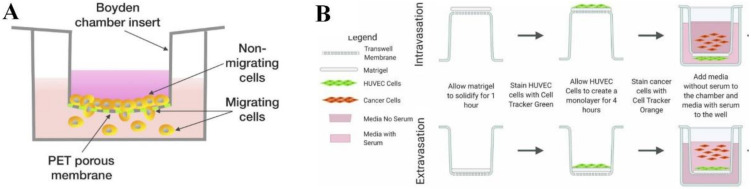
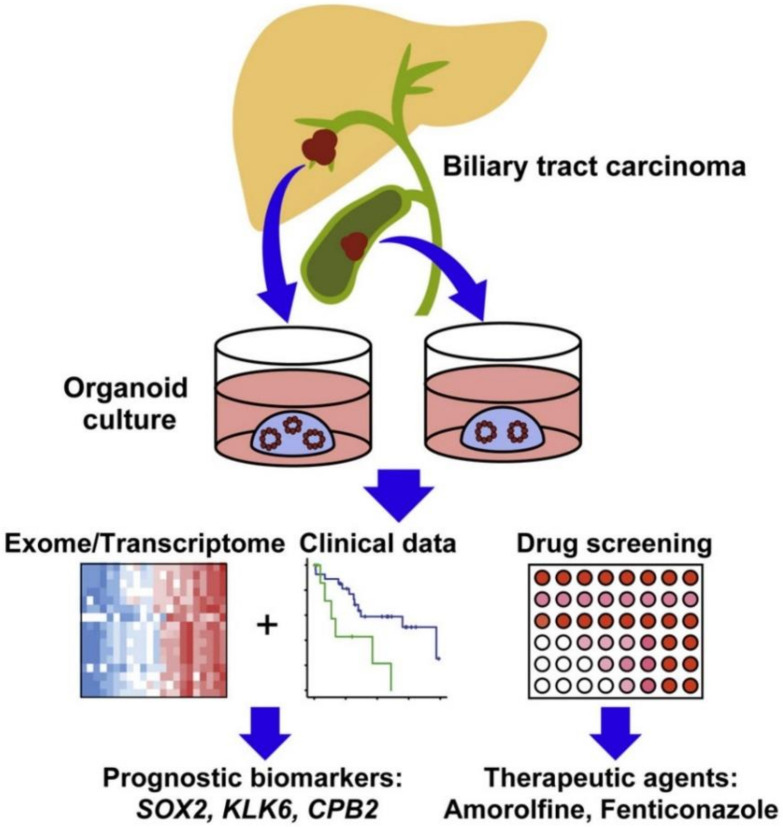
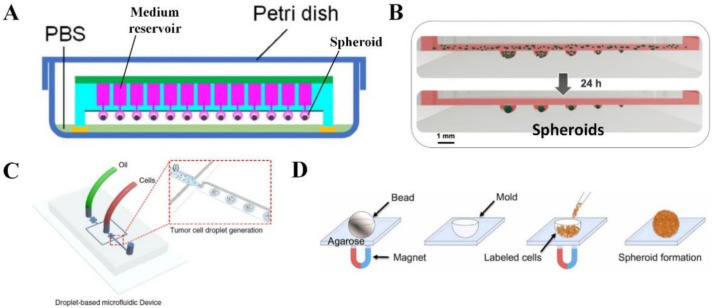
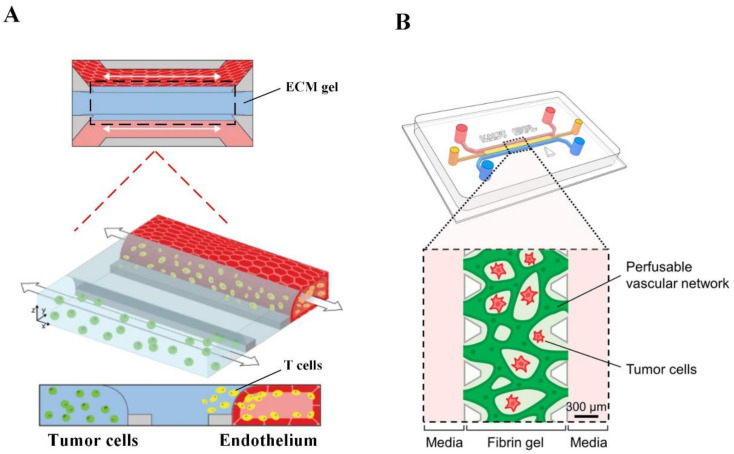
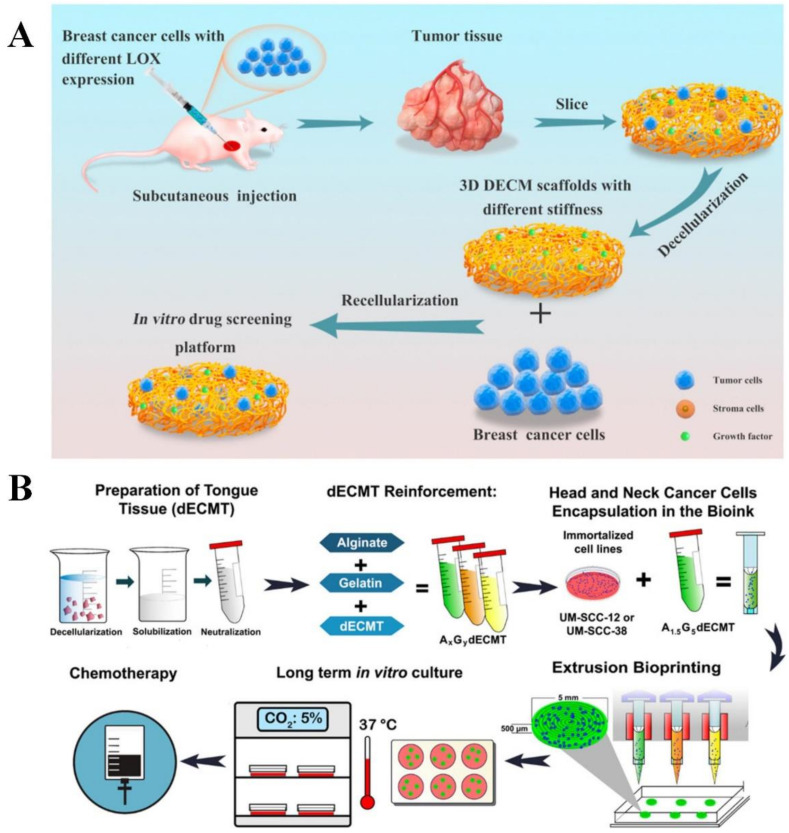
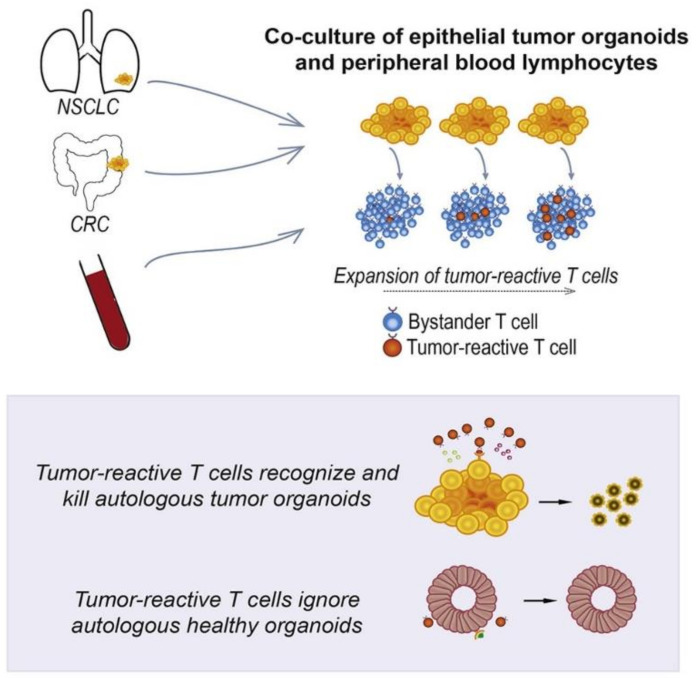
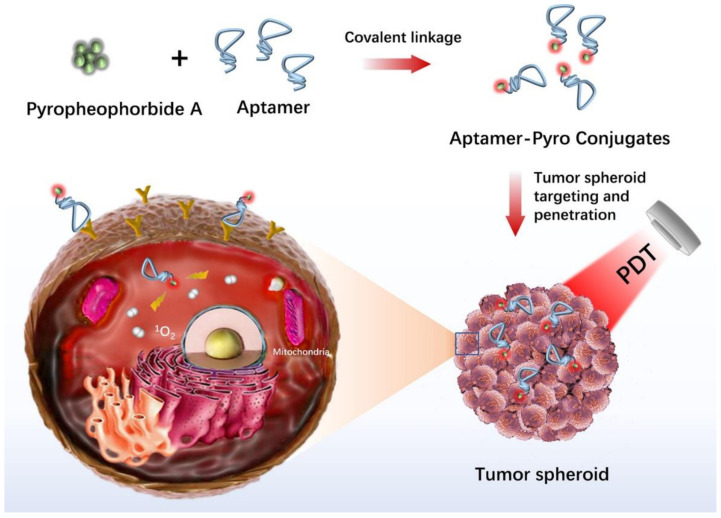
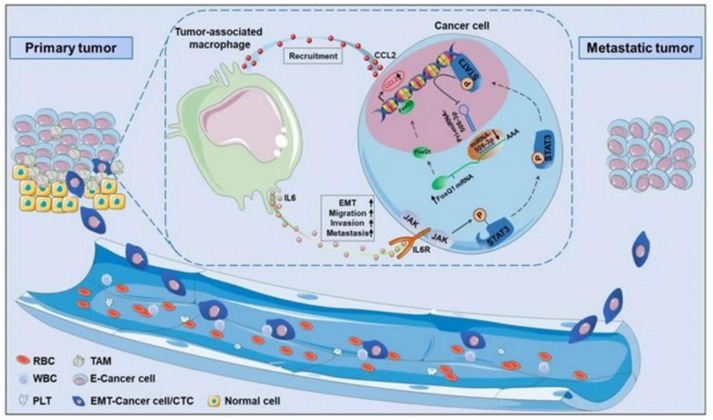
Cancer is one of the leading causes of death worldwide, and its incidence is steadily increasing. Although years of research have been conducted on cancer treatment, clinical treatment options for cancers are still limited. Animal cancer models have been widely used for studies of cancer therapeutics, but these models have been associated with many concerns, including inaccuracy in the representation of human cancers, high cost and ethical issues. Therefore, in vitro human cancer models are being developed quickly to fulfill the increasing demand for more relevant models in order to get a better knowledge of human cancers and to find novel treatments. This review summarizes the development of in vitro human cancer models for biomedical applications. We first review the latest development in the field by detailing various types of in vitro human cancer models, including transwell-based models, tumor spheroids, microfluidic tumor-microvascular systems and scaffold-based models. The advantages and limitations of each model, as well as their biomedical applications, are summarized, including therapeutic development, assessment of tumor cell migration, metastasis and invasion and discovery of key cancer markers. Finally, the existing challenges and future perspectives are briefly discussed.
癌症是全球主要死因之一,且其发病率在稳步上升。尽管多年来一直在进行癌症治疗方面的研究,但癌症的临床治疗选择仍然有限。动物癌症模型已被广泛用于癌症治疗研究,但这些模型存在诸多问题,包括不能准确反映人类癌症、成本高以及伦理问题。因此,为了满足对更相关模型日益增长的需求,以便更好地了解人类癌症并找到新的治疗方法,体外人类癌症模型正在迅速发展。这篇综述总结了用于生物医学应用的体外人类癌症模型的发展情况。我们首先通过详细介绍各种类型的体外人类癌症模型来回顾该领域的最新进展,包括基于Transwell的模型、肿瘤球体、微流控肿瘤 - 微血管系统和基于支架的模型。总结了每种模型的优缺点及其生物医学应用,包括治疗开发、肿瘤细胞迁移、转移和侵袭的评估以及关键癌症标志物的发现。最后,简要讨论了现有的挑战和未来的前景。