• 文献检索
  • 文档翻译
  • 深度研究
  • 学术资讯
  • Suppr Zotero 插件Zotero 插件
  • 邀请有礼
  • 套餐&价格
  • 历史记录
应用&插件
Suppr Zotero 插件Zotero 插件浏览器插件Mac 客户端Windows 客户端微信小程序
定价
高级版会员购买积分包购买API积分包
服务
文献检索文档翻译深度研究API 文档MCP 服务
关于我们
关于 Suppr公司介绍联系我们用户协议隐私条款
关注我们

Suppr 超能文献

核心技术专利:CN118964589B侵权必究
粤ICP备2023148730 号-1Suppr @ 2026

文献检索

告别复杂PubMed语法,用中文像聊天一样搜索,搜遍4000万医学文献。AI智能推荐,让科研检索更轻松。

立即免费搜索

文件翻译

保留排版,准确专业,支持PDF/Word/PPT等文件格式,支持 12+语言互译。

免费翻译文档

深度研究

AI帮你快速写综述,25分钟生成高质量综述,智能提取关键信息,辅助科研写作。

立即免费体验

基于非生物环(拟)肽的合成受体。

Synthetic Receptors Based on Abiotic Cyclo(pseudo)peptides.

机构信息

Fachbereich Chemie-Organische Chemie, Technische Universität Kaiserslautern, Erwin-Schrödinger-Str. 54, 67663 Kaiserslautern, Germany.

出版信息

Molecules. 2022 Apr 28;27(9):2821. doi: 10.3390/molecules27092821.

DOI:10.3390/molecules27092821
PMID:35566168
原文链接:https://pmc.ncbi.nlm.nih.gov/articles/PMC9103335/
Abstract

Work on the use of cyclic peptides or pseudopeptides as synthetic receptors started even before the field of supramolecular chemistry was firmly established. Research initially focused on the development of synthetic ionophores and involved the use of macrocycles with a repeating sequence of subunits along the ring to facilitate the correlation between structure, conformation, and binding properties. Later, nonnatural amino acids as building blocks were also considered. With growing research in this area, cyclopeptides and related macrocycles developed into an important and structurally diverse receptor family. This review provides an overview of these developments, starting from the early years. The presented systems are classified according to characteristic structural elements present along the ring. Wherever possible, structural aspects are correlated with binding properties to illustrate how natural or nonnatural amino acids affect binding properties.

摘要

对环状肽或拟肽作为合成受体的研究早在超分子化学领域确立之前就已经开始了。研究最初集中在合成离子载体的开发上,涉及使用具有沿环重复亚基序列的大环来促进结构、构象和结合特性之间的相关性。后来,也考虑了作为构建块的非天然氨基酸。随着该领域研究的不断深入,环肽和相关的大环发展成为一个重要的、结构多样的受体家族。这篇综述从早期开始概述了这些发展。所呈现的系统根据环上存在的特征结构元件进行分类。只要有可能,就将结构方面与结合特性相关联,以说明天然或非天然氨基酸如何影响结合特性。
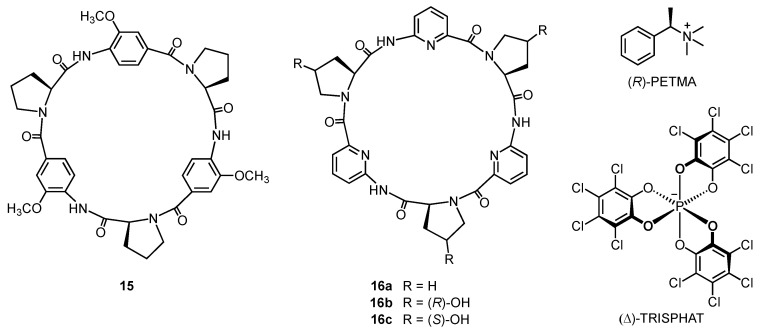
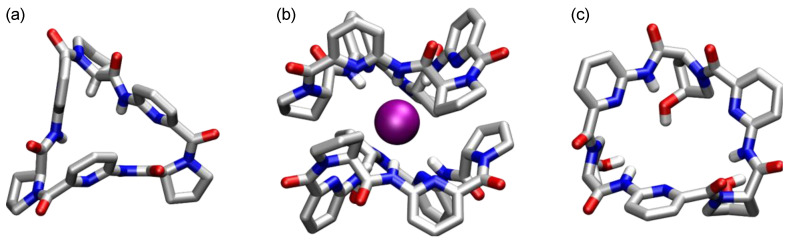
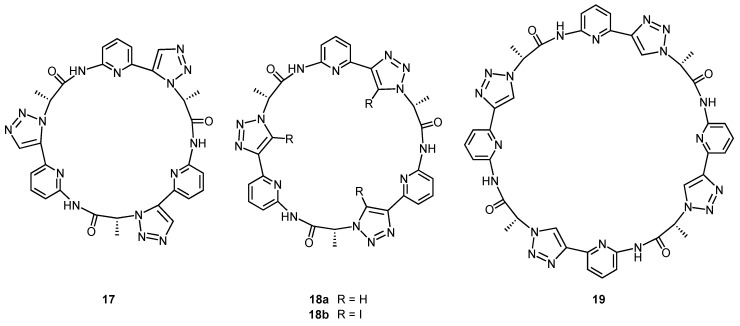
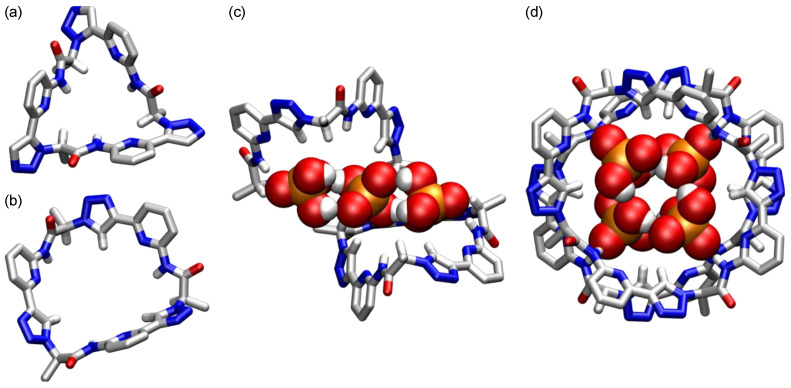
https://cdn.ncbi.nlm.nih.gov/pmc/blobs/5673/9103335/ead3c975d007/molecules-27-02821-g020.jpg
https://cdn.ncbi.nlm.nih.gov/pmc/blobs/5673/9103335/a68eaef8fbcc/molecules-27-02821-sch001.jpg
https://cdn.ncbi.nlm.nih.gov/pmc/blobs/5673/9103335/1a0a8df77430/molecules-27-02821-g001.jpg
https://cdn.ncbi.nlm.nih.gov/pmc/blobs/5673/9103335/789edd8bd4de/molecules-27-02821-g002.jpg
https://cdn.ncbi.nlm.nih.gov/pmc/blobs/5673/9103335/2642e4e0af51/molecules-27-02821-sch002.jpg
https://cdn.ncbi.nlm.nih.gov/pmc/blobs/5673/9103335/be2e94e73f36/molecules-27-02821-g003.jpg
https://cdn.ncbi.nlm.nih.gov/pmc/blobs/5673/9103335/168628335fa1/molecules-27-02821-g004.jpg
https://cdn.ncbi.nlm.nih.gov/pmc/blobs/5673/9103335/5b47b9b2c58f/molecules-27-02821-sch003.jpg
https://cdn.ncbi.nlm.nih.gov/pmc/blobs/5673/9103335/53b54ab8d0b0/molecules-27-02821-g005.jpg
https://cdn.ncbi.nlm.nih.gov/pmc/blobs/5673/9103335/30bfa7577c71/molecules-27-02821-sch004.jpg
https://cdn.ncbi.nlm.nih.gov/pmc/blobs/5673/9103335/6fdb7cd92e7c/molecules-27-02821-g006.jpg
https://cdn.ncbi.nlm.nih.gov/pmc/blobs/5673/9103335/79c57de0dc74/molecules-27-02821-g007.jpg
https://cdn.ncbi.nlm.nih.gov/pmc/blobs/5673/9103335/44b70ab456cf/molecules-27-02821-g008.jpg
https://cdn.ncbi.nlm.nih.gov/pmc/blobs/5673/9103335/6b5cf1573d28/molecules-27-02821-sch005.jpg
https://cdn.ncbi.nlm.nih.gov/pmc/blobs/5673/9103335/695338d35920/molecules-27-02821-g009.jpg
https://cdn.ncbi.nlm.nih.gov/pmc/blobs/5673/9103335/734a4a55cad5/molecules-27-02821-sch006.jpg
https://cdn.ncbi.nlm.nih.gov/pmc/blobs/5673/9103335/7b679e92b4a4/molecules-27-02821-g010.jpg
https://cdn.ncbi.nlm.nih.gov/pmc/blobs/5673/9103335/57c0d5f12928/molecules-27-02821-g011.jpg
https://cdn.ncbi.nlm.nih.gov/pmc/blobs/5673/9103335/57f2deeb3c2a/molecules-27-02821-sch007.jpg
https://cdn.ncbi.nlm.nih.gov/pmc/blobs/5673/9103335/366a07877c08/molecules-27-02821-g012.jpg
https://cdn.ncbi.nlm.nih.gov/pmc/blobs/5673/9103335/b6b242a6a117/molecules-27-02821-g013.jpg
https://cdn.ncbi.nlm.nih.gov/pmc/blobs/5673/9103335/583cc9f427c1/molecules-27-02821-g014.jpg
https://cdn.ncbi.nlm.nih.gov/pmc/blobs/5673/9103335/58cd84c177df/molecules-27-02821-g015.jpg
https://cdn.ncbi.nlm.nih.gov/pmc/blobs/5673/9103335/2941a7bf7a7d/molecules-27-02821-sch008.jpg
https://cdn.ncbi.nlm.nih.gov/pmc/blobs/5673/9103335/4bc44730e177/molecules-27-02821-g016.jpg
https://cdn.ncbi.nlm.nih.gov/pmc/blobs/5673/9103335/3cceb9e93a7e/molecules-27-02821-g017.jpg
https://cdn.ncbi.nlm.nih.gov/pmc/blobs/5673/9103335/4d02bbd21d7e/molecules-27-02821-sch009.jpg
https://cdn.ncbi.nlm.nih.gov/pmc/blobs/5673/9103335/3eda1d68deb5/molecules-27-02821-sch010.jpg
https://cdn.ncbi.nlm.nih.gov/pmc/blobs/5673/9103335/eb6d3e799d8c/molecules-27-02821-sch011.jpg
https://cdn.ncbi.nlm.nih.gov/pmc/blobs/5673/9103335/4a1d86785be5/molecules-27-02821-g018.jpg
https://cdn.ncbi.nlm.nih.gov/pmc/blobs/5673/9103335/266d305d8a33/molecules-27-02821-g019.jpg
https://cdn.ncbi.nlm.nih.gov/pmc/blobs/5673/9103335/b1bbba6b7b26/molecules-27-02821-sch012.jpg
https://cdn.ncbi.nlm.nih.gov/pmc/blobs/5673/9103335/ead3c975d007/molecules-27-02821-g020.jpg
https://cdn.ncbi.nlm.nih.gov/pmc/blobs/5673/9103335/a68eaef8fbcc/molecules-27-02821-sch001.jpg
https://cdn.ncbi.nlm.nih.gov/pmc/blobs/5673/9103335/1a0a8df77430/molecules-27-02821-g001.jpg
https://cdn.ncbi.nlm.nih.gov/pmc/blobs/5673/9103335/789edd8bd4de/molecules-27-02821-g002.jpg
https://cdn.ncbi.nlm.nih.gov/pmc/blobs/5673/9103335/2642e4e0af51/molecules-27-02821-sch002.jpg
https://cdn.ncbi.nlm.nih.gov/pmc/blobs/5673/9103335/be2e94e73f36/molecules-27-02821-g003.jpg
https://cdn.ncbi.nlm.nih.gov/pmc/blobs/5673/9103335/168628335fa1/molecules-27-02821-g004.jpg
https://cdn.ncbi.nlm.nih.gov/pmc/blobs/5673/9103335/5b47b9b2c58f/molecules-27-02821-sch003.jpg
https://cdn.ncbi.nlm.nih.gov/pmc/blobs/5673/9103335/53b54ab8d0b0/molecules-27-02821-g005.jpg
https://cdn.ncbi.nlm.nih.gov/pmc/blobs/5673/9103335/30bfa7577c71/molecules-27-02821-sch004.jpg
https://cdn.ncbi.nlm.nih.gov/pmc/blobs/5673/9103335/6fdb7cd92e7c/molecules-27-02821-g006.jpg
https://cdn.ncbi.nlm.nih.gov/pmc/blobs/5673/9103335/79c57de0dc74/molecules-27-02821-g007.jpg
https://cdn.ncbi.nlm.nih.gov/pmc/blobs/5673/9103335/44b70ab456cf/molecules-27-02821-g008.jpg
https://cdn.ncbi.nlm.nih.gov/pmc/blobs/5673/9103335/6b5cf1573d28/molecules-27-02821-sch005.jpg
https://cdn.ncbi.nlm.nih.gov/pmc/blobs/5673/9103335/695338d35920/molecules-27-02821-g009.jpg
https://cdn.ncbi.nlm.nih.gov/pmc/blobs/5673/9103335/734a4a55cad5/molecules-27-02821-sch006.jpg
https://cdn.ncbi.nlm.nih.gov/pmc/blobs/5673/9103335/7b679e92b4a4/molecules-27-02821-g010.jpg
https://cdn.ncbi.nlm.nih.gov/pmc/blobs/5673/9103335/57c0d5f12928/molecules-27-02821-g011.jpg
https://cdn.ncbi.nlm.nih.gov/pmc/blobs/5673/9103335/57f2deeb3c2a/molecules-27-02821-sch007.jpg
https://cdn.ncbi.nlm.nih.gov/pmc/blobs/5673/9103335/366a07877c08/molecules-27-02821-g012.jpg
https://cdn.ncbi.nlm.nih.gov/pmc/blobs/5673/9103335/b6b242a6a117/molecules-27-02821-g013.jpg
https://cdn.ncbi.nlm.nih.gov/pmc/blobs/5673/9103335/583cc9f427c1/molecules-27-02821-g014.jpg
https://cdn.ncbi.nlm.nih.gov/pmc/blobs/5673/9103335/58cd84c177df/molecules-27-02821-g015.jpg
https://cdn.ncbi.nlm.nih.gov/pmc/blobs/5673/9103335/2941a7bf7a7d/molecules-27-02821-sch008.jpg
https://cdn.ncbi.nlm.nih.gov/pmc/blobs/5673/9103335/4bc44730e177/molecules-27-02821-g016.jpg
https://cdn.ncbi.nlm.nih.gov/pmc/blobs/5673/9103335/3cceb9e93a7e/molecules-27-02821-g017.jpg
https://cdn.ncbi.nlm.nih.gov/pmc/blobs/5673/9103335/4d02bbd21d7e/molecules-27-02821-sch009.jpg
https://cdn.ncbi.nlm.nih.gov/pmc/blobs/5673/9103335/3eda1d68deb5/molecules-27-02821-sch010.jpg
https://cdn.ncbi.nlm.nih.gov/pmc/blobs/5673/9103335/eb6d3e799d8c/molecules-27-02821-sch011.jpg
https://cdn.ncbi.nlm.nih.gov/pmc/blobs/5673/9103335/4a1d86785be5/molecules-27-02821-g018.jpg
https://cdn.ncbi.nlm.nih.gov/pmc/blobs/5673/9103335/266d305d8a33/molecules-27-02821-g019.jpg
https://cdn.ncbi.nlm.nih.gov/pmc/blobs/5673/9103335/b1bbba6b7b26/molecules-27-02821-sch012.jpg
https://cdn.ncbi.nlm.nih.gov/pmc/blobs/5673/9103335/ead3c975d007/molecules-27-02821-g020.jpg

相似文献

1
Synthetic Receptors Based on Abiotic Cyclo(pseudo)peptides.基于非生物环(拟)肽的合成受体。
Molecules. 2022 Apr 28;27(9):2821. doi: 10.3390/molecules27092821.
2
Anion Recognition in Aqueous Media by Cyclopeptides and Other Synthetic Receptors.环肽和其他合成受体在水介质中的阴离子识别。
Acc Chem Res. 2017 Nov 21;50(11):2870-2878. doi: 10.1021/acs.accounts.7b00458. Epub 2017 Nov 10.
3
Selective Recognition of Amino Acids and Peptides by Small Supramolecular Receptors.小分子超分子受体对氨基酸和肽的选择性识别。
Molecules. 2020 Dec 28;26(1):106. doi: 10.3390/molecules26010106.
4
Macromolecular crowding: chemistry and physics meet biology (Ascona, Switzerland, 10-14 June 2012).大分子拥挤现象:化学与物理邂逅生物学(瑞士阿斯科纳,2012年6月10日至14日)
Phys Biol. 2013 Aug;10(4):040301. doi: 10.1088/1478-3975/10/4/040301. Epub 2013 Aug 2.
5
Design and synthesis of biologically active peptides: a 'tail' of amino acids can modulate activity of synthetic cyclic peptides.生物活性肽的设计与合成:氨基酸“尾巴”可调节合成环肽的活性。
Peptides. 2011 Dec;32(12):2504-10. doi: 10.1016/j.peptides.2011.10.007. Epub 2011 Oct 12.
6
Cu(II) coordination chemistry of patellamide derivatives: possible biological functions of cyclic pseudopeptides.盘菌胺衍生物的 Cu(II) 配位化学:环状拟肽的可能生物学功能。
Chemistry. 2012 Feb 27;18(9):2578-90. doi: 10.1002/chem.201101975. Epub 2012 Jan 20.
7
Selectivity Modulation and Structure of α/aza-β Cyclic Antimicrobial Peptides.α/氮杂-β 环抗菌肽的选择性调制与结构。
Chemistry. 2018 Apr 20;24(23):6191-6201. doi: 10.1002/chem.201800152. Epub 2018 Mar 26.
8
Carbohydrates in peptide and protein design.肽与蛋白质设计中的碳水化合物
Biopolymers. 2005;80(6):747-61. doi: 10.1002/bip.20300.
9
Synthesis of Cyclic Peptide Mimetics by the Successive Ring Expansion of Lactams.通过内酰胺的连续扩环合成环肽模拟物。
Chemistry. 2017 Sep 27;23(54):13314-13318. doi: 10.1002/chem.201703316. Epub 2017 Aug 9.
10
Chemical Synthesis of Bioactive Naturally Derived Cyclic Peptides Containing Ene-Like Rigidifying Motifs.含烯似刚性结构的生物活性天然衍生环肽的化学合成。
Chemistry. 2018 Dec 5;24(68):17869-17880. doi: 10.1002/chem.201802533. Epub 2018 Oct 18.

引用本文的文献

1
Structure-Activity Relationship of Synthetic Linear KTS-Peptides Containing Meta-Aminobenzoic Acid as Antagonists of α1β1 Integrin with Anti-Angiogenic and Melanoma Anti-Tumor Activities.含间氨基苯甲酸的合成线性KTS肽作为α1β1整合素拮抗剂的构效关系及其抗血管生成和黑色素瘤抗肿瘤活性
Pharmaceuticals (Basel). 2024 Apr 24;17(5):549. doi: 10.3390/ph17050549.
2
Anion-Binding Properties of Short Linear Homopeptides.短线性同聚肽的阴离子结合特性。
Int J Mol Sci. 2024 May 11;25(10):5235. doi: 10.3390/ijms25105235.

本文引用的文献

1
Molecular cages for biological applications.用于生物应用的分子笼。
Org Biomol Chem. 2021 Nov 18;19(44):9527-9540. doi: 10.1039/d1ob01737c.
2
Molecular Self-Assembly and Supramolecular Chemistry of Cyclic Peptides.环状肽的分子自组装和超分子化学。
Chem Rev. 2021 Nov 24;121(22):13936-13995. doi: 10.1021/acs.chemrev.0c01291. Epub 2021 May 3.
3
Strategies for Fine-Tuning the Conformations of Cyclic Peptides.环肽构象的精细调整策略。
Chem Rev. 2020 Sep 9;120(17):9743-9789. doi: 10.1021/acs.chemrev.0c00013. Epub 2020 Aug 5.
4
Anion Binding of a Cyclopeptide-Derived Molecular Cage in Aqueous Solvent Mixtures.环肽衍生分子笼在水溶剂混合物中的阴离子结合。
Chempluschem. 2020 May;85(5):963-969. doi: 10.1002/cplu.202000255.
5
Highly Selective Anion Template Effect in the Synthesis of Constrained Pseudopeptidic Macrocyclic Cyclophanes.高选择性阴离子模板效应对约束性拟肽大环环芳的合成。
J Org Chem. 2020 Jan 17;85(2):1138-1145. doi: 10.1021/acs.joc.9b03048. Epub 2020 Jan 3.
6
Heterofunctionalized Cavitands by Macrocyclization of Sequence-Defined Foldamers.通过序列定义的折叠物的大环化作用实现杂功能化的主体。
Org Lett. 2019 Oct 4;21(19):7763-7767. doi: 10.1021/acs.orglett.9b02708. Epub 2019 Sep 19.
7
Effects of Solvent Properties on the Anion Binding of Neutral Water-Soluble Bis(cyclopeptides) in Water and Aqueous Solvent Mixtures.溶剂性质对中性水溶性双(环肽)在水和水性溶剂混合物中阴离子结合的影响。
ACS Omega. 2017 Jul 17;2(7):3669-3680. doi: 10.1021/acsomega.7b00867. eCollection 2017 Jul 31.
8
Heteroaryl Rings in Peptide Macrocycles.杂芳环在肽大环中的应用。
Chem Rev. 2019 Sep 11;119(17):10032-10240. doi: 10.1021/acs.chemrev.8b00789. Epub 2019 Jun 3.
9
Cation-Induced Molecular Switching Based on Reversible Modulation of Peptoid Conformational States.基于肽单元构象态可逆调节的离子诱导分子开关。
J Org Chem. 2018 Oct 19;83(20):12648-12663. doi: 10.1021/acs.joc.8b01990. Epub 2018 Oct 1.
10
Identification and Isolation of a Receptor for N-Methyl Alkylammonium Salts: Molecular Amplification in a Pseudo-peptide Dynamic Combinatorial Library.N-甲基烷基铵盐受体的鉴定与分离:在伪肽动态组合库中的分子放大
Angew Chem Int Ed Engl. 2001 Jan 19;40(2):423-428. doi: 10.1002/1521-3773(20010119)40:2<423::AID-ANIE423>3.0.CO;2-6.