D'Souza Sharon, Shetty Rohit, Nair Archana Padmanabhan, Agrawal Ruchika, Dickman Mor M, Khamar Pooja, Nuijts Rudy M M A, Ghosh Arkasubhra, Sethu Swaminathan
Department of Cornea and Refractive Surgery, Narayana Nethralaya, Bangalore 560010, India.
GROW Research Laboratory, Narayana Nethralaya Foundation, Bangalore 560099, India.
J Clin Med. 2022 Apr 25;11(9):2407. doi: 10.3390/jcm11092407.
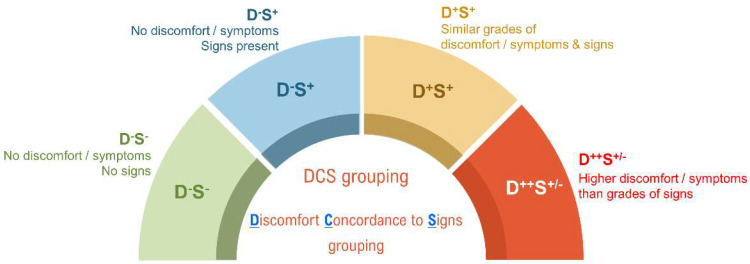
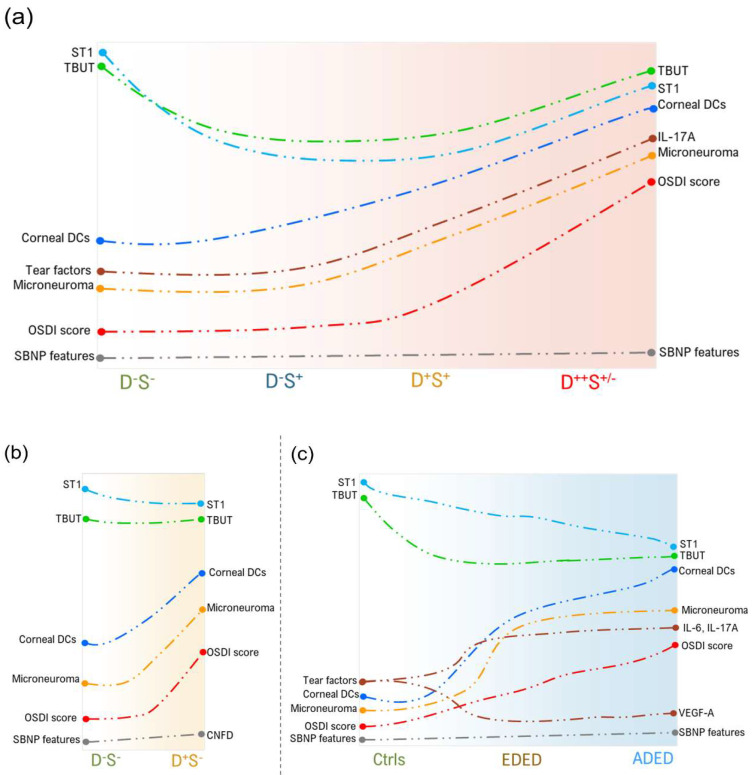
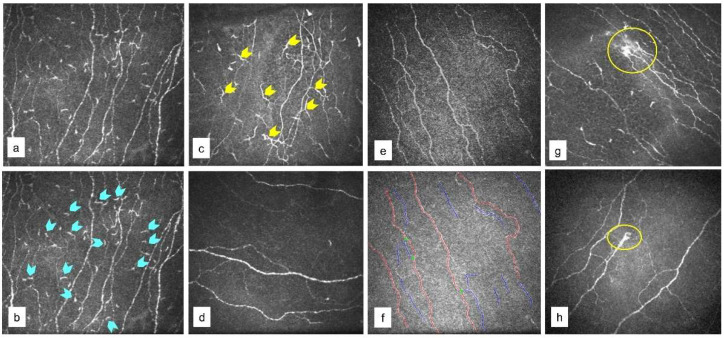
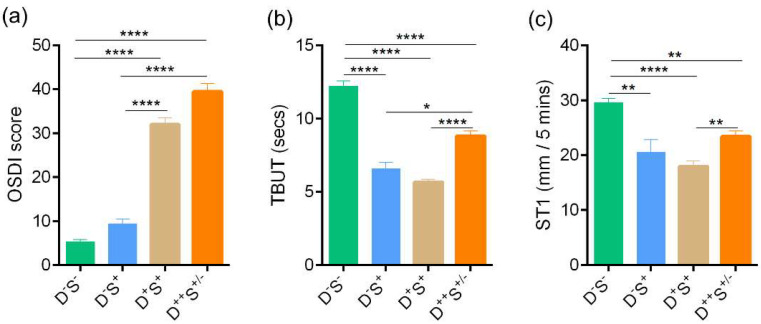
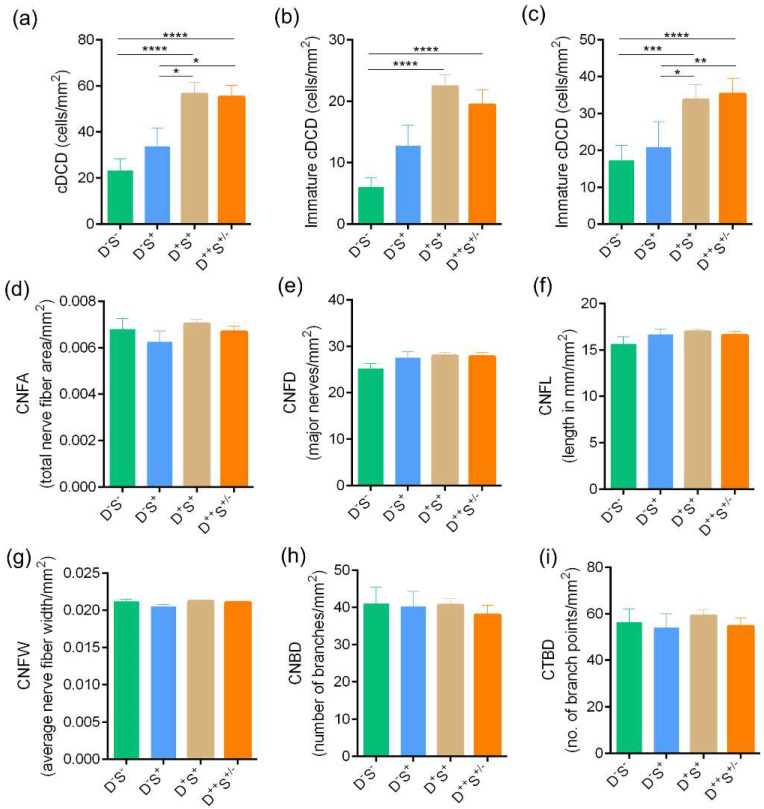
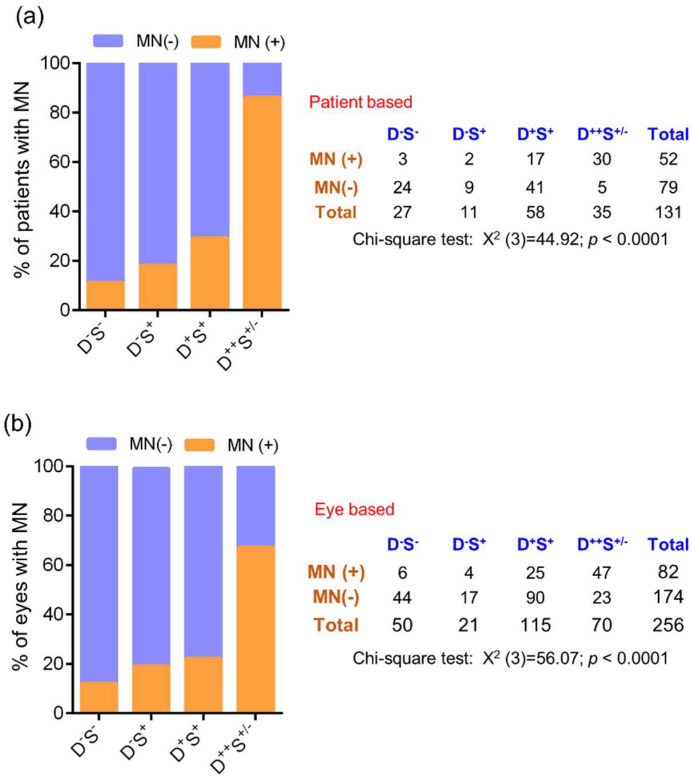
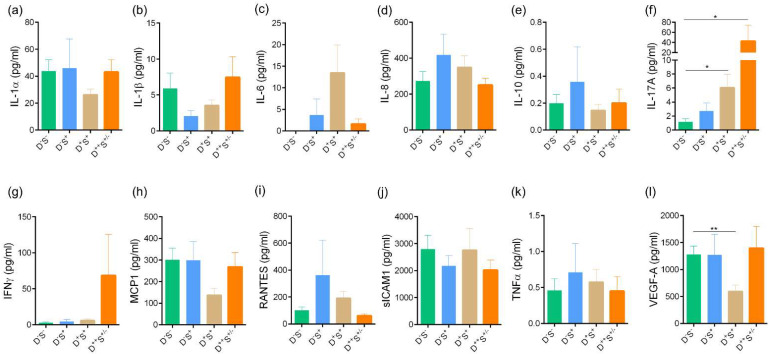
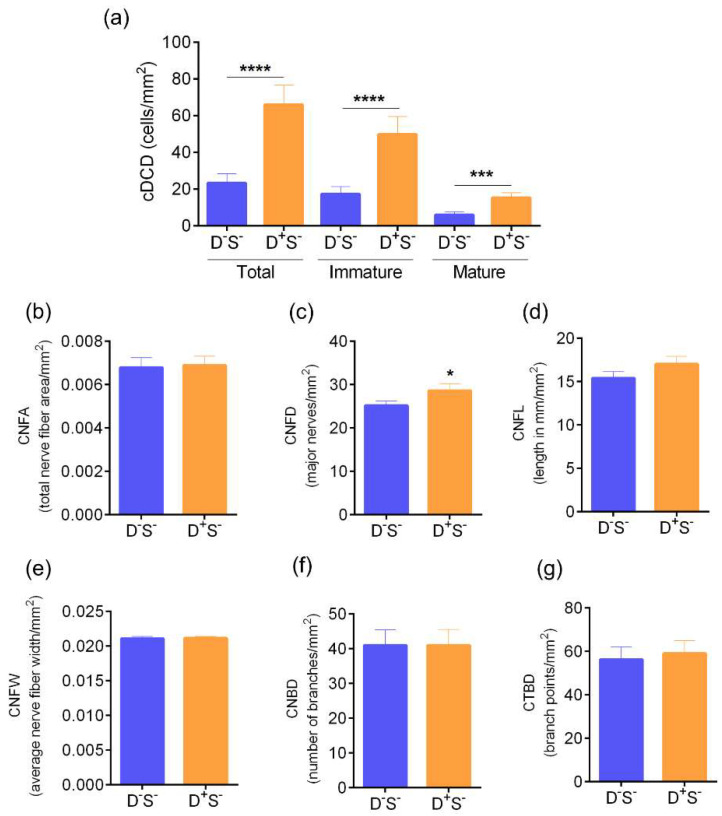
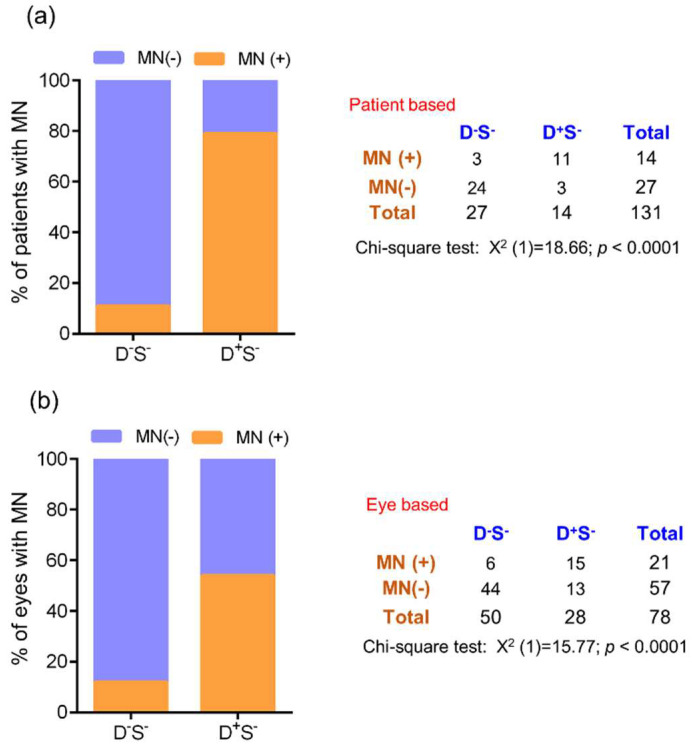
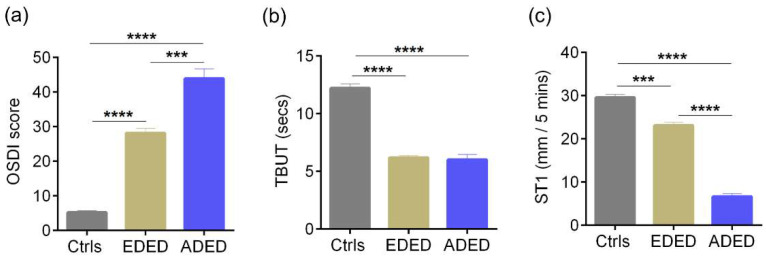
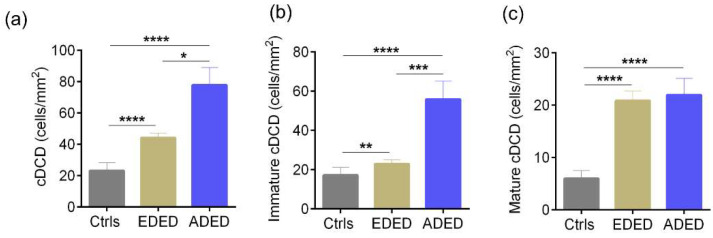
Various ocular surface conditions such as dry eye disease can present with severe discomfort and pain. However, it is clinically challenging to establish etiology and prescribe correct treatment in patients who have a lot of discordance between symptoms and signs. To understand the basis of such discordance, we stratified subjects with ocular surface pain based on concordance between the severity of signs and symptoms and evaluated corneal structural features and tear molecular factors. All subjects underwent slit lamp examination, dry eye evaluation, and ocular surface disease index (OSDI) scoring. Subjects were stratified into group 1—without symptoms or clinical signs; group 2—without symptoms but with signs; group 3—with similar severity of symptoms and signs; and group 4—with symptom severity greater than that of the signs. Laser scanning in vivo confocal microscopy (IVCM) and tear fluid analysis for soluble factors by multiplex ELISA was performed for all subjects. Patients with a higher grade of symptoms and signs showed increased corneal dendritic cell (cDC) density (p < 0.05) which was more pronounced in subjects with discordance between the symptoms and signs (group 4). A significantly higher proportion of microneuroma-like structures and cDC were observed in group 4. IL-17A levels were significantly elevated in the tears of subjects with more discomfort. Our results demonstrate that corneal IVCM and the measurement of tear film factors can help clinicians improve diagnosis and treatment choice. Stratifying patients with ocular surface discomfort on the basis of discordance between symptoms and clinical signs may help identify patients who need additional adjunctive targeted therapy to resolve their condition.
各种眼表疾病,如干眼症,可导致严重不适和疼痛。然而,对于症状与体征之间存在诸多不一致的患者,临床上要确定病因并开出正确的治疗方案具有挑战性。为了解这种不一致的原因,我们根据体征和症状的严重程度一致性,对眼表疼痛的受试者进行分层,并评估角膜结构特征和泪液分子因素。所有受试者均接受裂隙灯检查、干眼评估和眼表疾病指数(OSDI)评分。受试者被分为1组——无症状或临床体征;2组——无症状但有体征;3组——症状和体征严重程度相似;4组——症状严重程度大于体征。对所有受试者进行了激光扫描活体共聚焦显微镜检查(IVCM)和通过多重ELISA对泪液中的可溶性因子进行分析。症状和体征分级较高的患者角膜树突状细胞(cDC)密度增加(p < 0.05),在症状与体征不一致的受试者(4组)中更为明显。在4组中观察到微神经瘤样结构和cDC的比例显著更高。不适程度较高的受试者泪液中IL-17A水平显著升高。我们的结果表明,角膜IVCM和泪膜因子的测量可以帮助临床医生改善诊断和治疗选择。根据症状与临床体征之间的不一致对眼表不适患者进行分层,可能有助于识别需要额外辅助靶向治疗来解决其病情的患者。