Ledinski Maja, Marić Ivan, Peharec Štefanić Petra, Ladan Iva, Caput Mihalić Katarina, Jurkin Tanja, Gotić Marijan, Urlić Inga
Faculty of Science, Division of Molecular Biology, Department of Biology, University of Zagreb, 10 000 Zagreb, Croatia.
Division of Materials Chemistry, Radiation Chemistry and Dosimetry Laboratory, Ruđer Bošković Institute, 10 000 Zagreb, Croatia.
Polymers (Basel). 2022 Apr 26;14(9):1751. doi: 10.3390/polym14091751.
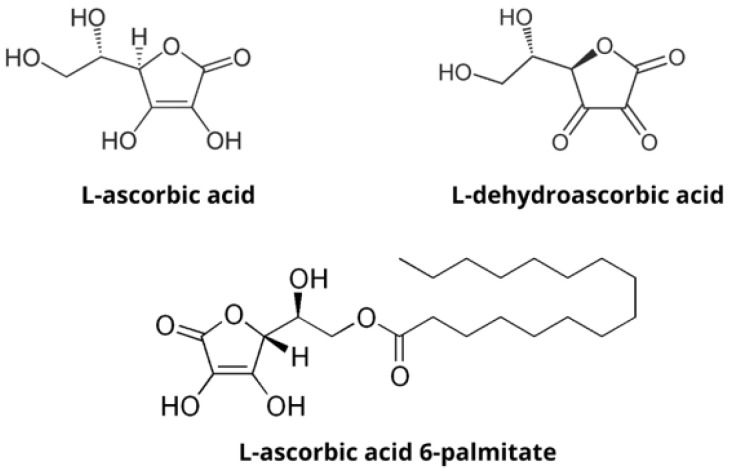
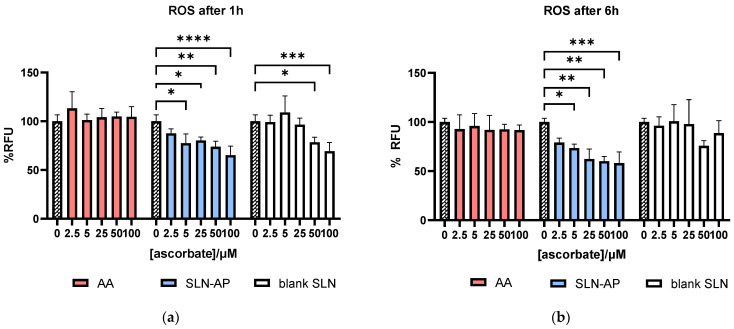
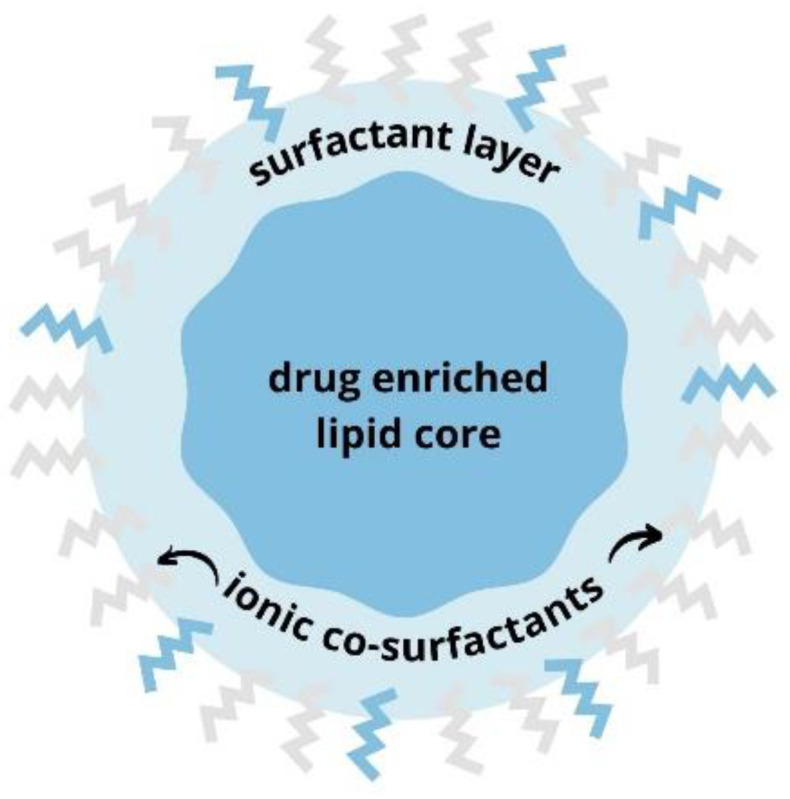
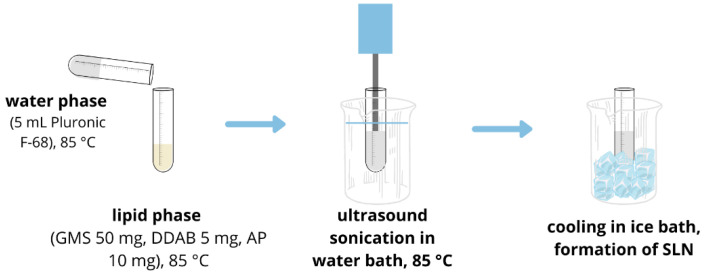
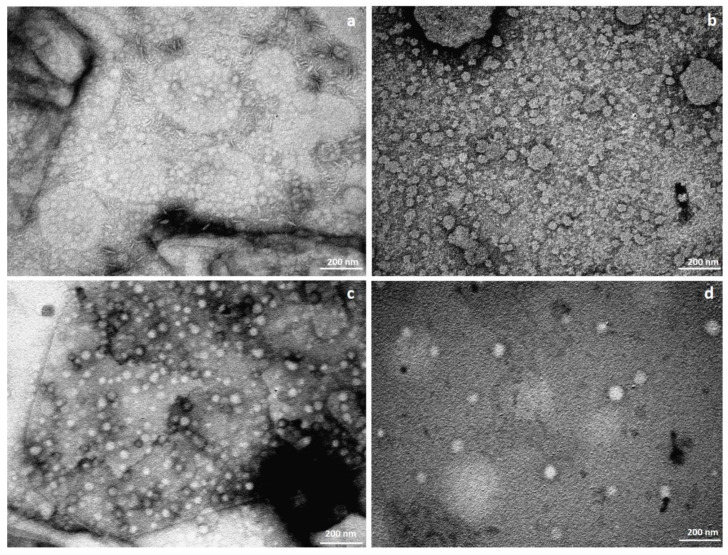
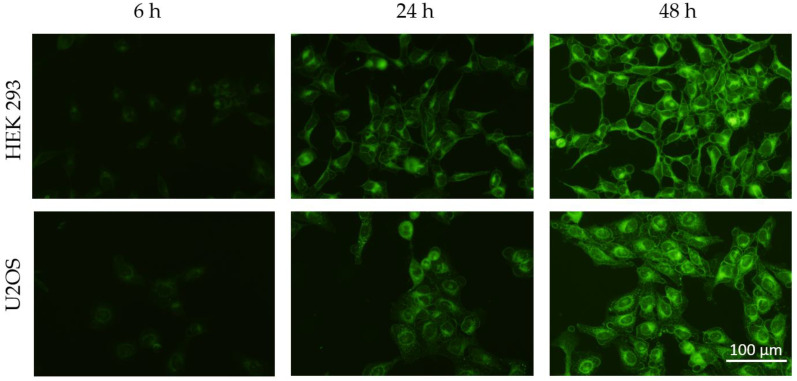
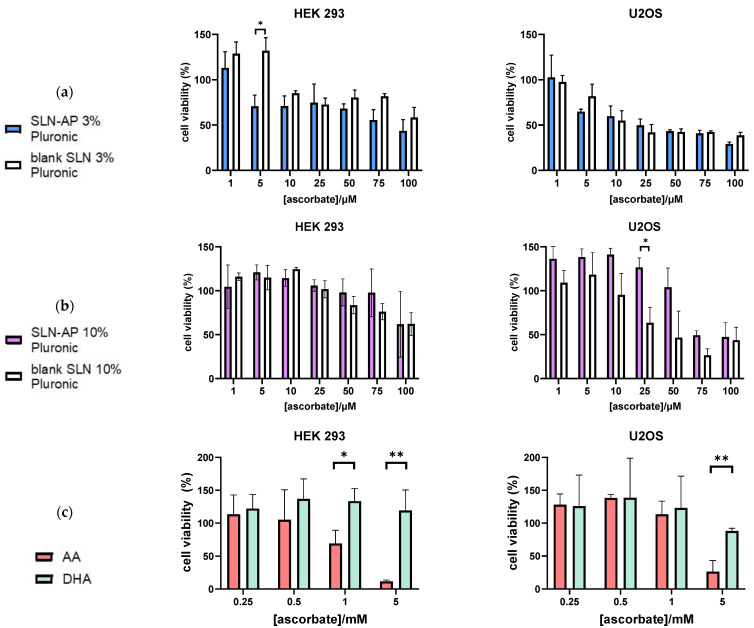
Antitumor applications of ascorbic acid (AA) and its oxidized form dehydroascorbic acid (DHA) can be quite challenging due to their instability and sensitivity to degradation in aqueous media. To overcome this obstacle, we have synthesized solid lipid nanoparticles loaded with ascorbyl palmitate (SLN-AP) with variations in proportions of the polymer Pluronic F-68. SLNs were synthesized using the hot homogenization method, characterized by measuring the particle size, polydispersity, zeta potential and visualized by TEM. To investigate the cellular uptake of the SLN, we have incorporated coumarin-6 into the same SLN formulation and followed their successful uptake for 48 h. We have tested the cytotoxicity of the SLN formulations and free ascorbate forms, AA and DHA, on HEK 293 and U2OS cell lines by MTT assay. The SLN-AP in both formulations have a cytotoxic effect at lower concentrations when compared to ascorbate applied the form of AA or DHA. Better selectivity for targeting tumor cell line was observed with 3% Pluronic F-68. The antioxidative effect of the SLN-AP was observed as early as 1 h after the treatment with a small dose of ascorbate applied (5 µM). SLN-AP formulation with 3% Pluronic F-68 needs to be further optimized as an ascorbate carrier due to its intrinsic cytotoxicity.
抗坏血酸(AA)及其氧化形式脱氢抗坏血酸(DHA)的抗肿瘤应用颇具挑战性,因为它们在水性介质中不稳定且易降解。为克服这一障碍,我们合成了负载棕榈酸抗坏血酸酯的固体脂质纳米粒(SLN-AP),并改变了聚合物普朗尼克F-68的比例。采用热均质法合成了SLN,通过测量粒径、多分散性、zeta电位对其进行表征,并通过透射电子显微镜进行可视化观察。为研究SLN的细胞摄取情况,我们将香豆素-6掺入相同的SLN制剂中,并追踪其在48小时内的成功摄取情况。我们通过MTT法测试了SLN制剂以及游离抗坏血酸形式(AA和DHA)对人胚肾293细胞系和骨肉瘤U2OS细胞系的细胞毒性。与以AA或DHA形式应用的抗坏血酸相比,两种制剂中的SLN-AP在较低浓度下均具有细胞毒性作用。使用3%普朗尼克F-68时,观察到对肿瘤细胞系具有更好的靶向选择性。在用小剂量抗坏血酸(5 µM)处理后1小时,就观察到了SLN-AP的抗氧化作用。由于其内在的细胞毒性,含有3%普朗尼克F-68的SLN-AP制剂作为抗坏血酸载体需要进一步优化。