Sáez Iker, León-Guereño Patxi, Malchrowicz-Mośko Ewa, Balerdi Eneko, Río Xabier, Lavín Beñat, Solabarrieta Josu
Department of Physical Activity and Sport Science, Faculty of Education and Sport, University of Deusto, Bilbao, Spain.
Department of Physical Activity and Sport Science, Faculty of Education and Sport, University of Deusto, Donostia-San Sebastian, Spain.
Front Psychol. 2022 Apr 28;13:889605. doi: 10.3389/fpsyg.2022.889605. eCollection 2022.
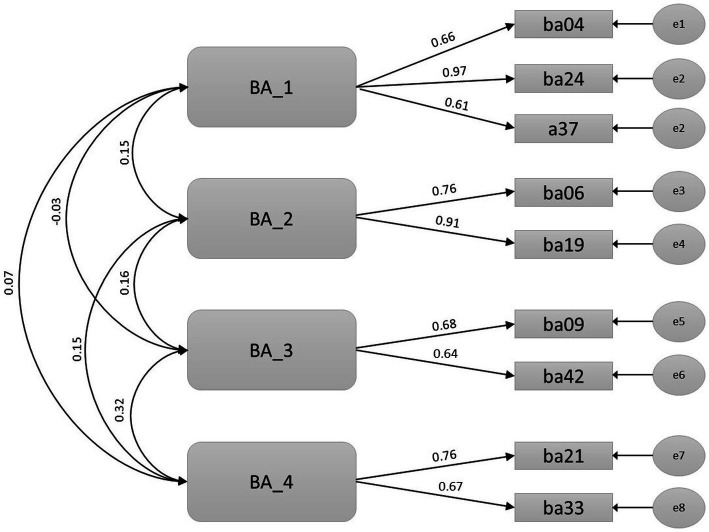
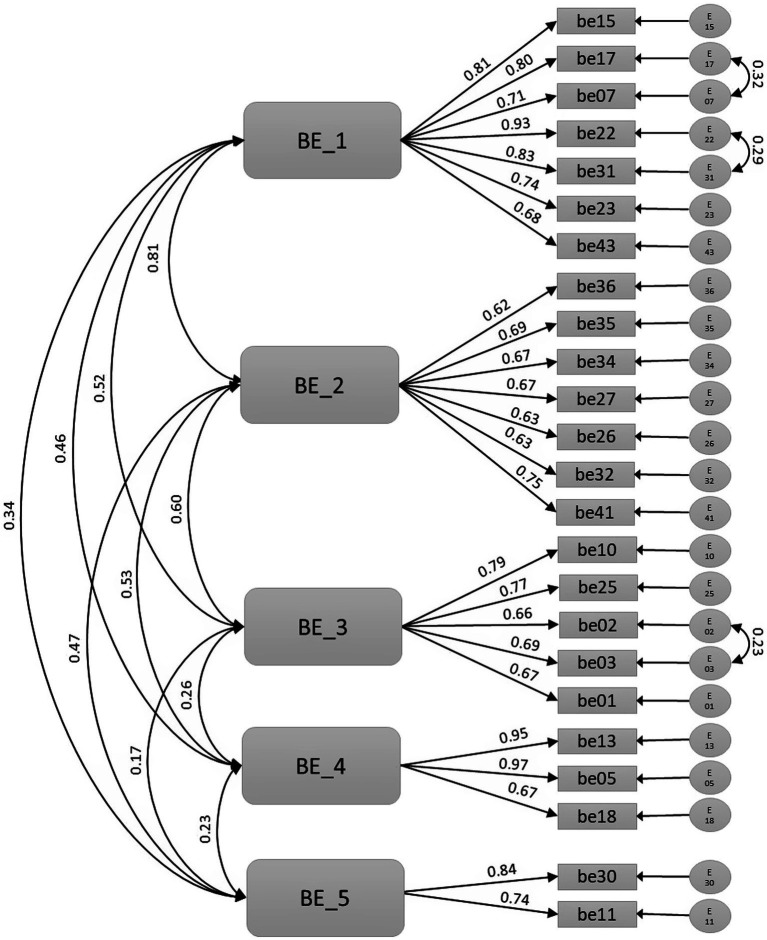
Although horseback riding is not specifically mentioned in the recommendations for different age groups regarding the level of physical activity necessary for good health, its practice continues to grow in popularity throughout the world. Despite being a minority discipline, it has some characteristics that make it an opportunity for its participants to be active people, so it is important to understand what are the perceived health benefits and barriers to participation. The aim of the study is to describe and analyze the perceived health benefits and barriers in horseback riding among riders categorized by level and age, in order to promote physical activity through these benefits and to overcome the barriers. An online version of the EBBS (Exercise Benefits/Barriers Scale) was used to analyze benefits and barriers. The sample consisted of 2,651 participants (95.9% women and 4.1% men) in an equestrian event, distributed in four age groups (79.4% up to 25 years, 11.5% between 26 and 35, 7.9% between 36 and 50, and 1.2 older than 50 years). Perceived benefits and participation barriers to horseback riding were analyzed. The factor analysis identified and confirmed five benefit factors and four barrier factors. Benefit factors were significantly correlated among them but barriers were less interrelated. Higher ages were associated to larger benefits and less barrier effects. Benefit and barrier differences were larger between amateur and professional riders, compared to gender differences.
尽管在关于健康所需身体活动水平的不同年龄组建议中未特别提及骑马,但它在全球的受欢迎程度持续上升。尽管它是小众运动项目,但其某些特点使其成为参与者保持活跃的契机,因此了解人们所感知到的健康益处以及参与障碍很重要。本研究旨在描述和分析按水平和年龄分类的骑手在骑马运动中所感知到的健康益处和障碍,以便通过这些益处来促进身体活动并克服障碍。使用EBBS(运动益处/障碍量表)的在线版本来分析益处和障碍。样本包括一项马术赛事中的2651名参与者(95.9%为女性,4.1%为男性),分布在四个年龄组(25岁及以下占79.4%,26至35岁占11.5%,36至50岁占7.9%,50岁以上占1.2%)。分析了骑马运动中所感知到的益处和参与障碍。因子分析确定并确认了五个益处因子和四个障碍因子。益处因子之间显著相关,但障碍因子之间的相关性较小。年龄越大,益处越大,障碍影响越小。与性别差异相比,业余骑手和职业骑手之间的益处和障碍差异更大。