Jaqua Ecler Ercole, Nguyen Van, Scherlie Nicole, Dreschler Joshua, Labib Wessam
Department of Family Medicine, Loma Linda University Health, USA.
School of Medicine, Loma Linda University Health, USA.
Addict Health. 2022 Jan;14(1):62-67. doi: 10.22122/ahj.v14i1.1311.
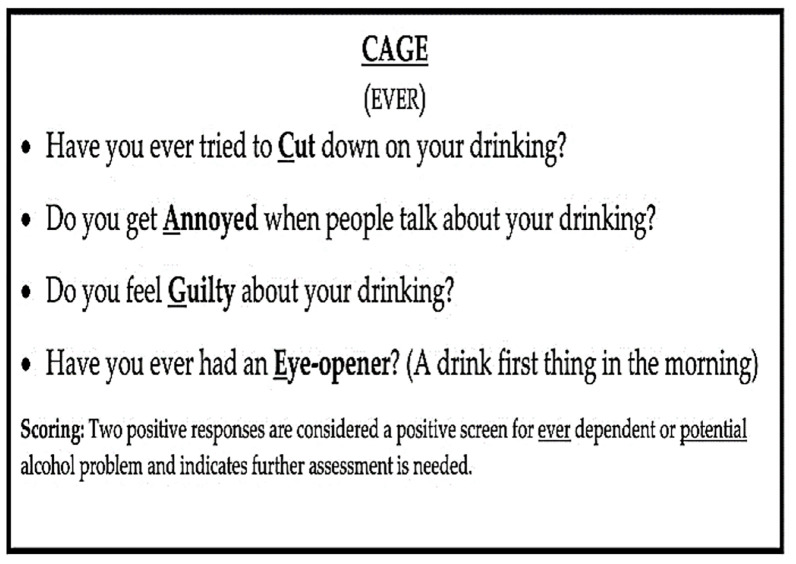
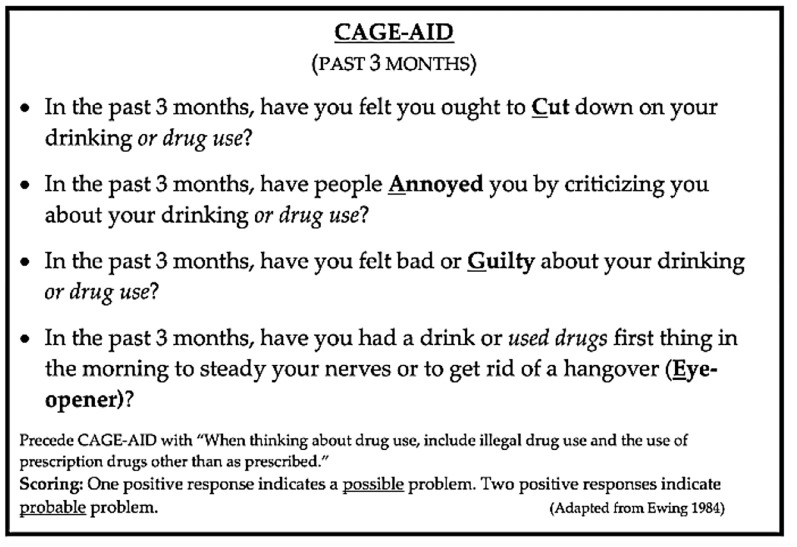
With an estimated prevalence of 4%, substance abuse amongst persons who are 65 years and older is increasing. The most common substances abused are alcohol, prescription drugs such as opiates and benzodiazepines (BZD), and over-the-counter (OTC) medications. This increase is believed to be partially endorsed by the baby boomer generation, born between 1946 to 1964, who had significant exposure to alcohol and drugs at a younger age. Substance abuse is difficult to recognize in the older adults, but once identified, presents its own challenges as only 18% of substance abuse treatment programs are designed for this growing population. Substance abuse overall may increase the risk of fractures secondary to recurrent falls, memory loss, sleep disturbances, anxiety, and depression. In this article, we will review the signs and symptoms, risk factors, screening tools, Diagnostic and Statistical Manual of Mental Disorders, Fifth Edition (DSM-5) diagnostic criteria, and challenges of treating substance abuse in the older adults.
据估计,65岁及以上人群中药物滥用的患病率为4%,且呈上升趋势。最常被滥用的物质是酒精、阿片类和苯二氮䓬类(BZD)等处方药以及非处方药(OTC)。这一增长被认为部分归因于婴儿潮一代(出生于1946年至1964年之间),他们在年轻时大量接触过酒精和毒品。药物滥用在老年人中很难被识别,但一旦被发现,就会带来自身的挑战,因为只有18%的药物滥用治疗项目是针对这一不断增长的人群设计的。总体而言,药物滥用可能会增加因反复跌倒、记忆力减退、睡眠障碍、焦虑和抑郁而导致骨折的风险。在本文中,我们将回顾老年人药物滥用的体征和症状、危险因素、筛查工具、《精神疾病诊断与统计手册》第五版(DSM-5)诊断标准以及治疗方面的挑战。