Lu Zhuchou, Qiu Wenmin, Jin Kangming, Yu Miao, Han Xiaojiao, He Xiaoyang, Wu Longhua, Wu Chao, Zhuo Renyin
State Key Laboratory of Tree Genetics and Breeding, Key Laboratory of Tree Breeding of Zhejiang Province, Research Institute of Subtropical Forestry, Chinese Academy of Forestry, Hangzhou, China.
Faculty of Forestry, Nanjing Forestry University, Nanjing, China.
Front Plant Sci. 2022 Apr 27;13:859386. doi: 10.3389/fpls.2022.859386. eCollection 2022.
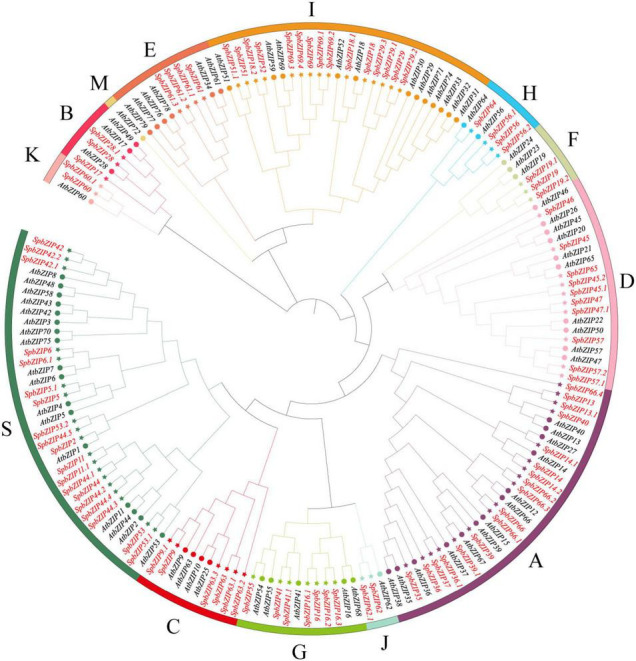
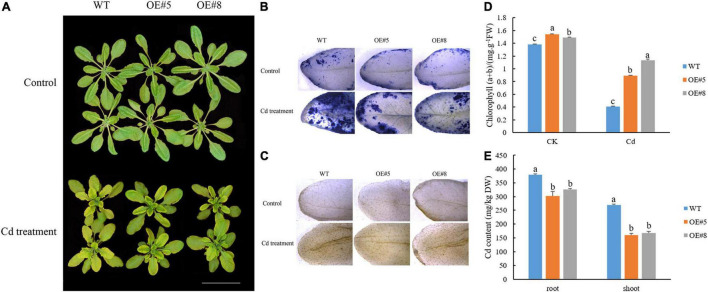
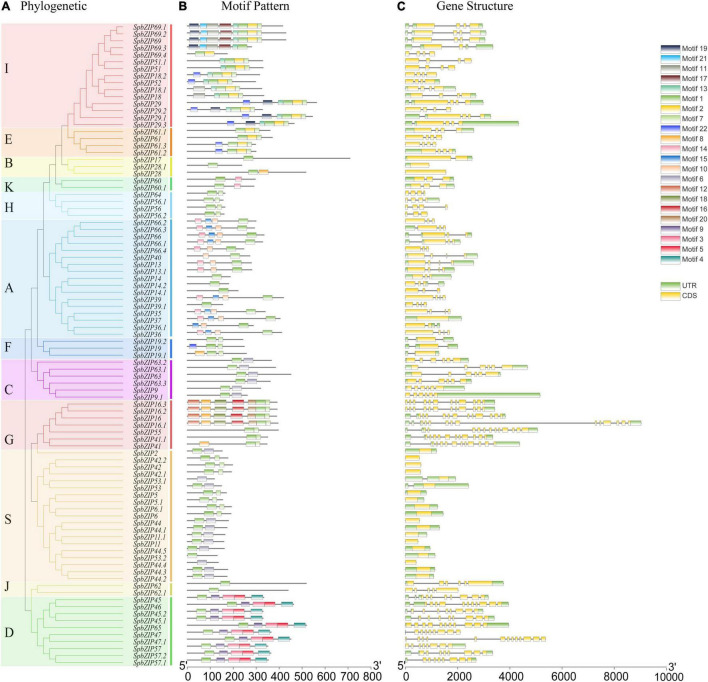
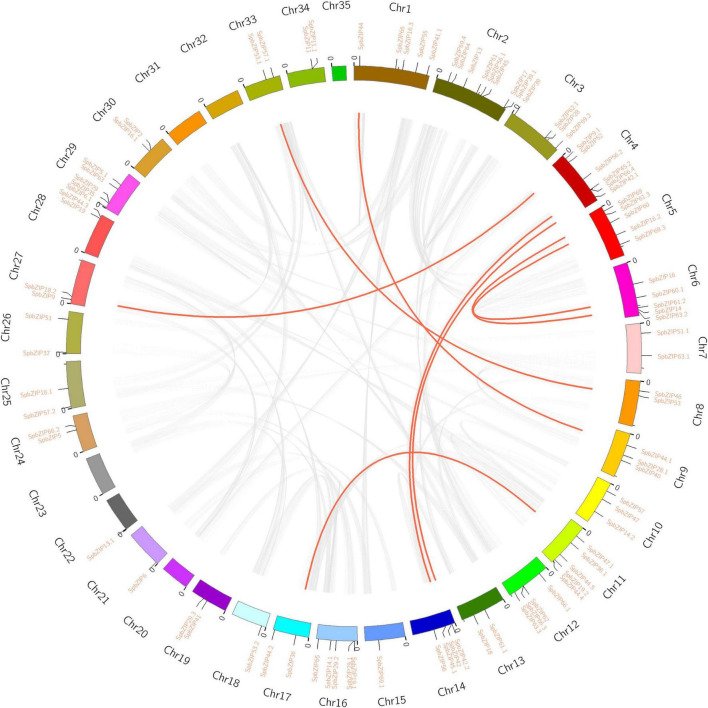
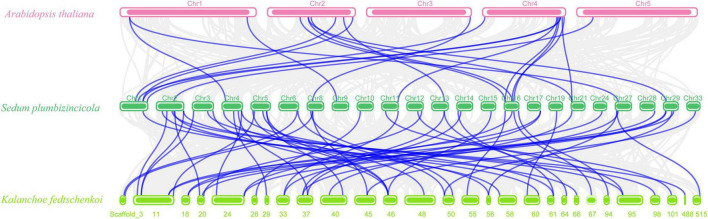
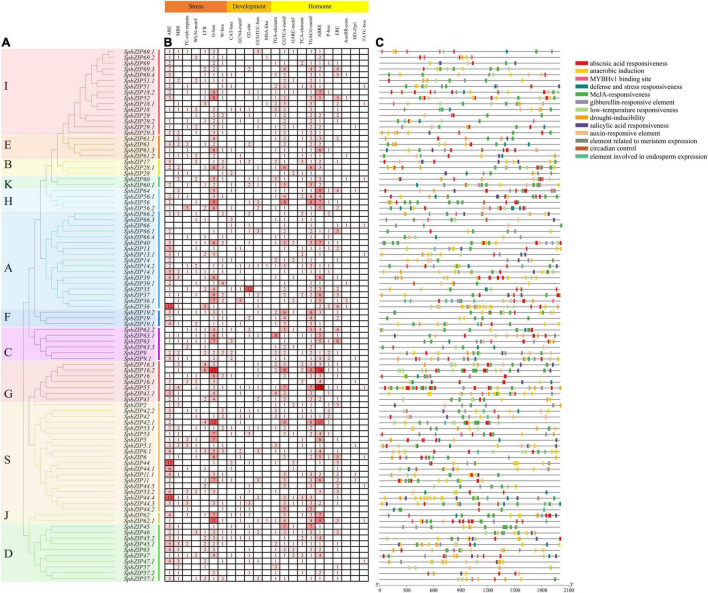
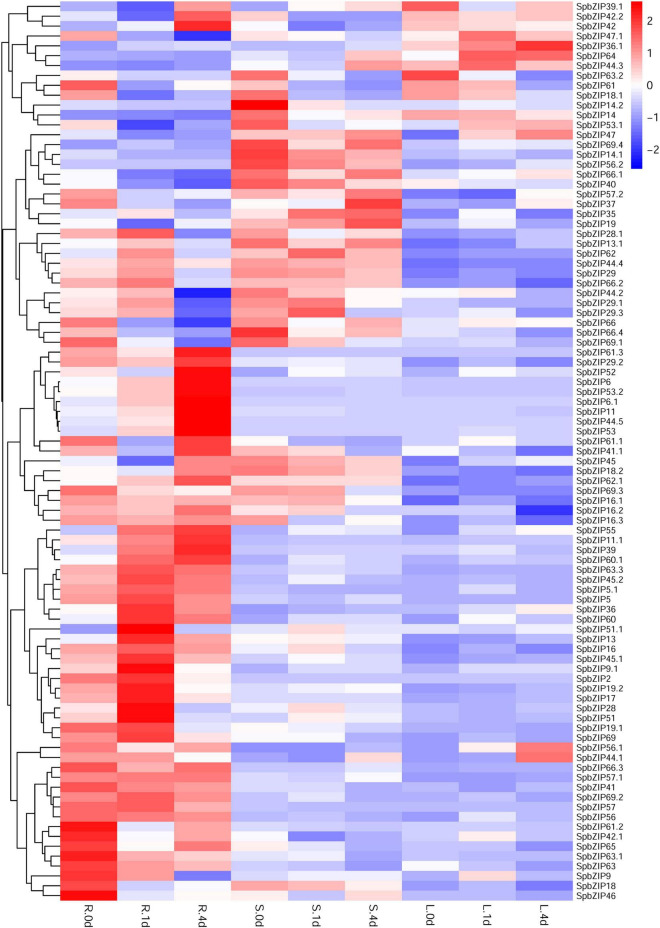
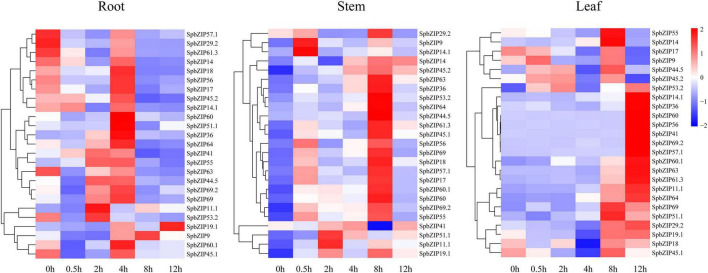
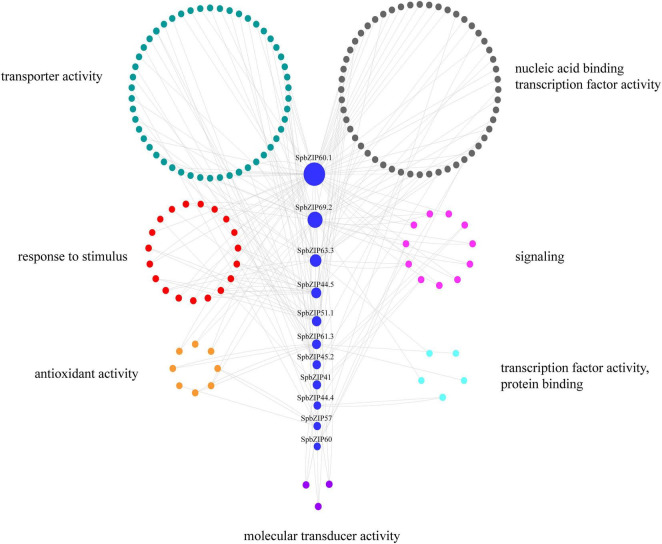
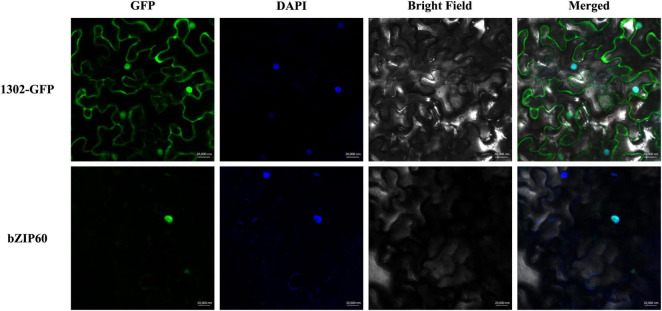
(Crassulaceae), a cadmium (Cd)/zinc (Zn)/lead (Pb) hyperaccumulator native to Southeast China, is potentially useful for the phytoremediation of heavy metal-contaminated soil. Basic leucine zipper (bZIP) transcription factors play vital roles in plant growth, development, and abiotic stress responses. However, there has been minimal research on the effects of Cd stress on the bZIP gene family in . In this study, 92 genes were identified in the genome and then classified into 12 subgroups according to their similarity to bZIP genes in Gene structure and conserved motif analyses showed that genes within the same subgroup shared similar intron-exon structures and motif compositions. In total, eight pairs of segmentally duplicated genes were identified, but there were no tandemly duplicated genes. Additionally, the duplicated genes were mainly under purifying selection pressure. Hormone-responsive, abiotic and biotic stress-responsive, and plant development-related -acting elements were detected in the promoter sequences. Expression profiles derived from RNA-seq and quantitative real-time PCR analyses indicated that the expression levels of most genes were upregulated under Cd stress conditions. Furthermore, a gene co-expression network analysis revealed that most edge genes regulated by hub genes were related to metal transport, responses to stimuli, and transcriptional regulation. Because its expression was significantly upregulated by Cd stress, the hub gene was selected for a functional characterization to elucidate its role in the root response to Cd stress. In a transient gene expression analysis involving leaves, was localized in the nucleus. The overexpression of enhanced the Cd tolerance of transgenic plants by inhibiting ROS accumulation, protecting the photosynthetic apparatus, and decreasing the Cd content. These findings may provide insights into the potential roles of the bZIP family genes during the response to Cd stress.
东南景天(景天科)是一种原产于中国东南部的镉(Cd)/锌(Zn)/铅(Pb)超积累植物,对重金属污染土壤的植物修复具有潜在用途。碱性亮氨酸拉链(bZIP)转录因子在植物生长、发育和非生物胁迫响应中发挥着重要作用。然而,关于镉胁迫对东南景天bZIP基因家族影响的研究极少。本研究在东南景天基因组中鉴定出92个bZIP基因,然后根据它们与拟南芥bZIP基因的相似性将其分为12个亚组。基因结构和保守基序分析表明,同一亚组内的东南景天基因具有相似的内含子 - 外显子结构和基序组成。总共鉴定出8对片段重复的东南景天基因,但没有串联重复的东南景天基因。此外,重复的东南景天基因主要受到纯化选择压力。在东南景天启动子序列中检测到激素响应、非生物和生物胁迫响应以及植物发育相关的顺式作用元件。来自RNA测序和定量实时PCR分析的表达谱表明,大多数东南景天基因的表达水平在镉胁迫条件下上调。此外,基因共表达网络分析显示,受枢纽基因调控的大多数边缘基因与金属转运、刺激响应和转录调控有关。由于其表达在镉胁迫下显著上调,因此选择枢纽基因SedbZIP24进行功能表征,以阐明其在根系对镉胁迫响应中的作用。在涉及东南景天叶片的瞬时基因表达分析中,SedbZIP24定位于细胞核。SedbZIP24的过表达通过抑制活性氧积累、保护光合机构和降低镉含量增强了转基因东南景天植物对镉的耐受性。这些发现可能为bZIP家族基因在东南景天对镉胁迫响应中的潜在作用提供见解。