Tian Jiming, Liang Xiaolei, Wang Dalin, Tian Jinglin, Liang Haiping, Lei Ting, Yan Zeyu, Wu Dan, Liu Xiaoli, Liu Shujuan, Yang Yongxiu
The First Clinical Medical College of Lanzhou University, Lanzhou, China.
Department of Obstetrics and Gynecology, Key Laboratory for Gynecologic Oncology Gansu Province, The First Hospital of Lanzhou University, Lanzhou, China.
Front Oncol. 2022 Apr 27;12:766077. doi: 10.3389/fonc.2022.766077. eCollection 2022.
Ovarian cancer (OC) is the most lethal gynecological malignancy worldwide. Increasing evidence indicates that TBC domain family is implicated in various cellular events contributing to initiation and development of different cancers, including OC. However, the role of TBC1D2, a crucial member of TBC domain family, remains unclear in OC.
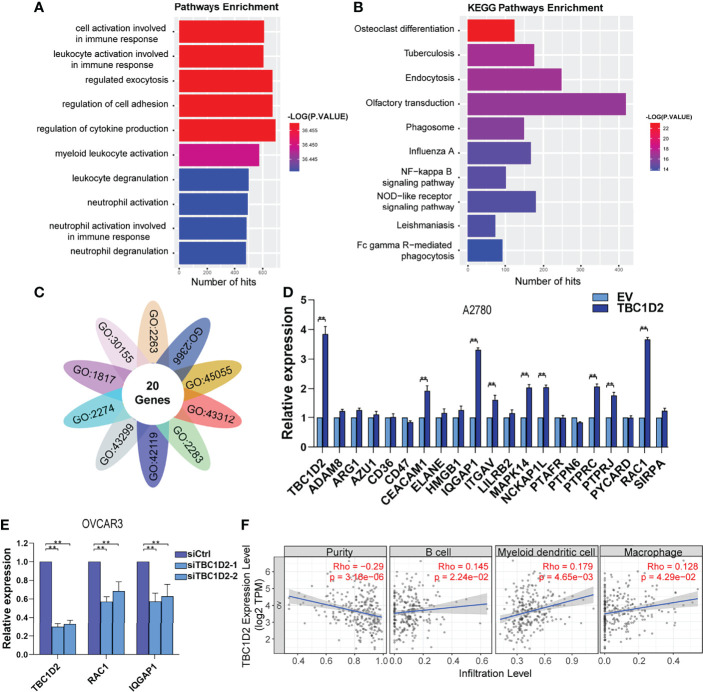
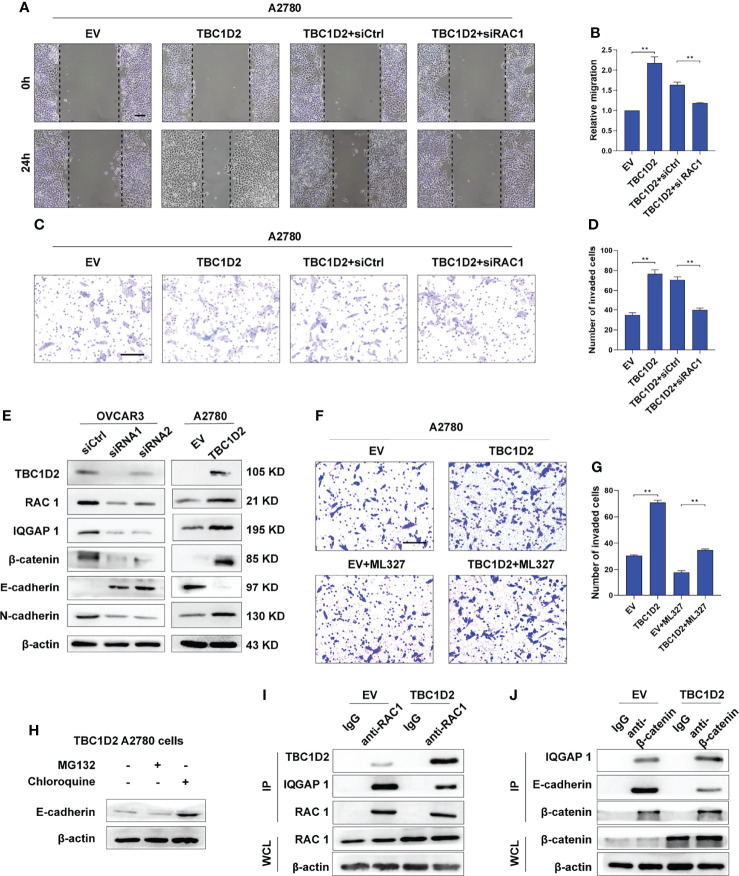
IHC and qRT-PCR were employed to determine TBC1D2 expression in OC tissues and cells. and assays involving proliferation, migration, invasion were performed to explore the role of TBC1D2 in OC development. The underlying mechanism by which TBC1D2 promotes OC metastasis were elucidated using bioinformatics analysis, western blotting and co-immunoprecipitation.
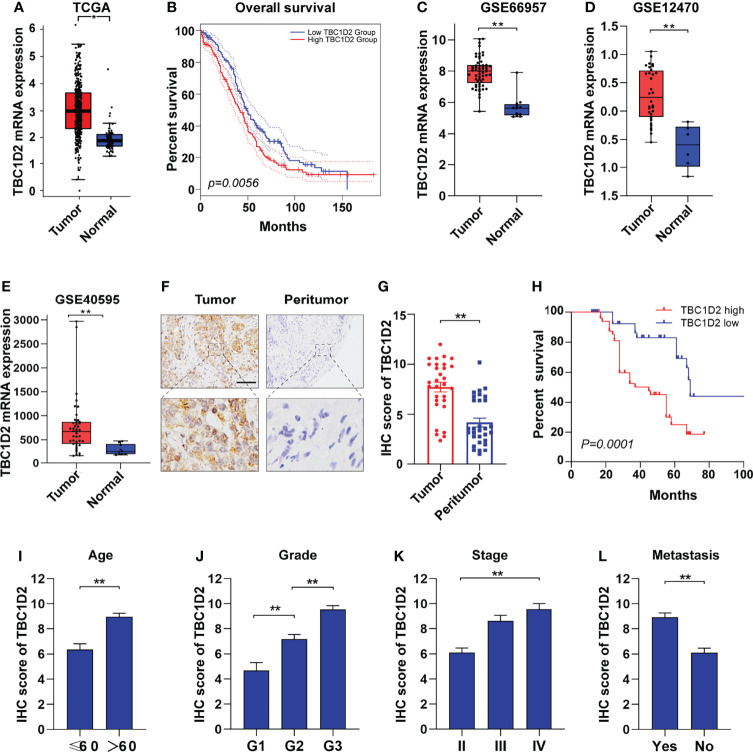
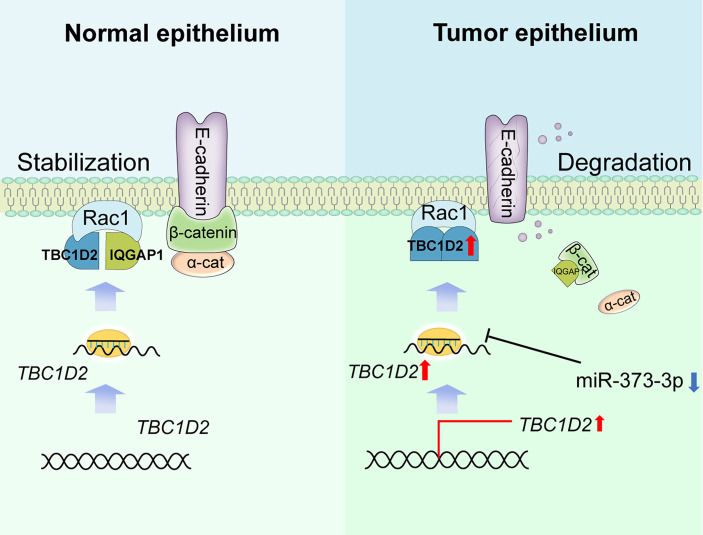
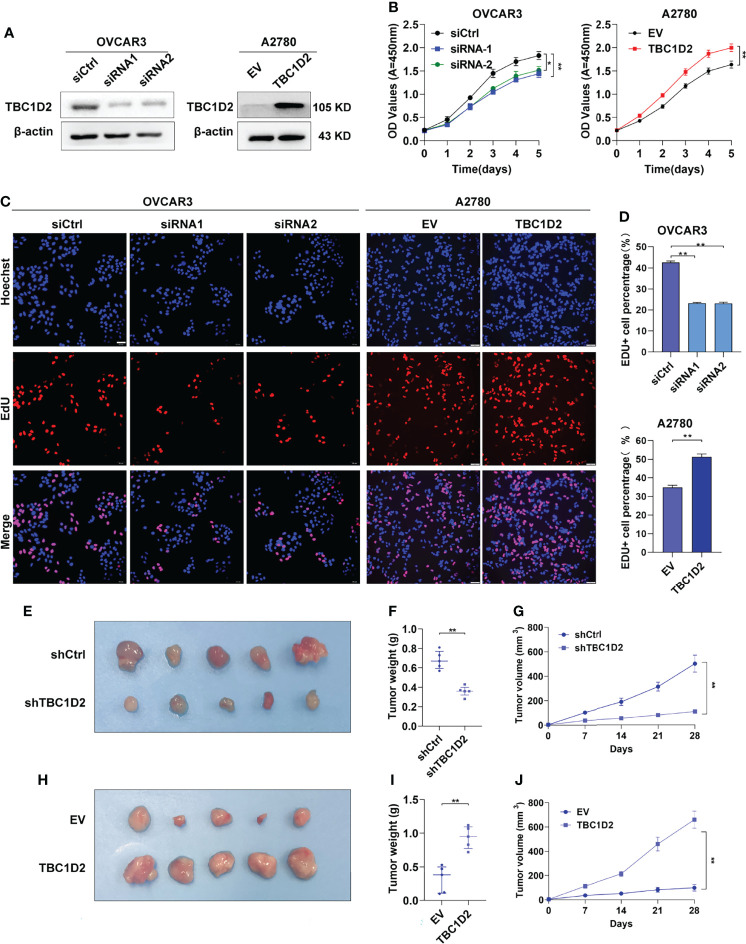
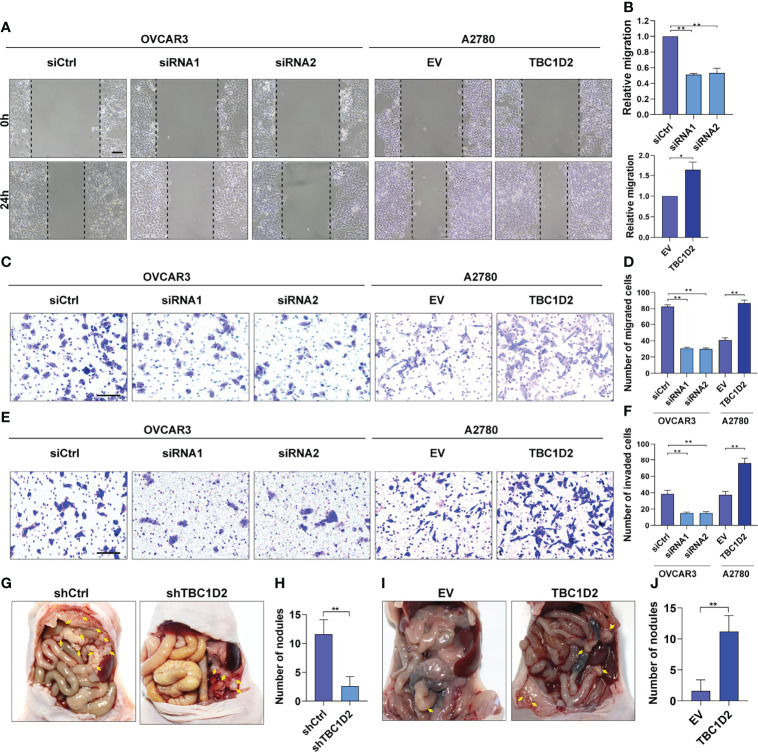
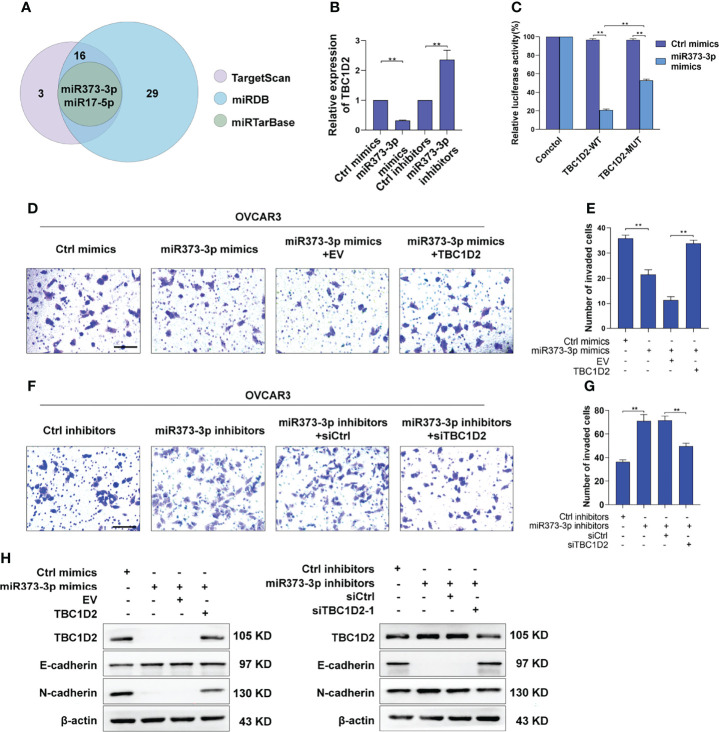
Upregulation of TBC1D2 was found in OC and was associated with a poor prognosis. Meanwhile, TBC1D2 promoted OC cell proliferation, migration, and invasion and facilitated tumor growth and metastasis . Moreover, TBC1D2 contributed to OC cell invasion by E-cadherin degradation disassembling Rac1-IQGAP1 complex. In addition, miR-373-3p was screened out and identified to inhibit OVCAR3 invasion negative regulation of TBC1D2.
Our findings indicated that TBC1D2 is overexpressed in OC and contributes to tumor metastasis E-cadherin degradation. This study suggests that TBC1D2 may be an underlying therapeutic target for OC.
卵巢癌(OC)是全球最致命的妇科恶性肿瘤。越来越多的证据表明,TBC结构域家族参与了多种细胞事件,这些事件促成了包括OC在内的不同癌症的发生和发展。然而,TBC结构域家族的关键成员TBC1D2在OC中的作用仍不清楚。
采用免疫组化(IHC)和定量逆转录聚合酶链反应(qRT-PCR)检测OC组织和细胞中TBC1D2的表达。进行了涉及增殖、迁移、侵袭的实验,以探讨TBC1D2在OC发展中的作用。使用生物信息学分析、蛋白质免疫印迹法(western blotting)和免疫共沉淀法阐明TBC1D2促进OC转移的潜在机制。
在OC中发现TBC1D2上调,且与预后不良相关。同时,TBC1D2促进OC细胞增殖、迁移和侵袭,并促进肿瘤生长和转移。此外,TBC1D2通过降解E-钙黏蛋白和拆解Rac1-IQGAP1复合物促进OC细胞侵袭。此外,筛选并鉴定出miR-373-3p通过对TBC1D2的负调控抑制OVCAR3侵袭。
我们的研究结果表明,TBC1D2在OC中过表达,并通过E-钙黏蛋白降解促进肿瘤转移。这项研究表明,TBC1D2可能是OC的一个潜在治疗靶点。