University Grenoble Alpes, University Savoie Mont Blanc, CNRS, Grenoble INP (Institute of Engineering and Management University Grenoble Alpes), LEPMI, 38000 Grenoble, France.
Hydrogen Energy and Sonochemistry Research group, Department of Energy and Process Engineering, Faculty of Engineering, Norwegian University of Science and Technology (NTNU) NO-7491, Trondheim, Norway.
Chem Soc Rev. 2022 Jun 6;51(11):4583-4762. doi: 10.1039/d0cs01079k.
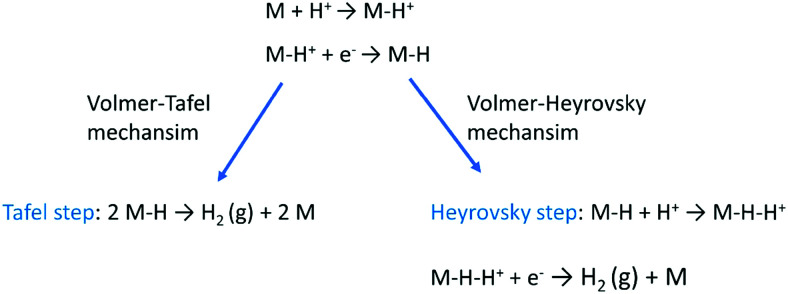
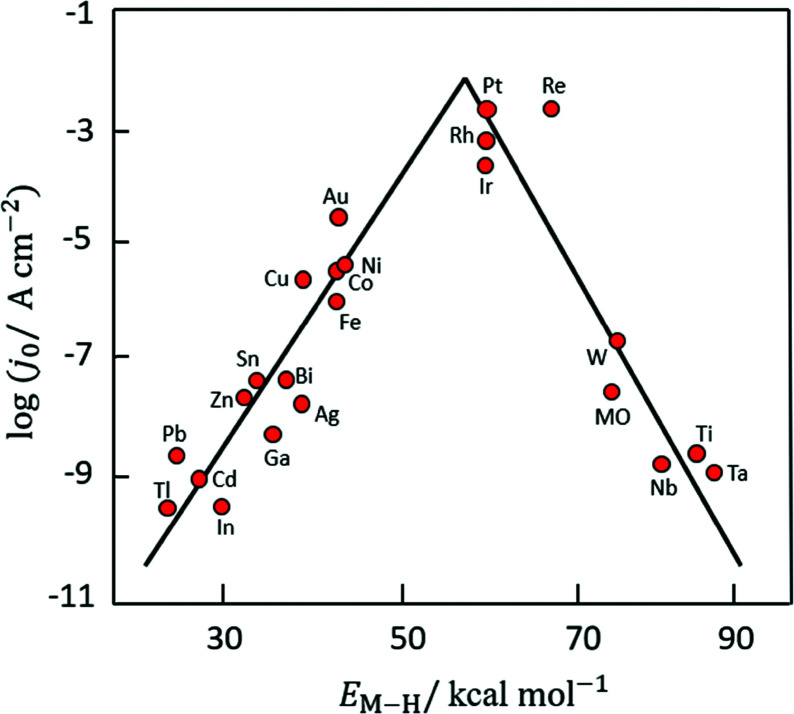
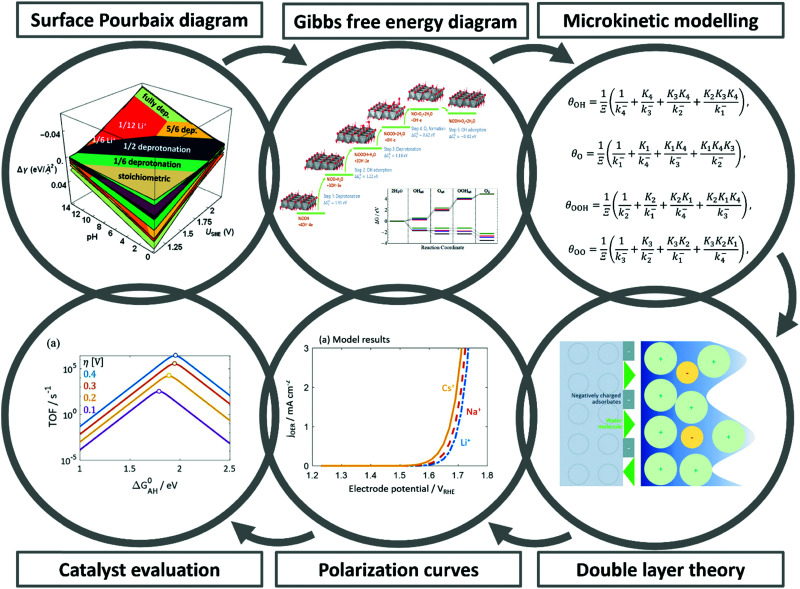
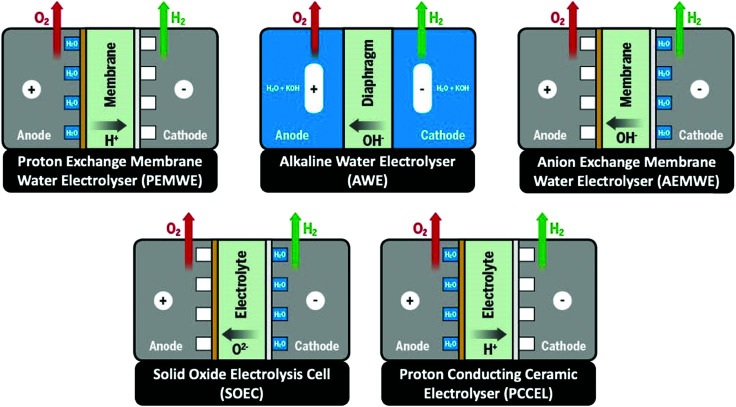
Replacing fossil fuels with energy sources and carriers that are sustainable, environmentally benign, and affordable is amongst the most pressing challenges for future socio-economic development. To that goal, hydrogen is presumed to be the most promising energy carrier. Electrocatalytic water splitting, if driven by green electricity, would provide hydrogen with minimal CO footprint. The viability of water electrolysis still hinges on the availability of durable earth-abundant electrocatalyst materials and the overall process efficiency. This review spans from the fundamentals of electrocatalytically initiated water splitting to the very latest scientific findings from university and institutional research, also covering specifications and special features of the current industrial processes and those processes currently being tested in large-scale applications. Recently developed strategies are described for the optimisation and discovery of active and durable materials for electrodes that ever-increasingly harness first-principles calculations and machine learning. In addition, a technoeconomic analysis of water electrolysis is included that allows an assessment of the extent to which a large-scale implementation of water splitting can help to combat climate change. This review article is intended to cross-pollinate and strengthen efforts from fundamental understanding to technical implementation and to improve the 'junctions' between the field's physical chemists, materials scientists and engineers, as well as stimulate much-needed exchange among these groups on challenges encountered in the different domains.
用可持续、环境友好且经济实惠的能源和载体替代化石燃料,是未来社会经济发展面临的最紧迫挑战之一。为此,氢气被认为是最有前途的能源载体。如果由绿色电力驱动,电催化水分解将为氢气提供最小的 CO 足迹。水电解的可行性仍然取决于耐用的丰富地球催化剂材料的可用性和整体过程效率。本综述涵盖了从电催化引发水分解的基本原理到大学和机构研究的最新科学发现,还涵盖了当前工业过程的规格和特点以及正在大规模应用中测试的过程。最近开发的策略被描述为用于优化和发现电极的活性和耐用材料,这些材料越来越多地利用第一性原理计算和机器学习。此外,还包括水电解的技术经济分析,该分析允许评估大规模实施水分解在多大程度上有助于应对气候变化。本文旨在促进从基础理解到技术实施的交叉授粉和加强努力,并改善该领域的物理化学家、材料科学家和工程师之间的“连接点”,并激发这些群体之间在不同领域遇到的挑战的急需交流。