CNRS, Archéologies et Sciences de l'Antiquité, ArScAn, UMR7041, Équipe Archéologie de la Gaule et du Monde Antique (GAMA), MSH Mondes, 21 allée de l'université, 92023, Nanterre cedex, France.
CNRS, LAPA-IRAMAT, NIMBE, CEA, CNRS, Université Paris-Saclay, CEA Saclay 91191, Gif-sur-Yvette, France.
PLoS One. 2022 May 17;17(5):e0268209. doi: 10.1371/journal.pone.0268209. eCollection 2022.
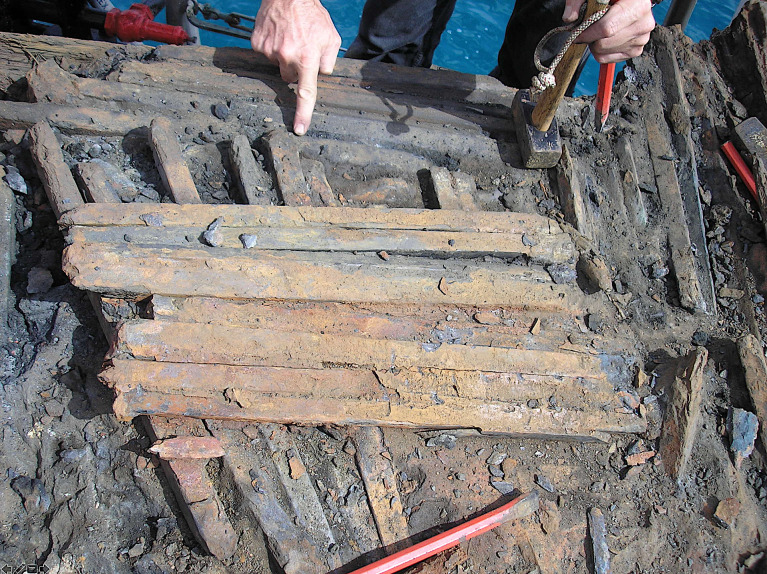
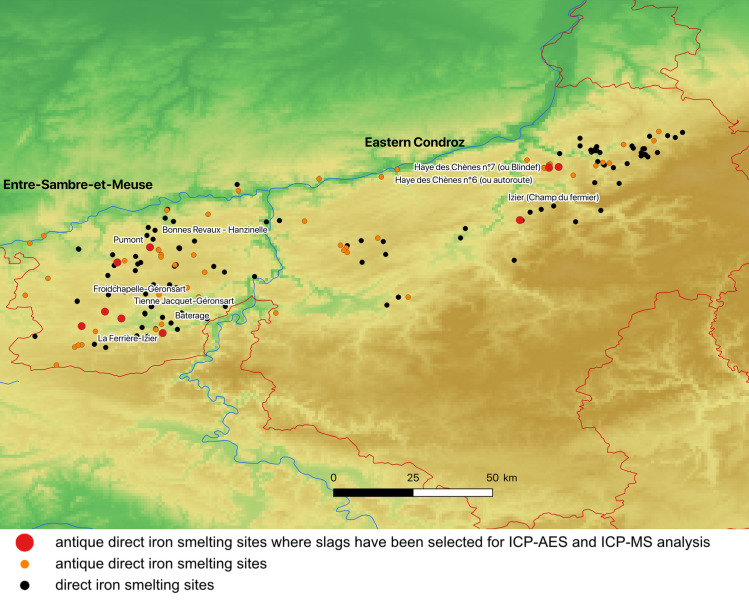
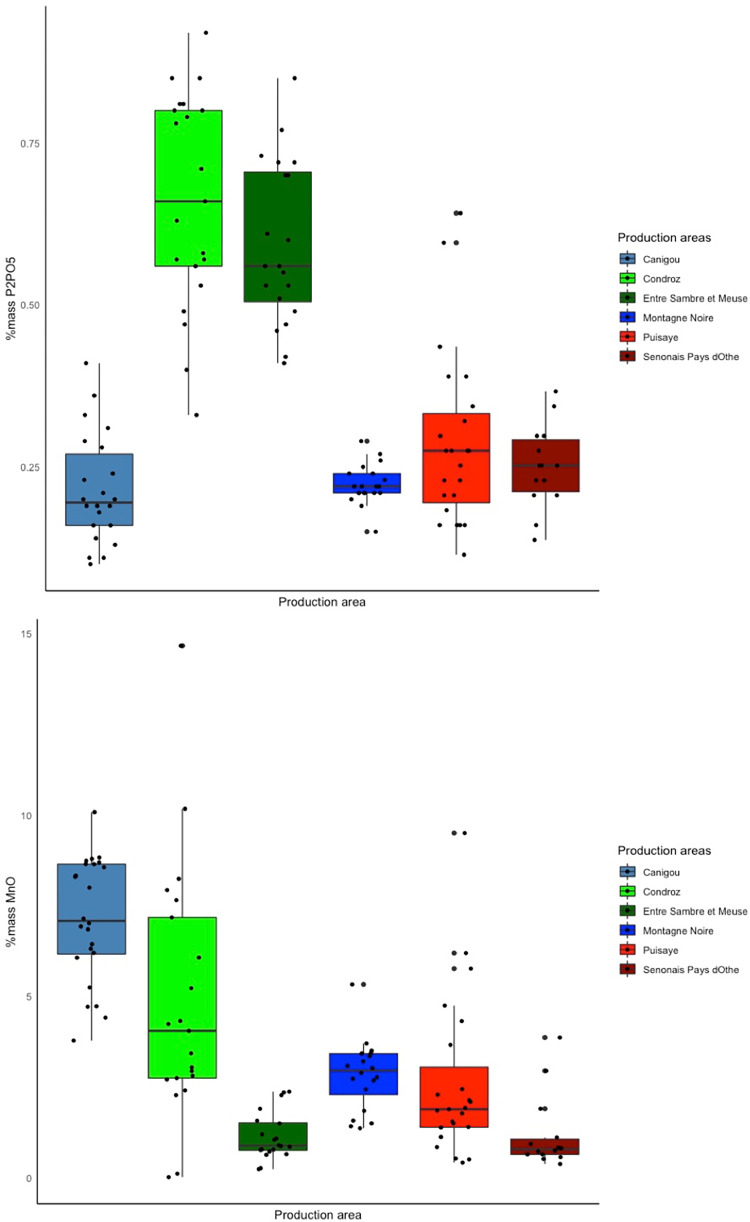
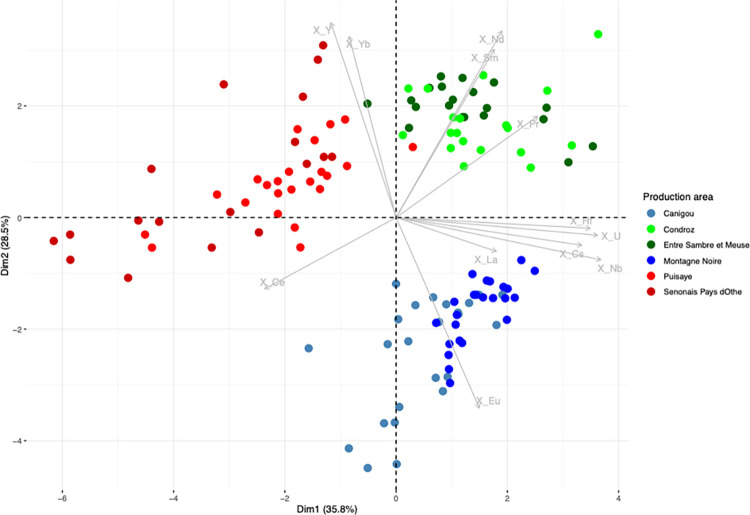
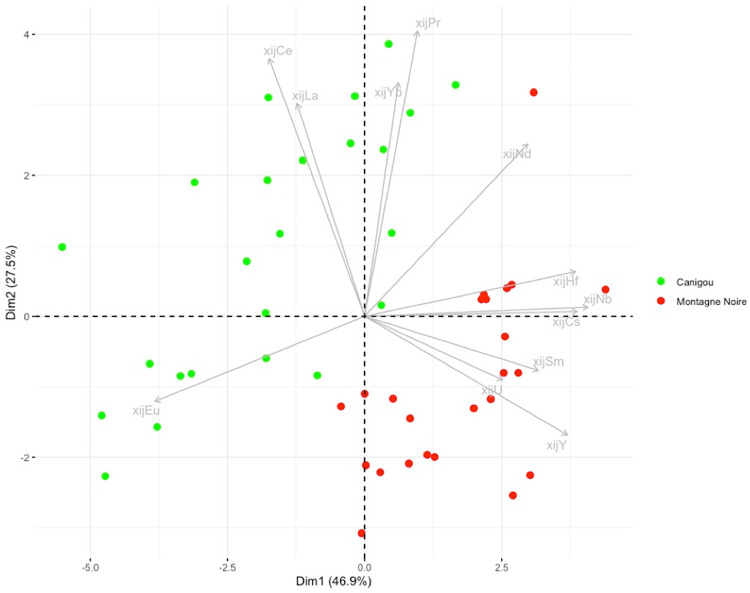
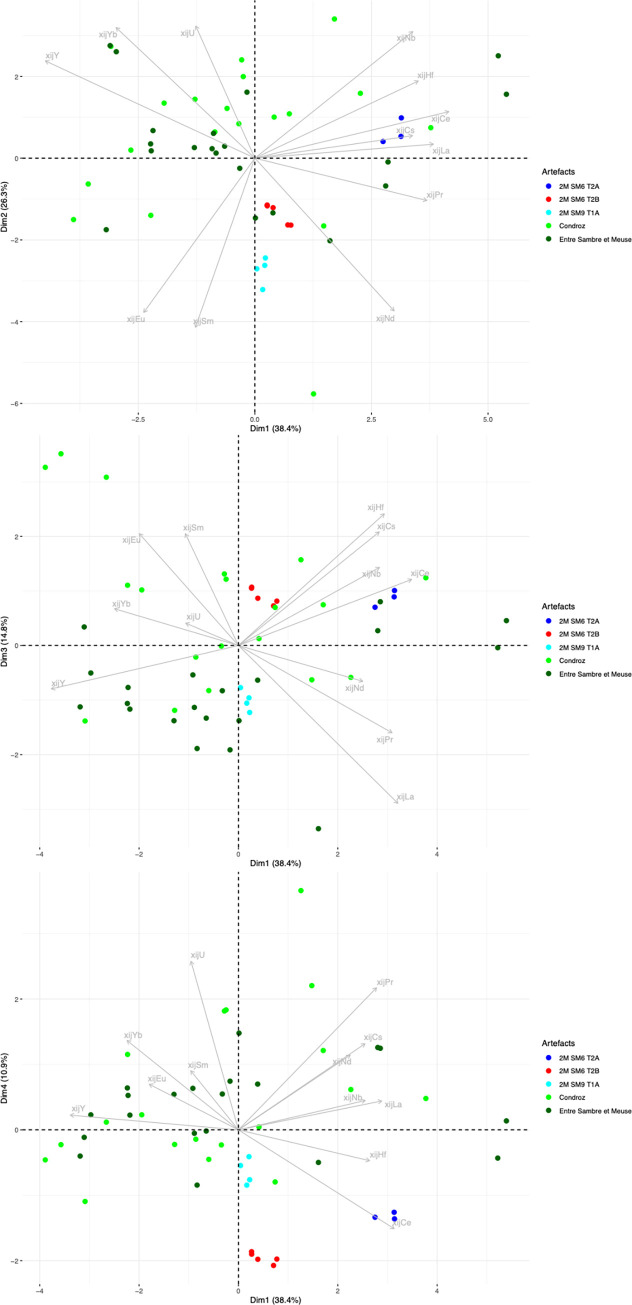
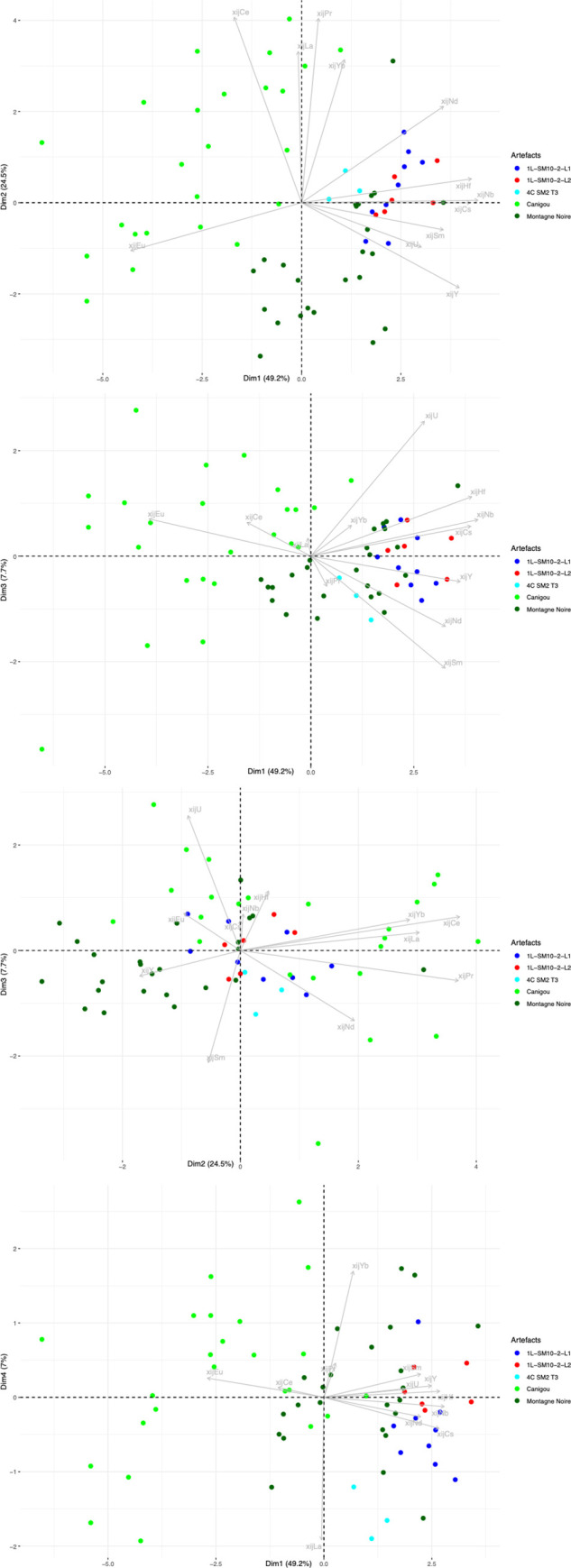
Starting from the second century BC, with the fast expansion of the Roman Empire, iron production and consumption developed exponentially in north-western Europe. This rapid growth naturally led to an increase in trade, that still remains to be studied encompassing a broad scope, so as to not neglect long-distance exchanges. This is today possible by taking advantage of the progress made in the past 40 years in archaeology and archaeometallurgy. Cargoes of iron bars recovered from a group of 23 wrecks located off the coast of Saintes-Maries-de-la-Mer (Bouches-du-Rhône, France), opposite an old branch of the Rhône River, constitute a rich opportunity to examine this trade, by comparing the slag inclusions trapped in iron bars to primary slag from the six main ironmaking areas in Gaul. Based on a trace element analysis of these inclusions and this slag, we suggest that ships travelled down the Rhône carrying iron produced in Wallonia (Belgium), while others sailed up the Rhône transporting iron produced in Montagne Noire (Aude, France).
从公元前 2 世纪开始,随着罗马帝国的迅速扩张,北欧地区的铁器生产和消费呈指数级增长。这种快速增长自然导致了贸易的增加,这仍然需要进行广泛的研究,以免忽视长途交流。如今,通过利用过去 40 年来考古学和考古冶金学取得的进展,这是有可能的。从法国圣玛丽德拉梅尔(Bouches-du-Rhône)海岸附近的 23 艘沉船中回收的一批铁条货物,就在罗纳河的一个旧支流对面,为研究这种贸易提供了一个很好的机会,方法是将铁条中捕获的炉渣夹杂物与高卢六个主要炼铁区的原始炉渣进行比较。基于对这些夹杂物和炉渣的微量元素分析,我们认为船只沿着罗纳河下行,运送来自瓦隆尼亚(比利时)的铁,而其他船只则沿着罗纳河上行,运输来自蒙塔涅诺黑(奥尔德,法国)的铁。