Department of Physiology and Pharmacology, Karolinska Institutet, 17177 Stockholm, Sweden.
Department of Twin Research and Genetic Epidemiology, King's College London, London, UK.
Am J Hum Genet. 2022 Jun 2;109(6):1077-1091. doi: 10.1016/j.ajhg.2022.04.010. Epub 2022 May 16.
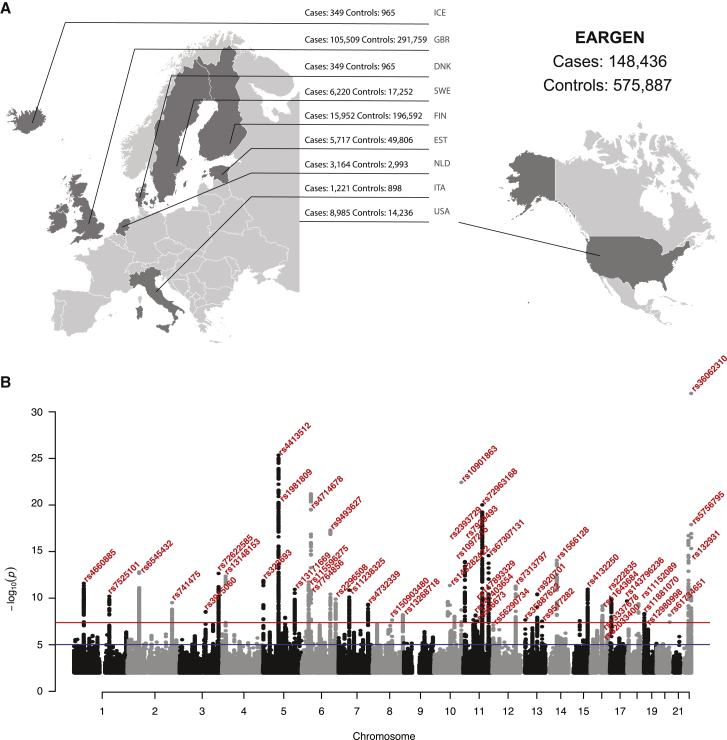
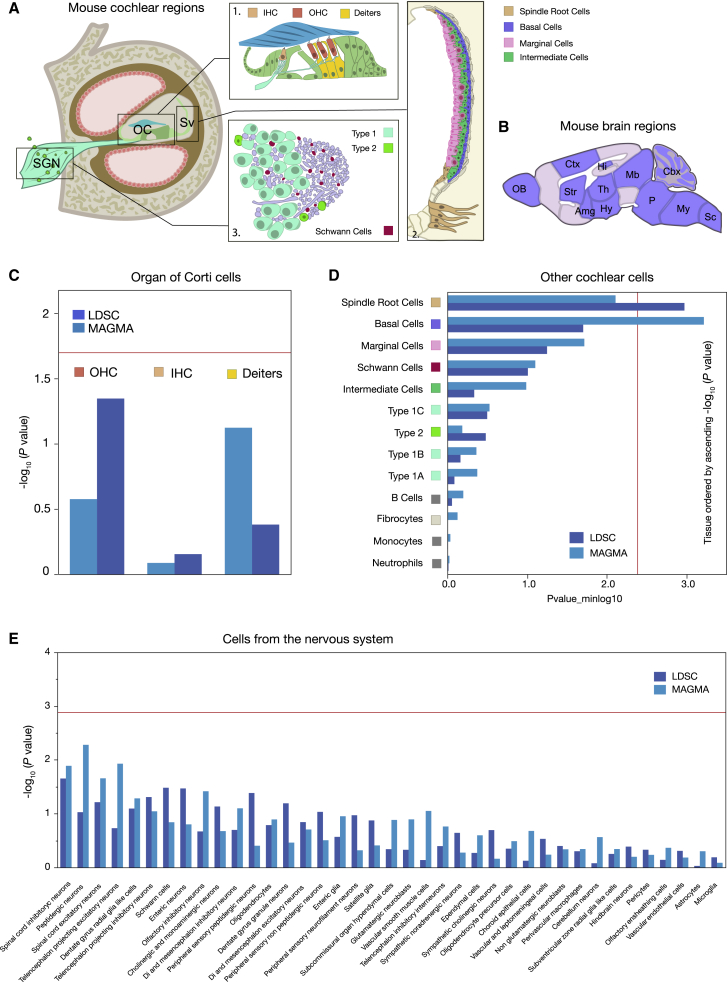
Hearing loss is one of the top contributors to years lived with disability and is a risk factor for dementia. Molecular evidence on the cellular origins of hearing loss in humans is growing. Here, we performed a genome-wide association meta-analysis of clinically diagnosed and self-reported hearing impairment on 723,266 individuals and identified 48 significant loci, 10 of which are novel. A large proportion of associations comprised missense variants, half of which lie within known familial hearing loss loci. We used single-cell RNA-sequencing data from mouse cochlea and brain and mapped common-variant genomic results to spindle, root, and basal cells from the stria vascularis, a structure in the cochlea necessary for normal hearing. Our findings indicate the importance of the stria vascularis in the mechanism of hearing impairment, providing future paths for developing targets for therapeutic intervention in hearing loss.
听力损失是导致残疾年数的主要原因之一,也是痴呆的一个风险因素。关于人类听力损失的细胞起源的分子证据正在不断增加。在这里,我们对 723266 个人进行了临床诊断和自我报告的听力障碍的全基因组关联荟萃分析,确定了 48 个显著的位点,其中 10 个是新的。很大一部分关联包括错义变异,其中一半位于已知的家族性听力损失位点内。我们使用来自小鼠耳蜗和大脑的单细胞 RNA 测序数据,并将常见变异基因组结果映射到血管纹的纺锤形、根形和基底细胞,血管纹是耳蜗中正常听力所必需的结构。我们的研究结果表明血管纹在听力损伤机制中的重要性,为开发听力损失治疗靶点提供了未来的途径。