Division of Plant Sciences, Institute for Biology, University of Graz, Holteigasse 6, 8010, Graz, Austria.
Multiphase Chemistry Department, Max Planck Institute for Chemistry, Hahn-Meitner-Weg 1, 55128, Mainz, Germany.
Biol Rev Camb Philos Soc. 2022 Oct;97(5):1768-1785. doi: 10.1111/brv.12862. Epub 2022 May 18.
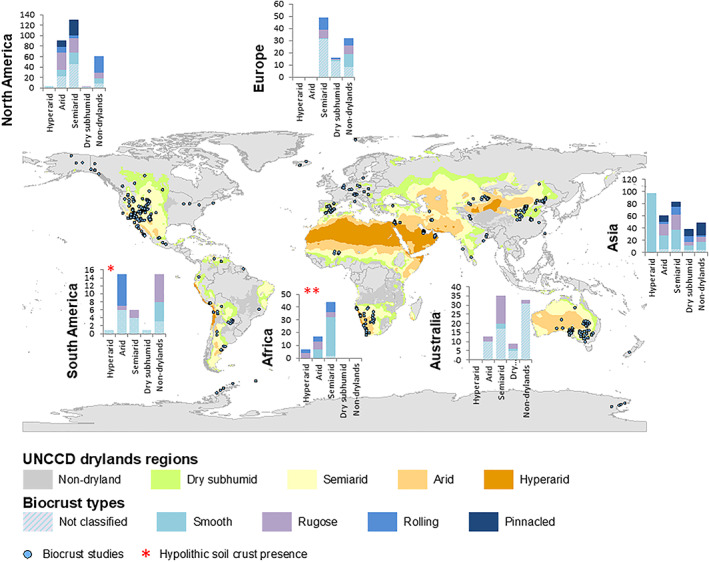
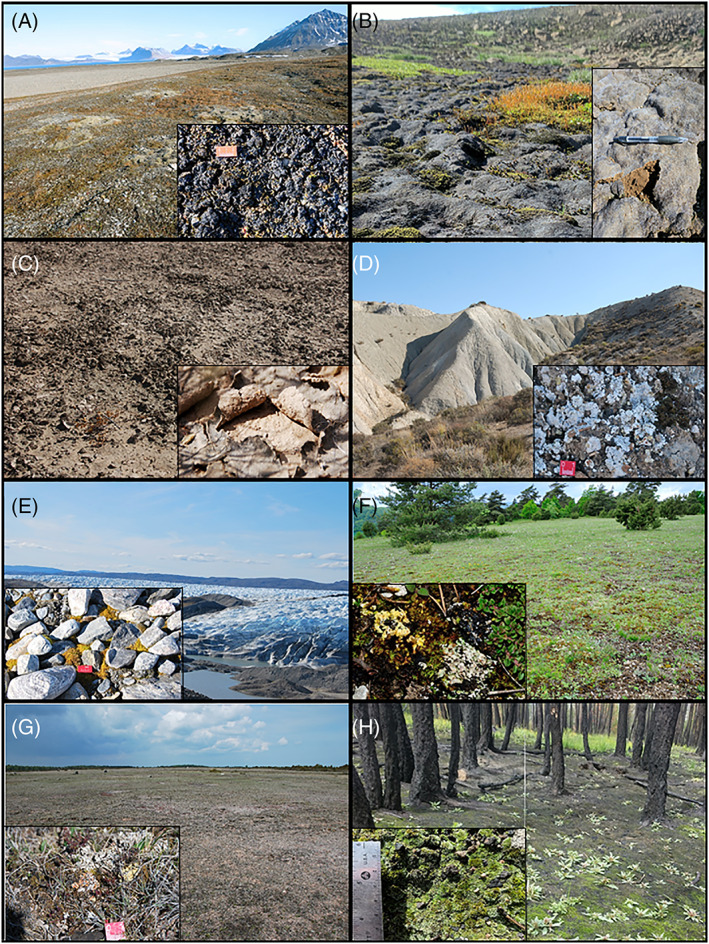
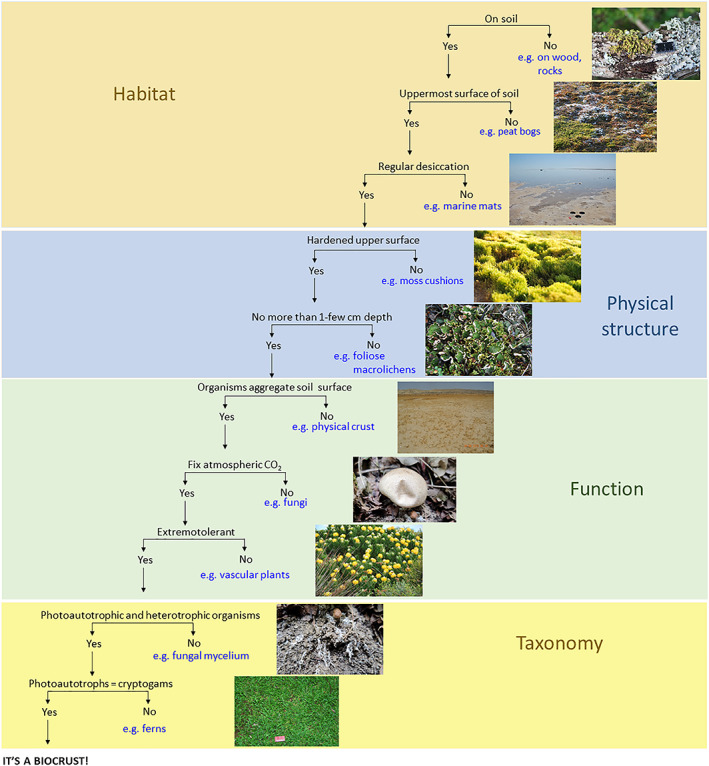
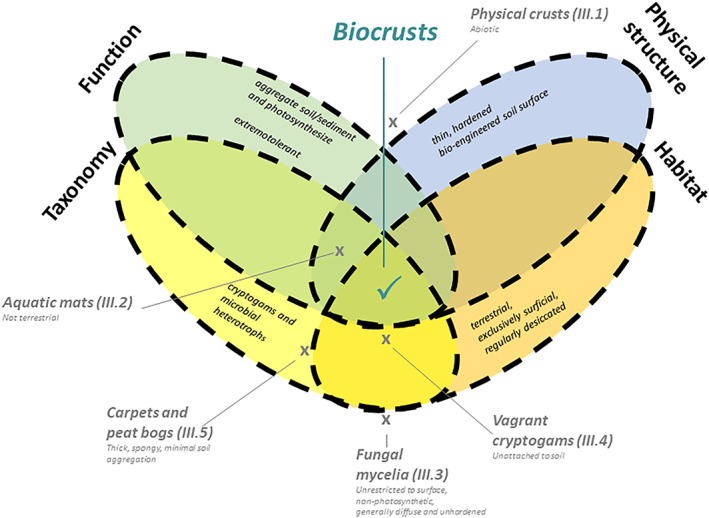
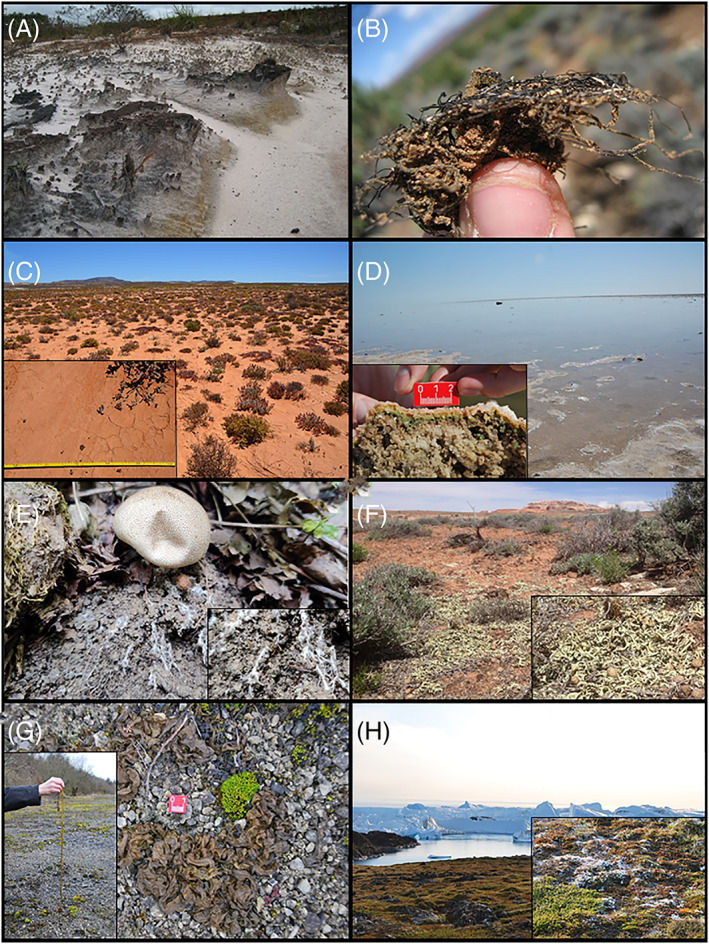
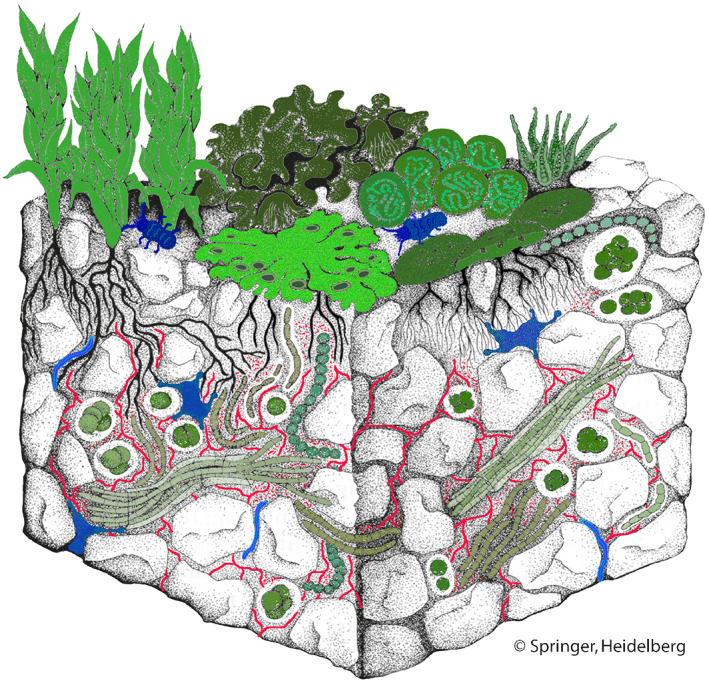
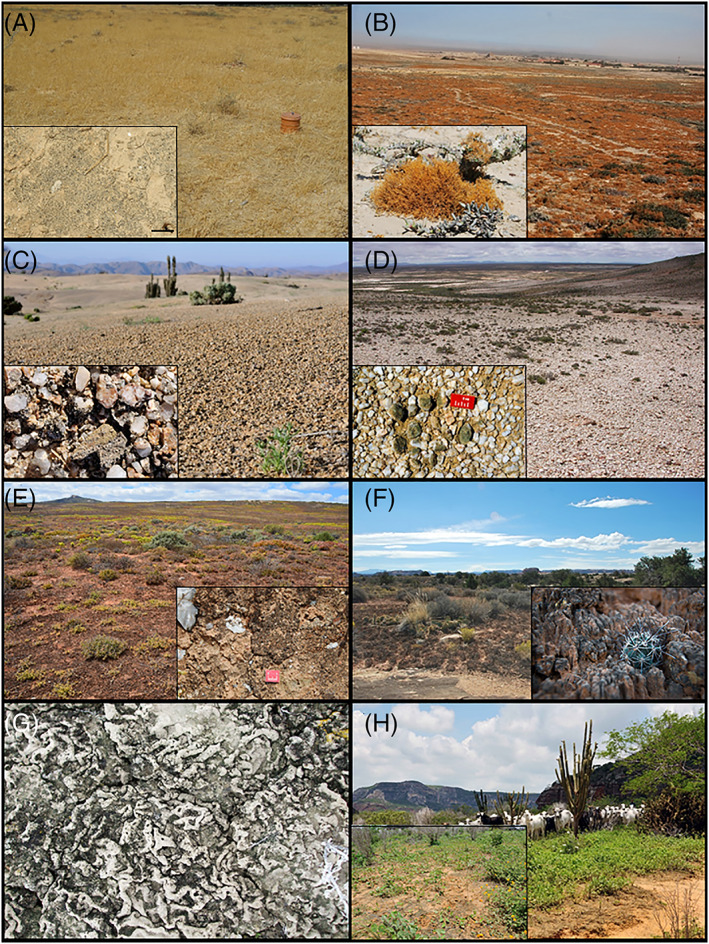
Studies of biological soil crusts (biocrusts) have proliferated over the last few decades. The biocrust literature has broadened, with more studies assessing and describing the function of a variety of biocrust communities in a broad range of biomes and habitats and across a large spectrum of disciplines, and also by the incorporation of biocrusts into global perspectives and biogeochemical models. As the number of biocrust researchers increases, along with the scope of soil communities defined as 'biocrust', it is worth asking whether we all share a clear, universal, and fully articulated definition of what constitutes a biocrust. In this review, we synthesize the literature with the views of new and experienced biocrust researchers, to provide a refined and fully elaborated definition of biocrusts. In doing so, we illustrate the ecological relevance and ecosystem services provided by them. We demonstrate that biocrusts are defined by four distinct elements: physical structure, functional characteristics, habitat, and taxonomic composition. We describe outgroups, which have some, but not all, of the characteristics necessary to be fully consistent with our definition and thus would not be considered biocrusts. We also summarize the wide variety of different types of communities that fall under our definition of biocrusts, in the process of highlighting their global distribution. Finally, we suggest the universal use of the Belnap, Büdel & Lange definition, with minor modifications: Biological soil crusts (biocrusts) result from an intimate association between soil particles and differing proportions of photoautotrophic (e.g. cyanobacteria, algae, lichens, bryophytes) and heterotrophic (e.g. bacteria, fungi, archaea) organisms, which live within, or immediately on top of, the uppermost millimetres of soil. Soil particles are aggregated through the presence and activity of these often extremotolerant biota that desiccate regularly, and the resultant living crust covers the surface of the ground as a coherent layer. With this detailed definition of biocrusts, illustrating their ecological functions and widespread distribution, we hope to stimulate interest in biocrust research and inform various stakeholders (e.g. land managers, land users) on their overall importance to ecosystem and Earth system functioning.
生物土壤结皮(biocrusts)的研究在过去几十年中迅速发展。biocrust 文献的范围不断扩大,更多的研究评估和描述了各种生物结皮群落在广泛的生物群落和栖息地中的功能,并跨越了多个学科领域,同时也将生物结皮纳入了全球视角和生物地球化学模型。随着生物结皮研究人员的数量增加,以及被定义为“生物结皮”的土壤群落的范围扩大,值得我们思考的是,我们是否都对生物结皮的构成有一个清晰、普遍和充分阐述的定义。在本综述中,我们综合了文献资料和新老生物结皮研究人员的观点,提供了一个经过提炼和充分阐述的生物结皮定义。通过这样做,我们说明了它们提供的生态相关性和生态系统服务。我们证明,生物结皮由四个不同的元素定义:物理结构、功能特征、栖息地和分类组成。我们描述了外群,它们具有一些但不是全部必要特征,因此不完全符合我们的定义,因此不应被视为生物结皮。我们还总结了属于我们的生物结皮定义范围内的各种不同类型的群落,在此过程中强调了它们的全球分布。最后,我们建议使用 Belnap、Büdel 和 Lange的定义,并进行一些小的修改:生物土壤结皮(biocrusts)是土壤颗粒与不同比例的自养生物(如蓝细菌、藻类、地衣、苔藓植物)和异养生物(如细菌、真菌、古菌)之间的紧密共生关系的结果,这些生物生活在土壤的最上层几毫米处或直接位于其上方。由于这些通常具有极端耐干性的生物的存在和活动,土壤颗粒聚集在一起,并且由此产生的活体结皮作为一个连贯的层覆盖地面表面。通过对生物结皮的详细定义,说明了它们的生态功能和广泛的分布,我们希望激发对生物结皮研究的兴趣,并向各种利益相关者(如土地管理者、土地使用者)告知它们对生态系统和地球系统功能的总体重要性。