Oleaga Carlota, Lavado Andrea, Riu Anne, Rothemund Sandra, Carmona-Moran Carlos A, Persaud Keisha, Yurko Andrew, Lear Jennifer, Narasimhan Narasimhan Sriram, Long Christopher J, Sommerhage Frank, Bridges L Richard, Cai Yunqing, Martin Candace, Schnepper Mark T, Goswami Arindom, Note Reine, Langer Jessica, Teissier Silvia, Cotovio José, Hickman James J
NanoScience Technology Center, University of Central Florida, 12424 Research Parkway Suite 400, Orlando, FL 32826.
L'Oreal Research, and Innovation Division, Aulnay-sous-Bois, France.
Adv Funct Mater. 2019 Feb 21;29(8). doi: 10.1002/adfm.201805792. Epub 2018 Dec 14.
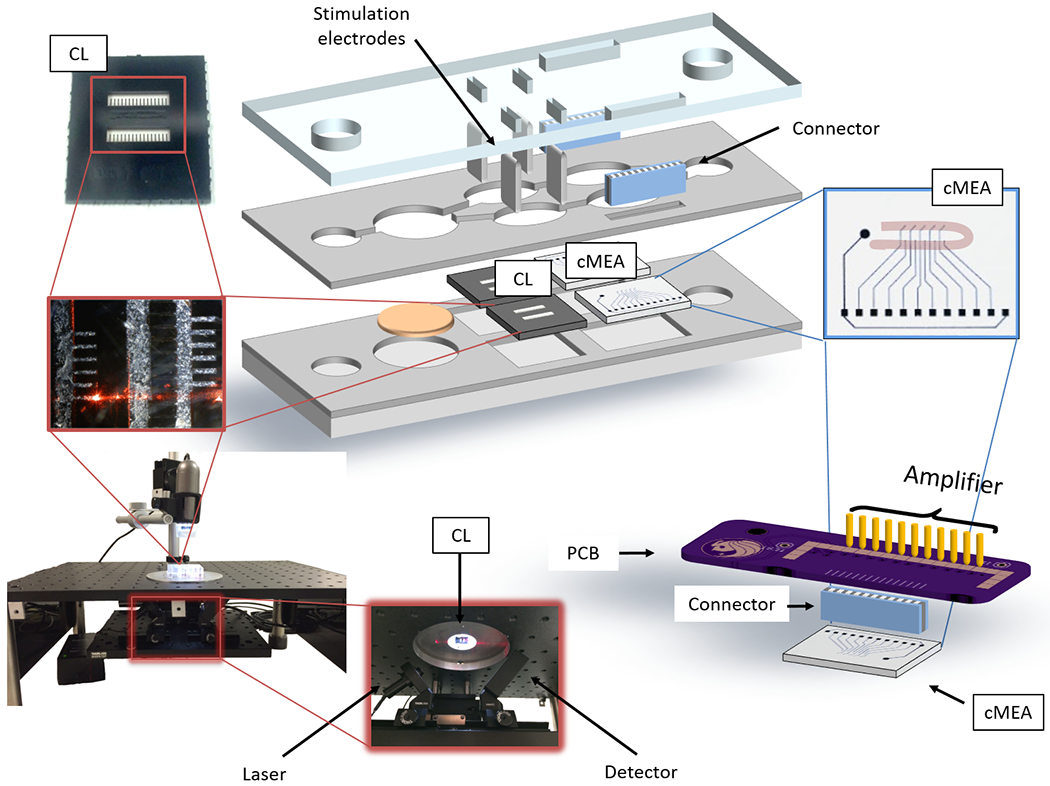
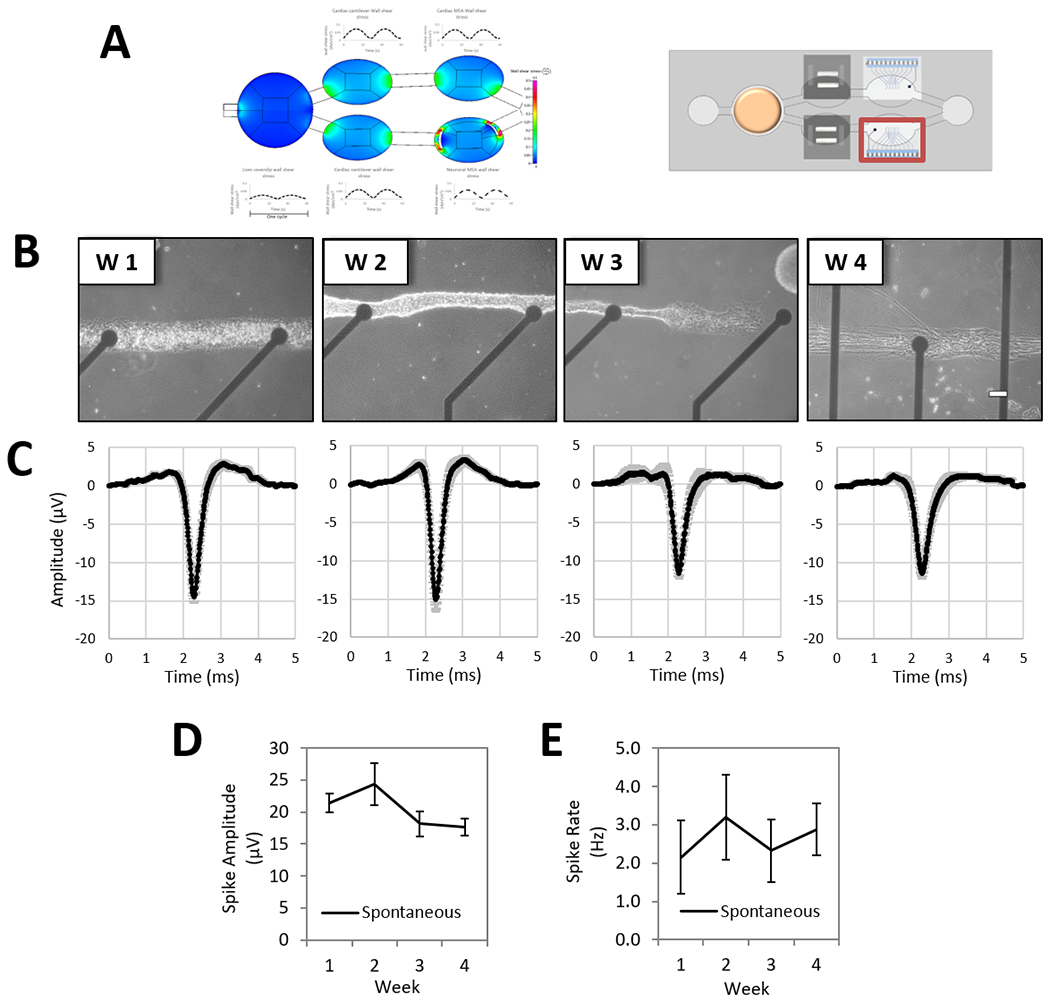
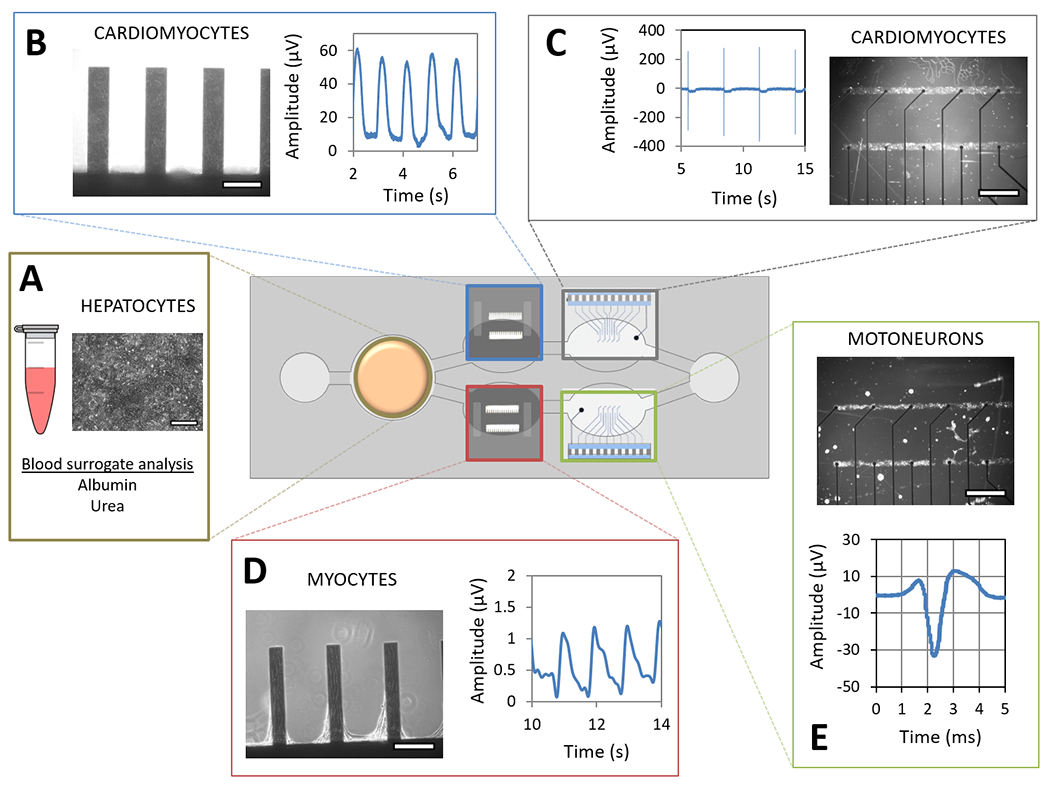
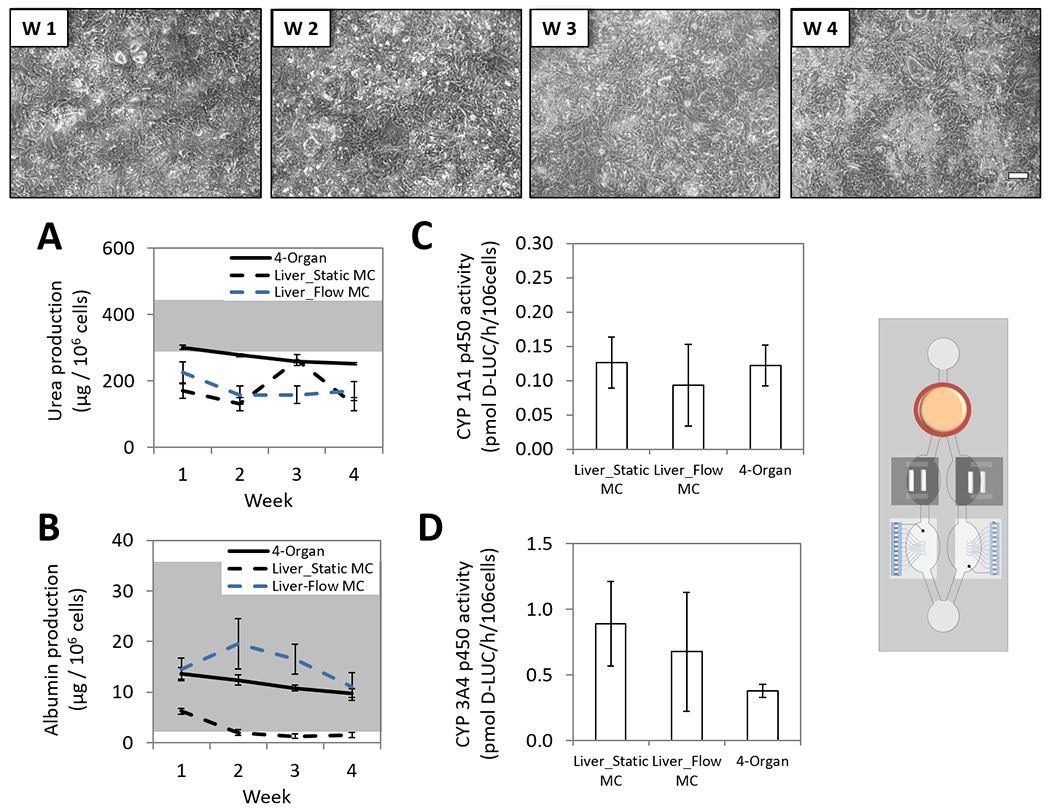
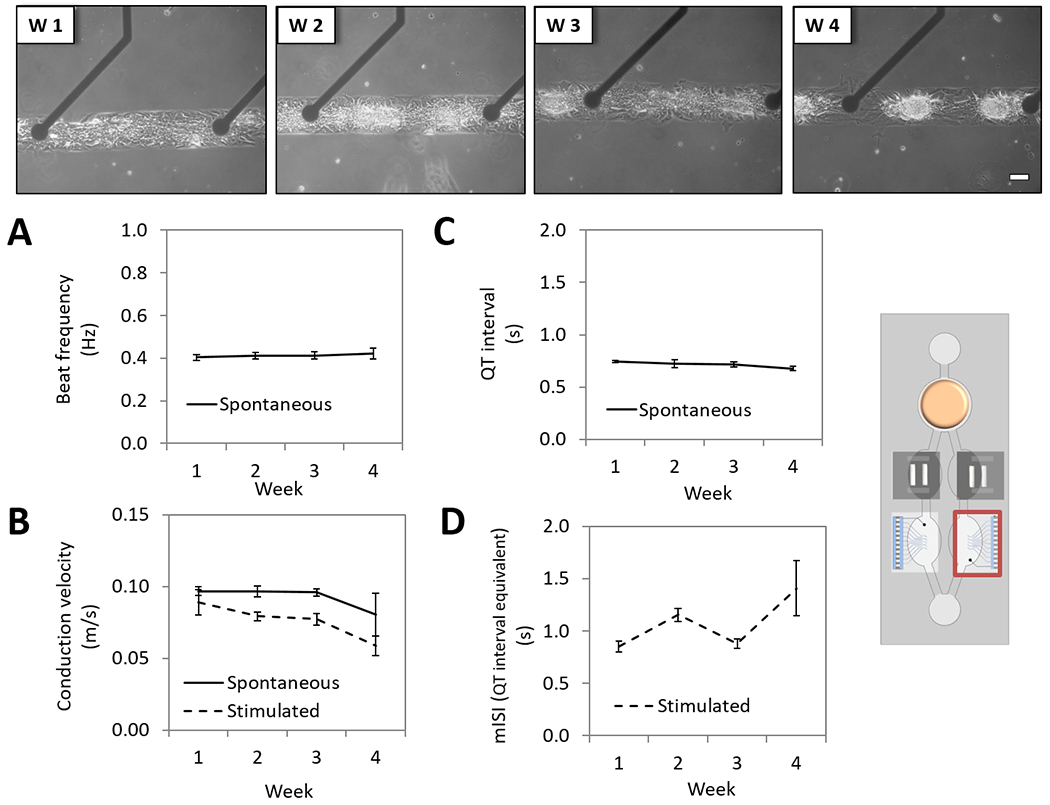
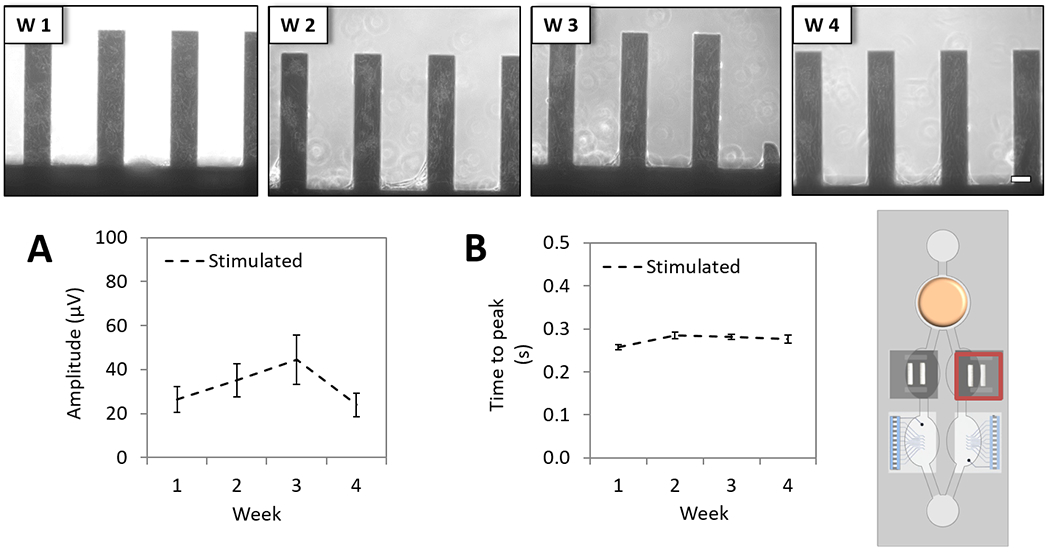
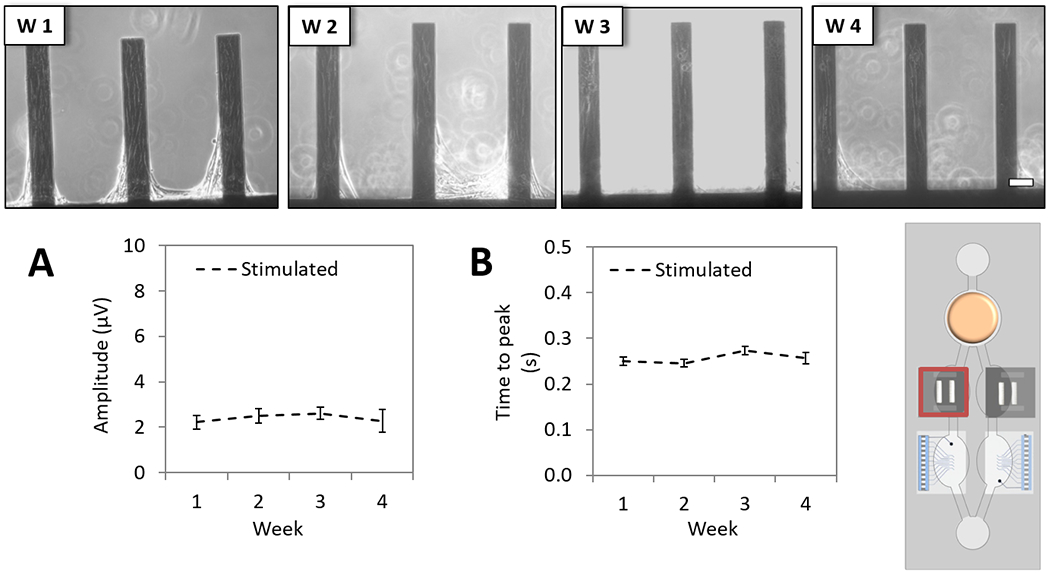
The goal of human-on-a-chip systems is to capture multi-organ complexity and predict the human response to compounds within physiologically relevant platforms. The generation and characterization of such systems is currently a focal point of research given the long-standing inadequacies of conventional techniques for predicting human outcome. Functional systems can measure and quantify key cellular mechanisms that correlate with the physiological status of a tissue, and can be used to evaluate therapeutic challenges utilizing many of the same endpoints used in animal experiments or clinical trials. Culturing multiple organ compartments in a platform creates a more physiologic environment (organ-organ communication). Here is reported a human 4-organ system composed of heart, liver, skeletal muscle and nervous system modules that maintains cellular viability and function over 28 days in serum-free conditions using a pumpless system. The integration of non-invasive electrical evaluation of neurons and cardiac cells and mechanical determination of cardiac and skeletal muscle contraction allows the monitoring of cellular function especially for chronic toxicity studies . The 28 day period is the minimum timeframe for animal studies to evaluate repeat dose toxicity. This technology could be a relevant alternative to animal testing by monitoring multi-organ function upon long term chemical exposure.
人体芯片系统的目标是在生理相关平台上捕捉多器官的复杂性,并预测人体对化合物的反应。鉴于传统技术在预测人体结果方面长期存在不足,此类系统的生成和特性描述目前是研究的重点。功能系统可以测量和量化与组织生理状态相关的关键细胞机制,并可用于利用动物实验或临床试验中使用的许多相同终点来评估治疗挑战。在一个平台中培养多个器官隔室可创造一个更具生理性的环境(器官间通讯)。本文报道了一种由心脏、肝脏、骨骼肌和神经系统模块组成的人体四器官系统,该系统使用无泵系统在无血清条件下28天内维持细胞活力和功能。对神经元和心脏细胞进行非侵入性电评估以及对心脏和骨骼肌收缩进行机械测定相结合,可实现对细胞功能的监测,特别是用于慢性毒性研究。28天的时间段是动物研究评估重复剂量毒性的最短时间框架。通过监测长期化学暴露后的多器官功能,这项技术可能成为动物试验的一种相关替代方法。