Department of Molecular and Cellular Biology, University of California, Davis, Davis, United States.
Mount Desert Island Biological Laboratory, Bar Harbor, United States.
Elife. 2022 May 19;11:e76014. doi: 10.7554/eLife.76014.
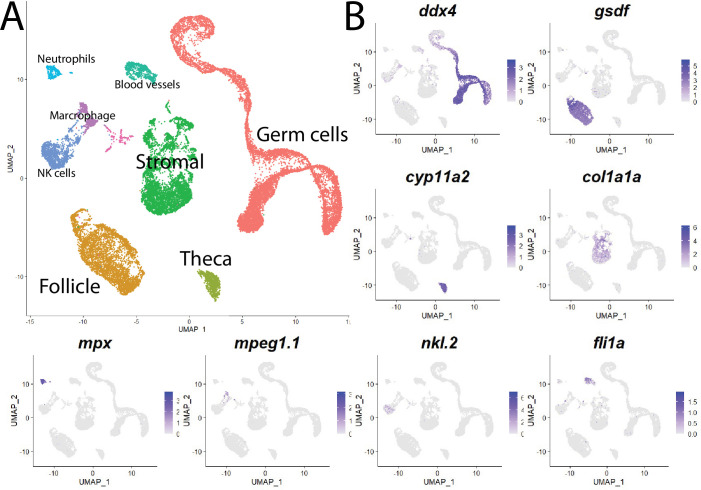
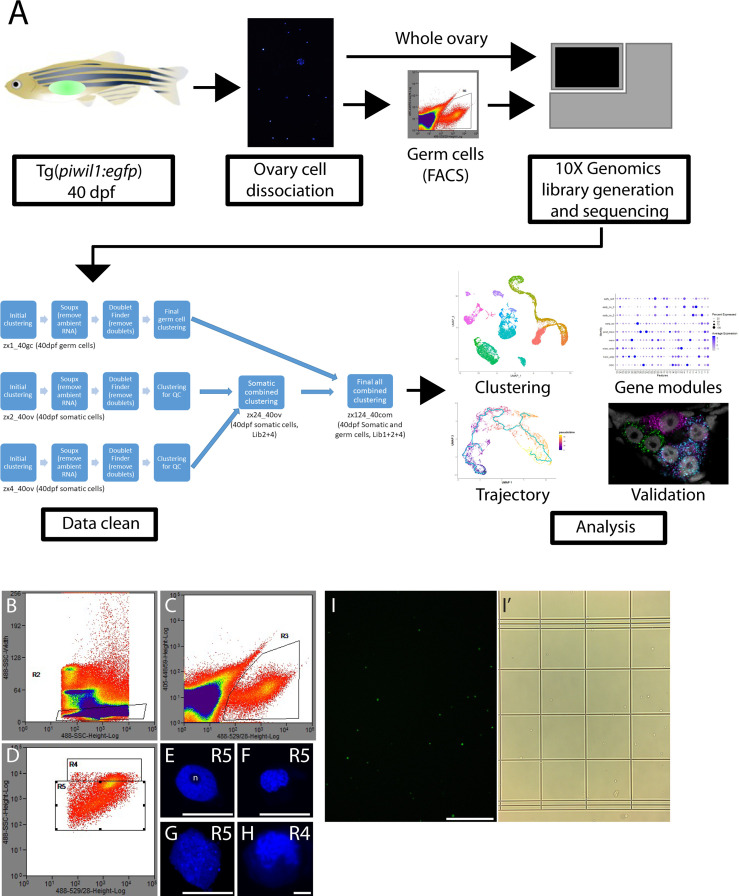
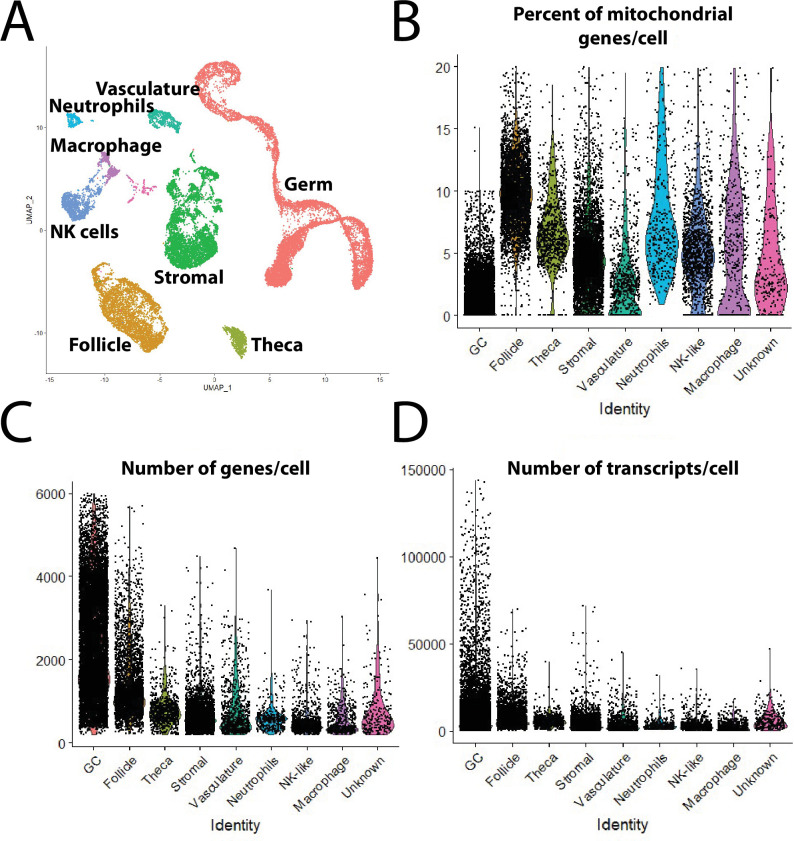
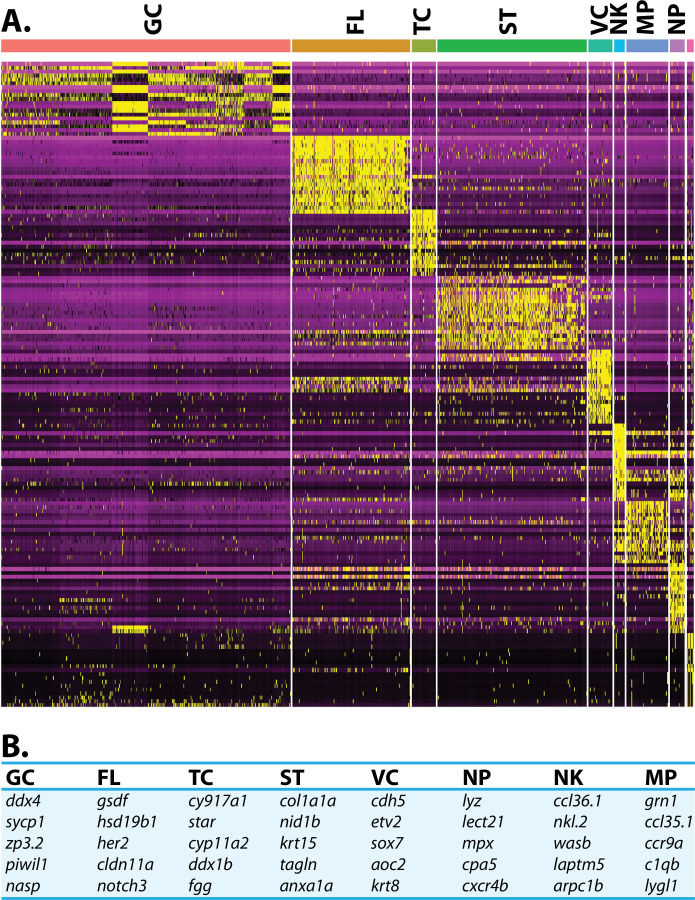
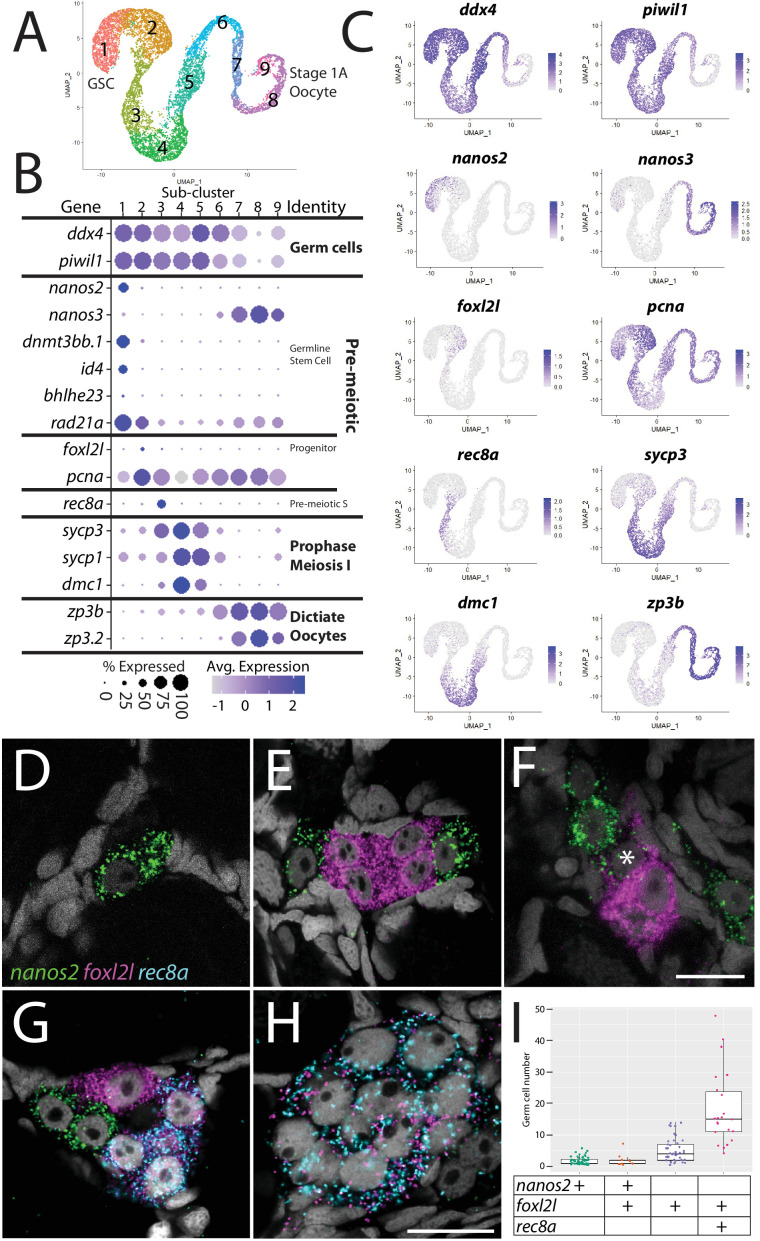
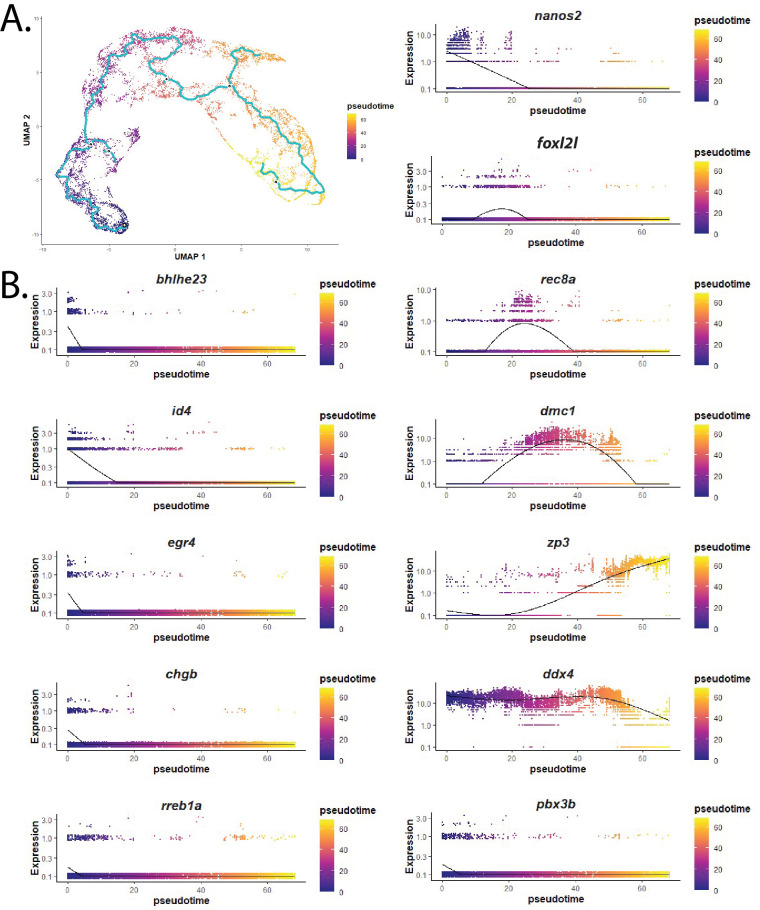
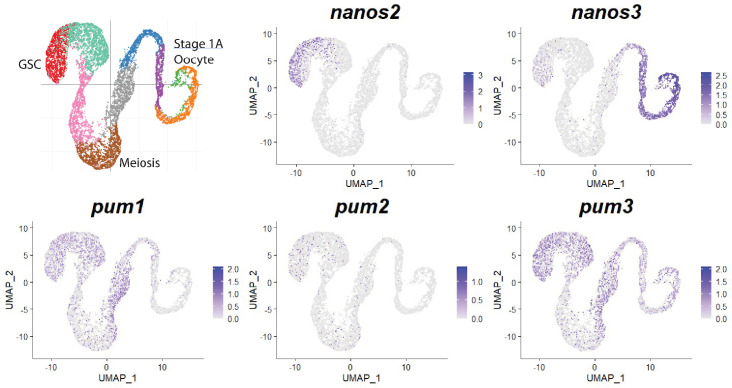
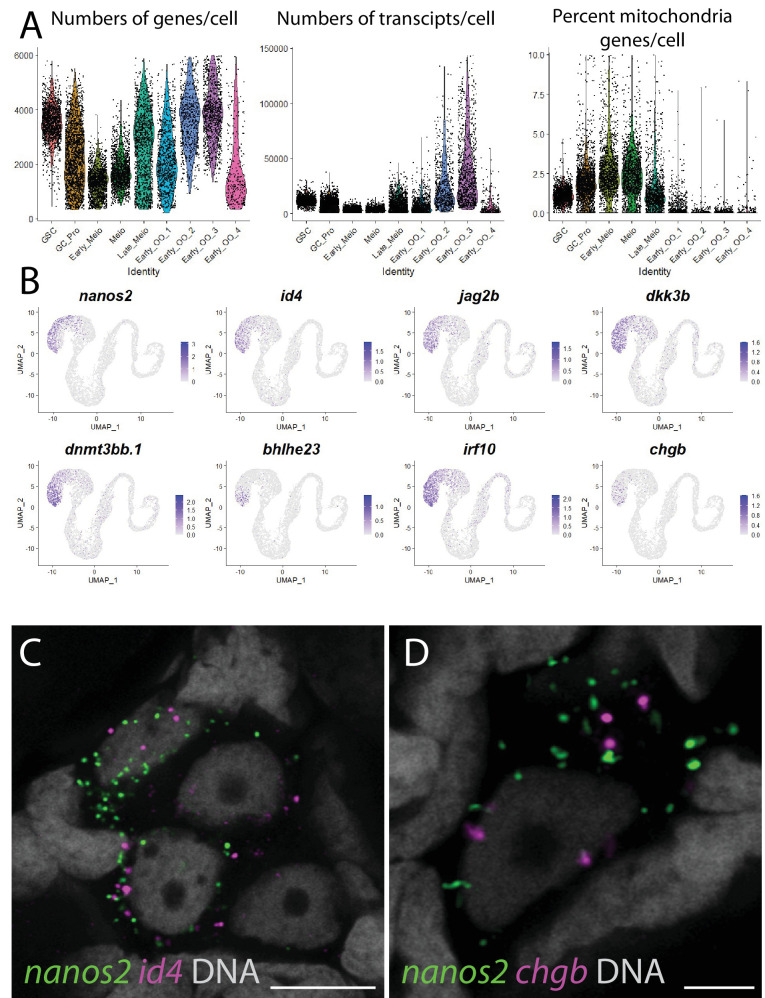
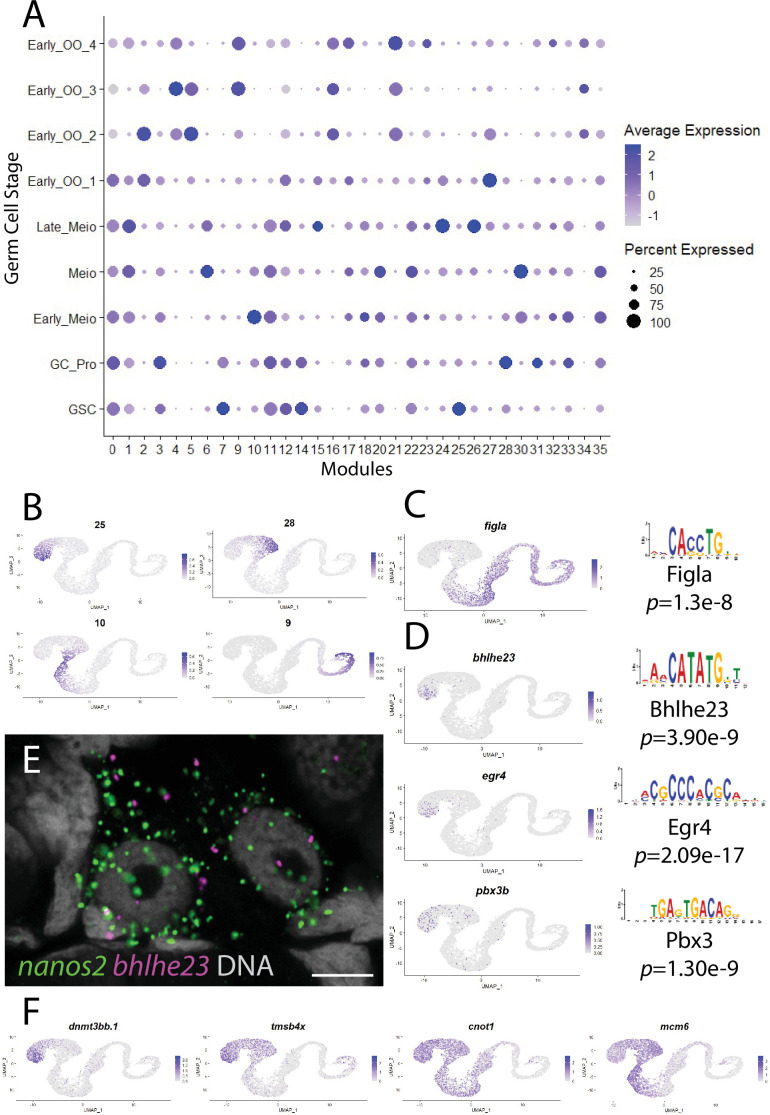
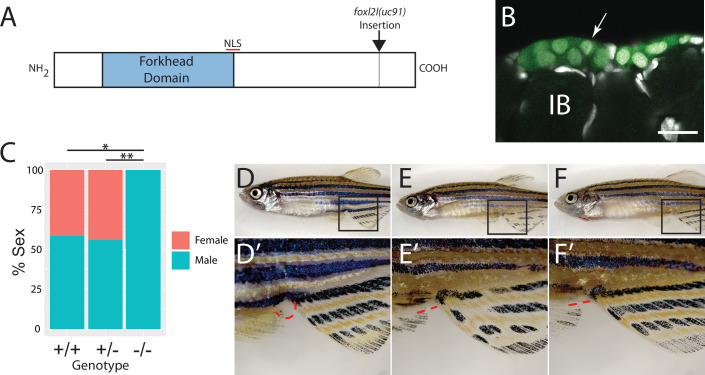
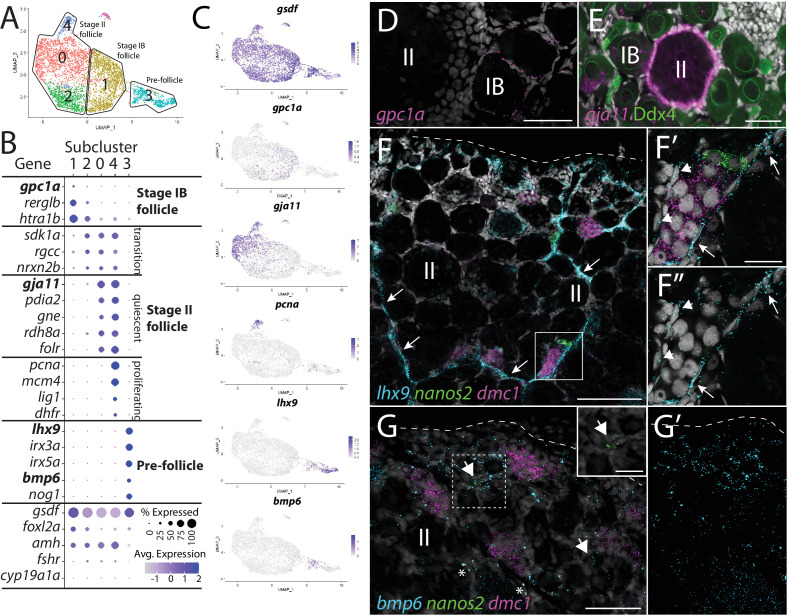
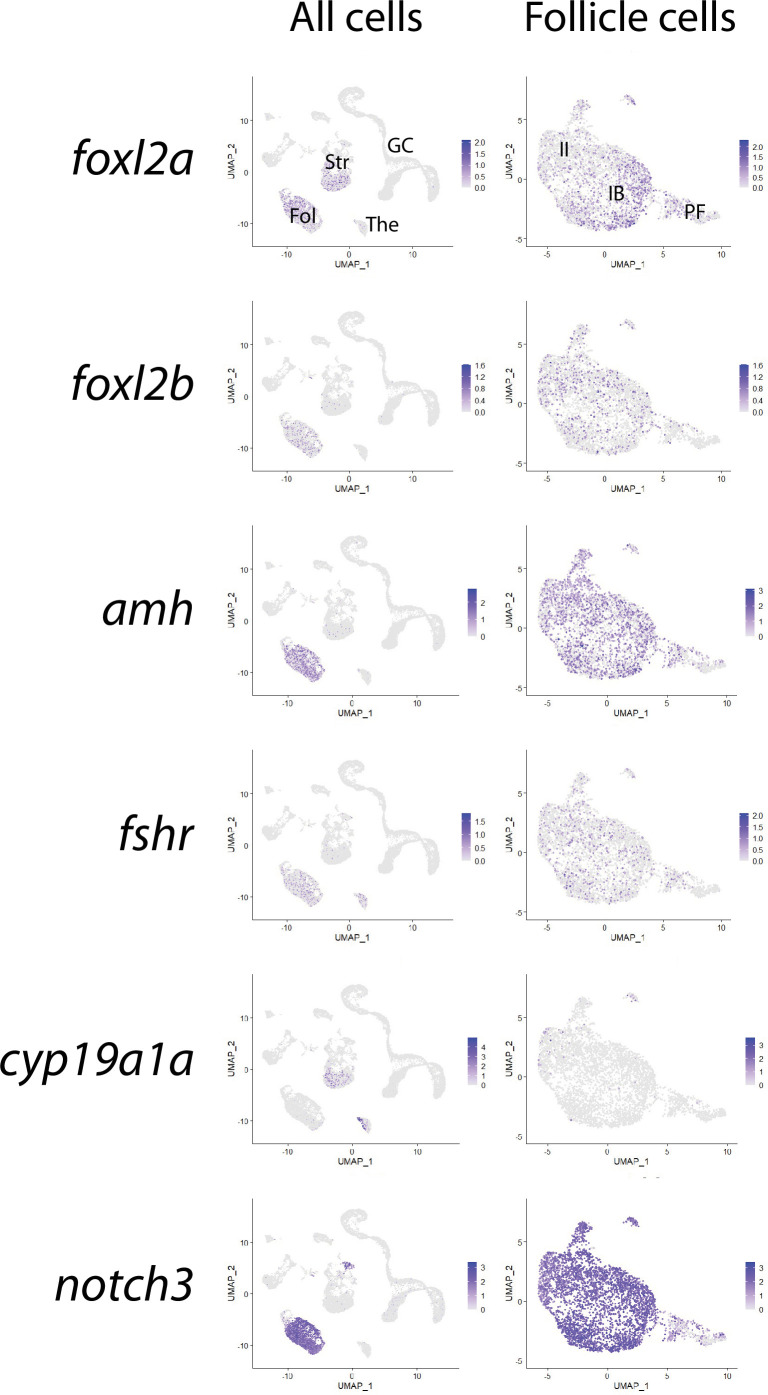
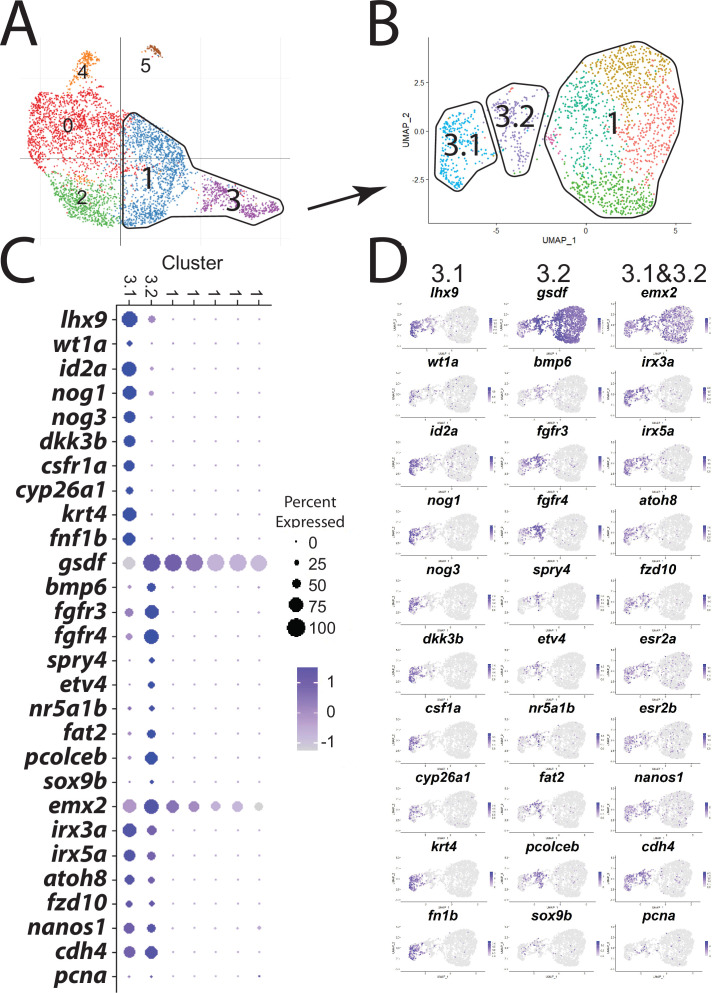
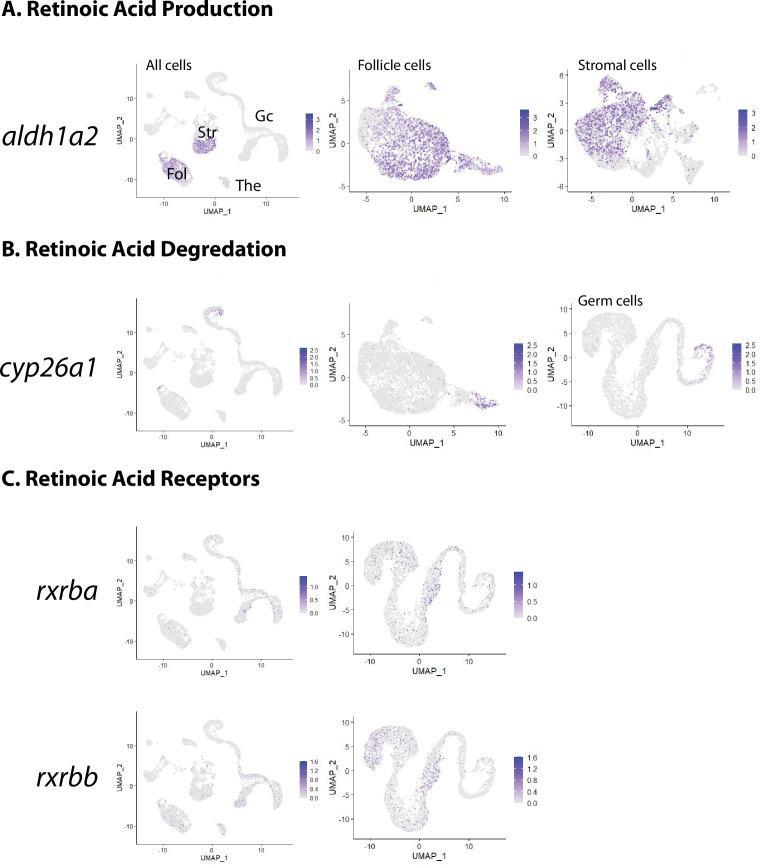
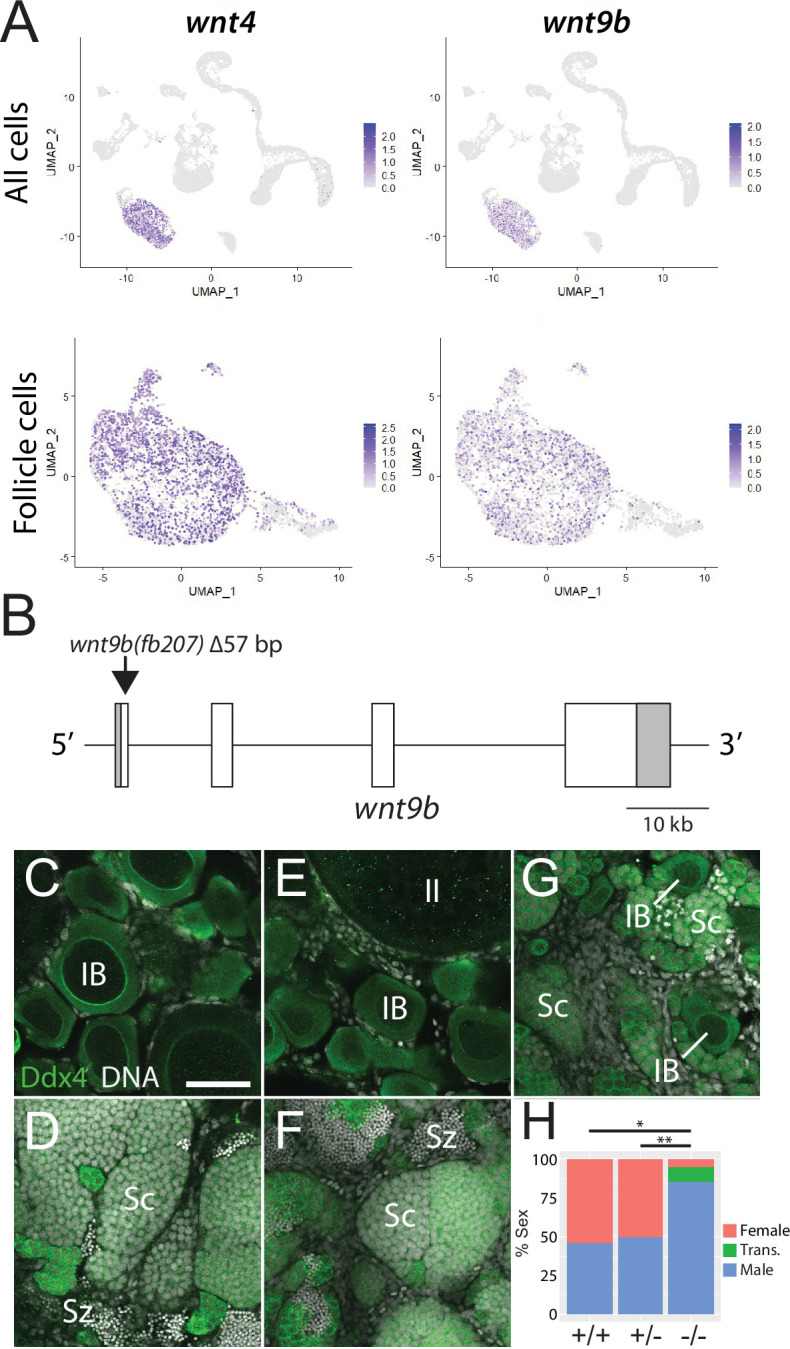
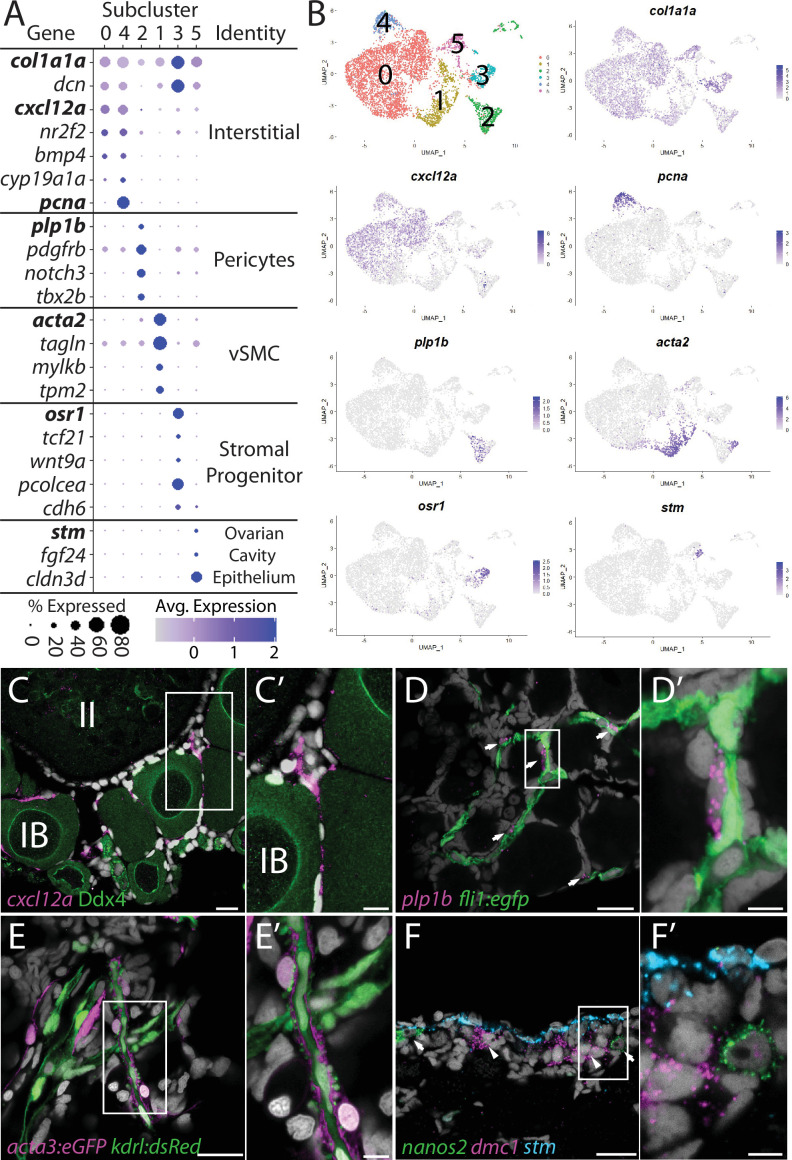
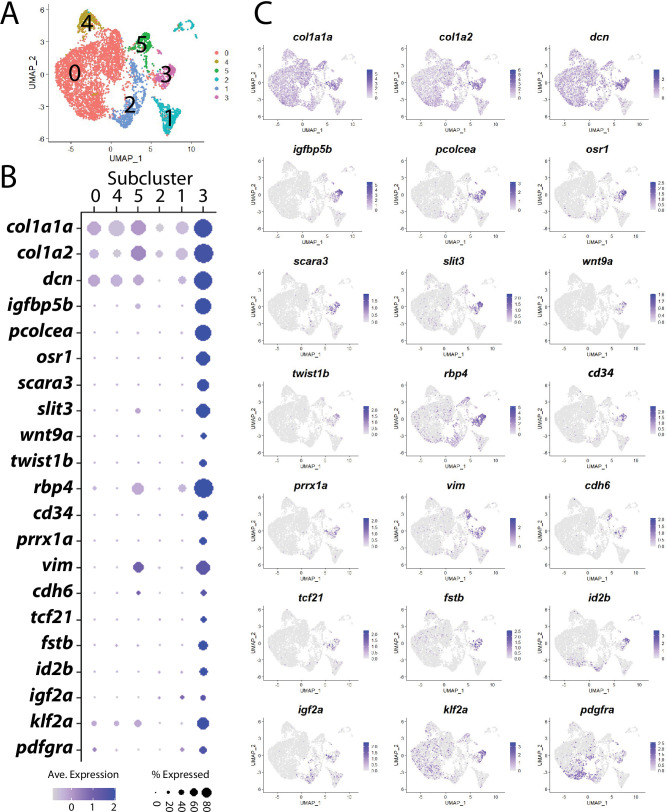
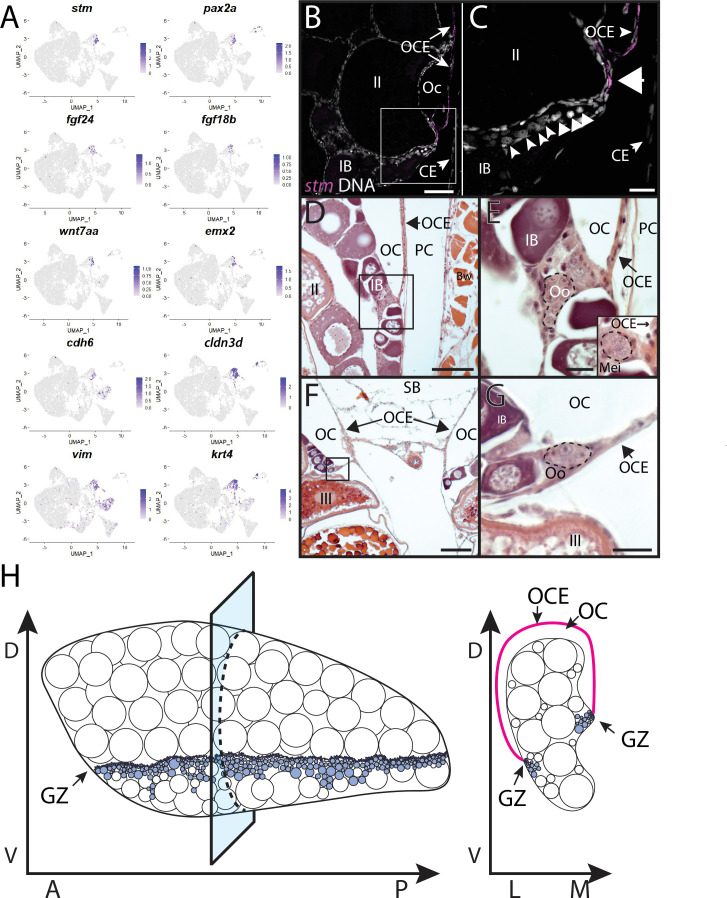
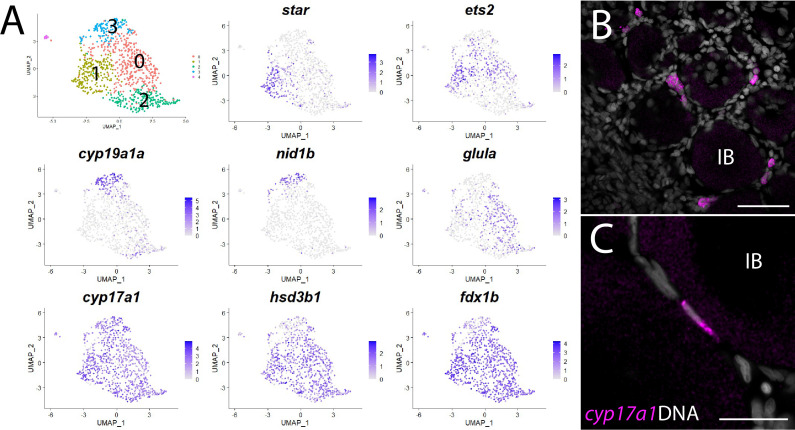
Zebrafish are an established research organism that has made many contributions to our understanding of vertebrate tissue and organ development, yet there are still significant gaps in our understanding of the genes that regulate gonad development, sex, and reproduction. Unlike the development of many organs, such as the brain and heart that form during the first few days of development, zebrafish gonads do not begin to form until the larval stage (≥5 days post-fertilization). Thus, forward genetic screens have identified very few genes required for gonad development. In addition, bulk RNA-sequencing studies that identify genes expressed in the gonads do not have the resolution necessary to define minor cell populations that may play significant roles in the development and function of these organs. To overcome these limitations, we have used single-cell RNA sequencing to determine the transcriptomes of cells isolated from juvenile zebrafish ovaries. This resulted in the profiles of 10,658 germ cells and 14,431 somatic cells. Our germ cell data represents all developmental stages from germline stem cells to early meiotic oocytes. Our somatic cell data represents all known somatic cell types, including follicle cells, theca cells, and ovarian stromal cells. Further analysis revealed an unexpected number of cell subpopulations within these broadly defined cell types. To further define their functional significance, we determined the location of these cell subpopulations within the ovary. Finally, we used gene knockout experiments to determine the roles of and for oocyte development and sex determination and/or differentiation, respectively. Our results reveal novel insights into zebrafish ovarian development and function, and the transcriptome profiles will provide a valuable resource for future studies.
斑马鱼是一种成熟的研究生物,它为我们理解脊椎动物组织和器官的发育做出了许多贡献,但我们对调节性腺发育、性别和生殖的基因仍知之甚少。与大脑和心脏等许多器官在发育的头几天形成不同,斑马鱼的性腺直到幼体期(受精后≥5 天)才开始形成。因此,正向遗传筛选只鉴定出了很少的性腺发育所必需的基因。此外,用于鉴定在性腺中表达的基因的批量 RNA 测序研究,没有确定可能在这些器官的发育和功能中发挥重要作用的少数细胞群体的分辨率。为了克服这些限制,我们使用单细胞 RNA 测序来确定从小型斑马鱼卵巢中分离出的细胞的转录组。这导致了 10658 个生殖细胞和 14431 个体细胞的图谱。我们的生殖细胞数据代表了从生殖干细胞到早期减数分裂卵母细胞的所有发育阶段。我们的体细胞数据代表了所有已知的体细胞类型,包括滤泡细胞、膜细胞和卵巢基质细胞。进一步的分析揭示了这些广泛定义的细胞类型中存在大量的细胞亚群。为了进一步确定它们的功能意义,我们确定了这些细胞亚群在卵巢中的位置。最后,我们使用基因敲除实验确定了和分别在卵母细胞发育和性别决定/分化中的作用。我们的结果揭示了斑马鱼卵巢发育和功能的新见解,转录组图谱将为未来的研究提供有价值的资源。