Bioengineering and Robotics Research Center E. Piaggio, University of Pisa, 56122 Pisa, Italy.
Department of Information Engineering, School of Engineering, University of Pisa, 56122 Pisa, Italy.
Proc Natl Acad Sci U S A. 2022 May 24;119(21):e2119599119. doi: 10.1073/pnas.2119599119. Epub 2022 May 19.
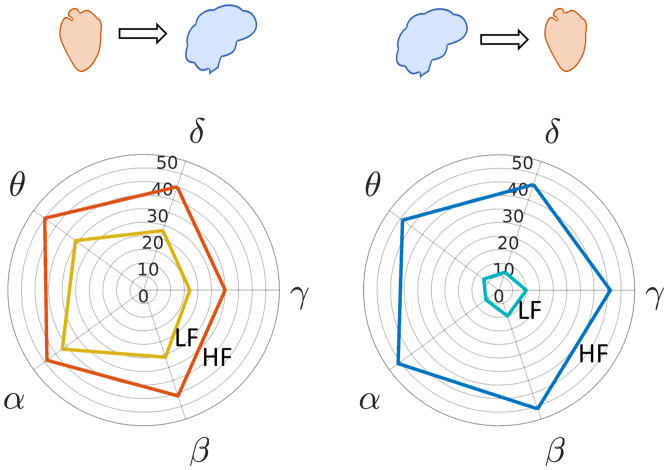
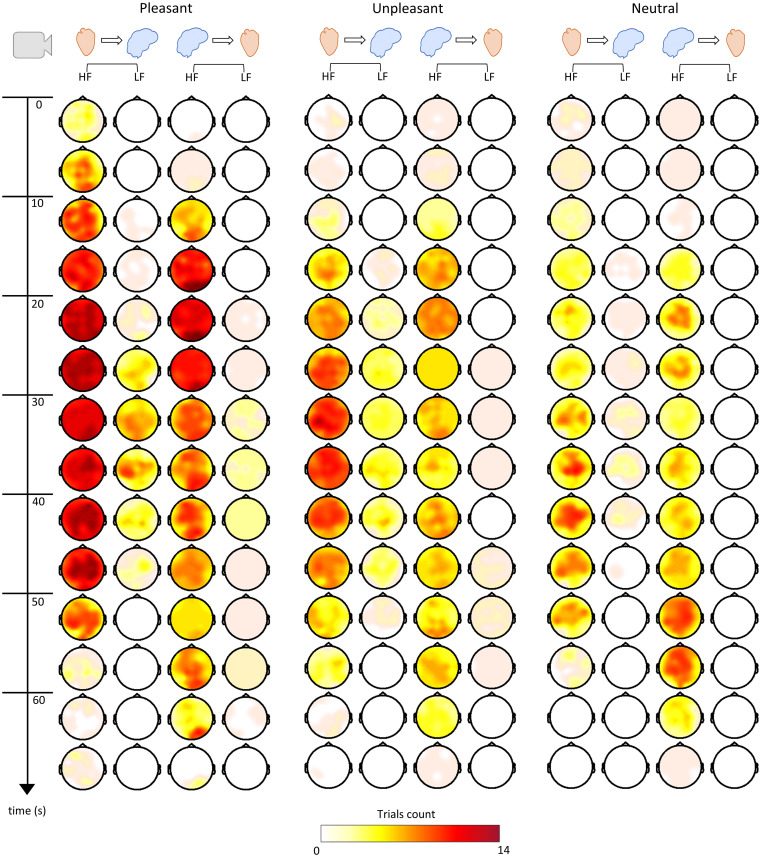
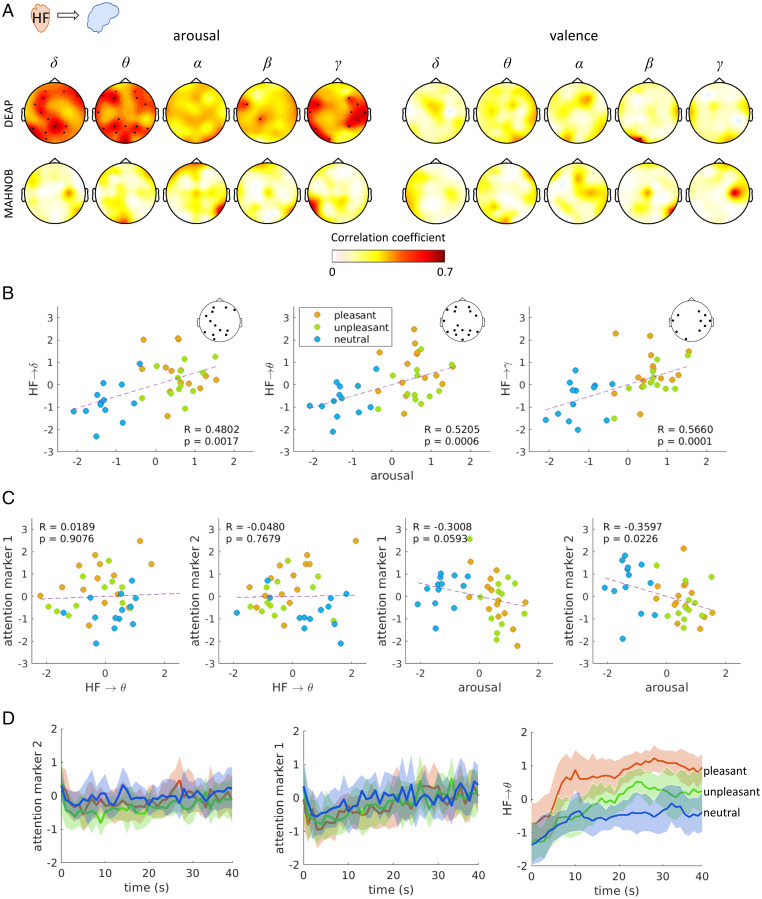
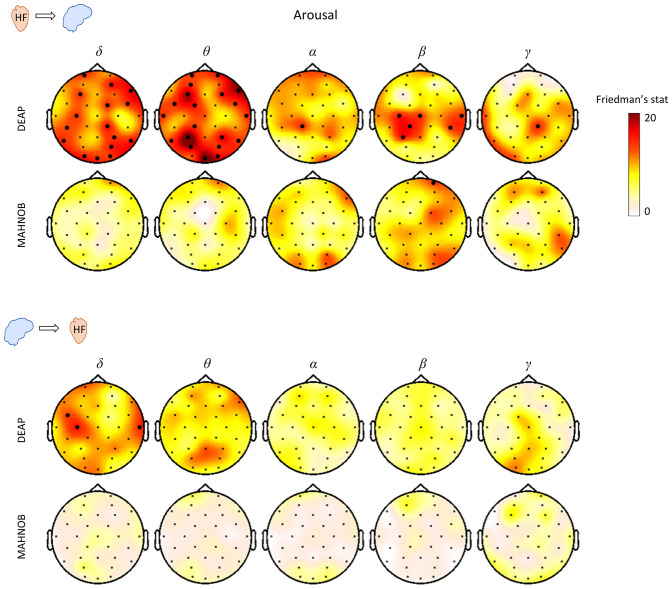
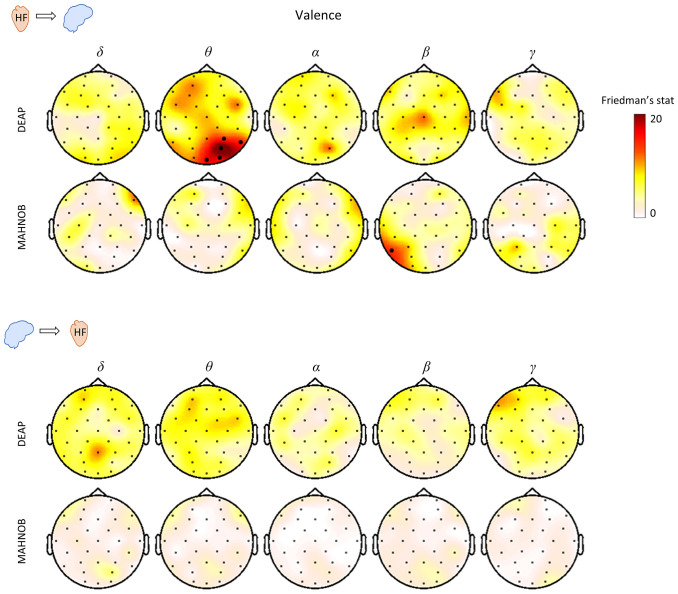
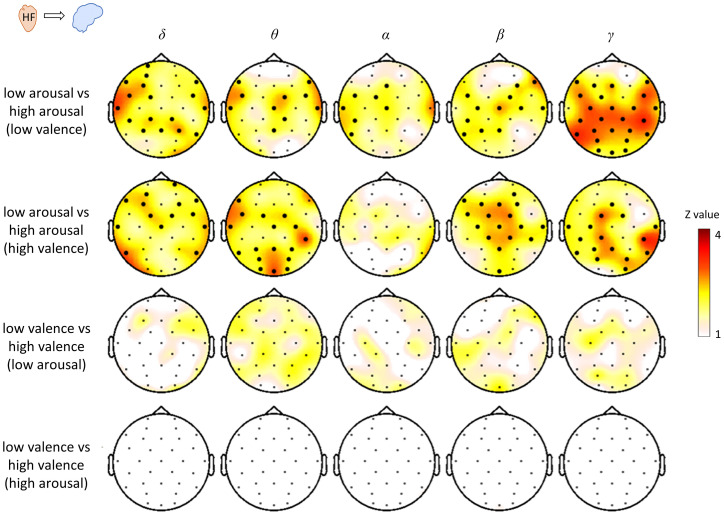
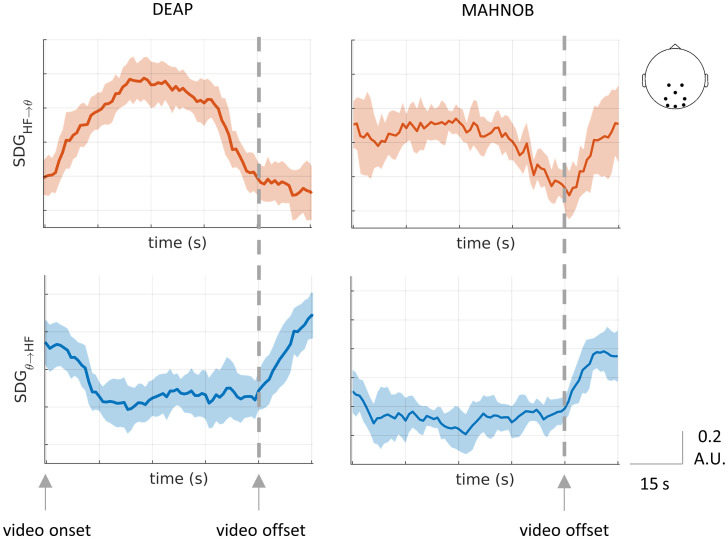
A century-long debate on bodily states and emotions persists. While the involvement of bodily activity in emotion physiology is widely recognized, the specificity and causal role of such activity related to brain dynamics has not yet been demonstrated. We hypothesize that the peripheral neural control on cardiovascular activity prompts and sustains brain dynamics during an emotional experience, so these afferent inputs are processed by the brain by triggering a concurrent efferent information transfer to the body. To this end, we investigated the functional brain–heart interplay under emotion elicitation in publicly available data from 62 healthy subjects using a computational model based on synthetic data generation of electroencephalography and electrocardiography signals. Our findings show that sympathovagal activity plays a leading and causal role in initiating the emotional response, in which ascending modulations from vagal activity precede neural dynamics and correlate to the reported level of arousal. The subsequent dynamic interplay observed between the central and autonomic nervous systems sustains the processing of emotional arousal. These findings should be particularly revealing for the psychophysiology and neuroscience of emotions.
一个关于身体状态和情绪的长达一个世纪的争论仍在继续。虽然身体活动在情绪生理学中的参与得到了广泛的认可,但与大脑动力学相关的这种活动的特异性和因果作用尚未得到证明。我们假设,心血管活动的外周神经控制在情绪体验期间提示和维持大脑动力学,因此这些传入输入通过触发到身体的并发传出信息传递而被大脑处理。为此,我们使用基于脑电图和心电图信号的合成数据生成的计算模型,在来自 62 名健康受试者的公开可用数据中调查了情绪诱发下的功能大脑-心脏相互作用。我们的研究结果表明,交感神经活动在引发情绪反应中起着主导和因果作用,其中来自迷走神经活动的上升调制先于神经动力学,并与报告的唤醒水平相关。在中枢和自主神经系统之间观察到的随后的动态相互作用维持了情绪唤醒的处理。这些发现对于情绪的心理生理学和神经科学应该特别有启发性。