Department of Pharmaceutical and Environmental Sciences, Tokyo Metropolitan Institute of Public Health, 3-24-1 Hyakunincho, Shinjuku, Tokyo, 169-0073, Japan.
Center for Biological Safety and Research, National Institute of Health Sciences, Kanagawa, Japan.
Part Fibre Toxicol. 2022 May 19;19(1):38. doi: 10.1186/s12989-022-00478-7.
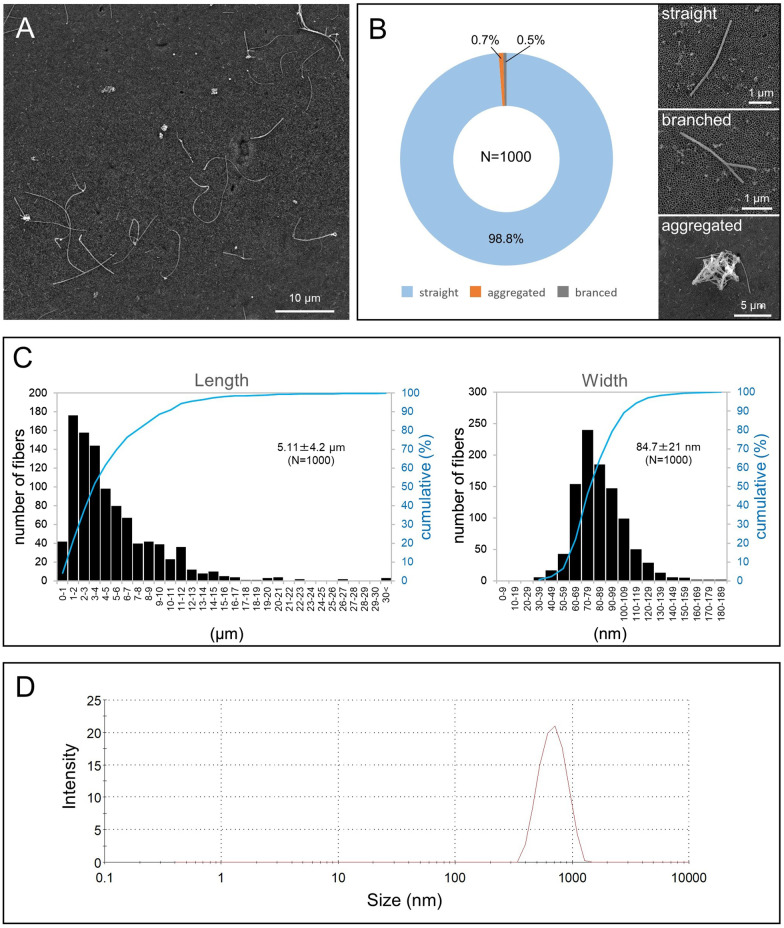
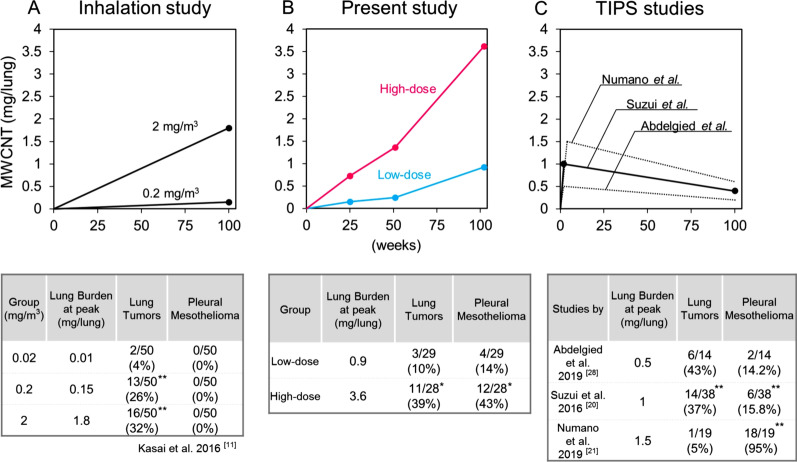
A mounting number of studies have been documenting the carcinogenic potential of multiwalled carbon nanotubes (MWCNTs); however, only a few studies have evaluated the pulmonary carcinogenicity of MWCNTs in vivo. A 2-year inhalation study demonstrated that MWNT-7, a widely used MWCNT, was a pulmonary carcinogen in rats. In another 2-year study, rats administered MWNT-7 by intratracheal instillation at the beginning of the experimental period developed pleural mesotheliomas but not lung tumors. To obtain data more comparable with rats exposed to MWNT-7 by inhalation, we administered MWNT-7 to F344 rats by intratracheal instillation once every 4-weeks over the course of 2 years at 0, 0.125, and 0.5 mg/kg body weight, allowing lung burdens of MWNT-7 to increase over the entire experimental period, similar to the inhalation study.
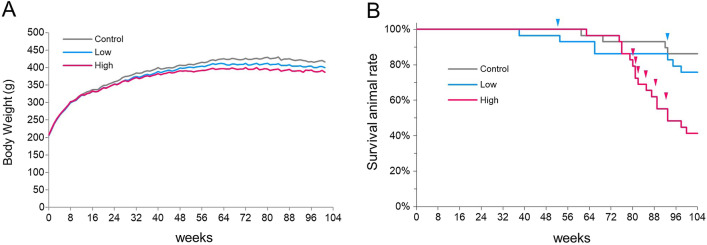
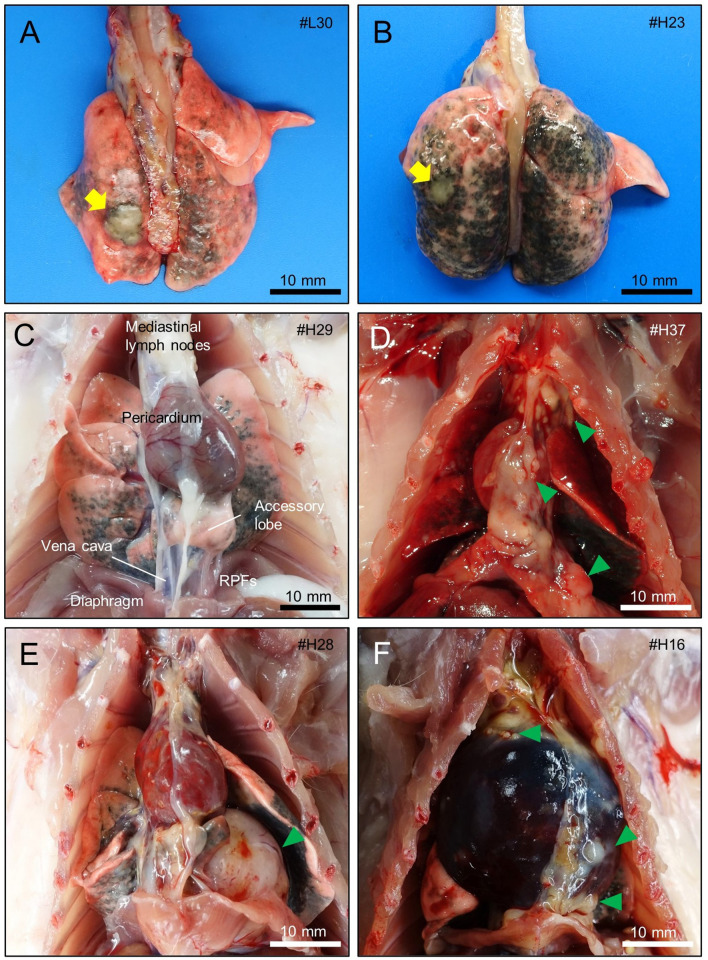
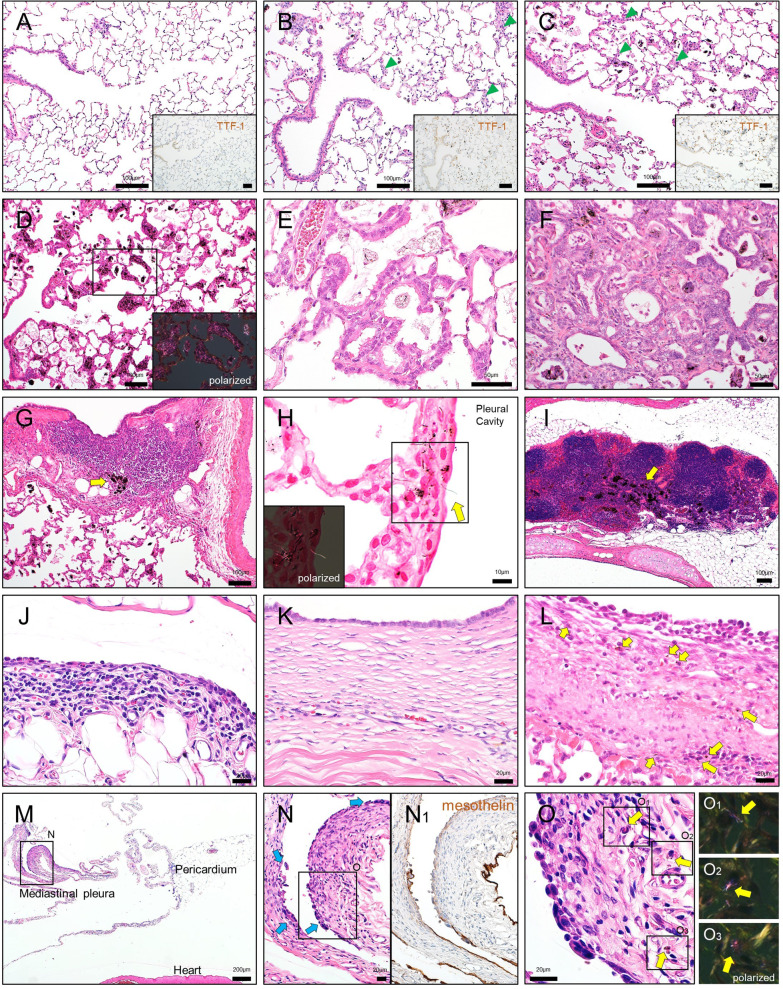
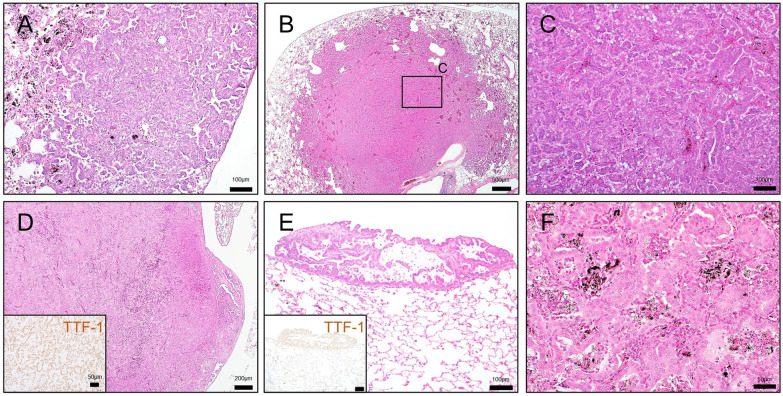
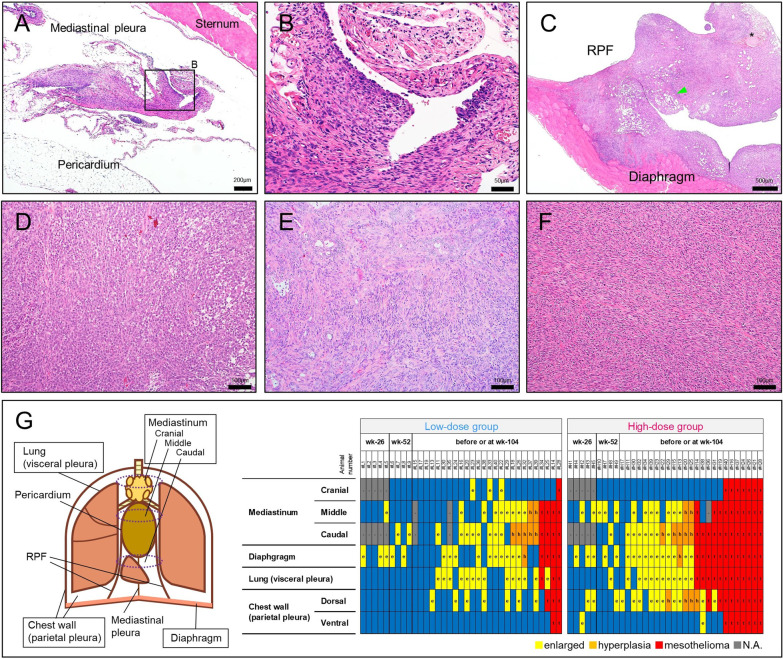
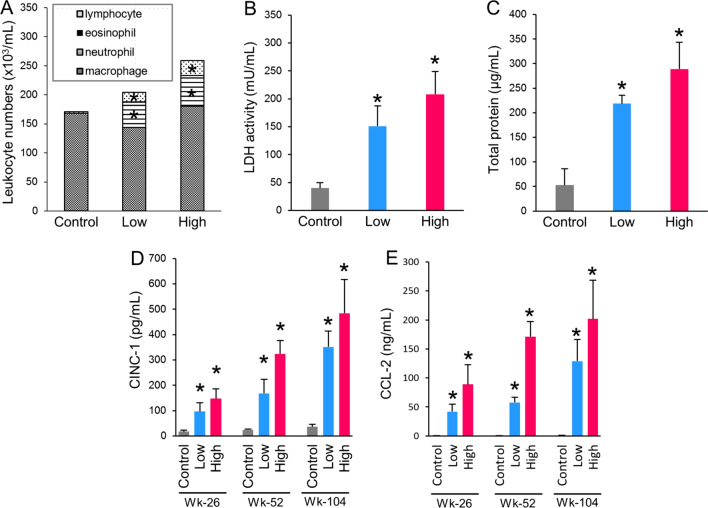
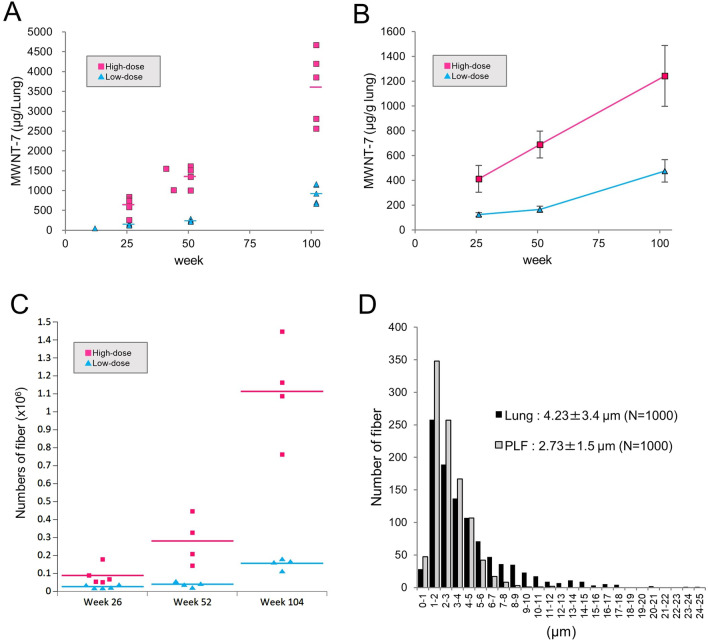
Absolute and relative lung weights were significantly elevated in both MWNT-7-treated groups. Dose- and time-dependent toxic effects in the lung and pleura, such as inflammatory, fibrotic, and hyperplastic lesions, were found in both treated groups. The incidences of lung carcinomas, lung adenomas, and pleural mesotheliomas were significantly increased in the high-dose group compared with the control group. The pleural mesotheliomas developed mainly at the mediastinum. No MWNT-7-related neoplastic lesions were noted in the other organs. Cytological and biochemical parameters of the bronchoalveolar lavage fluid (BALF) were elevated in both treated groups. The lung burden of MWNT-7 was dose- and time-dependent, and at the terminal necropsy, the average value was 0.9 and 3.6 mg/lung in the low-dose and high-dose groups, respectively. The number of fibers in the pleural cavity was also dose- and time-dependent.
Repeated administration of MWNT-7 by intratracheal instillation over the 2 years indicates that MWNT-7 is carcinogenic to both the lung and pleura of rats, which differs from the results of the 2 carcinogenicity tests by inhalation or intratracheal instillation.
越来越多的研究记录了多壁碳纳米管(MWCNTs)的致癌潜力;然而,只有少数研究评估了 MWCNTs 在体内的肺部致癌性。一项为期两年的吸入研究表明,广泛使用的 MWNT-7 是大鼠的肺部致癌物。在另一项为期两年的研究中,在实验开始时通过气管内滴注给予 MWNT-7 的大鼠发展为胸膜间皮瘤,但没有肺癌肿瘤。为了获得与通过吸入暴露于 MWNT-7 的大鼠更可比的数据,我们通过气管内滴注在 2 年内每 4 周一次给予 F344 大鼠 MWNT-7,剂量为 0、0.125 和 0.5mg/kg 体重,允许 MWNT-7 的肺负荷在整个实验期间增加,类似于吸入研究。
在两个 MWNT-7 处理组中,绝对和相对肺重均显著升高。在两个处理组中均发现了肺部和胸膜的剂量和时间依赖性毒性作用,例如炎症、纤维化和增生性病变。与对照组相比,高剂量组肺癌、肺腺瘤和胸膜间皮瘤的发生率显著增加。胸膜间皮瘤主要发生在纵隔。在其他器官中未发现与 MWNT-7 相关的肿瘤病变。支气管肺泡灌洗液(BALF)的细胞学和生化参数在两个处理组中均升高。MWNT-7 的肺负荷与剂量和时间有关,在终末剖检时,低剂量和高剂量组的平均肺负荷分别为 0.9 和 3.6mg/肺。胸腔内纤维数量也与剂量和时间有关。
通过气管内滴注重复给予 MWNT-7 2 年表明,MWNT-7 对大鼠的肺和胸膜具有致癌性,这与通过吸入或气管内滴注进行的 2 项致癌性测试的结果不同。