Cancer J. 2022;28(3):208-223. doi: 10.1097/PPO.0000000000000591.
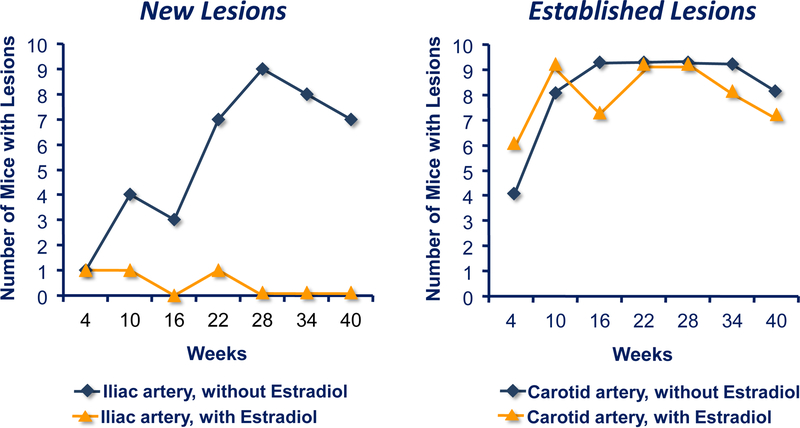
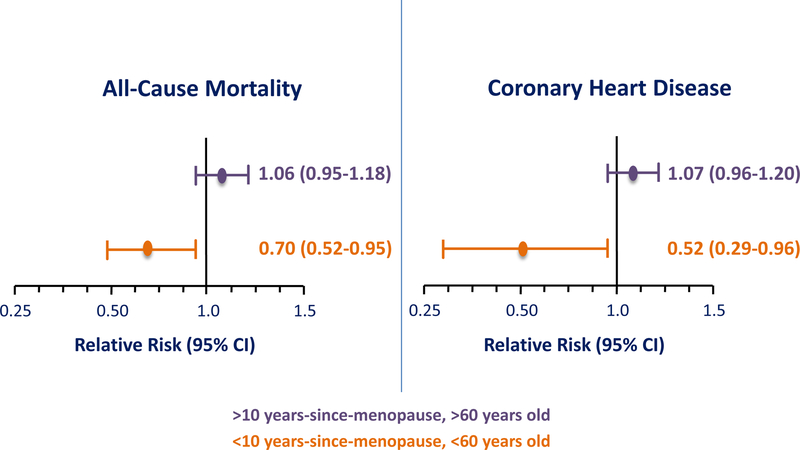
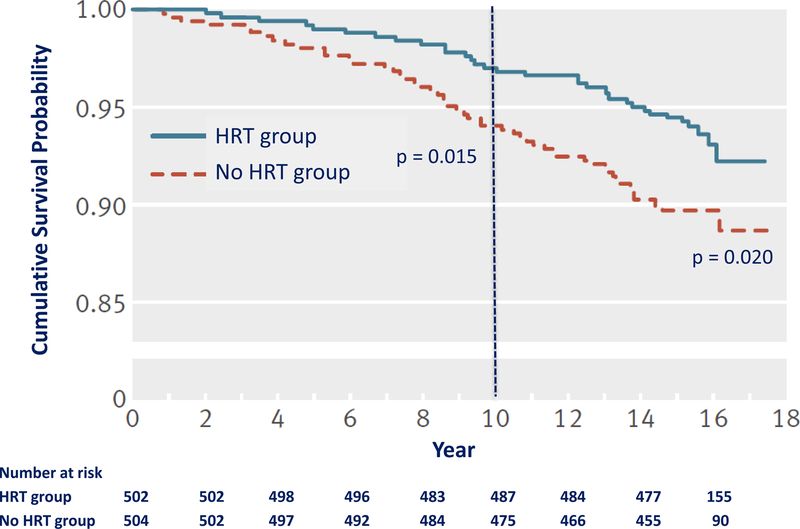
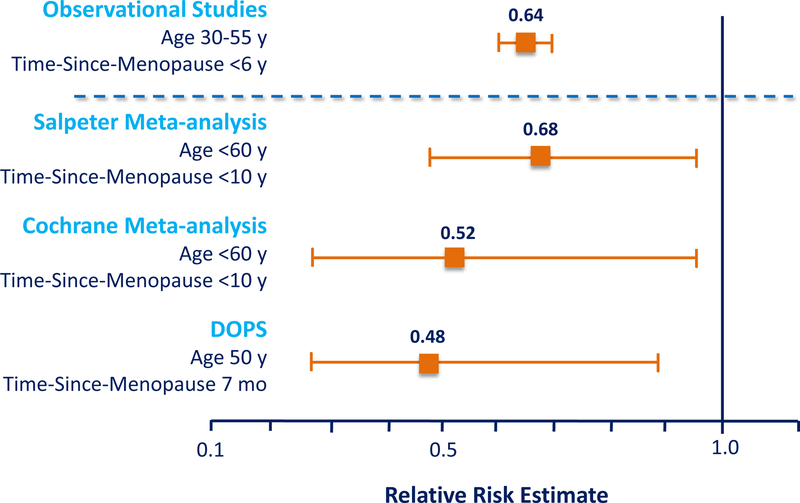
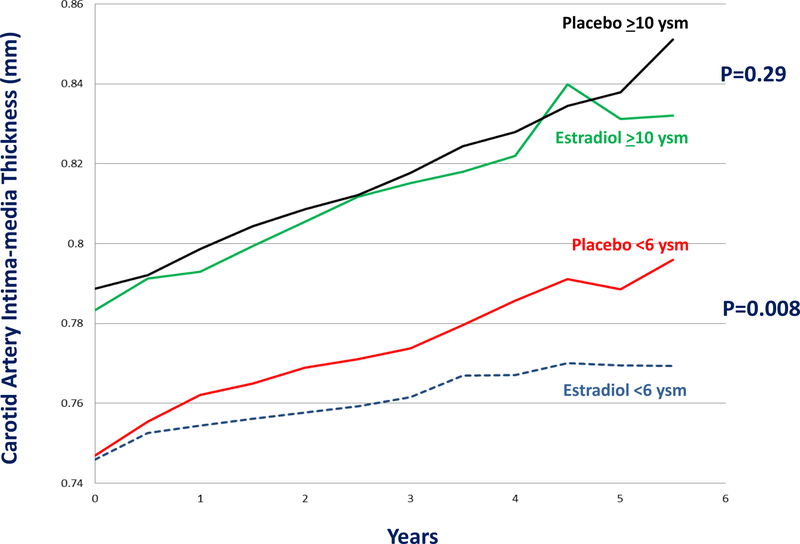
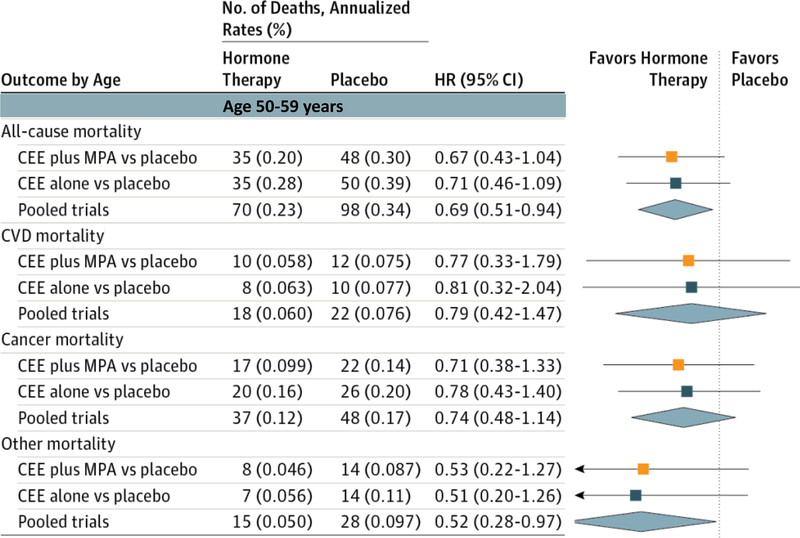
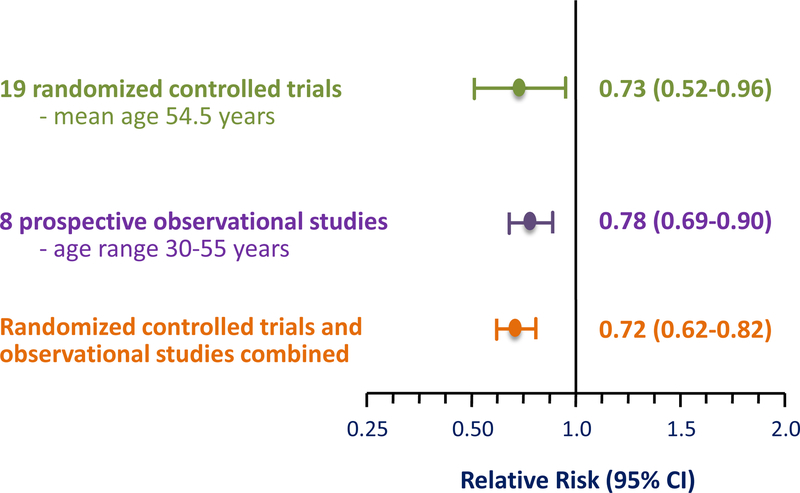
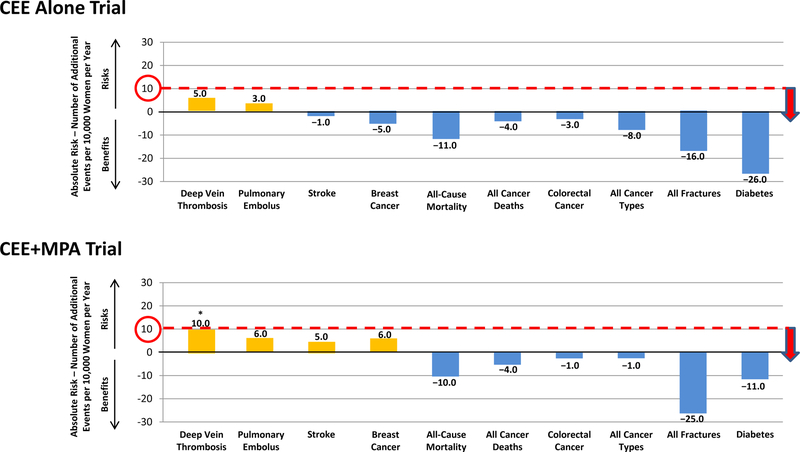
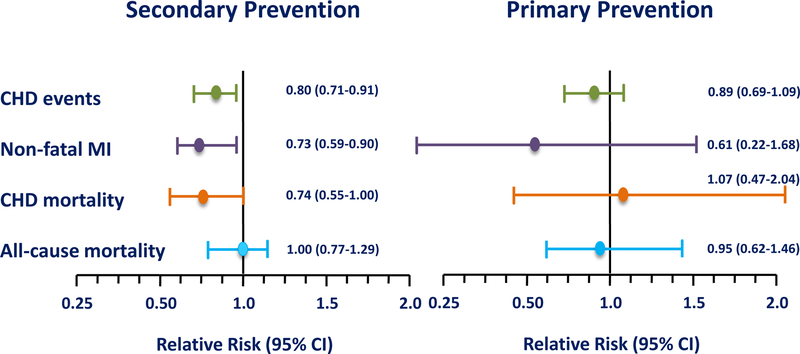
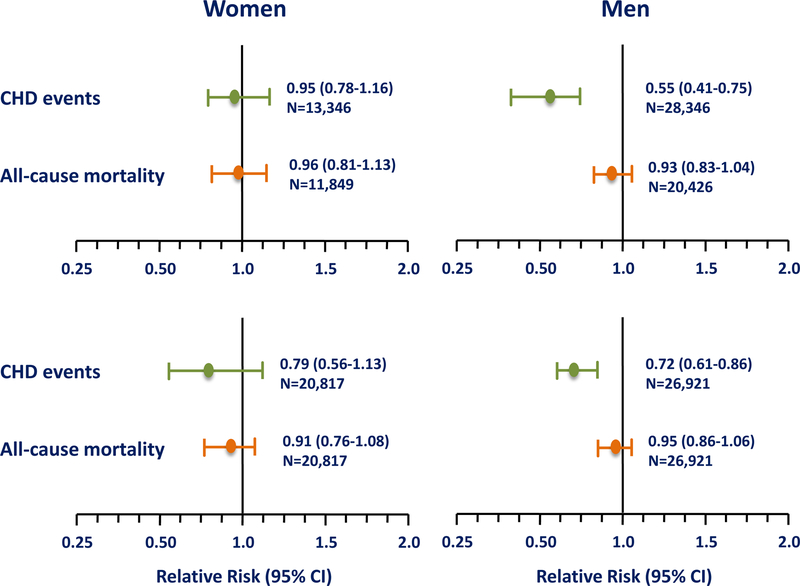
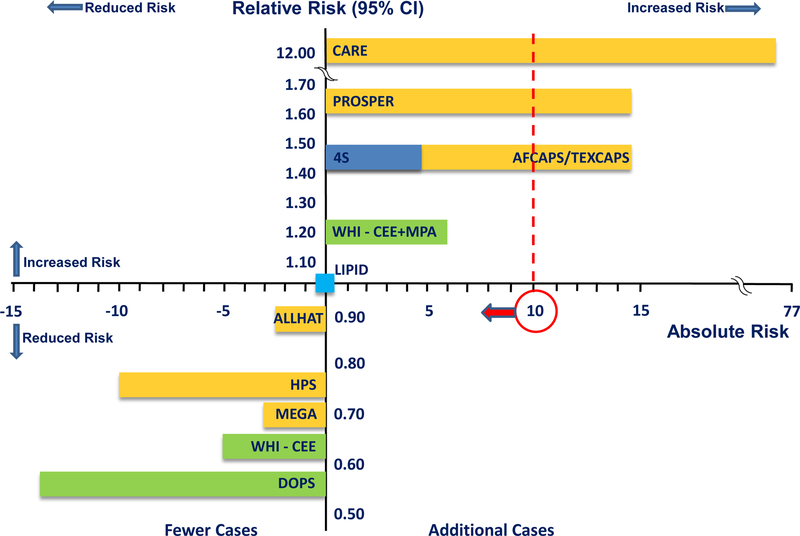
The totality of evidence indicates menopausal hormone replacement therapy (HRT) effects are determined by timing of initiation according to age and/or time since menopause, underlying health of target tissue, and duration of therapy. Initiated in women at younger than 60 years and/or at or near menopause, HRT significantly reduces all-cause mortality and cardiovascular disease (CVD), whereas other primary CVD prevention therapies such as lipid-lowering fail to do so. The magnitude and type of HRT-associated risks, including breast cancer, stroke, and venous thromboembolism, are rare (<10 events/10,000 women), not unique to HRT, and comparable with other medications. Hormone replacement therapy is a sex-specific and time-dependent primary CVD prevention therapy that concomitantly reduces all-cause mortality, as well as other aging-related diseases with an excellent risk profile. Keeping in mind that prevention strategies must be personalized, health care providers and patients can use cumulated HRT data in making clinical decisions concerning chronic disease prevention including CVD and mortality reduction.
所有证据表明,绝经激素治疗(HRT)的效果取决于起始时间,这取决于年龄和/或绝经时间、目标组织的基础健康状况以及治疗持续时间。对于年龄小于 60 岁和/或绝经时或绝经后不久的女性,HRT 可显著降低全因死亡率和心血管疾病(CVD),而其他主要 CVD 预防疗法,如降脂治疗则不能做到这一点。HRT 相关风险的大小和类型,包括乳腺癌、中风和静脉血栓栓塞,较为罕见(<10 例/10000 名妇女),并非 HRT 所特有,与其他药物相当。HRT 是一种具有性别特异性和时间依赖性的主要 CVD 预防疗法,可同时降低全因死亡率以及其他与衰老相关的疾病的发病率,风险状况极佳。鉴于预防策略必须个体化,医疗保健提供者和患者可以使用累积的 HRT 数据,在做出包括 CVD 和降低死亡率在内的慢性疾病预防的临床决策。