Key Laboratory of Plant Resource Conservation and Germplasm Innovation in Mountainous Region (Ministry of Education), Collaborative Innovation Center for Mountain Ecology & Agro-Bioengineering (CICMEAB), College of Life Sciences/Institute of Agro-Bioengineeringering, Guizhou University, Guiyang, 550025, Guizhou Province, China.
BMC Microbiol. 2022 May 20;22(1):142. doi: 10.1186/s12866-022-02555-5.
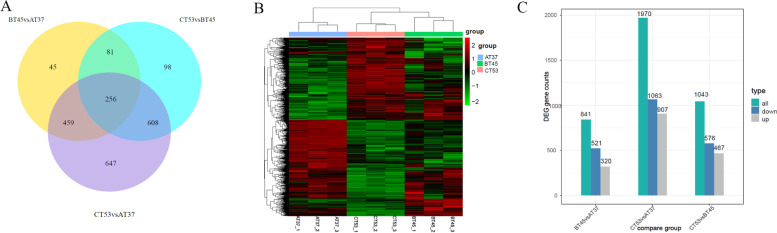
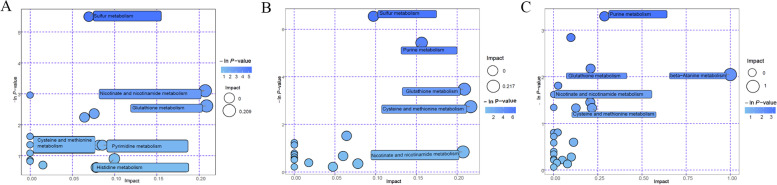
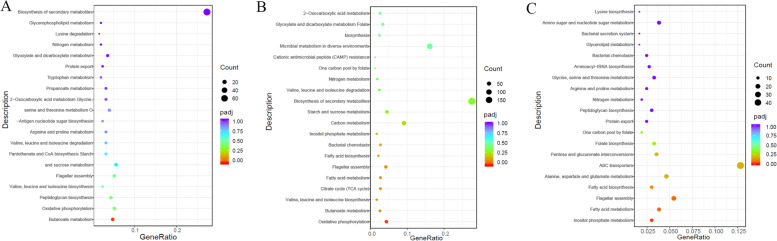
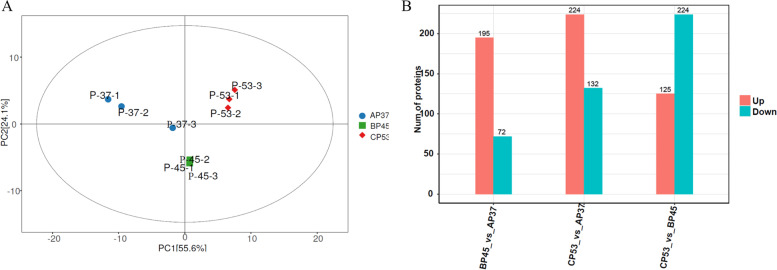
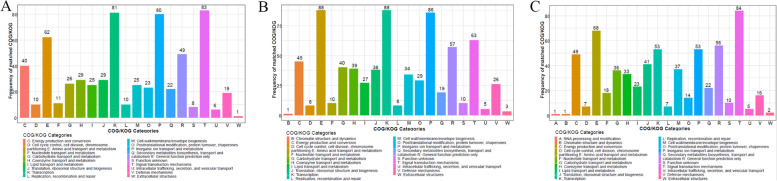
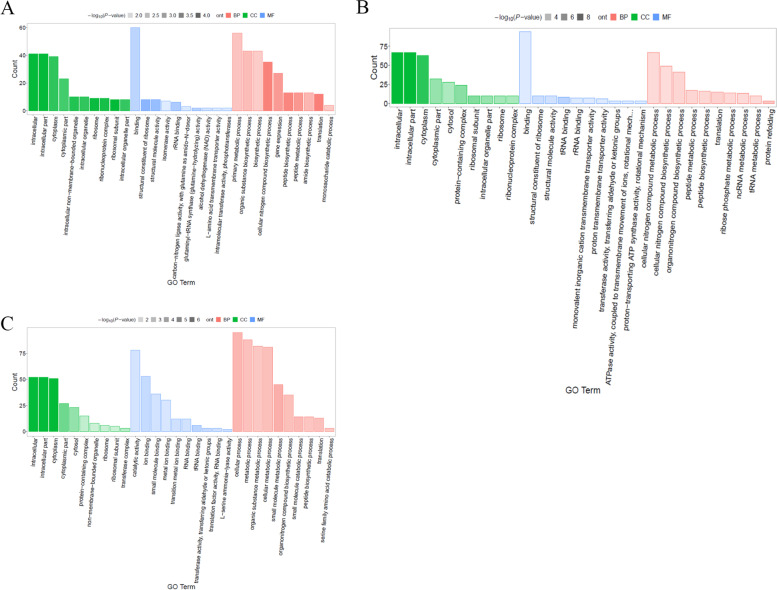
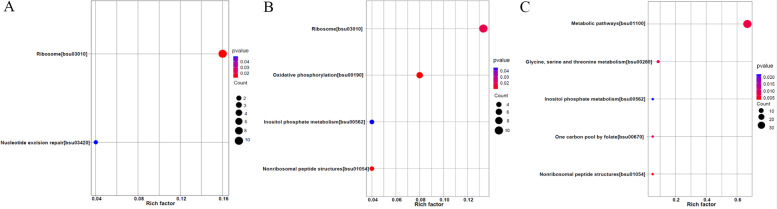
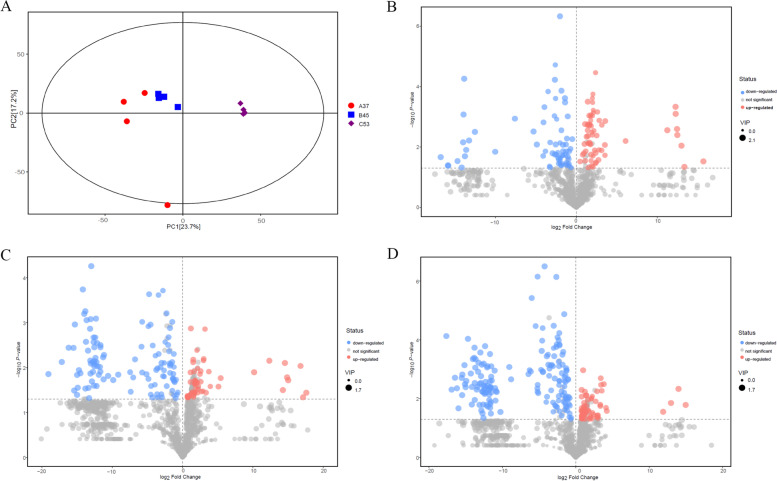
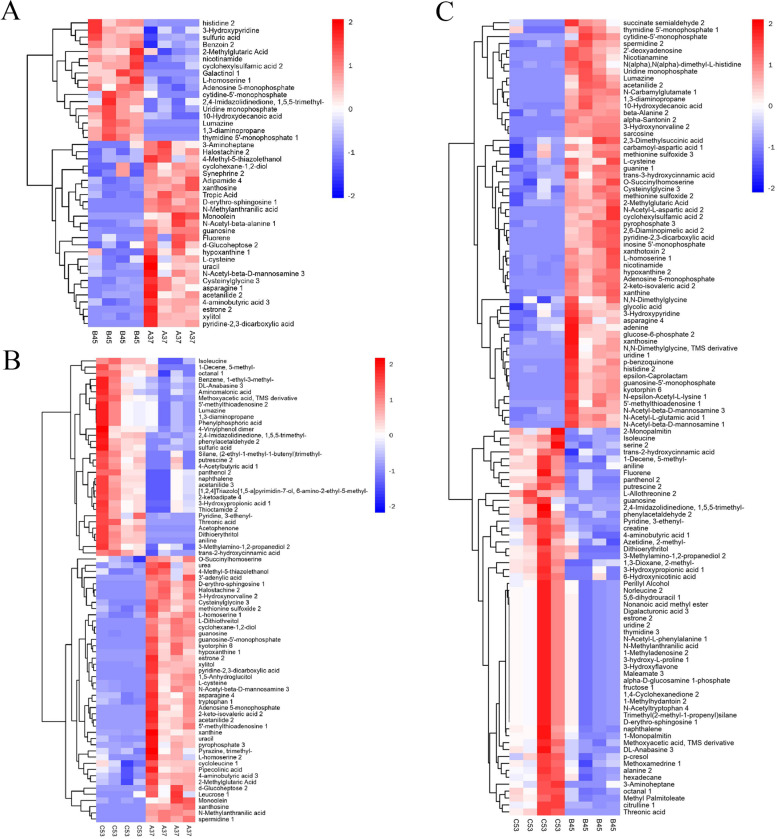
Although soy sauce-like flavor and soybean flavor are two key contributors to the flavor of fermented foods, the key compounds of soy sauce-like flavor and soybean flavor and production mechanisms are still poorly understood and need further investigation. In the present study, we found that the Bacillus subtilis (B. subtilis) BJ3-2 strain has various metabolic properties at different temperatures, and the strain cultured at 37℃ increased the soybean flavor (a special flavor of ammonia-containing smelly distinct from natto) compared with culturing at 45℃ and 53℃. Interestingly, the strain cultured at 45℃ and 53℃ had a higher soy sauce-like flavor than that in 37℃. Moreover, a comparative transcriptome analysis of the strain cultured at 37℃, 45℃, and 53℃ showed transcriptional changes related to secondary metabolites and ABC transporters, which is critical for the amino acid transport and metabolism in B. subtilis. Meanwhile, proteomics and metabolomics profiling showed a marked change in amino acids transport and metabolism. In addition, the metabolic analysis revealed a significant metabolic difference (including sulfur metabolism, glutathione metabolism, nicotinate and nicotinamide metabolism, cysteine and methionine metabolism, and pyrimidine metabolism) in the strain cultured at 45℃ and 53℃ compared to 37℃. To sum, this study used the multi-omics profiling tool to investigate the fermentative strains B. subtilis BJ3-2, thus providing a deeper insight into the mechanism of the formation of soy sauce-like flavor and soybean flavor compounds.
尽管酱油味和豆腥味是发酵食品风味的两个关键贡献者,但酱油味和豆腥味的关键化合物及其产生机制仍知之甚少,需要进一步研究。在本研究中,我们发现枯草芽孢杆菌(Bacillus subtilis)BJ3-2 菌株在不同温度下具有各种代谢特性,在 37℃下培养的菌株与在 45℃和 53℃下培养的菌株相比,增加了豆腥味(一种不同于纳豆的含氨臭味的特殊风味)。有趣的是,在 45℃和 53℃下培养的菌株具有比在 37℃下更高的酱油味。此外,对在 37℃、45℃和 53℃下培养的菌株进行比较转录组分析表明,与次级代谢物和 ABC 转运体相关的转录发生变化,这对枯草芽孢杆菌中氨基酸的运输和代谢至关重要。同时,蛋白质组学和代谢组学分析显示氨基酸运输和代谢发生了明显变化。此外,代谢分析显示,与 37℃相比,在 45℃和 53℃下培养的菌株的代谢存在显著差异(包括硫代谢、谷胱甘肽代谢、烟酸和烟酰胺代谢、半胱氨酸和蛋氨酸代谢以及嘧啶代谢)。总之,本研究使用多组学分析工具研究了发酵菌株枯草芽孢杆菌 BJ3-2,从而深入了解了酱油味和豆腥味化合物形成的机制。