Key Laboratory of Carbohydrate Chemistry and Biotechnology, Ministry of Education, Jiangnan University, Wuxi, 214122, China.
Science Center for Future Foods, Jiangnan University, Wuxi, 214122, China.
Microb Cell Fact. 2022 May 23;21(1):92. doi: 10.1186/s12934-022-01819-z.
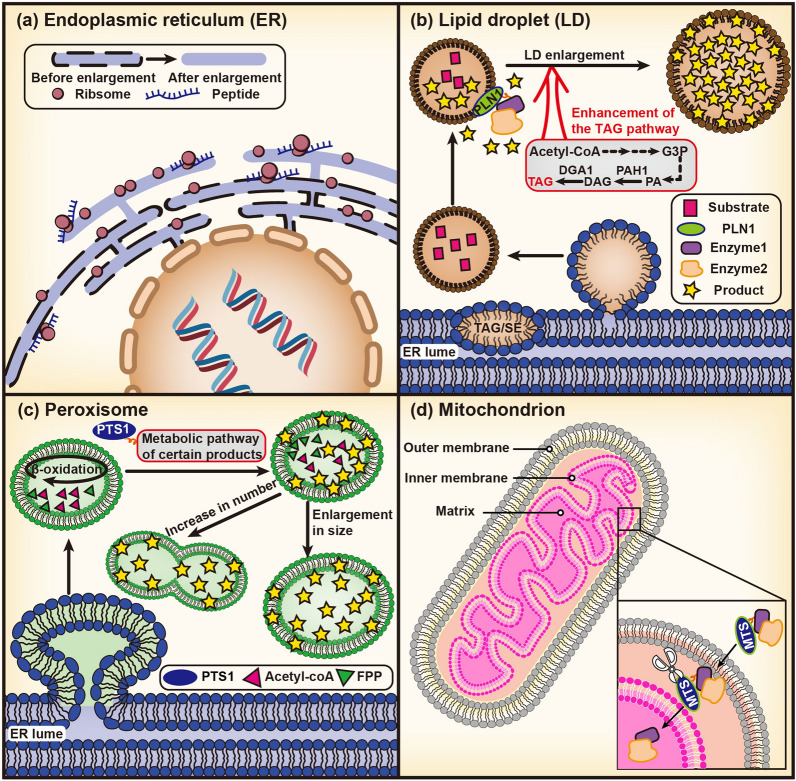
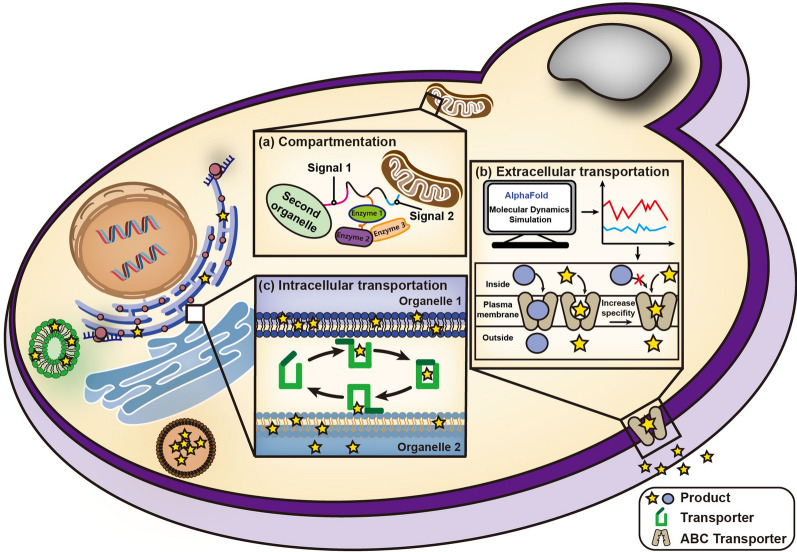
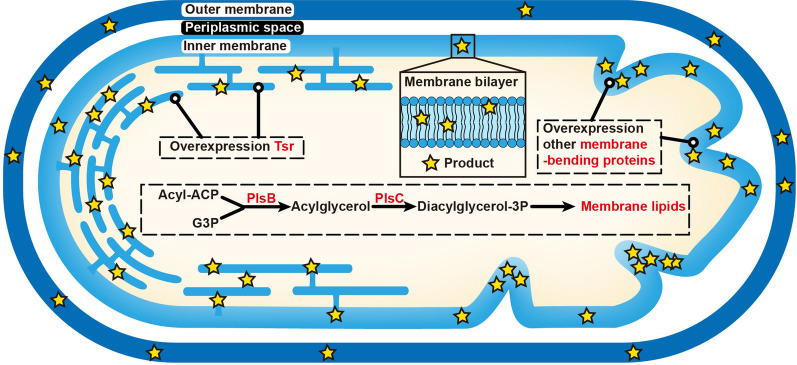
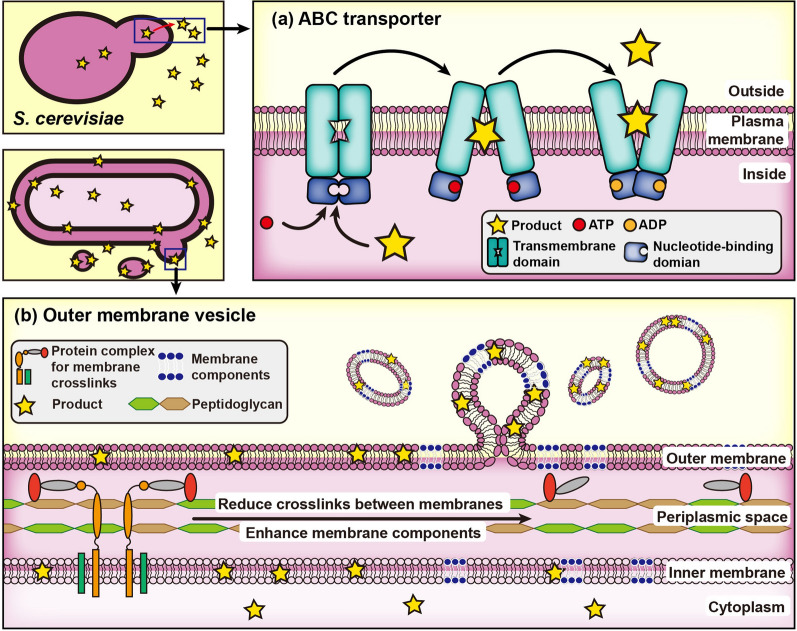
Microbial cell factories for terpenoid synthesis form a less expensive and more environment-friendly approach than chemical synthesis and extraction, and are thus being regarded as mainstream research recently. Organelle compartmentalization for terpenoid synthesis has received much attention from researchers owing to the diverse physiochemical characteristics of organelles. In this review, we first systematically summarized various compartmentalization strategies utilized in terpenoid production, mainly plant terpenoids, which can provide catalytic reactions with sufficient intermediates and a suitable environment, while bypassing competing metabolic pathways. In addition, because of the limited storage capacity of cells, strategies used for the expansion of specific organelle membranes were discussed. Next, transporter engineering strategies to overcome the cytotoxic effects of terpenoid accumulation were analyzed. Finally, we discussed the future perspectives of compartmentalization and transporter engineering strategies, with the hope of providing theoretical guidance for designing and constructing cell factories for the purpose of terpenoid production.
微生物细胞工厂为萜类化合物合成提供了一种比化学合成和提取更经济、更环保的方法,因此最近被视为主流研究方向。由于细胞器具有不同的物理化学特性,因此细胞器的萜类化合物合成的区室化受到了研究人员的广泛关注。在本文中,我们首先系统地总结了萜类化合物生产中(主要是植物萜类化合物)所利用的各种区室化策略,这些策略可以为催化反应提供足够的中间产物和适宜的环境,同时绕过竞争代谢途径。此外,由于细胞的储存能力有限,还讨论了用于扩展特定细胞器膜的策略。接下来,分析了转运蛋白工程策略以克服萜类化合物积累的细胞毒性作用。最后,我们讨论了区室化和转运蛋白工程策略的未来展望,希望为设计和构建用于萜类化合物生产的细胞工厂提供理论指导。