Fordjour Eric, Mensah Emmanuel Osei, Hao Yunpeng, Yang Yankun, Liu Xiuxia, Li Ye, Liu Chun-Li, Bai Zhonghu
National Engineering Laboratory for Cereal Fermentation Technology, Jiangnan University, 1800 Lihu Road, Wuxi, 214122, Jiangsu, China.
Jiangsu Provincial Research Centre for Bioactive Product Processing Technology, Jiangnan University, Wuxi, China.
Bioresour Bioprocess. 2022 Jan 24;9(1):6. doi: 10.1186/s40643-022-00493-8.
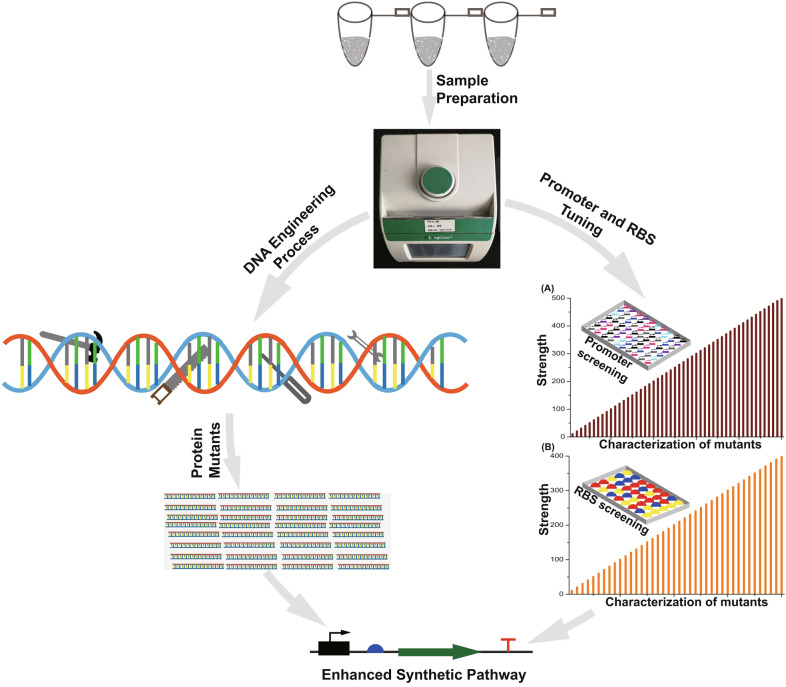
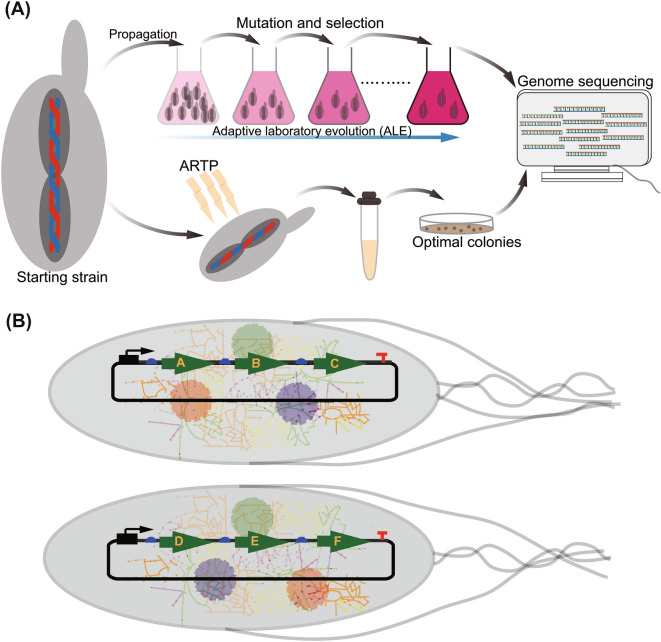
Terpenoids form the most diversified class of natural products, which have gained application in the pharmaceutical, food, transportation, and fine and bulk chemical industries. Extraction from naturally occurring sources does not meet industrial demands, whereas chemical synthesis is often associated with poor enantio-selectivity, harsh working conditions, and environmental pollutions. Microbial cell factories come as a suitable replacement. However, designing efficient microbial platforms for isoprenoid synthesis is often a challenging task. This has to do with the cytotoxic effects of pathway intermediates and some end products, instability of expressed pathways, as well as high enzyme promiscuity. Also, the low enzymatic activity of some terpene synthases and prenyltransferases, and the lack of an efficient throughput system to screen improved high-performing strains are bottlenecks in strain development. Metabolic engineering and synthetic biology seek to overcome these issues through the provision of effective synthetic tools. This review sought to provide an in-depth description of novel strategies for improving cell factory performance. We focused on improving transcriptional and translational efficiencies through static and dynamic regulatory elements, enzyme engineering and high-throughput screening strategies, cellular function enhancement through chromosomal integration, metabolite tolerance, and modularization of pathways.
萜类化合物是天然产物中最多样化的一类,已在制药、食品、运输以及精细和大宗化学工业中得到应用。从天然来源提取无法满足工业需求,而化学合成往往伴随着对映选择性差、工作条件苛刻和环境污染等问题。微生物细胞工厂成为了合适的替代方案。然而,设计用于类异戊二烯合成的高效微生物平台通常是一项具有挑战性的任务。这与途径中间体和一些终产物的细胞毒性作用、表达途径的不稳定性以及酶的高混杂性有关。此外,一些萜烯合酶和异戊烯基转移酶的酶活性较低,以及缺乏用于筛选改良的高性能菌株的高效通量系统,是菌株开发中的瓶颈。代谢工程和合成生物学试图通过提供有效的合成工具来克服这些问题。本综述旨在深入描述提高细胞工厂性能的新策略。我们专注于通过静态和动态调控元件、酶工程和高通量筛选策略来提高转录和翻译效率,通过染色体整合、代谢物耐受性和途径模块化来增强细胞功能。