Yuan Cheng, Zhang Junchang, Deng Cuncan, Xia Yujian, Li Bo, Meng Sijun, Jin Xinghan, Cheng Lvjia, Li Huafu, Zhang Changhua, He Yulong
Digestive Diseases Center, The Seventh Affiliated Hospital of Sun Yat-sen University, Shenzhen, China.
Guangdong Provincial Key Laboratory of Digestive Cancer Research, The Seventh Affiliated Hospital of Sun Yat-sen University, Shenzhen, China.
Front Pharmacol. 2022 May 5;13:868830. doi: 10.3389/fphar.2022.868830. eCollection 2022.
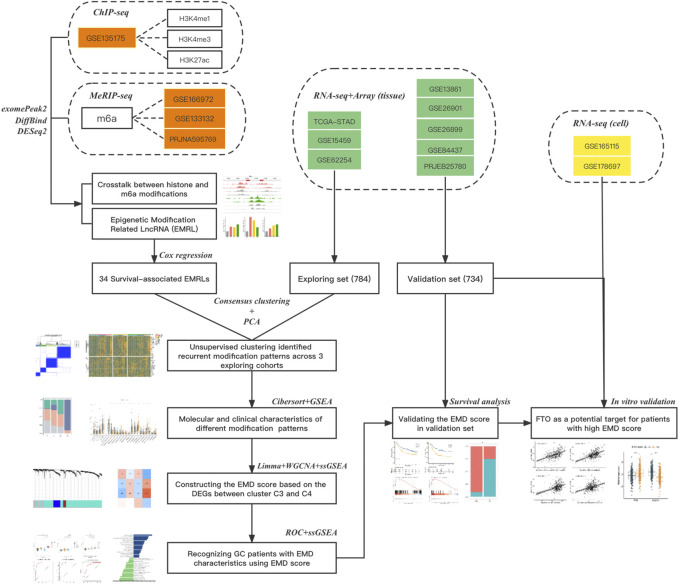
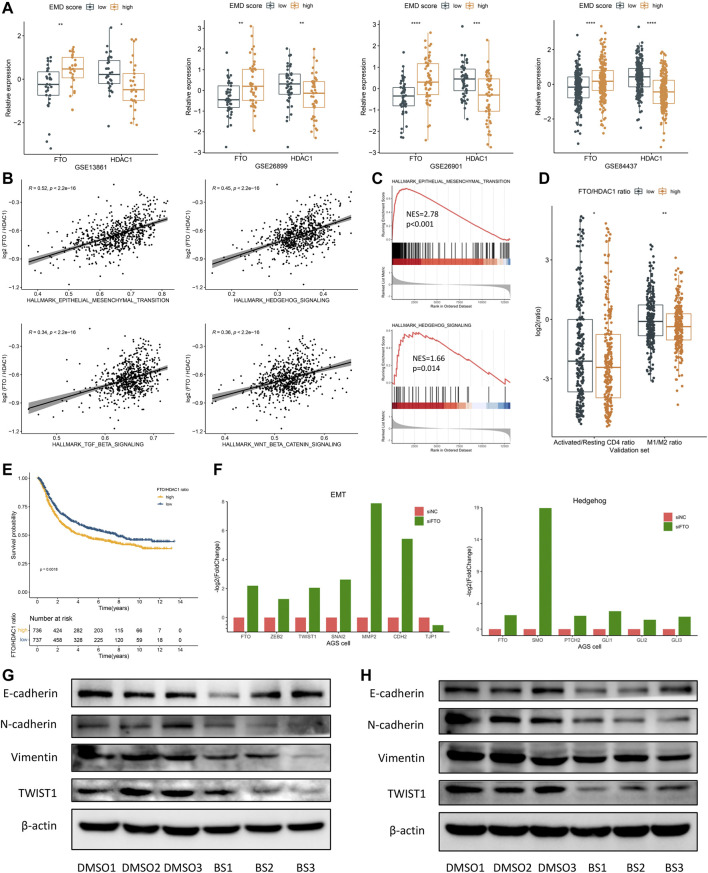
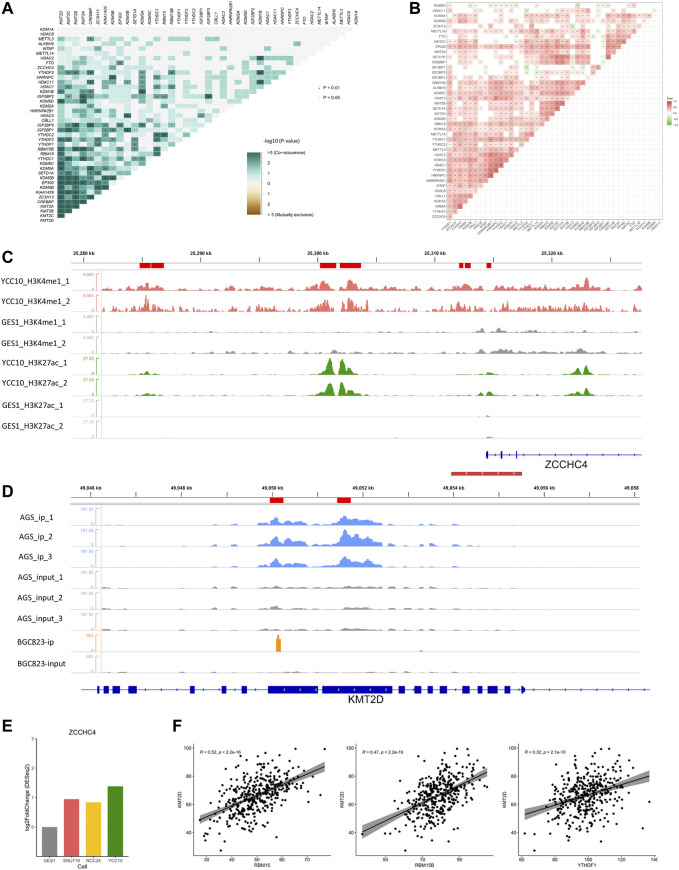
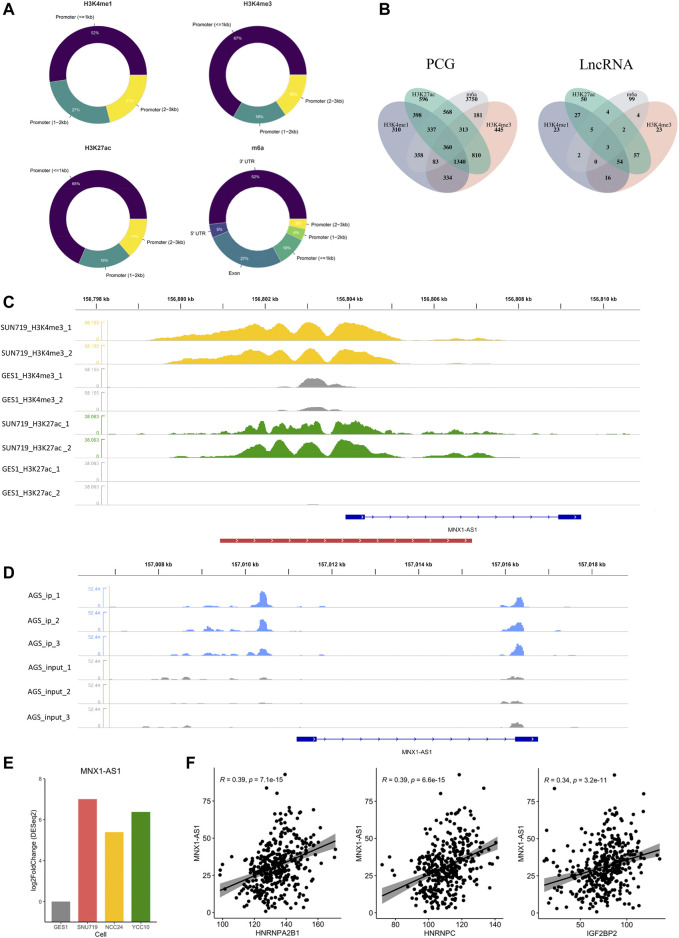
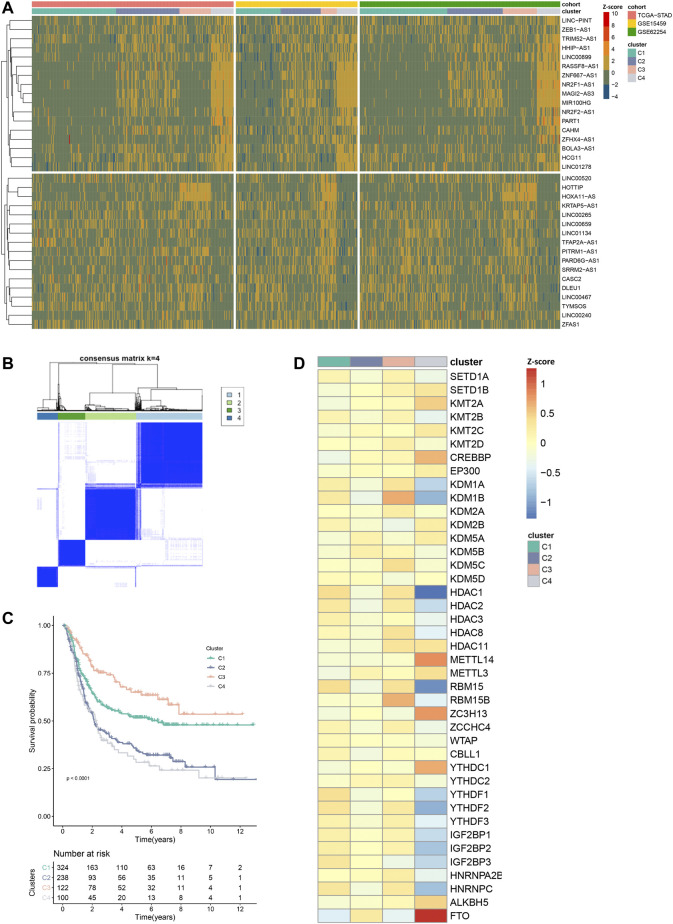
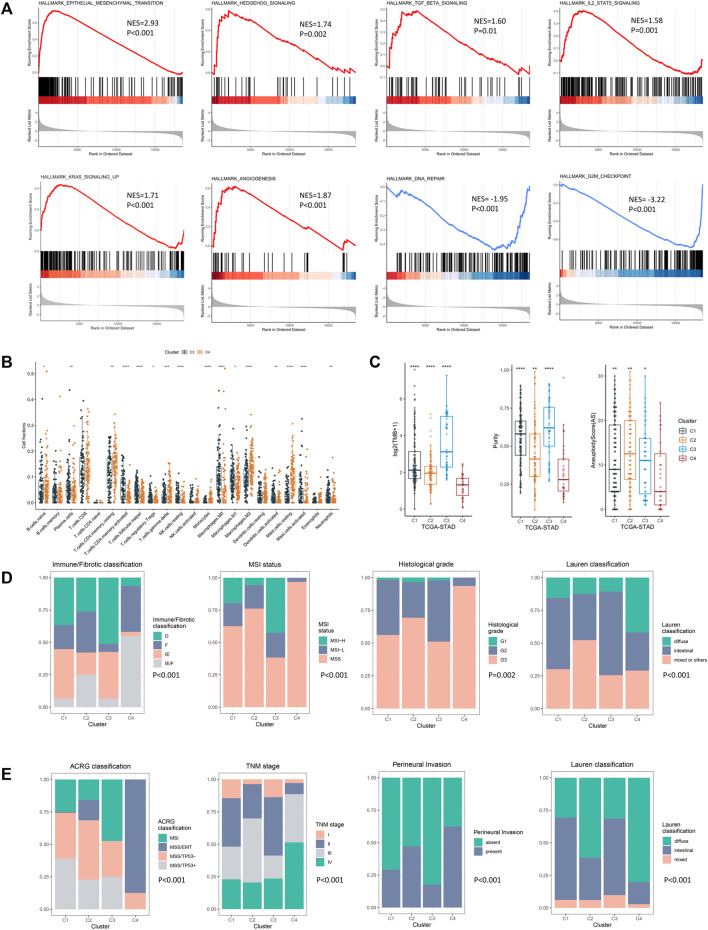
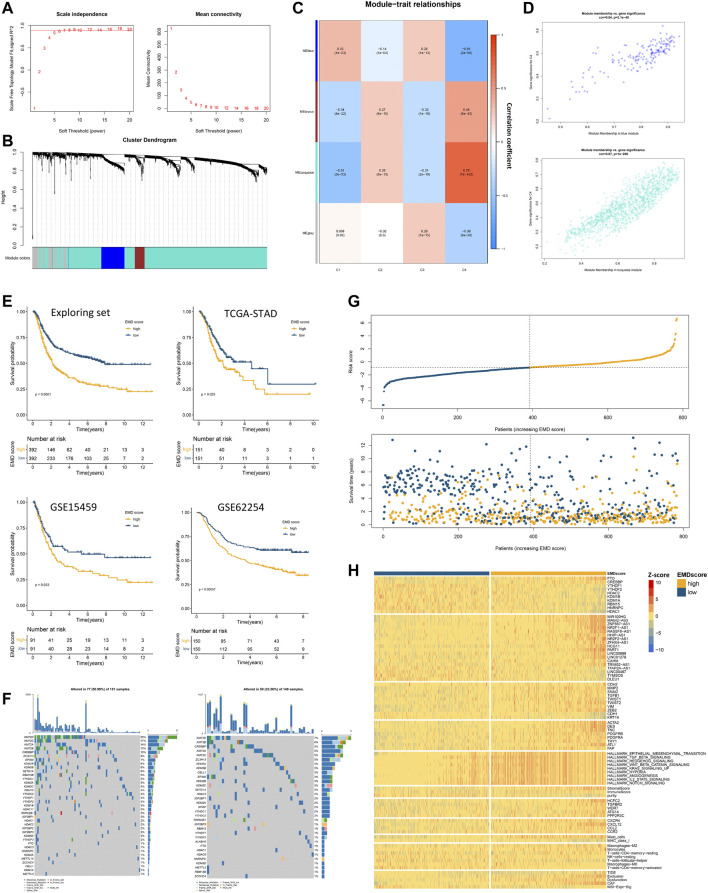
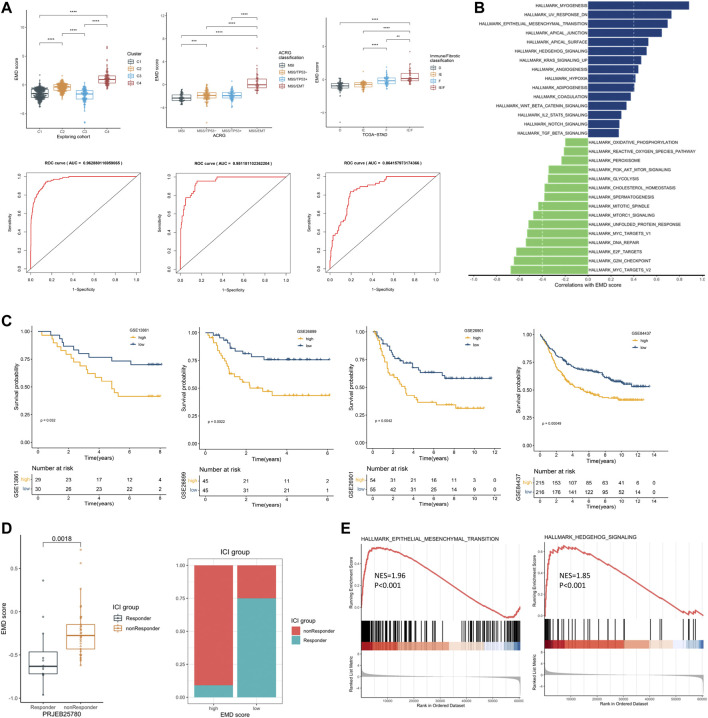
Emerging evidence has revealed the pivotal role of epigenetic modifications in shaping the tumor microenvironment (TME). However, crosstalk between different modification types and their clinical relevance in cancers remain largely unexplored. In this study, using ChIP/MeRIP-seq data of seven human gastric cell lines, we systematically characterized the crosstalk of four epigenetic modification types including H3K4me1, H3K4me3, H3K27ac, and N6-methyladenosine (m6A) and identified a recurrent subtype with high FTO expression and low HDAC1 expression across three independent gastric cancer (GC) cohorts, which we named the epigenetic-modification-dysregulated (EMD) subtype. Patients of the EMD subtype were featured with poor survival, stromal activation, and immune suppression. Extensive relevance to clinical characteristics was observed in the EMD subtype, including the Lauren classification, MSI status, histological grade, TNM stage, the Asian Cancer Research Group classification, and the immune/fibrotic classification. An EMD score was then constructed using WGCNA and ssGSEA algorithms, to precisely recognize the EMD subtype and indicate prognosis and response to immunotherapy in multiple independent GC cohorts. Correlations of the EMD score with tumor mutation burden, tumor purity, aneuploidy score, tumorigenic pathways, TME characteristics, and FTO/HDAC1 ratio were measured. experiments were performed to demonstrate the correlation between FTO and the epithelial-mesenchymal transition pathway, which suggested FTO as a targetable vulnerability for GC patients with a high EMD score. Altogether, by comprehensively analyzing the epigenetic modification patterns of 1518 GC patients, we identified a novel stromal-activated subtype with poor survival and resistance to immunotherapy, which might benefit from the combined immune checkpoint inhibition therapy with FTO inhibition.
新出现的证据揭示了表观遗传修饰在塑造肿瘤微环境(TME)中的关键作用。然而,不同修饰类型之间的相互作用及其在癌症中的临床相关性在很大程度上仍未得到探索。在本研究中,我们使用七种人类胃细胞系的ChIP/MeRIP-seq数据,系统地表征了包括H3K4me1、H3K4me3、H3K27ac和N6-甲基腺苷(m6A)在内的四种表观遗传修饰类型的相互作用,并在三个独立的胃癌(GC)队列中鉴定出一种FTO高表达和HDAC1低表达的复发亚型,我们将其命名为表观遗传修饰失调(EMD)亚型。EMD亚型的患者具有生存不良、基质激活和免疫抑制的特征。在EMD亚型中观察到与临床特征的广泛相关性,包括劳伦分类、微卫星高度不稳定(MSI)状态、组织学分级、TNM分期、亚洲癌症研究小组分类以及免疫/纤维化分类。然后使用加权基因共表达网络分析(WGCNA)和单样本基因集富集分析(ssGSEA)算法构建EMD评分,以精确识别EMD亚型,并指示多个独立GC队列中的预后和对免疫治疗的反应。测量了EMD评分与肿瘤突变负担、肿瘤纯度、非整倍体评分、致瘤途径、TME特征以及FTO/HDAC1比值之间的相关性。进行实验以证明FTO与上皮-间质转化途径之间的相关性,这表明FTO是EMD评分高的GC患者的一个可靶向的弱点。总之,通过全面分析1518例GC患者的表观遗传修饰模式,我们鉴定出一种新的具有生存不良和免疫治疗抗性的基质激活亚型,其可能受益于联合免疫检查点抑制疗法和FTO抑制。