Liu Wei-Wei, Zhang Zhong-Yuan, Wang Fei, Wang Hao
Department of Laboratory Medicine, The First Affiliated Hospital of USTC, Division of Life Sciences and Medicine, University of Science and Technology of China, Hefei, China.
School of Basic Medical Sciences, Shandong University, Jinan, China.
Exp Hematol Oncol. 2023 Feb 21;12(1):21. doi: 10.1186/s40164-023-00386-2.
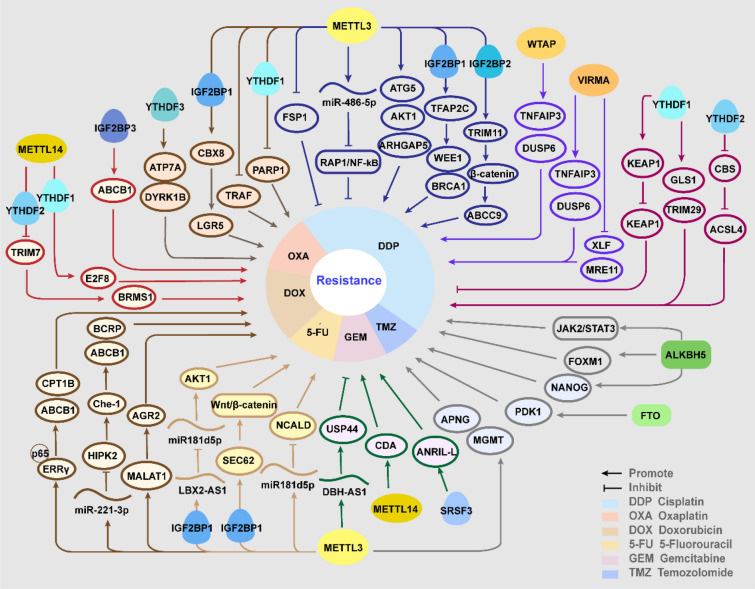
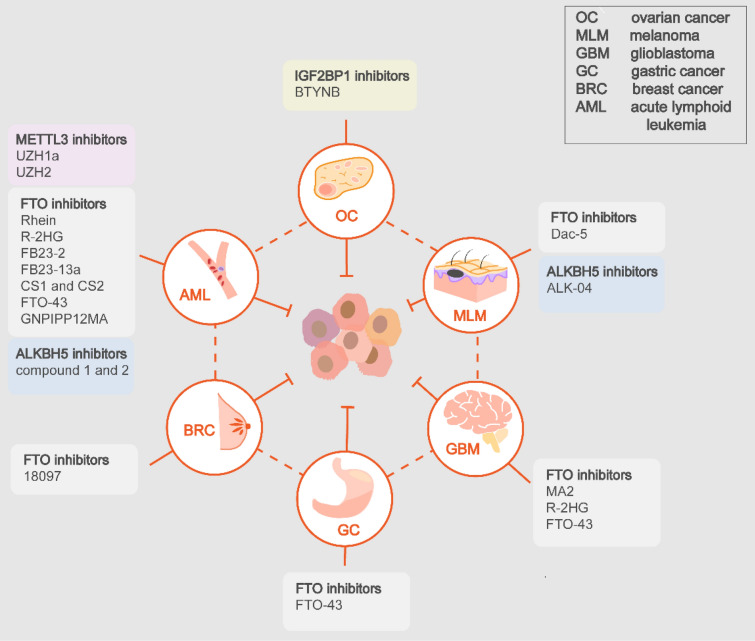
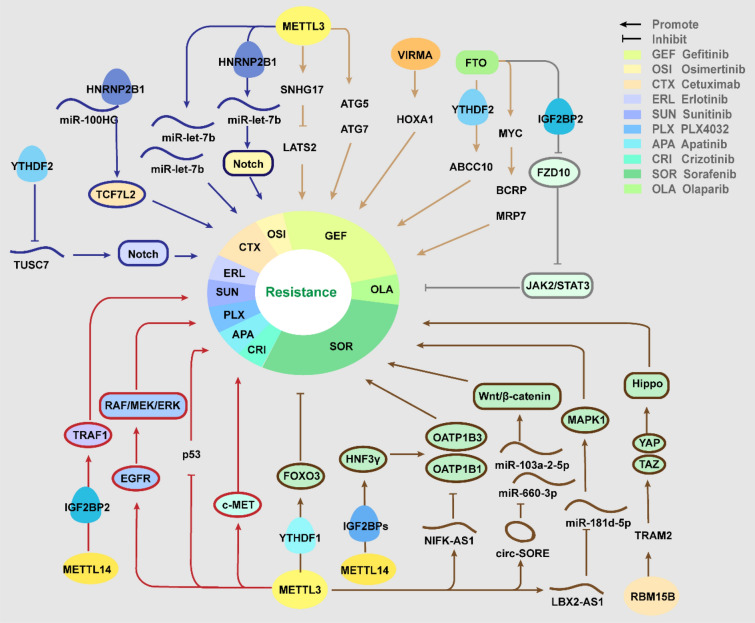
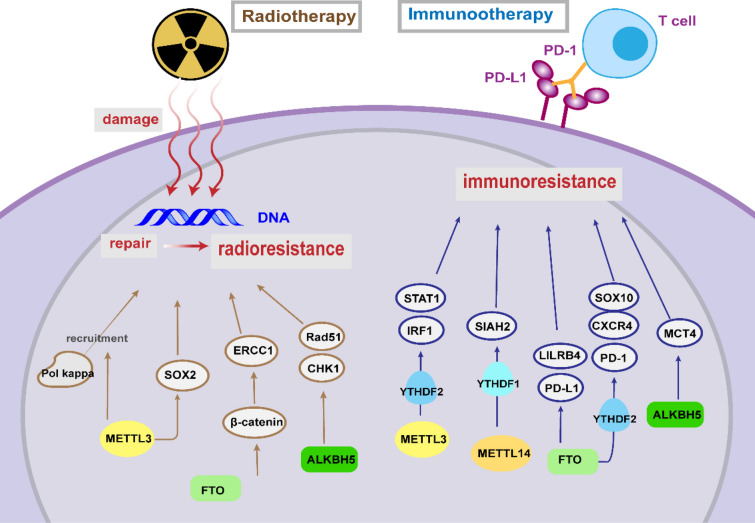
Marvelous advancements have been made in cancer therapies to improve clinical outcomes over the years. However, therapeutic resistance has always been a major difficulty in cancer therapy, with extremely complicated mechanisms remain elusive. N6-methyladenosine (m6A) RNA modification, a hotspot in epigenetics, has gained growing attention as a potential determinant of therapeutic resistance. As the most prevalent RNA modification, m6A is involved in every links of RNA metabolism, including RNA splicing, nuclear export, translation and stability. Three kinds of regulators, "writer" (methyltransferase), "eraser" (demethylase) and "reader" (m6A binding proteins), together orchestrate the dynamic and reversible process of m6A modification. Herein, we primarily reviewed the regulatory mechanisms of m6A in therapeutic resistance, including chemotherapy, targeted therapy, radiotherapy and immunotherapy. Then we discussed the clinical potential of m6A modification to overcome resistance and optimize cancer therapy. Additionally, we proposed existing problems in current research and prospects for future research.
多年来,癌症治疗取得了显著进展,以改善临床结果。然而,治疗耐药性一直是癌症治疗中的一个主要难题,其机制极其复杂,仍不清楚。N6-甲基腺苷(m6A)RNA修饰作为表观遗传学的一个热点,作为治疗耐药性的潜在决定因素越来越受到关注。作为最普遍的RNA修饰,m6A参与RNA代谢的各个环节,包括RNA剪接、核输出、翻译和稳定性。三种调节剂,即“书写器”(甲基转移酶)、“橡皮擦”(去甲基化酶)和“读取器”(m6A结合蛋白),共同协调m6A修饰的动态和可逆过程。在此,我们主要综述了m6A在化疗、靶向治疗、放疗和免疫治疗等治疗耐药性中的调控机制。然后我们讨论了m6A修饰克服耐药性和优化癌症治疗的临床潜力。此外,我们提出了当前研究中存在的问题以及未来研究的前景。