Manarin Eleonora, Corsini Francesca, Trano Sabrina, Fagiolari Lucia, Amici Julia, Francia Carlotta, Bodoardo Silvia, Turri Stefano, Bella Federico, Griffini Gianmarco
Department of Chemistry, Materials and Chemical Engineering "Giulio Natta", Politecnico di Milano, Piazza Leonardo da Vinci 32, 20133 Milano, Italy.
Department of Applied Science and Technology, Politecnico di Torino, Corso Duca degli Abruzzi 24, 10129 Torino, Italy.
ACS Appl Polym Mater. 2022 May 13;4(5):3855-3865. doi: 10.1021/acsapm.2c00335. Epub 2022 Apr 29.
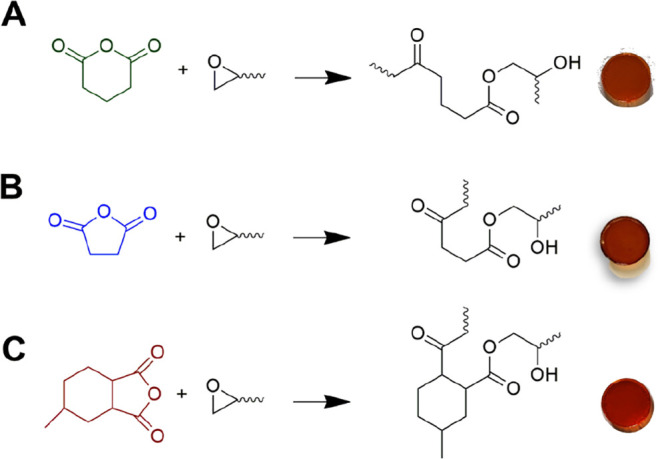
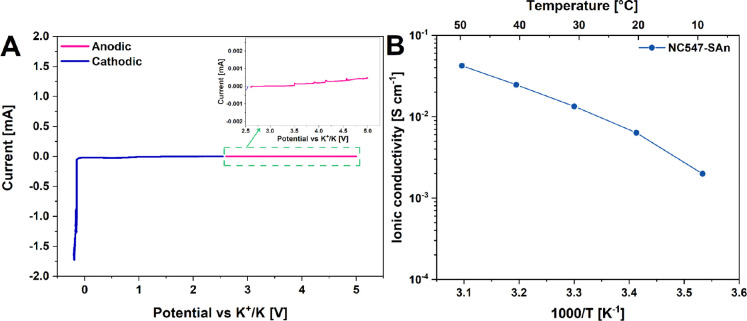
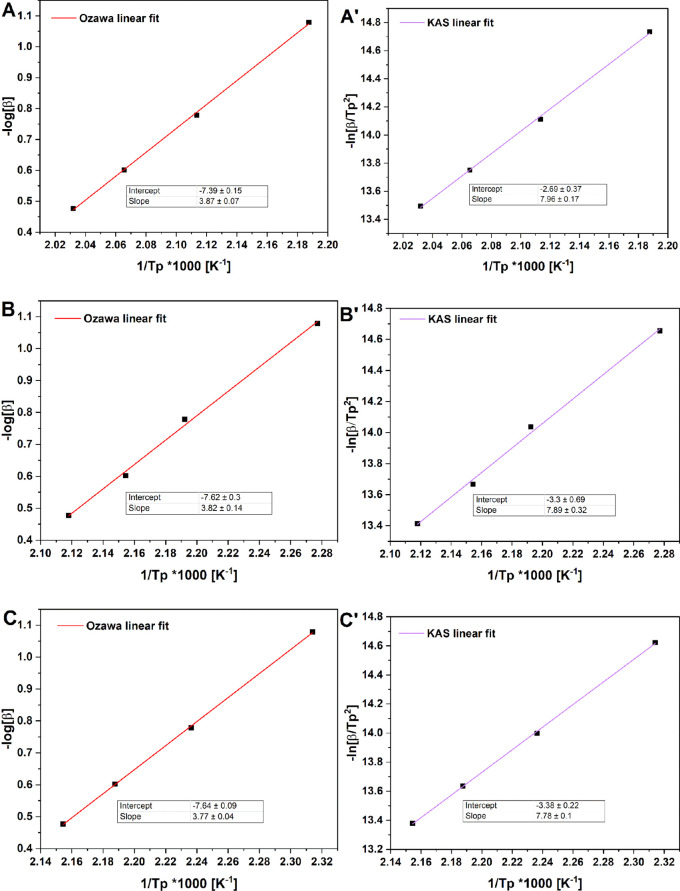
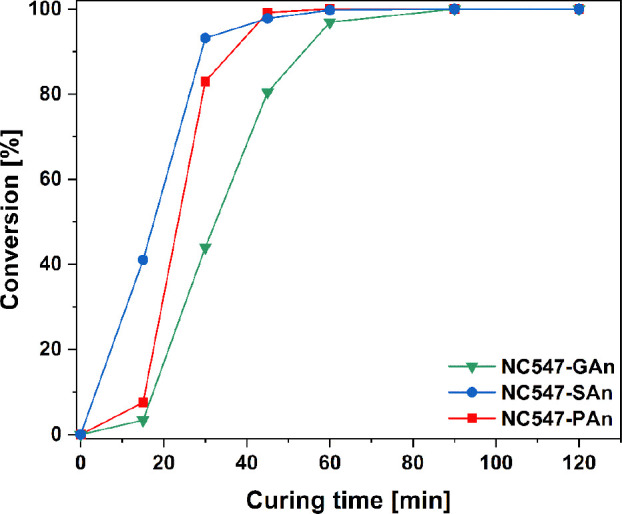
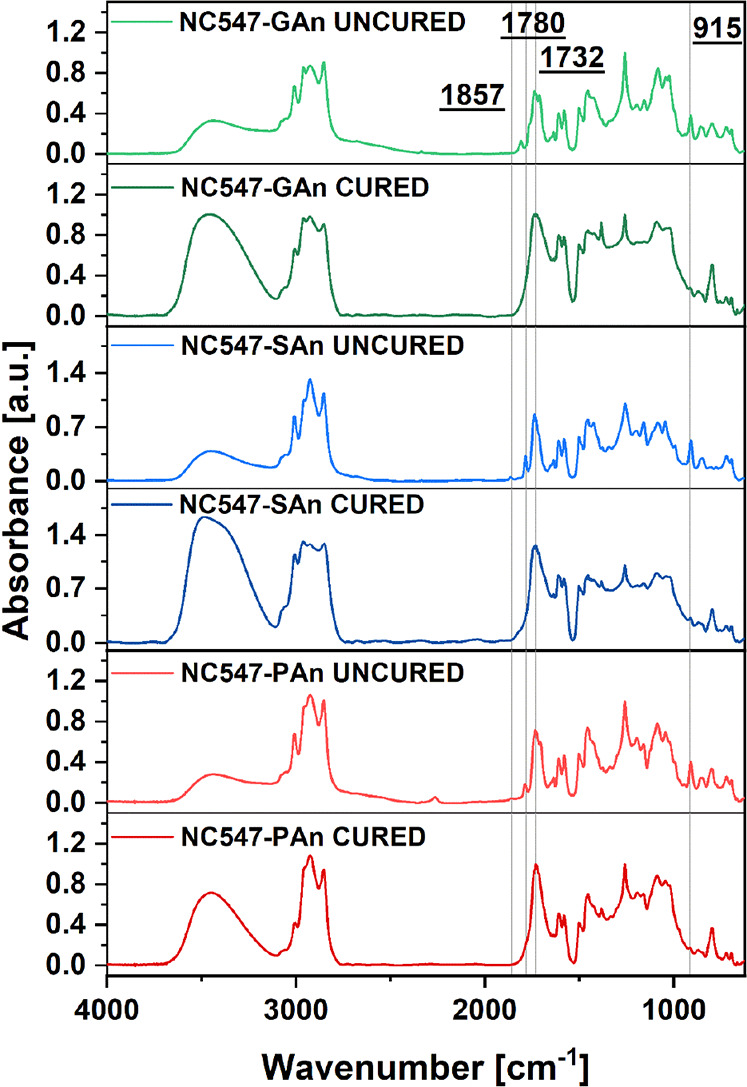
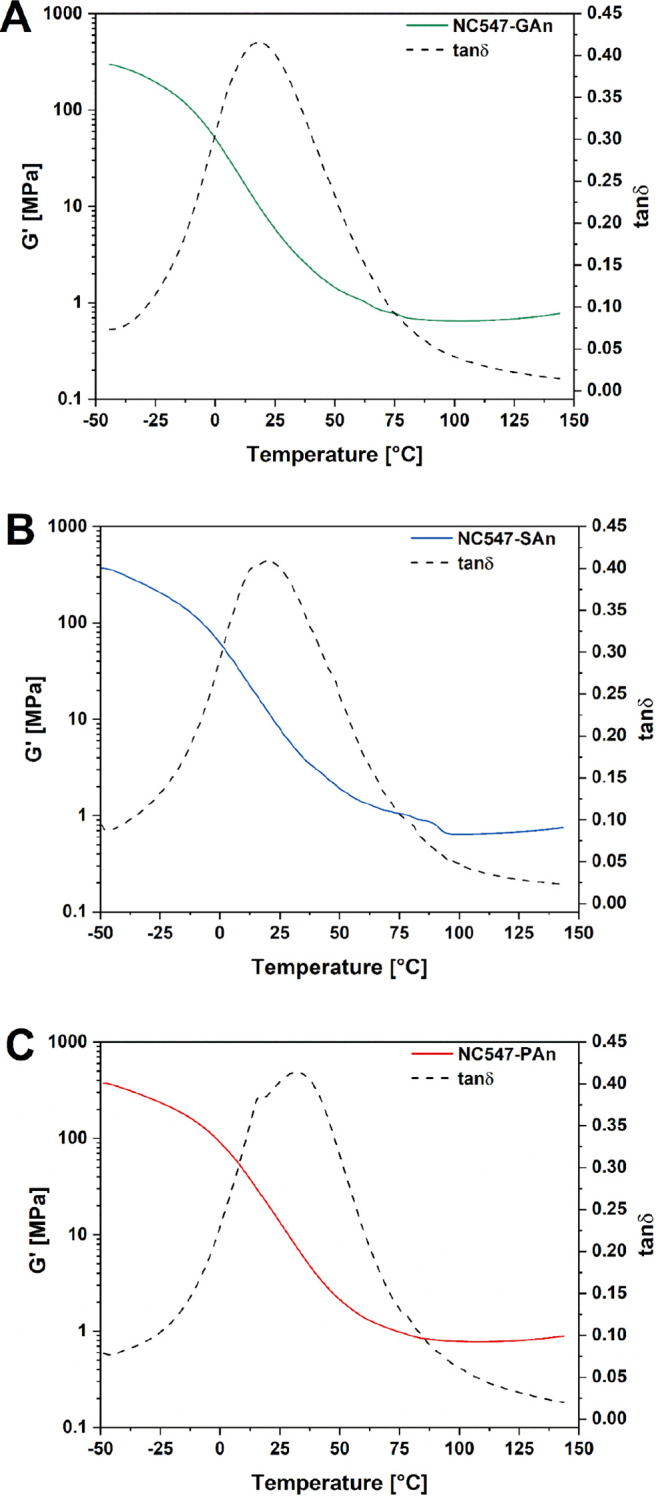
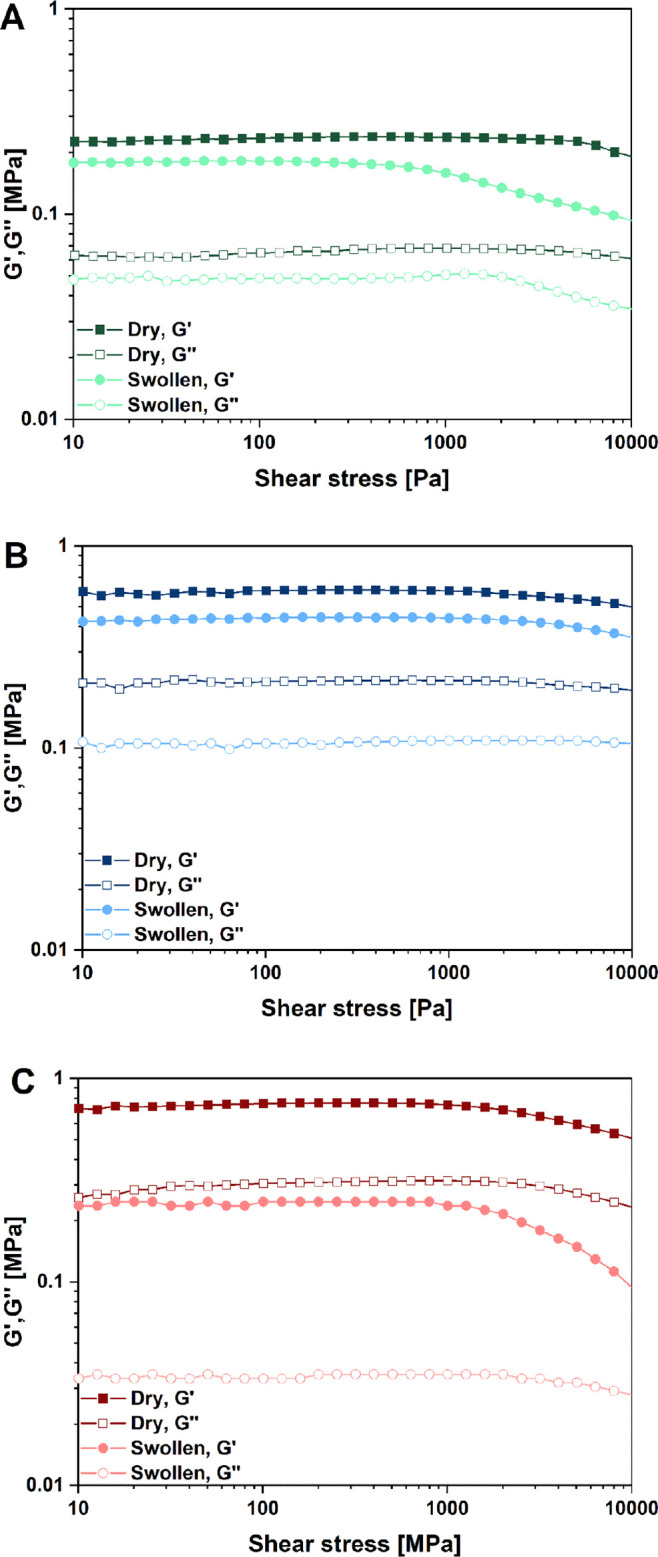
In this study, biobased gel polymer electrolyte (GPE) membranes were developed via the esterification reaction of a cardanol-based epoxy resin with glutaric anhydride, succinic anhydride, and hexahydro-4-methylphthalic anhydride. Nonisothermal differential scanning calorimetry was used to assess the optimal curing time and temperature of the formulations, evidencing a process activation energy of ∼65-70 kJ mol. A rubbery plateau modulus of 0.65-0.78 MPa and a crosslinking density of 2 × 10 mol cm were found through dynamic mechanical analysis. Based on these characteristics, such biobased membranes were tested for applicability as GPEs for potassium-ion batteries (KIBs), showing an excellent electrochemical stability toward potassium metal in the -0.2-5 V voltage range and suitable ionic conductivity (10 S cm) at room temperature. This study demonstrates the practical viability of these biobased materials as efficient GPEs for the fabrication of KIBs, paving the path to increased sustainability in the field of next-generation battery technologies.
在本研究中,通过腰果酚基环氧树脂与戊二酸酐、琥珀酸酐和六氢-4-甲基邻苯二甲酸酐的酯化反应制备了生物基凝胶聚合物电解质(GPE)膜。采用非等温差示扫描量热法评估配方的最佳固化时间和温度,结果表明该过程的活化能约为65-70 kJ/mol。通过动态力学分析发现,其橡胶态平台模量为0.65-0.78 MPa,交联密度为2×10 mol/cm³。基于这些特性,对这类生物基膜作为钾离子电池(KIB)的GPE的适用性进行了测试,结果表明,在-0.2-5 V电压范围内,该膜对钾金属具有优异的电化学稳定性,且在室温下具有合适的离子电导率(10 S/cm)。本研究证明了这些生物基材料作为制备KIB的高效GPE的实际可行性,为下一代电池技术领域提高可持续性铺平了道路。