Nacarino-Palma Ana, Rico-Leo Eva M, Campisi Judith, Ramanathan Arvind, González-Rico Francisco J, Rejano-Gordillo Claudia M, Ordiales-Talavero Ana, Merino Jaime M, Fernández-Salguero Pedro M
Departamento de Bioquímica y Biología Molecular, Facultad de Ciencias, Universidad de Extremadura, Badajoz 06071, Spain.
Instituto Universitario de Investigación Biosanitaria de Extremadura (INUBE), Badajoz 06071, Spain.
Aging (Albany NY). 2022 May 26;14(10):4281-4304. doi: 10.18632/aging.204103.
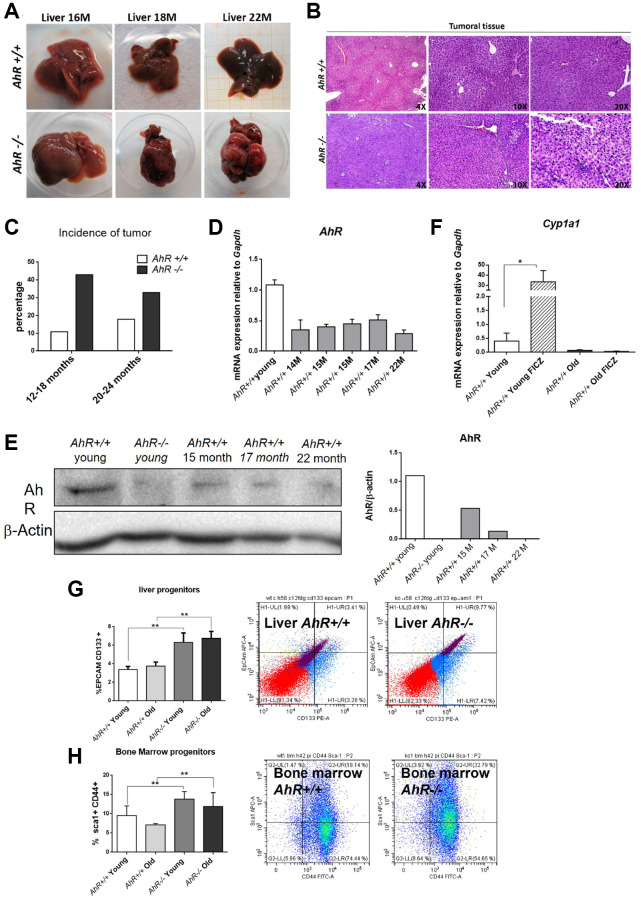
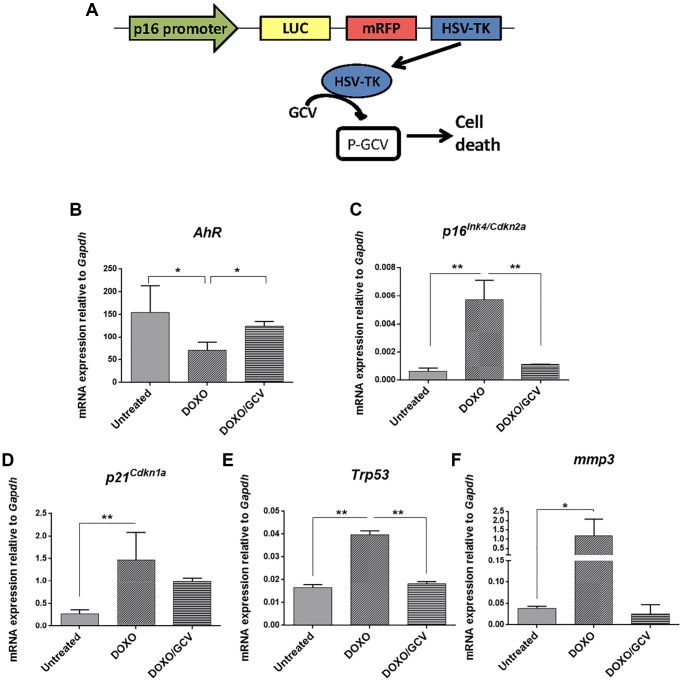
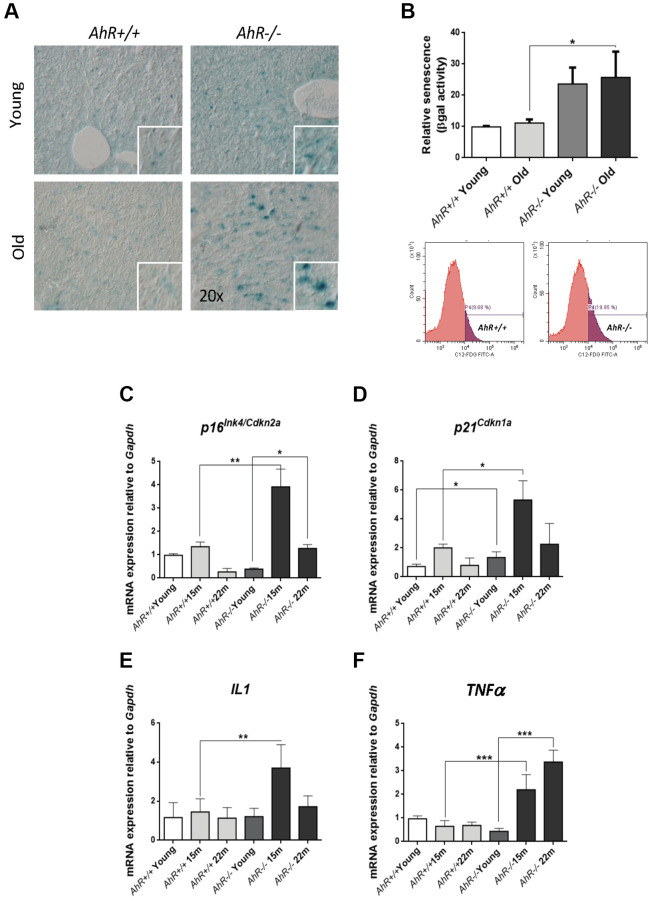
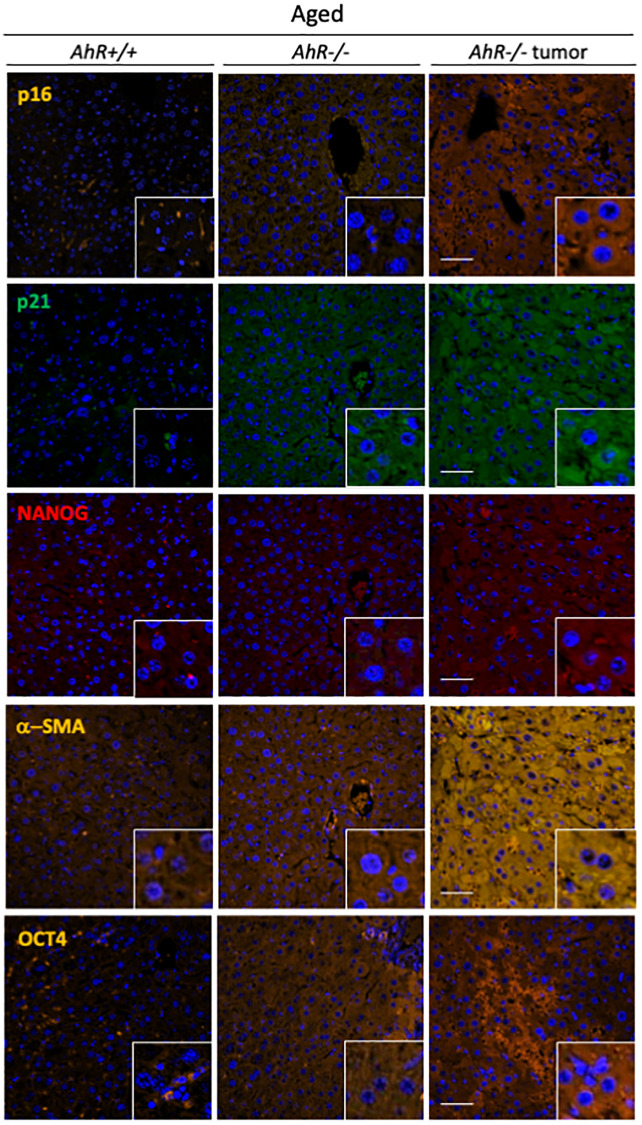
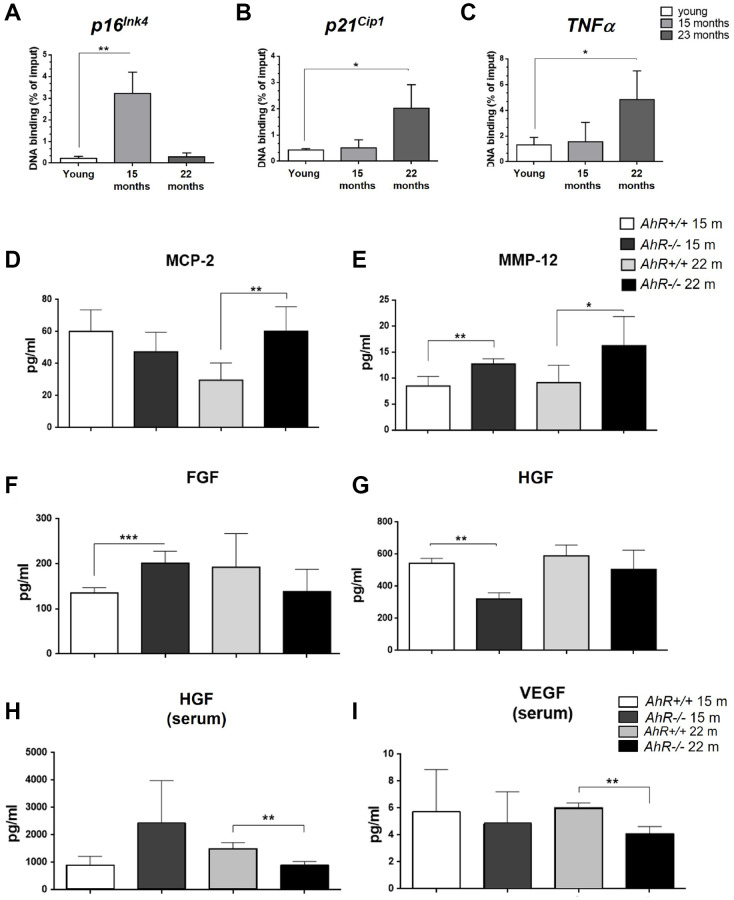
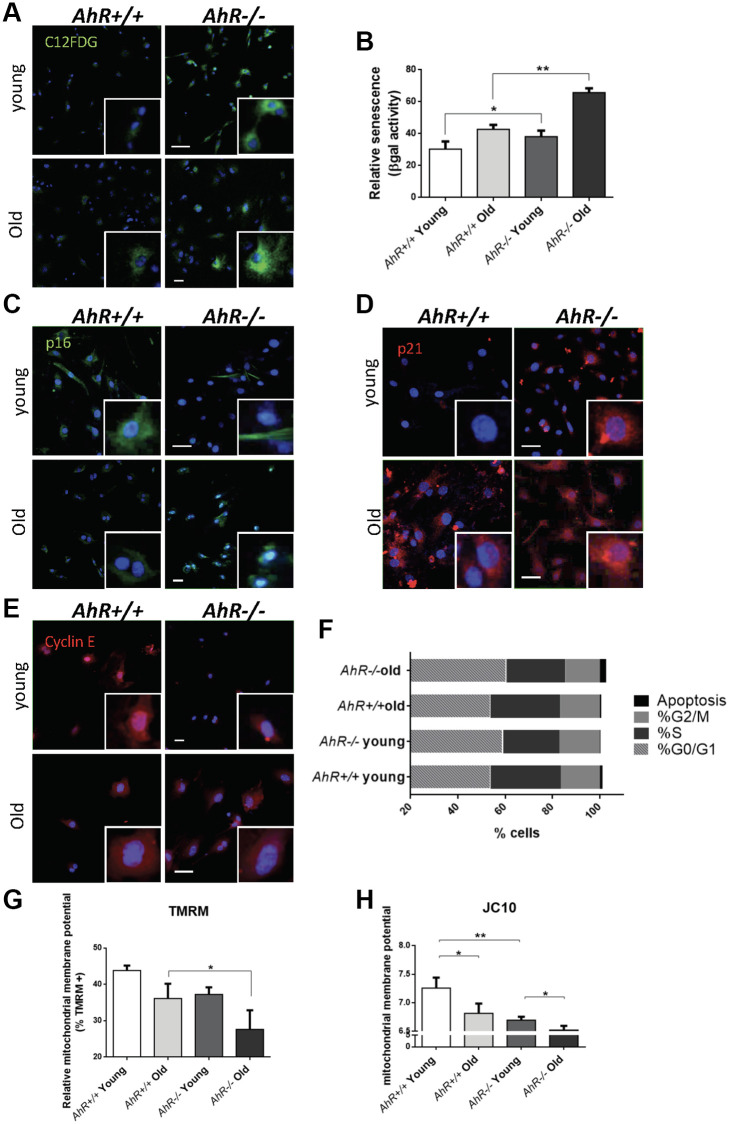
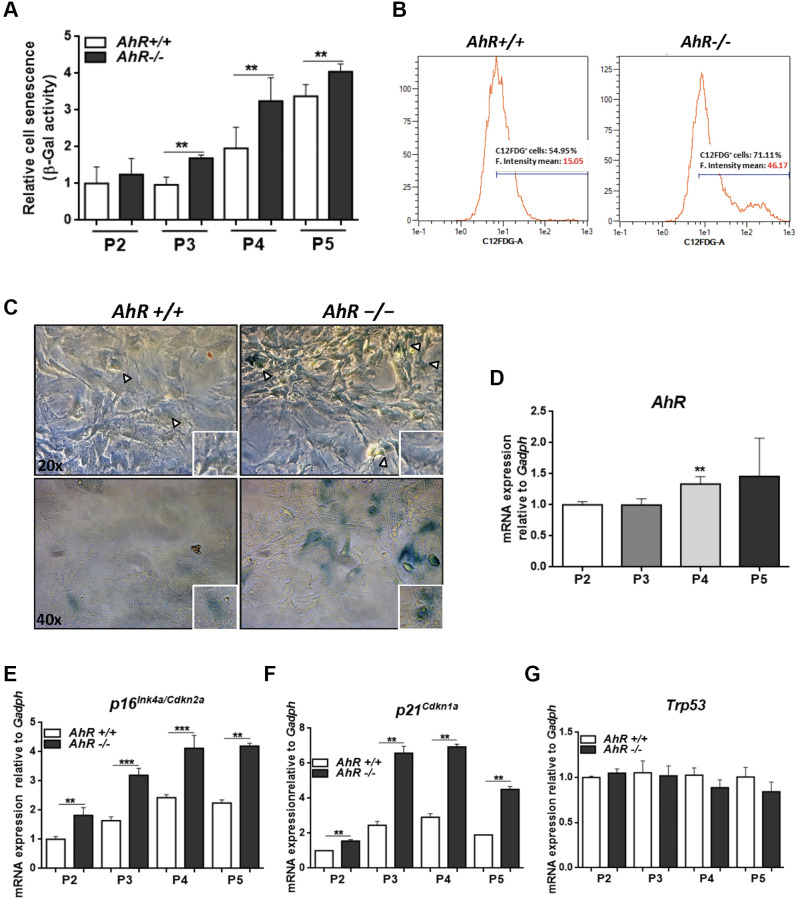
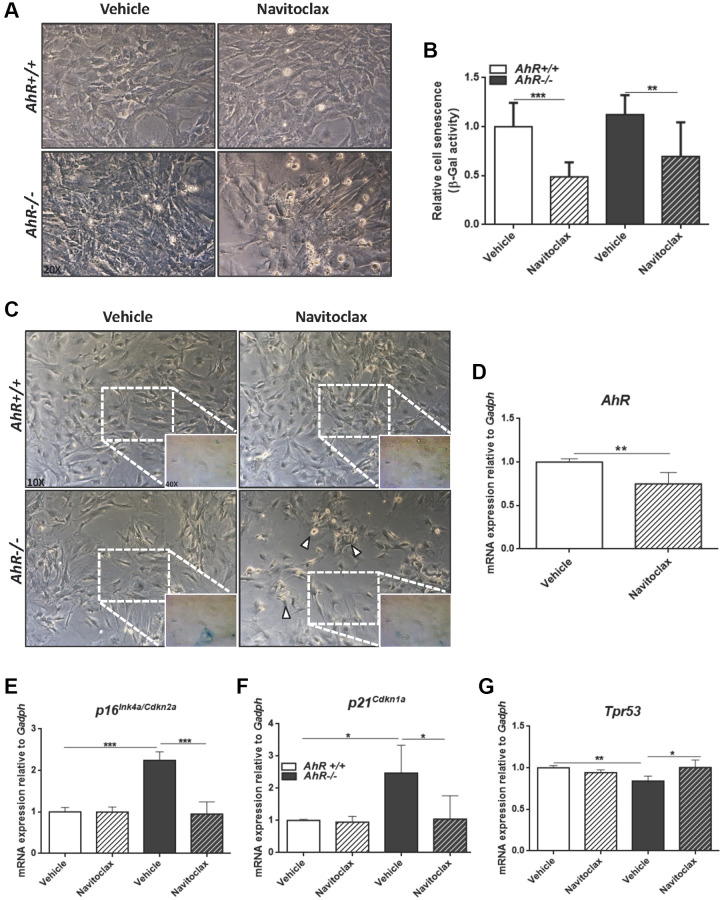
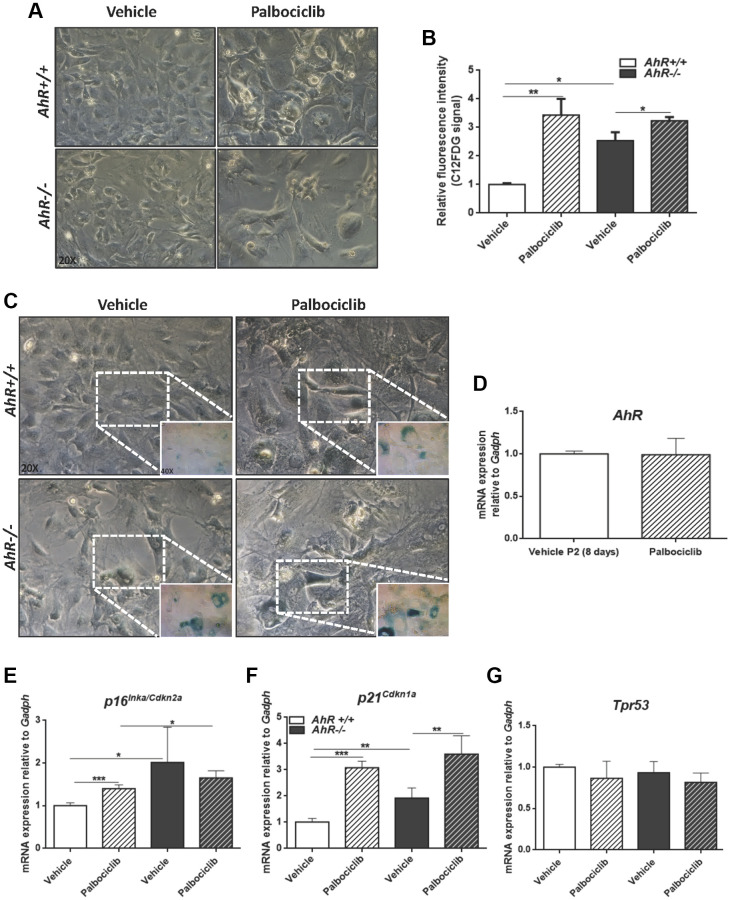
Aging impairs organismal homeostasis leading to multiple pathologies. Yet, the mechanisms and molecular intermediates involved are largely unknown. Here, we report that aged aryl hydrocarbon receptor-null mice () had exacerbated cellular senescence and more liver progenitor cells. Senescence-associated markers β-galactosidase (SA-β-Gal), p16 and p21 and genes encoding senescence-associated secretory phenotype (SASP) factors TNF and IL1 were overexpressed in aged livers. Chromatin immunoprecipitation showed that AhR binding to those gene promoters repressed their expression, thus adjusting physiological levels in livers. MCP-2, MMP12 and FGF secreted by senescent cells were overproduced in aged AhR-null livers. Supporting the relationship between senescence and stemness, liver progenitor cells were overrepresented in mice, probably contributing to increased hepatocarcinoma burden. These AhR roles are not liver-specific since adult and embryonic AhR-null fibroblasts underwent senescence in culture, overexpressing SA-β-Gal, p16 and p21. Notably, depletion of senescent cells with the senolytic agent navitoclax restored expression of senescent markers in fibroblasts, whereas senescence induction by palbociclib induced an AhR-null-like phenotype in fibroblasts. AhR levels were downregulated by senescence in mouse lungs but restored upon depletion of p16-expressing senescent cells. Thus, AhR restricts age-induced senescence associated to a differentiated phenotype eventually inducing resistance to liver tumorigenesis.
衰老会损害机体稳态,导致多种病理状况。然而,其中涉及的机制和分子中间体在很大程度上尚不清楚。在此,我们报告老年芳烃受体缺失小鼠()细胞衰老加剧,肝祖细胞增多。衰老相关标志物β-半乳糖苷酶(SA-β-Gal)、p16和p21以及编码衰老相关分泌表型(SASP)因子TNF和IL1的基因在老年肝脏中过度表达。染色质免疫沉淀显示,芳烃受体与这些基因启动子的结合抑制了它们的表达,从而调节了肝脏中的生理水平。衰老细胞分泌的MCP-2、MMP12和FGF在老年芳烃受体缺失的肝脏中过量产生。支持衰老与干性之间的关系,肝祖细胞在小鼠中占比过高,可能导致肝癌负担增加。这些芳烃受体的作用并非肝脏特异性的,因为成年和胚胎芳烃受体缺失的成纤维细胞在培养中会发生衰老,过度表达SA-β-Gal、p16和p21。值得注意的是,用衰老细胞裂解剂navitoclax清除衰老细胞可恢复成纤维细胞中衰老标志物的表达,而帕博西尼诱导衰老则在成纤维细胞中诱导出类似芳烃受体缺失的表型。芳烃受体水平在小鼠肺中因衰老而下调,但在清除表达p16的衰老细胞后恢复。因此,芳烃受体限制了与分化表型相关的年龄诱导的衰老,最终诱导对肝癌发生的抗性。