Al-Warhi Tarfah, Zahran Eman Maher, Selim Samy, Al-Sanea Mohammad M, Ghoneim Mohammed M, Maher Sherif A, Mostafa Yaser A, Alsenani Faisal, Elrehany Mahmoud A, Almuhayawi Mohammed S, Al Jaouni Soad K, Abdelmohsen Usama Ramadan, Elmaidomy Abeer H
Department of Chemistry, College of Science, Princess Nourah bint Abdulrahman University, Riyadh 11671, Saudi Arabia.
Department of Pharmacognosy, Faculty of Pharmacy, Minia University, Minia 61519, Egypt.
Antioxidants (Basel). 2022 Apr 29;11(5):881. doi: 10.3390/antiox11050881.
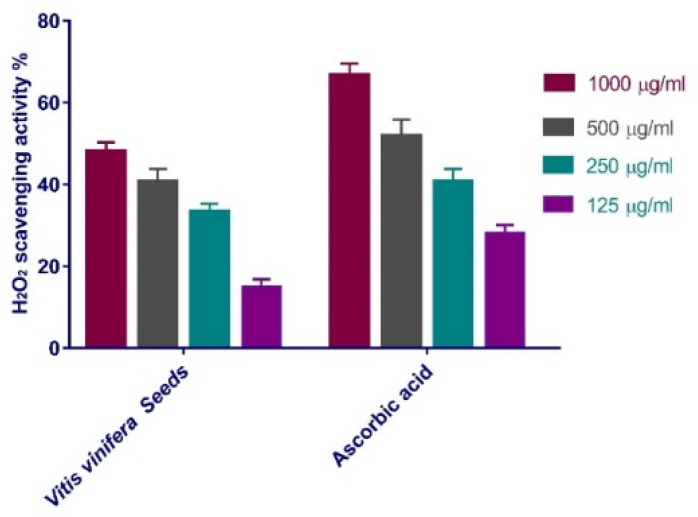
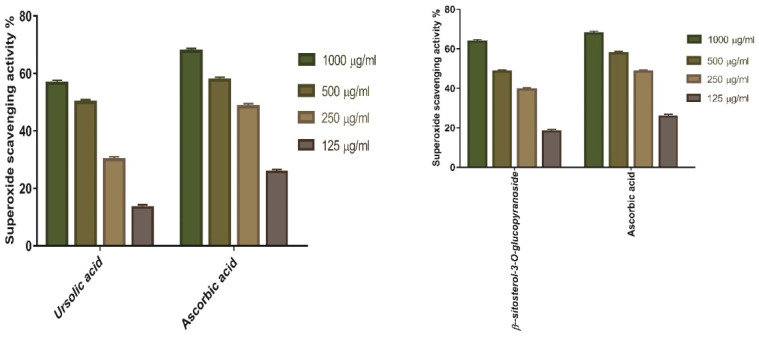
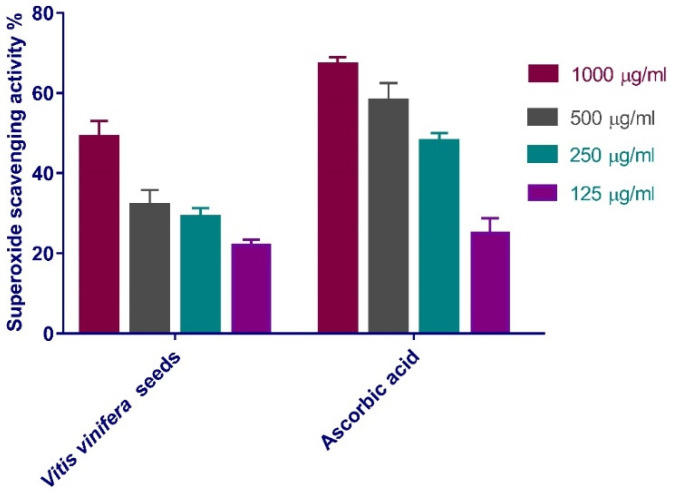
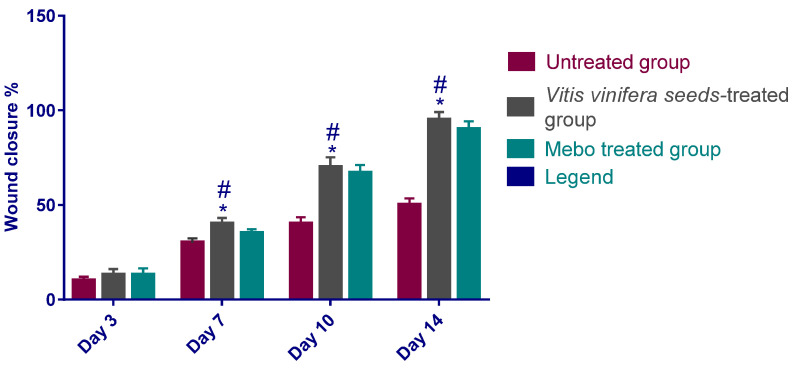
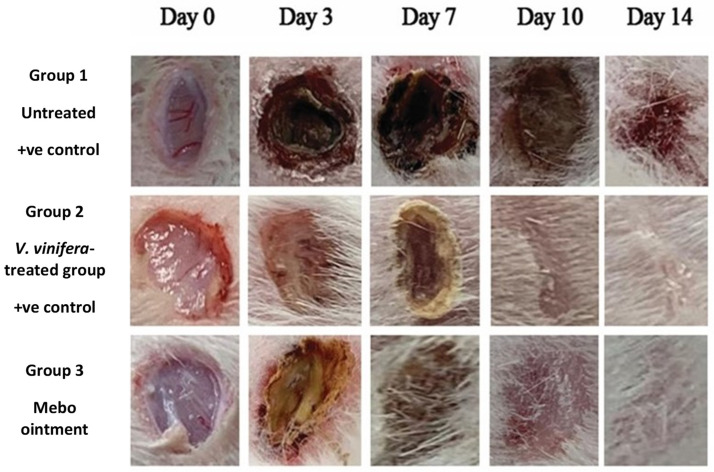
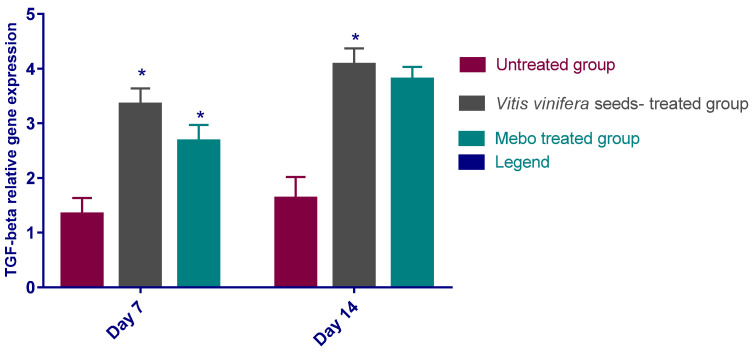
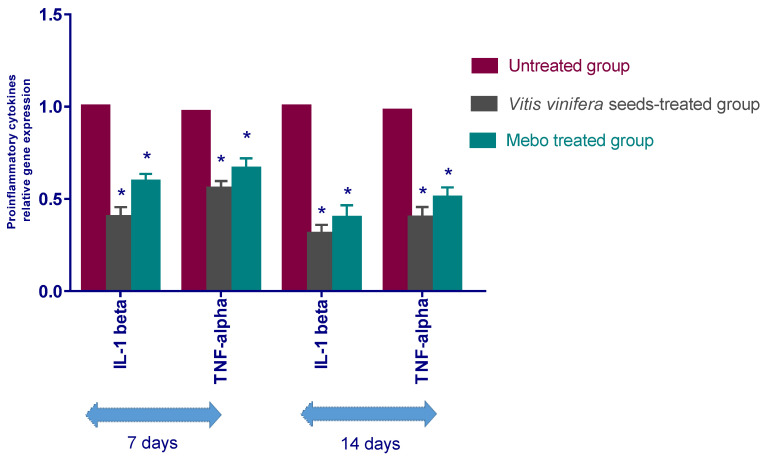
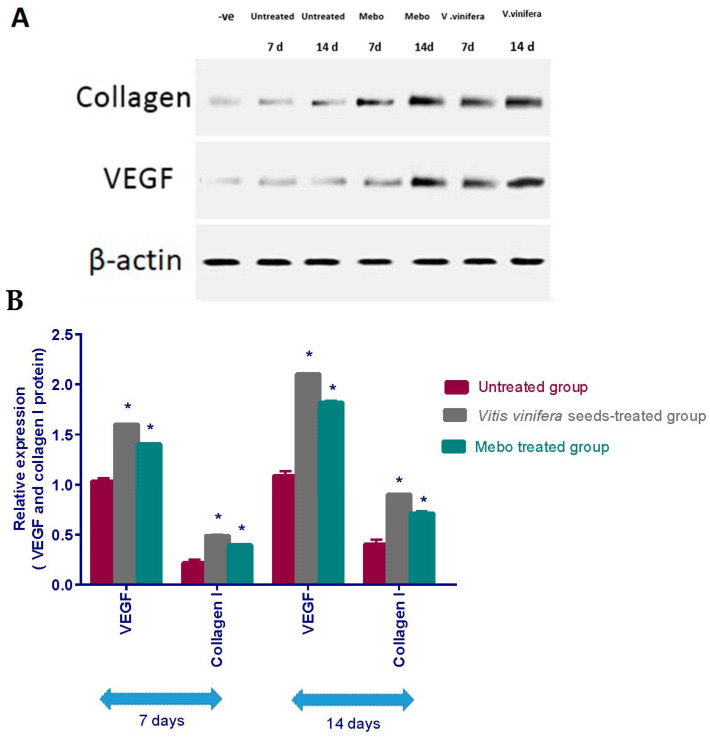
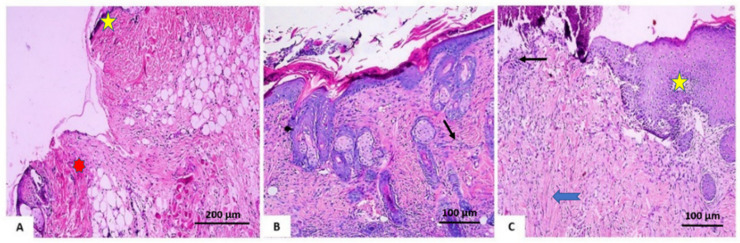
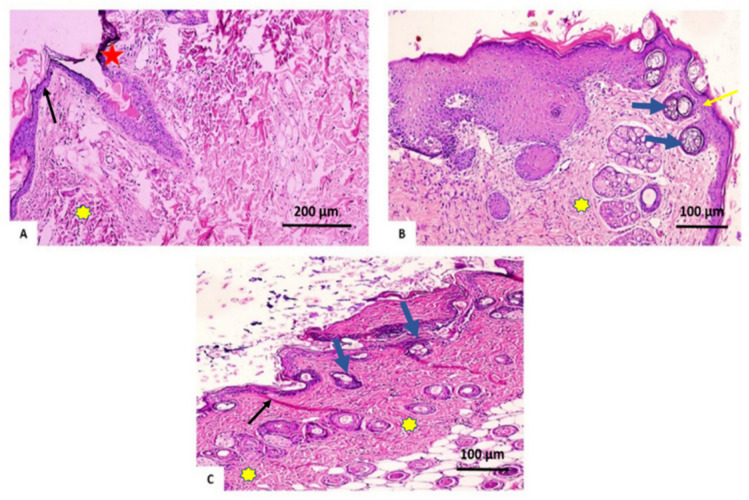
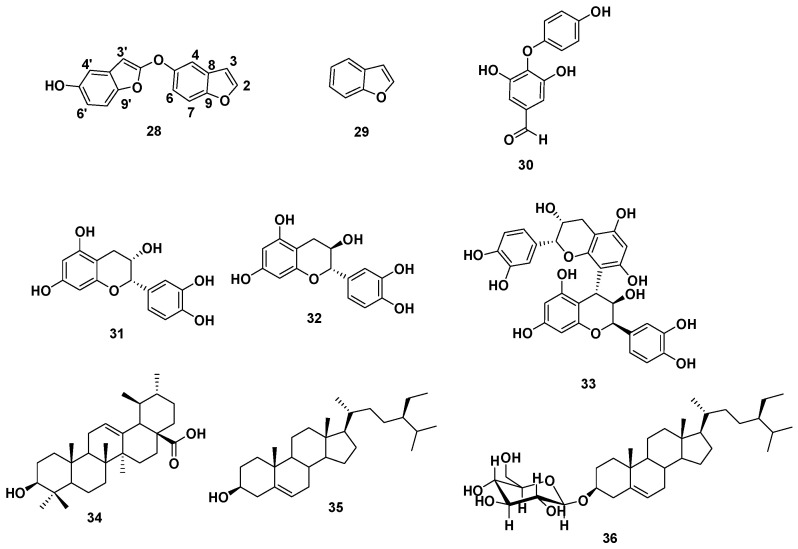
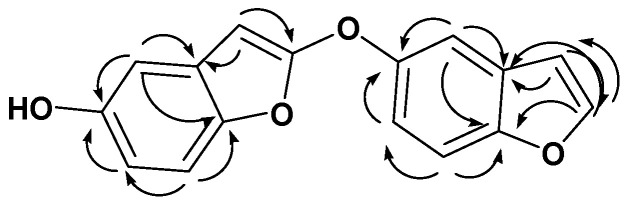
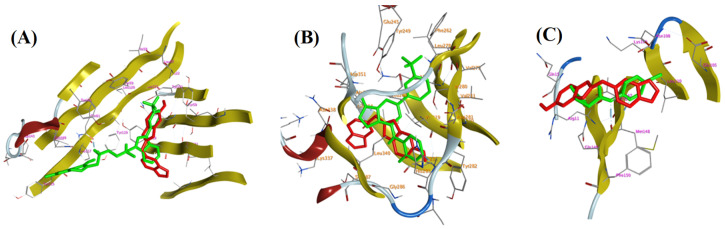
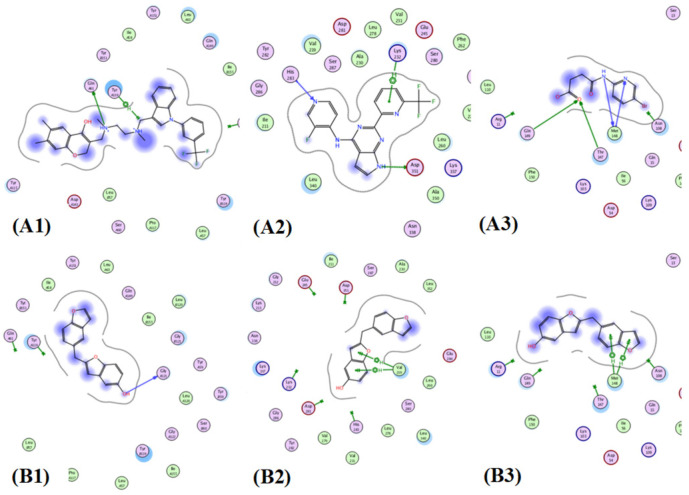
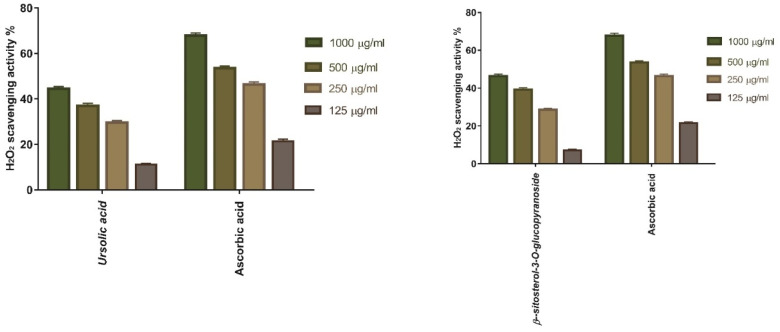
This study explored the in vivo wound healing potential of Vitis vinifera seed extract using an excision wound model with focus on wound healing molecular targets including TGFBR1, VEGF, TNF-α, and IL-1β. The wound healing results revealed that V. vinifera seed extract enhanced wound closure rates (p < 0.001), elevated TGF-β and VEGF levels, and significantly downregulated TNF-α and IL-1β levels in comparison to the Mebo®-treated group. The phenotypical results were supported by biochemical and histopathological findings. Phytochemical investigation yielded a total of 36 compounds including twenty-seven compounds (1−27) identified from seed oil using GC-MS analysis, along with nine isolated compounds. Among the isolated compounds, one new benzofuran dimer (28) along with eight known ones (29−36) were identified. The structure of new compound was elucidated utilizing 1D/2D NMR, with HRESIMS analyses. Moreover, molecular docking experiments were performed to elucidate the molecular targets (TNF-α, TGFBR1, and IL-1β) of the observed wound healing activity. Additionally, the in vitro antioxidant activity of V. vinifera seed extract along with two isolated compounds (ursolic acid 34, and β-sitosterol-3-O-glucopyranoside 36) were explored. Our study highlights the potential of V. vinifera seed extract in wound repair uncovering the most probable mechanisms of action using in silico analysis.
本研究使用切除伤口模型,以转化生长因子β受体1(TGFBR1)、血管内皮生长因子(VEGF)、肿瘤坏死因子-α(TNF-α)和白细胞介素-1β(IL-1β)等伤口愈合分子靶点为重点,探索了葡萄种子提取物在体内的伤口愈合潜力。伤口愈合结果显示,与美宝®治疗组相比,葡萄种子提取物提高了伤口闭合率(p < 0.001),提高了TGF-β和VEGF水平,并显著下调了TNF-α和IL-1β水平。表型结果得到了生化和组织病理学结果的支持。植物化学研究共得到36种化合物,其中包括通过气相色谱-质谱联用(GC-MS)分析从种子油中鉴定出的27种化合物(1-27),以及9种分离得到的化合物。在分离得到的化合物中,鉴定出一种新的苯并呋喃二聚体(28)以及8种已知化合物(29-36)。利用一维/二维核磁共振(1D/2D NMR)和高分辨电喷雾电离质谱(HRESIMS)分析阐明了新化合物的结构。此外,还进行了分子对接实验,以阐明观察到的伤口愈合活性的分子靶点(TNF-α、TGFBR1和IL-1β)。此外,还探索了葡萄种子提取物以及两种分离得到的化合物(熊果酸34和β-谷甾醇-3-O-葡萄糖苷36)的体外抗氧化活性。我们的研究突出了葡萄种子提取物在伤口修复中的潜力,通过计算机模拟分析揭示了最可能的作用机制。