An Uijeong, Du Xiaofen, Wang Wanyi
Department of Nutrition and Food Sciences, Texas Woman's University, Denton, TX 76204, USA.
Center for Research Design & Analysis, Texas Woman's University, Houston, TX 77030, USA.
Foods. 2022 May 16;11(10):1434. doi: 10.3390/foods11101434.
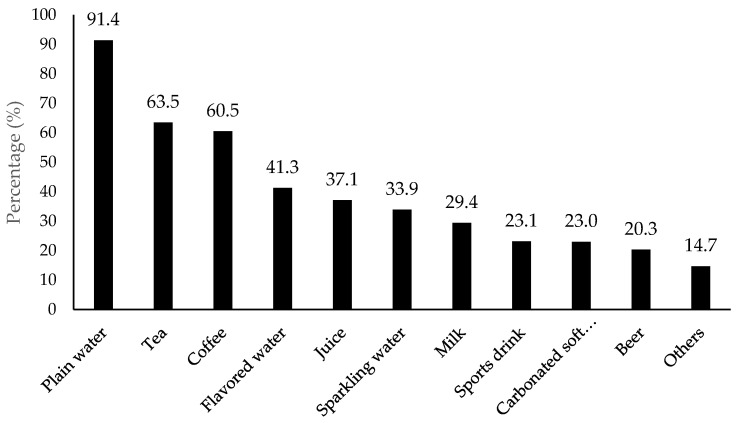
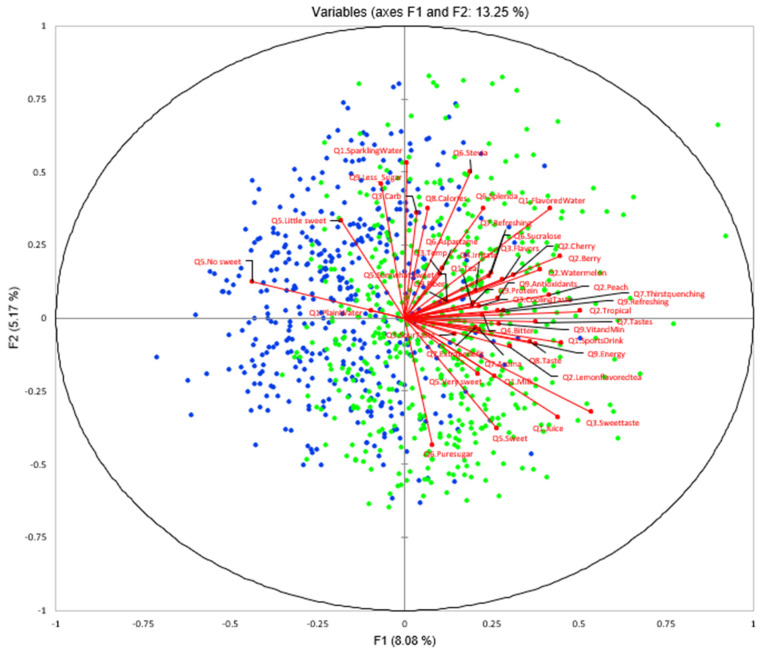
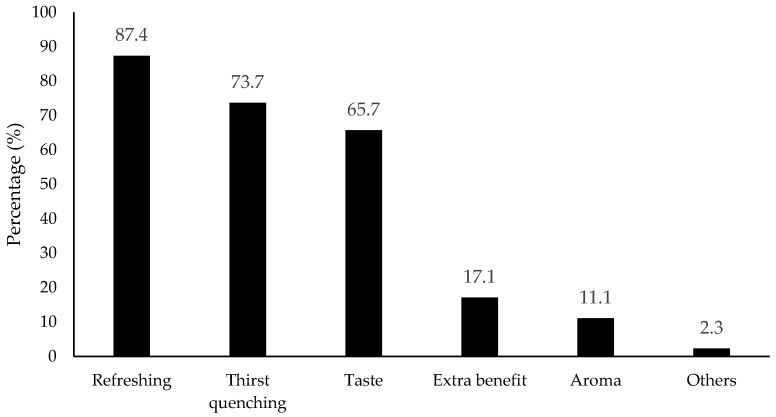
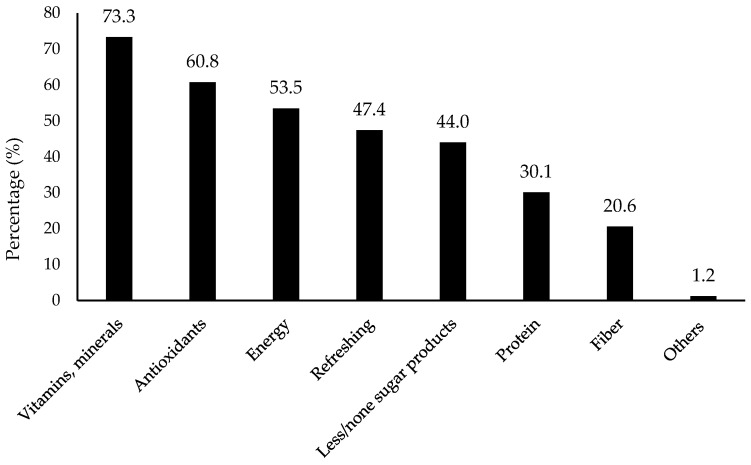
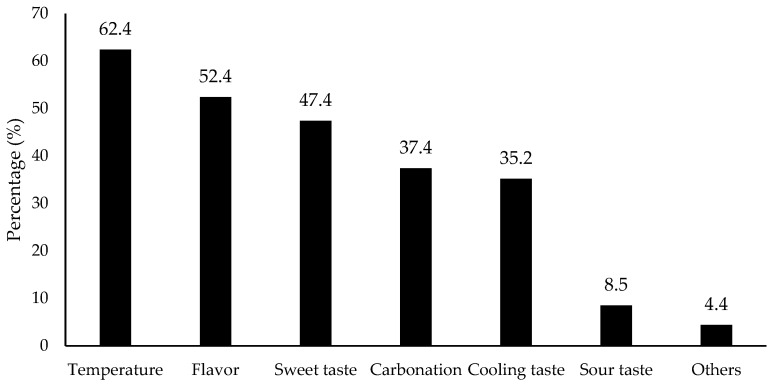
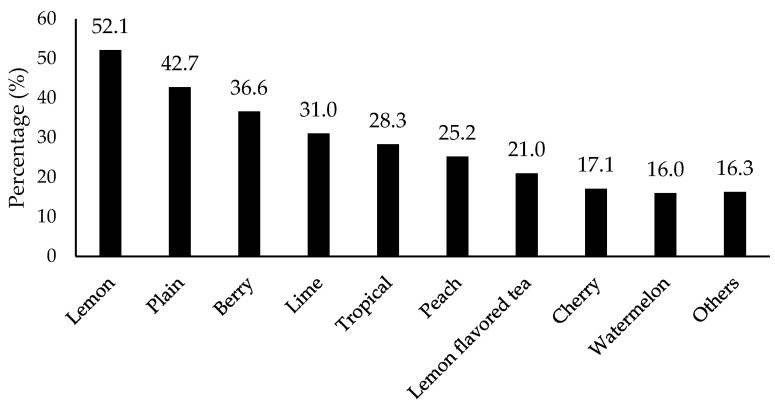
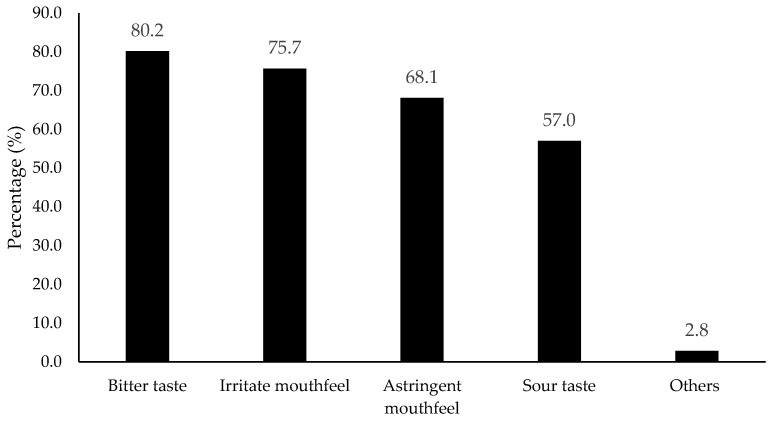
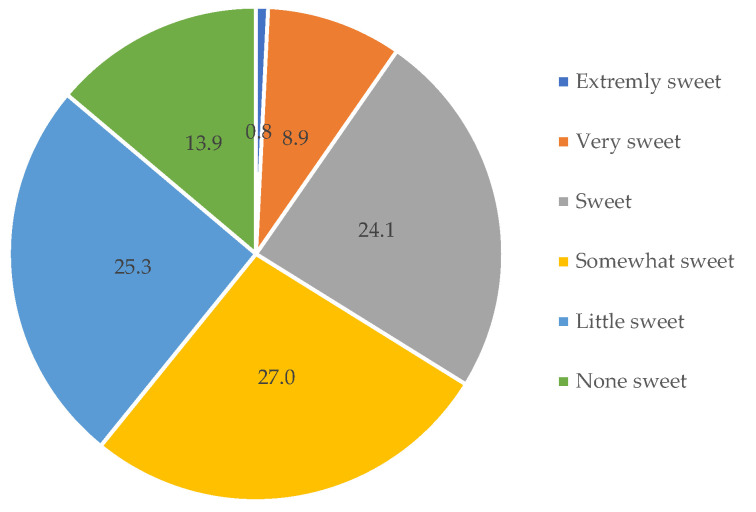
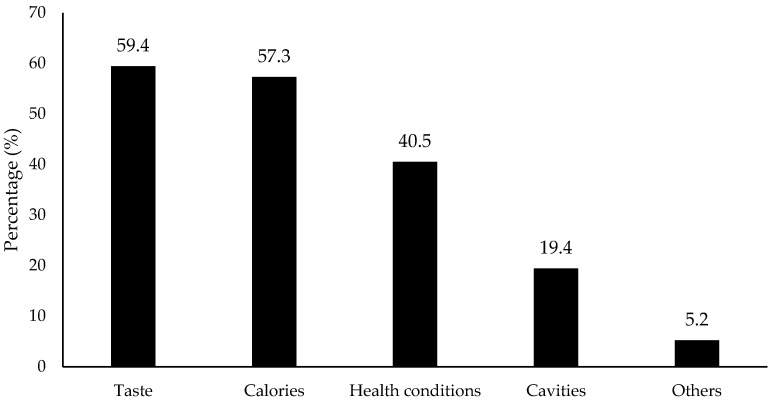
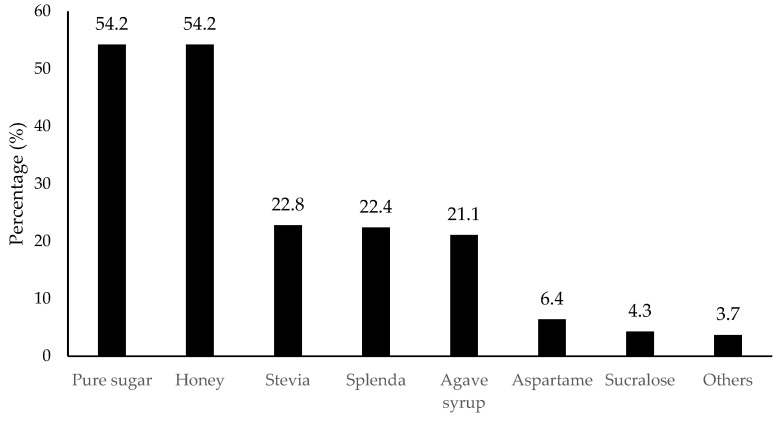
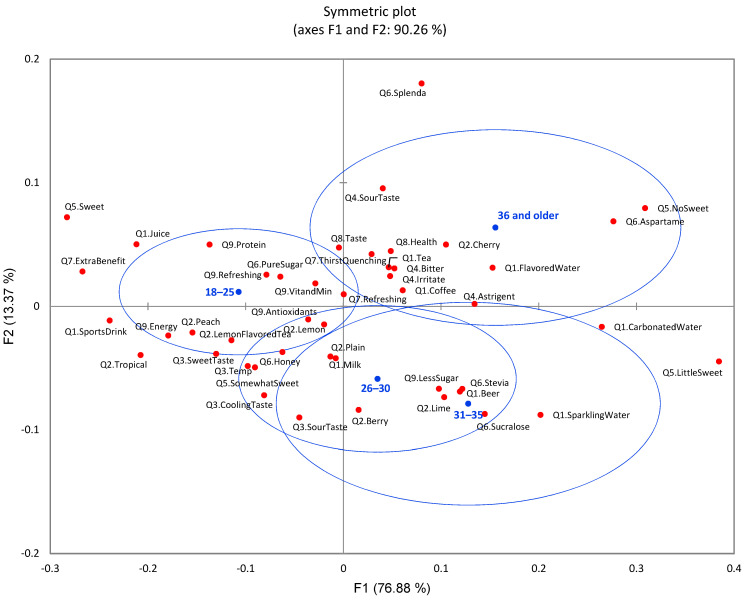
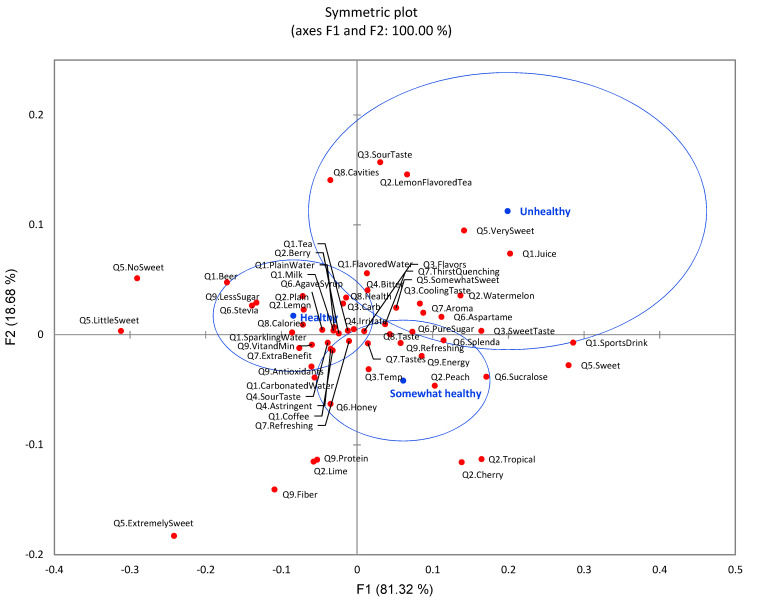
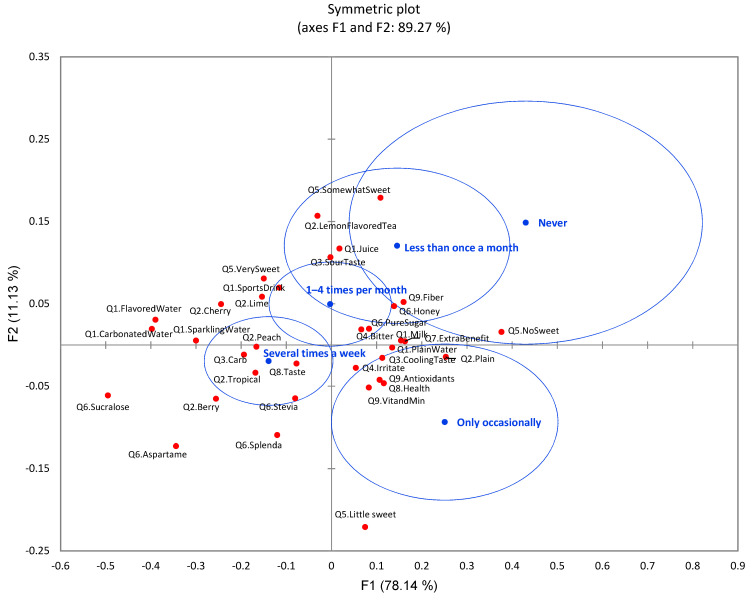
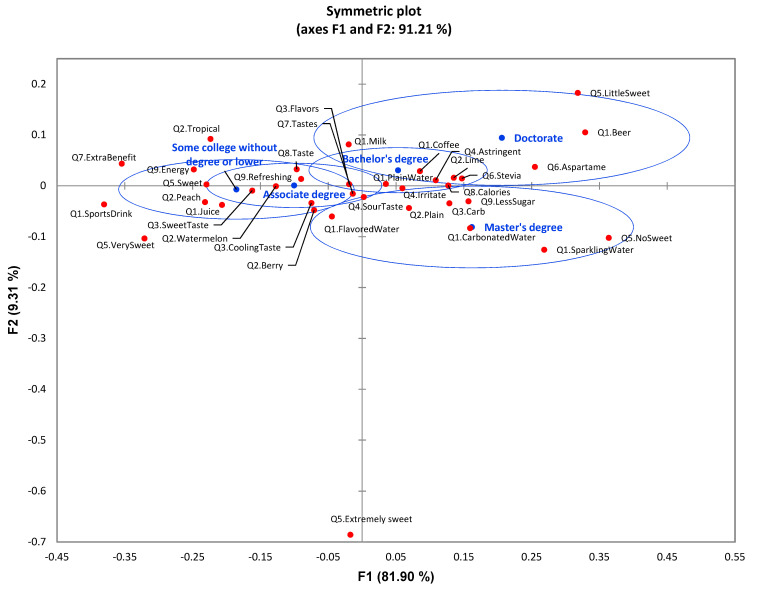
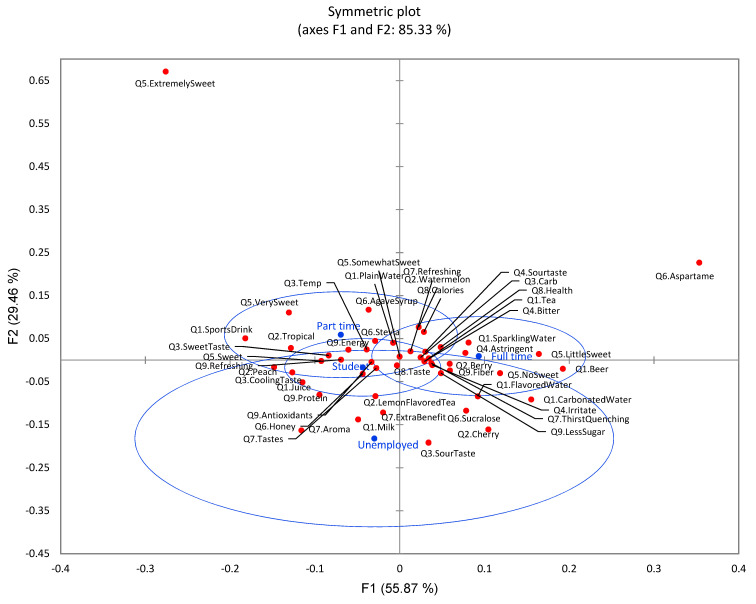
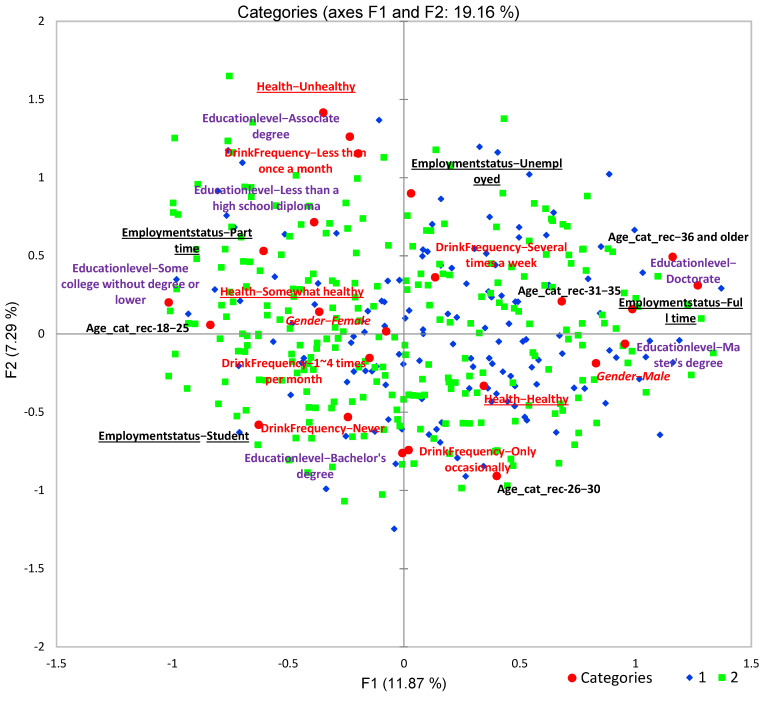
This study aimed to investigate consumer expectation of flavored water and potential consumer segments. The results showed flavored water was ranked the fourth most popular drink, after plain water, tea, and coffee, by 901 participants. Consumers highly expected functional flavored water with refreshing (87.4% selection), thirst-quenching (73.7%), and tasty (65.7%) qualities, containing vitamins, minerals, and antioxidants, and providing energy. Expected flavored water sensory qualities included temperature (62.4%), flavor (52.4%), and sweet taste (47.4%); lemon, berry, and lime flavors were most preferred, while bitterness, irritation, astringency, and sourness were least preferred. Pure sugar and honey were rated highest as the sweeteners for flavored water. Likewise, consumers were mostly concerned with taste followed by calories. Single demographic variables (age, reported health condition, drinking frequency, educational level) significantly influenced ( ≤ 0.05) flavored water function, sensory quality, and sugar reduction expectations. Females had higher expectation of flavored water's refreshing and antioxidant functions. Cluster analysis revealed two consumer segments. The younger, low-education, self-reportedly less healthy cluster (mainly college students) expected various functions and flavors such as low temperature, cooling taste, diverse flavors, and sweet taste (and disliked bitterness). The older, educated, employed, self-reportedly healthy cluster had lower expectations of flavored water functions, were less sensitive to bitterness, and preferred no sweetness or little sweetness. These findings provide informative data to establish marketing and sales strategies for promoting flavored water.
本研究旨在调查消费者对风味水的期望以及潜在的消费群体。结果显示,901名参与者将风味水列为第四大最受欢迎的饮品,仅次于白开水、茶和咖啡。消费者对具有提神(87.4%的选择率)、解渴(73.7%)和美味(65.7%)特质的功能性风味水期望很高,这类风味水含有维生素、矿物质和抗氧化剂,并能提供能量。预期的风味水感官品质包括温度(62.4%)、风味(52.4%)和甜味(47.4%);柠檬、浆果和酸橙口味最受青睐,而苦味、刺激性、涩味和酸味最不受欢迎。纯糖和蜂蜜被评为风味水的最佳甜味剂。同样,消费者最关注口味,其次是卡路里。单一人口统计学变量(年龄、报告的健康状况、饮用频率、教育水平)对风味水的功能、感官品质和减糖期望有显著影响(≤0.05)。女性对风味水的提神和抗氧化功能期望更高。聚类分析揭示了两个消费群体。较年轻、低学历、自称健康状况较差的群体(主要是大学生)期望有各种功能和口味,如低温、清凉口感、多样口味和甜味(且不喜欢苦味)。年龄较大、受过教育、有工作、自称健康的群体对风味水功能的期望较低,对苦味不太敏感,更喜欢无糖或低糖。这些发现为制定推广风味水的营销和销售策略提供了有用的数据。