Lee Youjin, Werlinger Pia, Suh Joo-Won, Cheng Jinhua
Graduate School of Interdisciplinary Program of Biomodulation, Myongji University, Yongin 17058, Korea.
Myongji Bioefficacy Research Center, Myongji University, Yongin 17058, Korea.
Microorganisms. 2022 Apr 20;10(5):851. doi: 10.3390/microorganisms10050851.
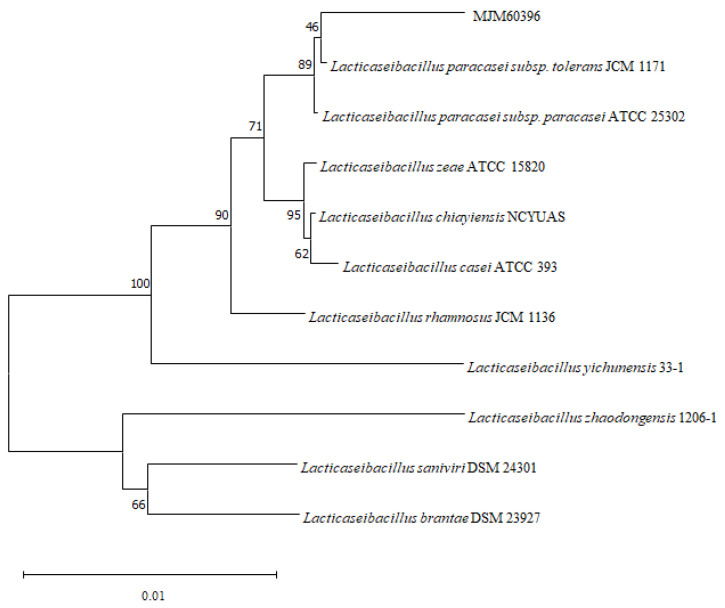
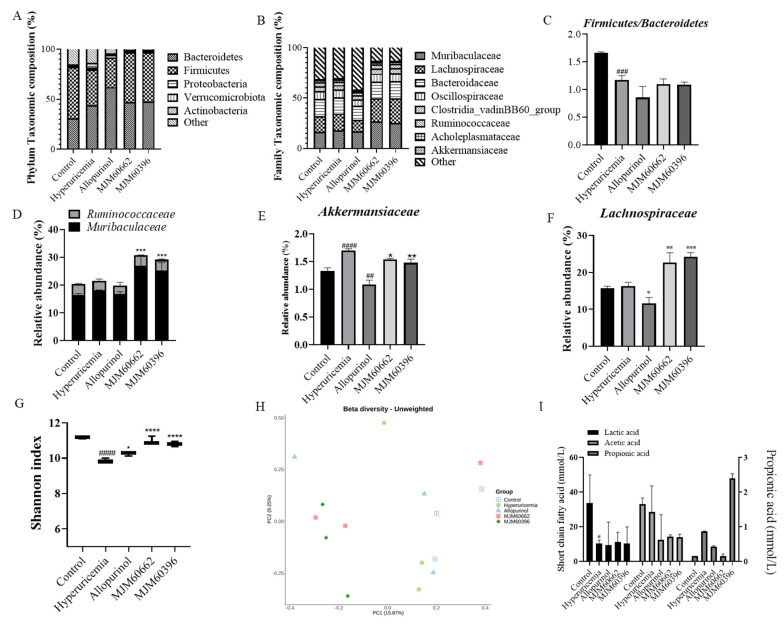
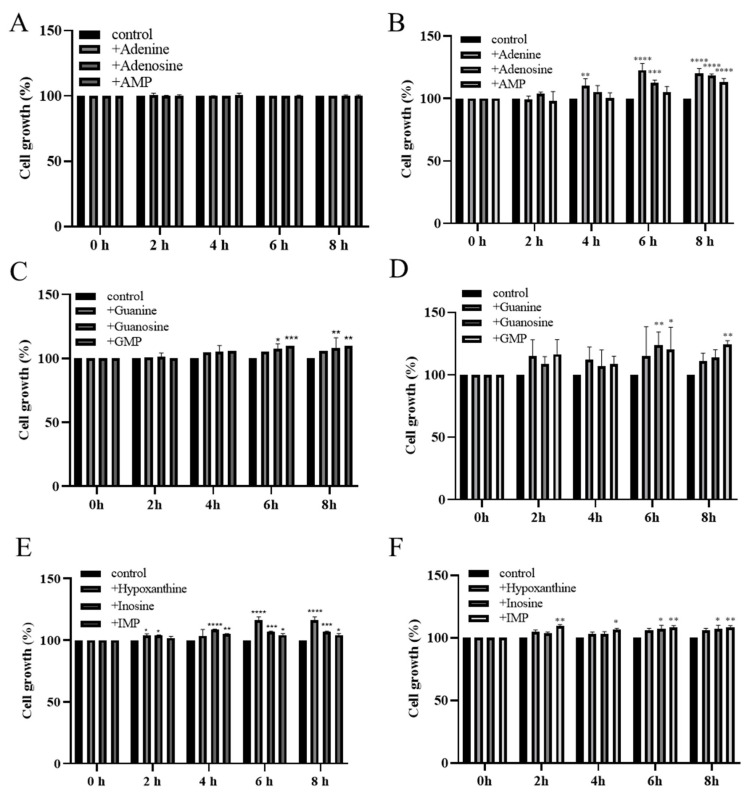
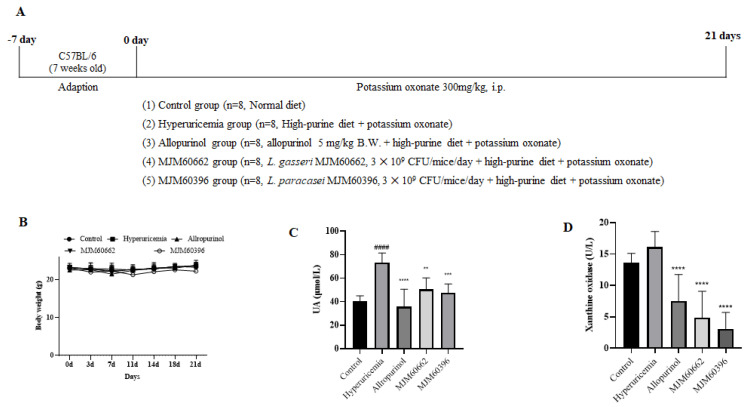
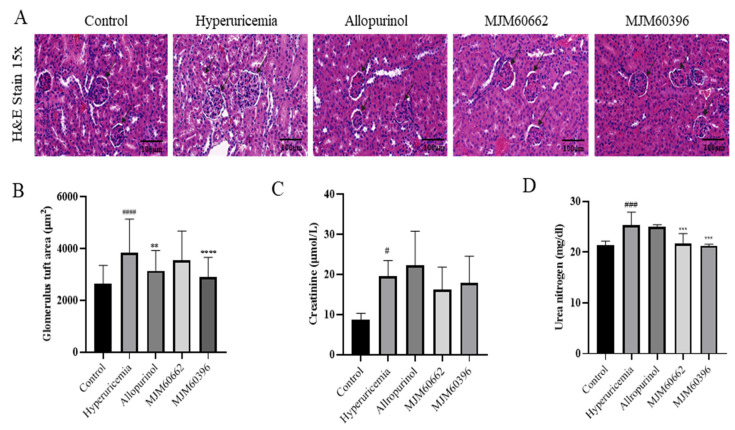
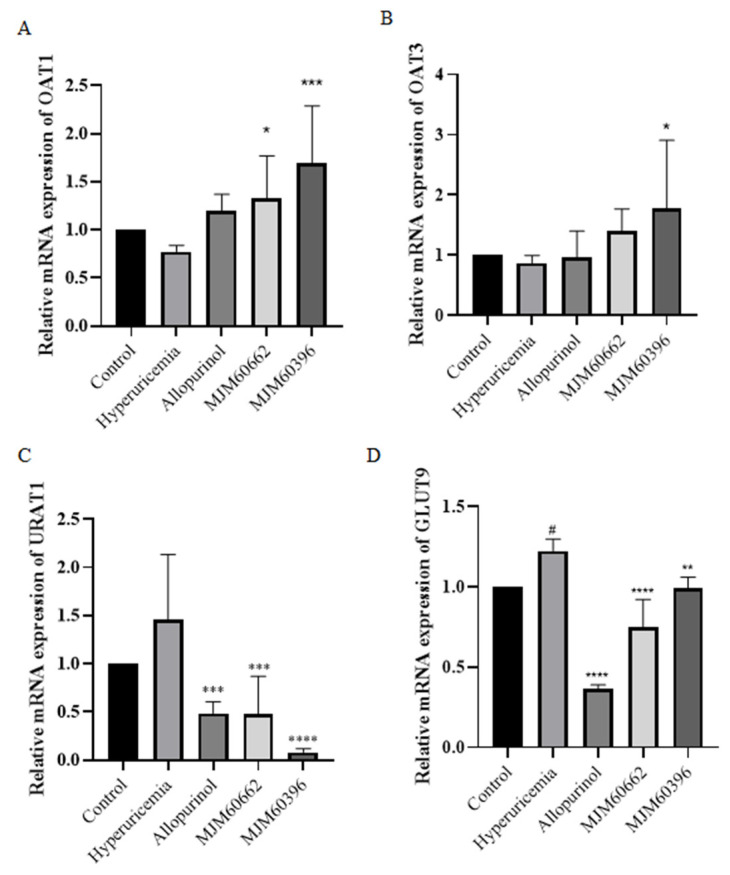
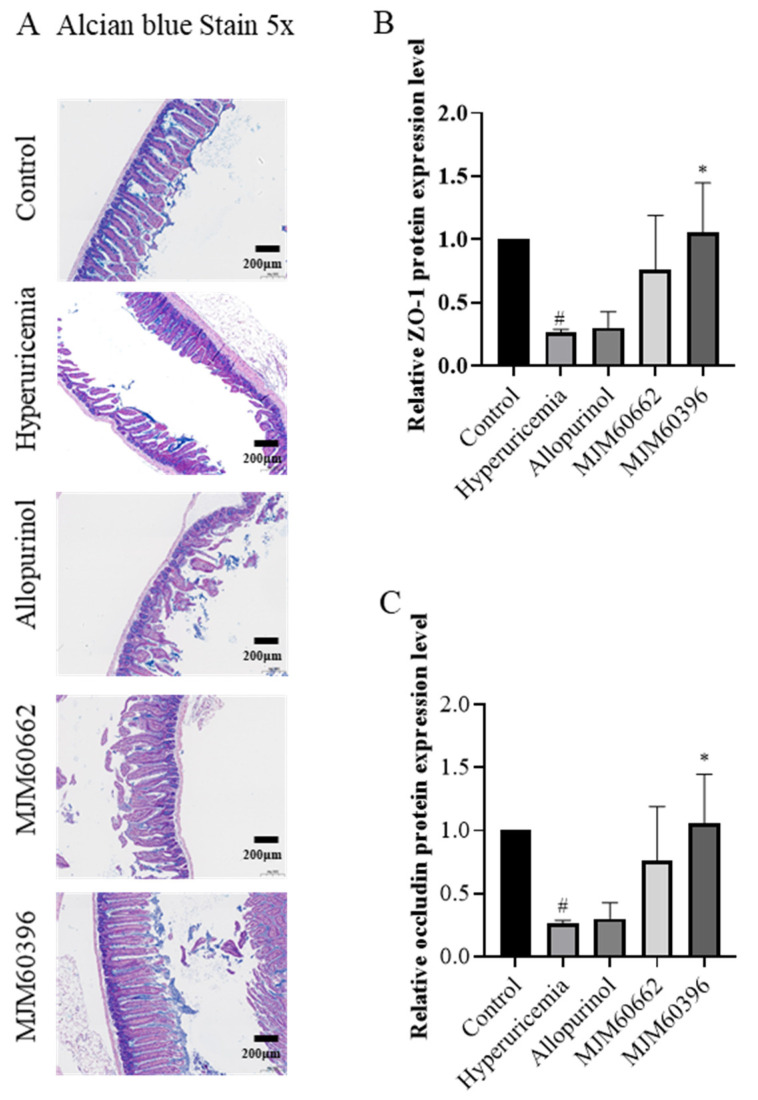
Hyperuricemia is a metabolic disorder caused by increased uric acid (UA) synthesis or decreased UA excretion. Changes in eating habits have led to an increase in the consumption of purine-rich foods, which is closely related to hyperuricemia. Therefore, decreased purine absorption, increased UA excretion, and decreased UA synthesis are the main strategies to ameliorate hyperuricemia. This study aimed to screen the lactic acid bacteria (LAB) with purine degrading ability and examine the serum UA-lowering effect in a hyperuricemia mouse model. As a result, MJM60396 was selected from 22 LAB isolated from fermented foods for 100% assimilation of inosine and guanosine. MJM60396 showed probiotic characteristics and safety properties. In the animal study, the serum uric acid was significantly reduced to a normal level after oral administration of MJM60396 for 3 weeks. The amount of xanthine oxidase, which catalyzes the formation of uric acid, decreased by 81%, and the transporters for excretion of urate were upregulated. Histopathological analysis showed that the damaged glomerulus, Bowman's capsule, and tubules of the kidney caused by hyperuricemia was relieved. In addition, the impaired intestinal barrier was recovered and the expression of tight junction proteins, ZO-1 and occludin, was increased. Analysis of the microbiome showed that the relative abundance of and bacteria, which were related to the intestinal barrier integrity, was increased in the MJM60396 group. Therefore, these results demonstrated that MJM60396 can prevent hyperuricemia in multiple ways by absorbing purines, decreasing UA synthesis by suppressing xanthine oxidase, and increasing UA excretion by regulating urate transporters.
高尿酸血症是一种由尿酸(UA)合成增加或UA排泄减少引起的代谢紊乱。饮食习惯的改变导致富含嘌呤食物的摄入量增加,这与高尿酸血症密切相关。因此,减少嘌呤吸收、增加UA排泄以及减少UA合成是改善高尿酸血症的主要策略。本研究旨在筛选具有嘌呤降解能力的乳酸菌(LAB),并在高尿酸血症小鼠模型中检测其降低血清尿酸的效果。结果,从发酵食品中分离的22株LAB中筛选出MJM60396,其对肌苷和鸟苷的同化率为100%。MJM60396具有益生菌特性和安全性。在动物研究中,口服MJM60396 3周后,血清尿酸显著降低至正常水平。催化尿酸形成的黄嘌呤氧化酶量减少了81%,尿酸排泄转运体上调。组织病理学分析表明,高尿酸血症引起的肾脏肾小球、鲍曼囊和肾小管损伤得到缓解。此外,受损的肠道屏障得以恢复,紧密连接蛋白ZO-1和闭合蛋白的表达增加。微生物组分析表明,MJM60396组中与肠道屏障完整性相关的和细菌的相对丰度增加。因此,这些结果表明,MJM60396可以通过吸收嘌呤、抑制黄嘌呤氧化酶减少UA合成以及调节尿酸转运体增加UA排泄等多种方式预防高尿酸血症。