Department of Health and Exercise Science, Colorado State University, Fort Collins, CO 80523-1582, USA.
Department of Environmental and Radiological Health Sciences, Colorado State University, Fort Collins, CO 80523-1680, USA.
Nutrients. 2022 May 21;14(10):2152. doi: 10.3390/nu14102152.
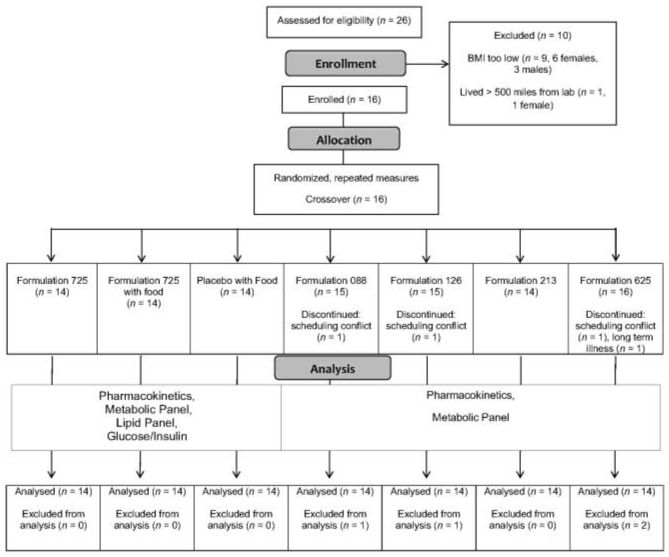
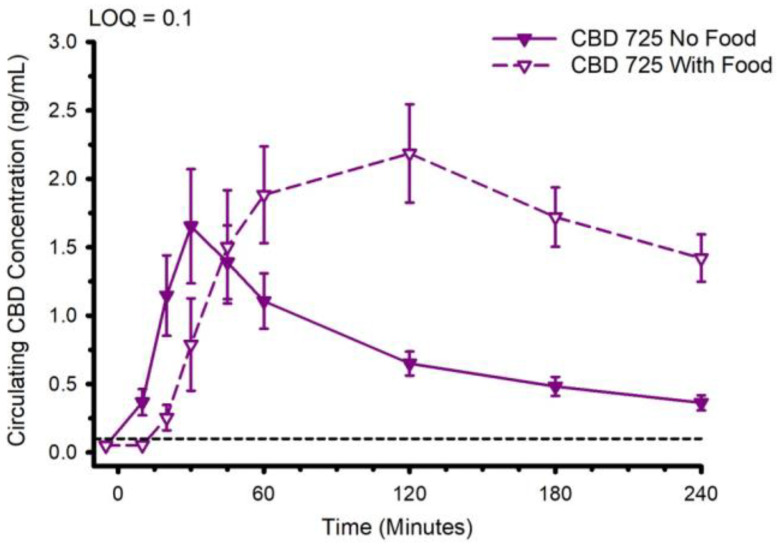
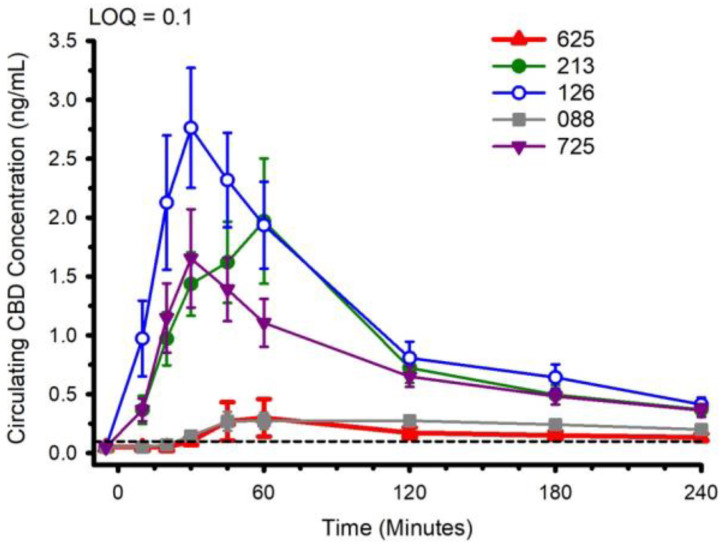
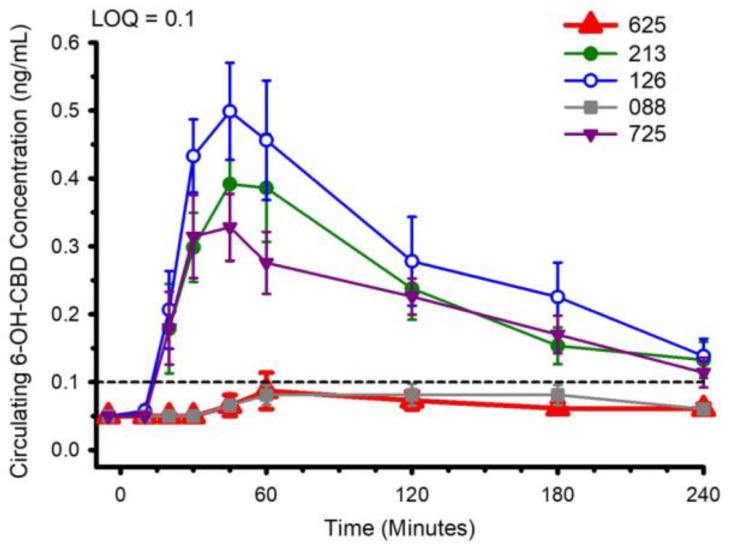
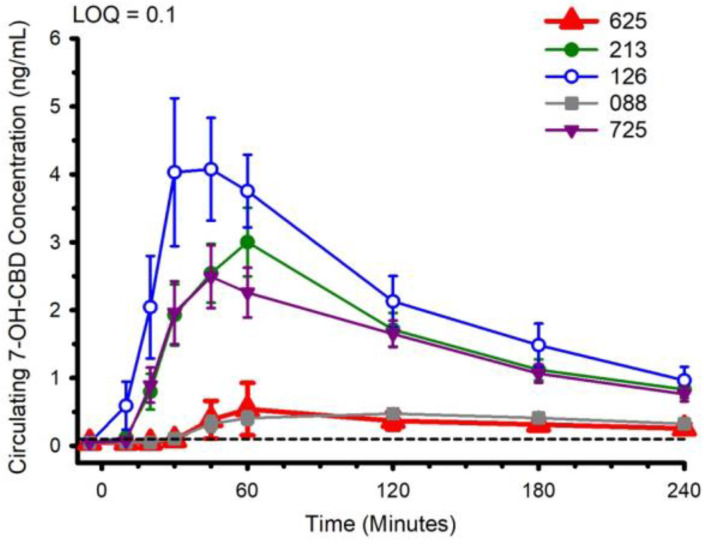
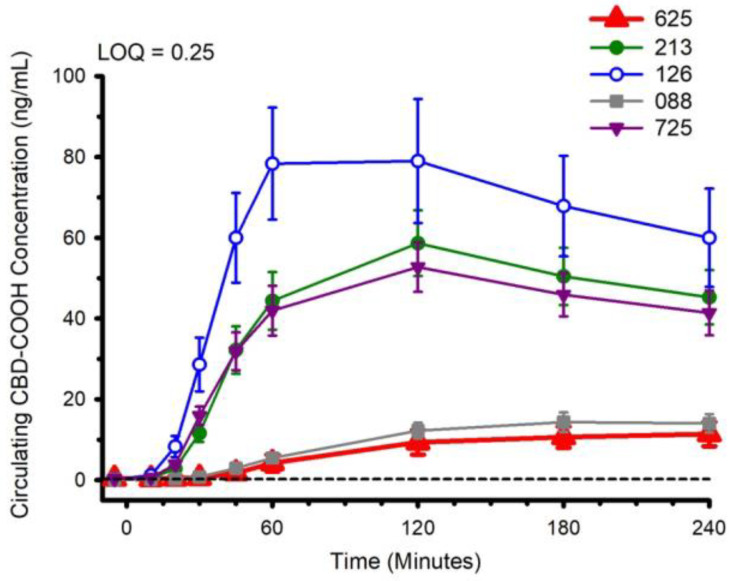
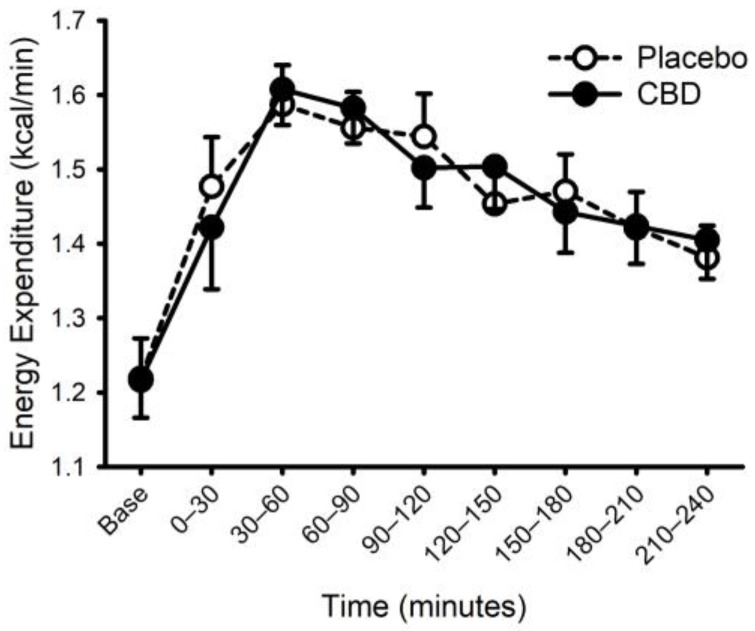
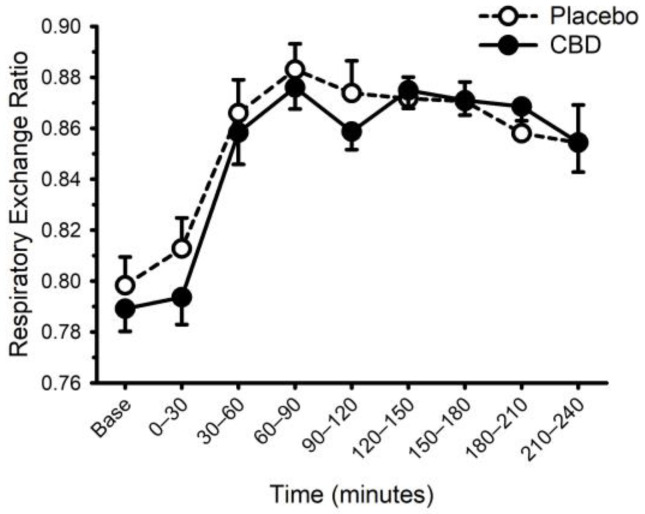
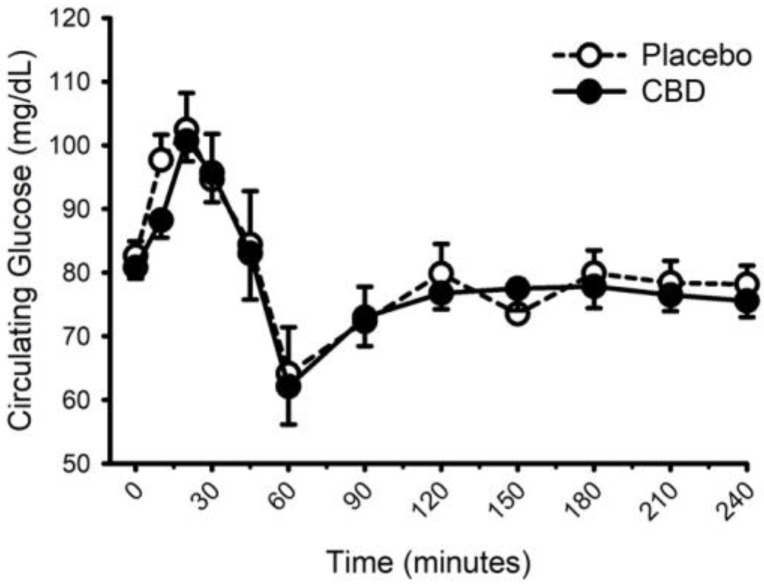
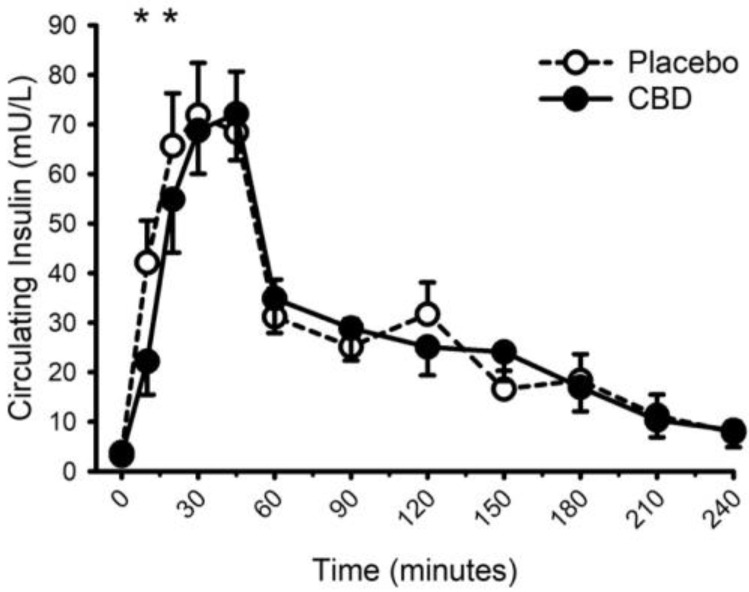
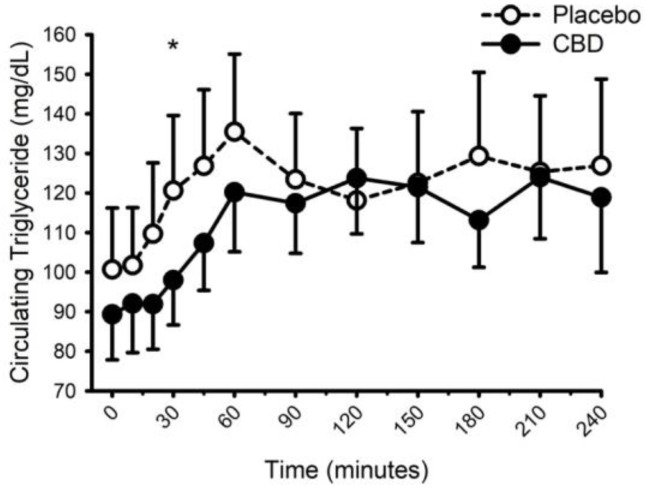
Cannabidiol (CBD) is widely available and marketed as having therapeutic properties. Over-the-counter CBD is unregulated, many of the therapeutic claims lack scientific support, and controversy exists as to the safety of CBD-liver interaction. The study aims were to compare the pharmacokinetics of commercial CBD and CBD metabolites following the ingestion of five different CBD formulations, determine the influence of CBD on food induced thermogenesis, determine the influence of food on CBD pharmacokinetics, and determine the influence of CBD on markers of liver function. Fourteen males (body mass index ≥ 25 kg/m) were studied in a placebo-controlled, randomized, crossover design. On five occasions, different CBD formulations were ingested (one per visit). On two additional occasions, CBD or placebo was ingested following a meal. CBD servings were standardized to 30 mg. Considerable pharmacokinetic variability existed between formulations; this pharmacokinetic variability transferred to several of the metabolites. CBD did not influence food induced thermogenesis but did favorably modify early insulin and triglyceride responses. Food appreciably altered the pharmacokinetics of CBD. Finally, CBD did not evoke physiologically relevant changes in markers of liver function. Collectively, these data suggest that consumers should be aware of the appreciable pharmacokinetic differences between commercial CBD formulations, CBD is unlikely to influence the caloric cost of eating but may prove to be of some benefit to initial metabolic responses, consuming CBD with food alters the dynamics of CBD metabolism and increases systemic availability, and low-dose CBD probably does not represent a risk to normal liver function.
大麻二酚(CBD)广泛可用,并被宣传具有治疗特性。非处方 CBD 不受监管,许多治疗声称缺乏科学依据,并且 CBD 与肝脏相互作用的安全性存在争议。本研究旨在比较五种不同 CBD 配方摄入后商业 CBD 和 CBD 代谢物的药代动力学,确定 CBD 对食物诱导产热的影响,确定食物对 CBD 药代动力学的影响,以及确定 CBD 对肝功能标志物的影响。14 名男性(体重指数≥25kg/m)按安慰剂对照、随机、交叉设计进行研究。在五次不同的情况下,摄入了不同的 CBD 配方(每次访问一次)。在另外两次,摄入 CBD 或安慰剂后随餐。CBD 剂量标准化为 30mg。配方之间存在相当大的药代动力学变异性;这种药代动力学变异性转移到了几种代谢物中。CBD 不影响食物诱导的产热,但可有利地改变早期胰岛素和甘油三酯的反应。食物明显改变了 CBD 的药代动力学。最后,CBD 没有引起肝功能标志物的生理相关变化。总的来说,这些数据表明消费者应该意识到商业 CBD 配方之间存在明显的药代动力学差异,CBD 不太可能影响进食的热量成本,但可能对初始代谢反应有一定益处,随餐服用 CBD 会改变 CBD 代谢的动力学并增加系统可用性,低剂量 CBD 可能不会对正常肝功能造成风险。