Vaso Carolina Orlando, Bila Níura Madalena, Pandolfi Fabiana, De Vita Daniela, Bortolami Martina, Bonatti Jean Lucas Carvalho, De Moraes Silva Rosângela Aparecida, Gonçalves Larissa Naiara Carvalho, Tudino Valeria, Costi Roberta, Di Santo Roberto, Mendes-Giannini Maria José Soares, Costa-Orlandi Caroline Barcelos, Scipione Luigi, Fusco-Almeida Ana Marisa
Department of Clinical Analysis, School of Pharmaceutical Science, Universidade Estadual Paulista, Araraquara 14800-903, SP, Brazil.
Department of Scienze di Base e Applicate per l'Ingegneria, Sapienza University of Rome, Via Castro Laurenziano 7, 00185 Rome, Italy.
Pharmaceutics. 2022 May 12;14(5):1043. doi: 10.3390/pharmaceutics14051043.
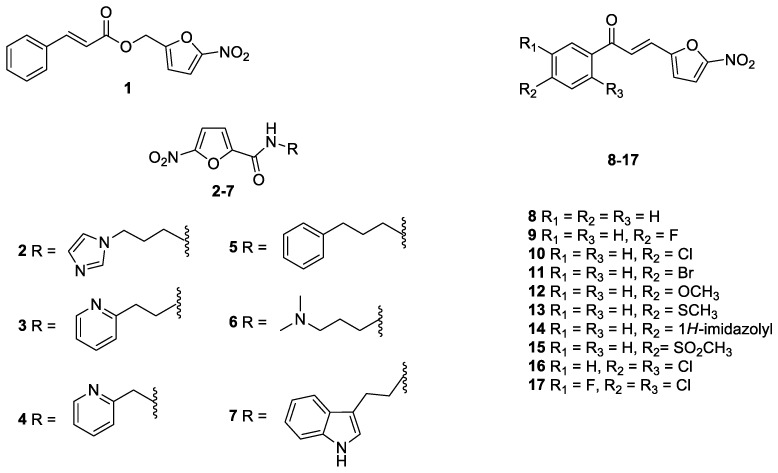
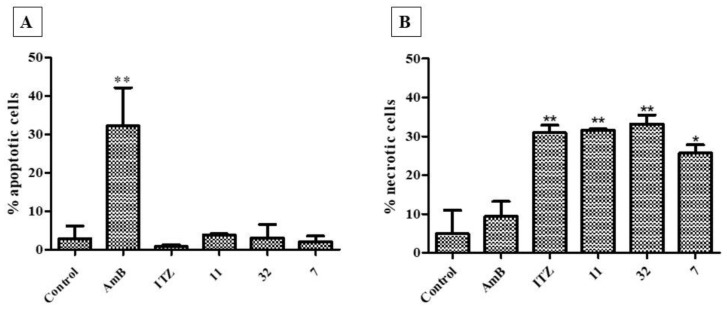
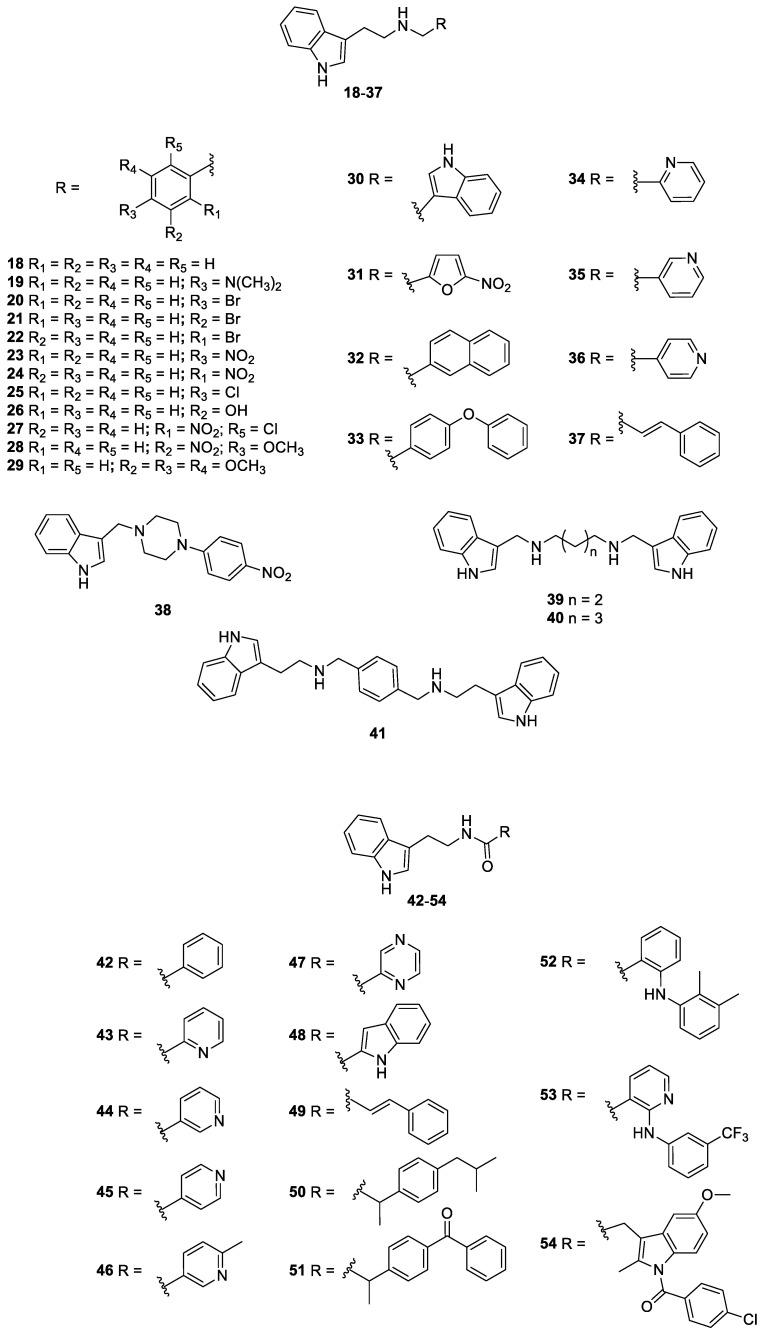
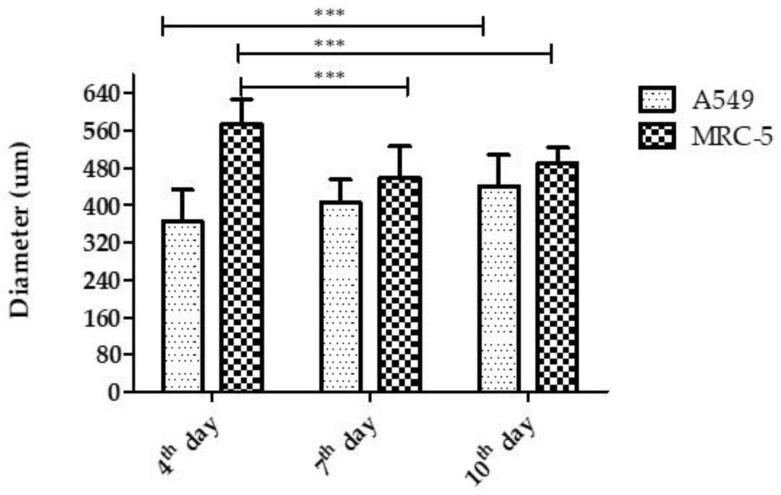
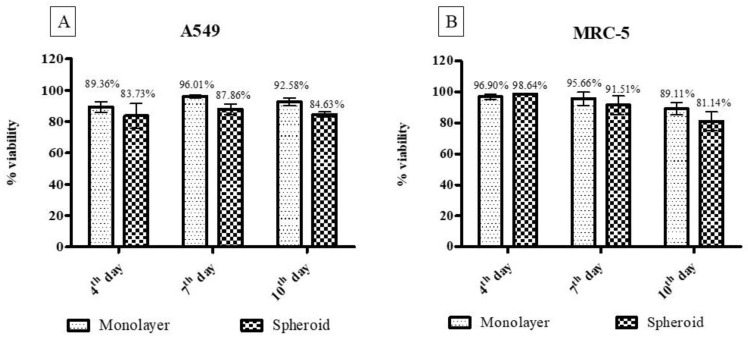
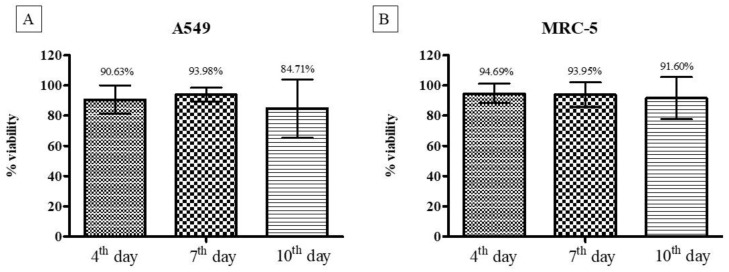
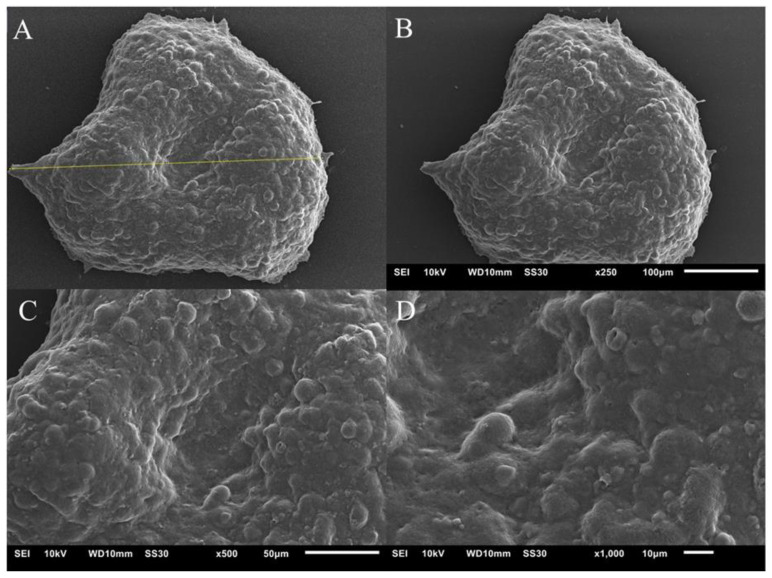
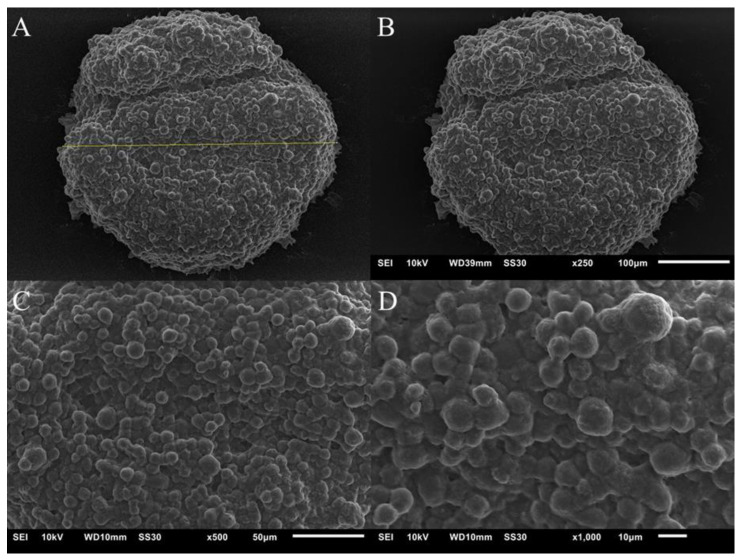
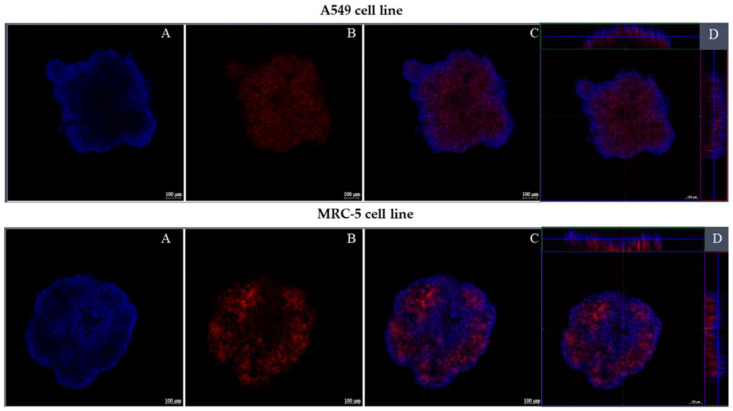
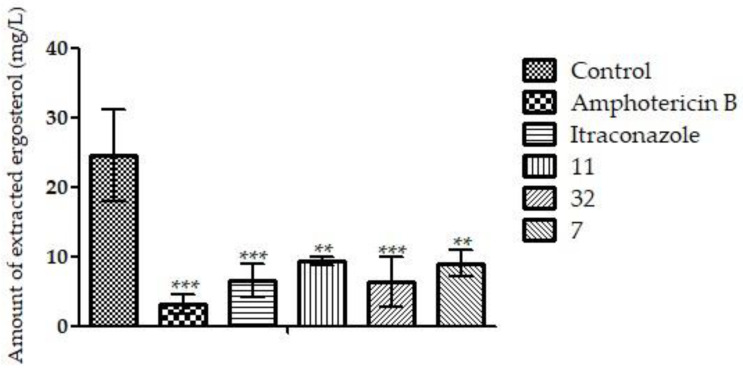
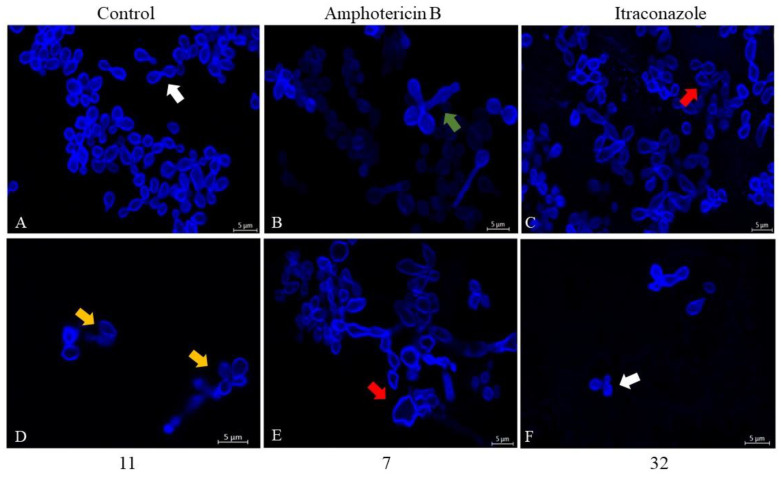
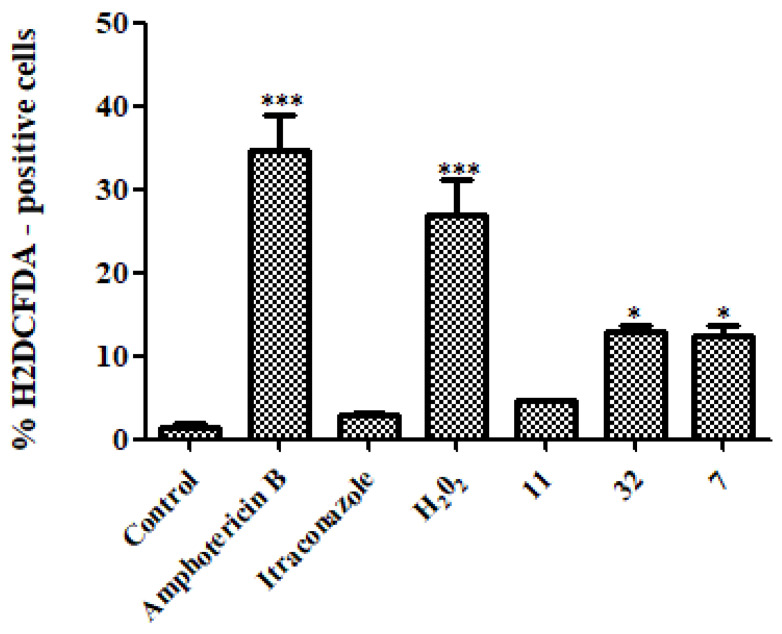
is a fungus that causes histoplasmosis. The increased evolution of microbial resistance and the adverse effects of current antifungals help new drugs to emerge. In this work, fifty-four nitrofurans and indoles were tested against the EH-315 strain. Compounds with a minimum inhibitory concentration (MIC) equal to or lower than 7.81 µg/mL were selected to evaluate their MIC on ATCC G217-B strain and their minimum fungicide concentration (MFC) on both strains. The quantification of membrane ergosterol, cell wall integrity, the production of reactive oxygen species, and the induction of death by necrosis-apoptosis was performed to investigate the mechanism of action of compounds , , and . These compounds could reduce the extracted sterol and induce necrotic cell death, similarly to itraconazole. Moreover, and damaged the cell wall, causing flaws in the contour (), or changing the size and shape of the fungal cell wall (). Furthermore, and induced reactive oxygen species (ROS) formation higher than and control. Finally, the cytotoxicity was measured in two models of cell culture, i.e., monolayers (cells are flat) and a three-dimensional (3D) model, where they present a spheroidal conformation. Cytotoxicity assays in the 3D model showed a lower toxicity in the compounds than those performed on cell monolayers. Overall, these results suggest that derivatives of nitrofurans and indoles are promising compounds for the treatment of histoplasmosis.
是一种可引起组织胞浆菌病的真菌。微生物耐药性的不断演变以及现有抗真菌药物的不良反应促使新药的出现。在这项研究中,对54种硝基呋喃和吲哚针对EH - 315菌株进行了测试。选择最低抑菌浓度(MIC)等于或低于7.81 µg/mL的化合物,以评估它们对ATCC G217 - B菌株的MIC以及对这两种菌株的最低杀菌浓度(MFC)。对化合物、和的作用机制进行了研究,包括膜麦角固醇的定量、细胞壁完整性、活性氧的产生以及坏死 - 凋亡诱导的细胞死亡。这些化合物与伊曲康唑类似,可减少提取的固醇并诱导坏死性细胞死亡。此外,和破坏了细胞壁,导致轮廓出现缺陷(),或改变了真菌细胞壁的大小和形状()。此外,和诱导产生的活性氧(ROS)比和对照更高。最后,在两种细胞培养模型中测量了细胞毒性,即单层(细胞扁平)和三维(3D)模型,在三维模型中细胞呈球形构象。3D模型中的细胞毒性试验表明,这些化合物的毒性低于在细胞单层上进行的试验。总体而言,这些结果表明硝基呋喃和吲哚的衍生物是治疗组织胞浆菌病的有前景的化合物。