Li Wei, Ding Zihe, Chen Ying, Wang Yi, Peng Mingming, Li Chuanqiu, Zhang Han, Zhong Renxing, Xia Tianyi, Zhong Luyang, Zhao Mantong, Yang Mengru, Yue Yimin, Liang Lanyuan, Cao Xia, Shu Zunpeng
The College of Traditional Chinese Medicine, Guangdong Pharmaceutical University, Guangzhou, China.
School of Pharmacy, Jiamusi University, Jiamusi, China.
Front Pharmacol. 2022 May 13;13:854544. doi: 10.3389/fphar.2022.854544. eCollection 2022.
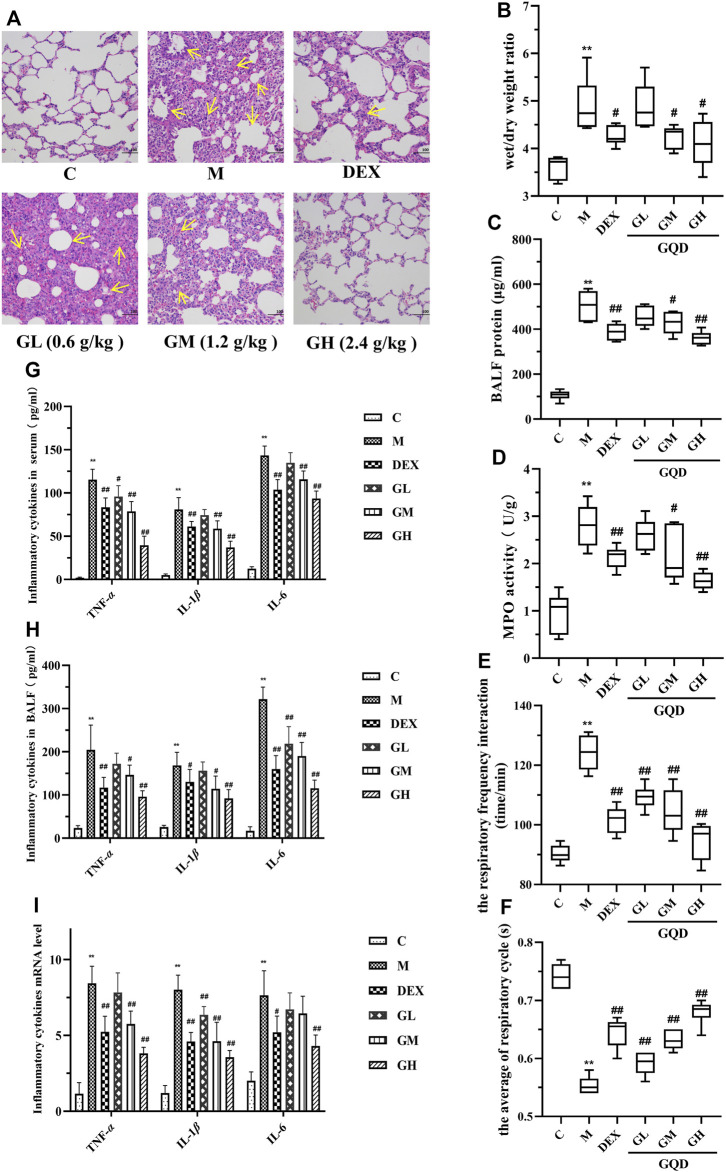
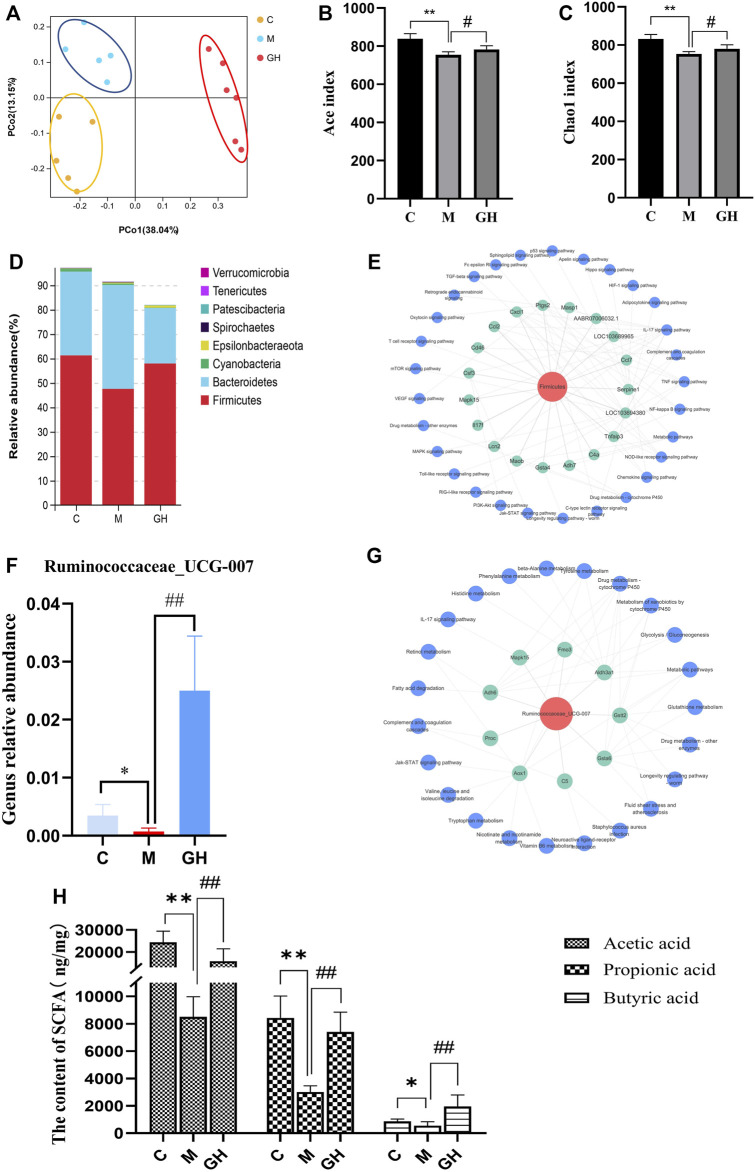
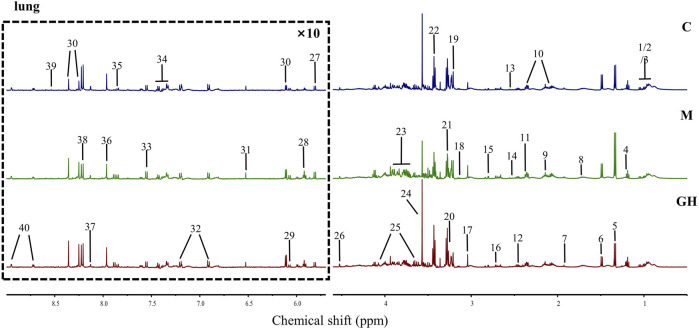
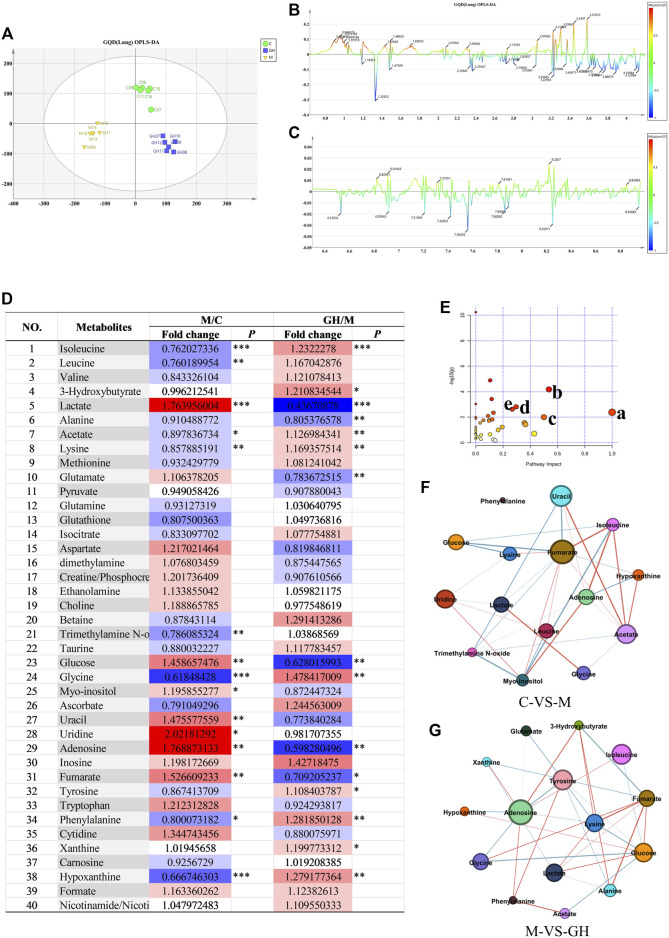
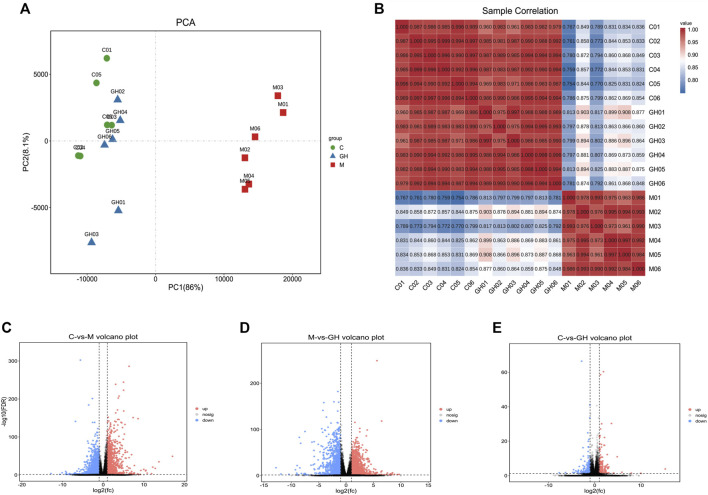
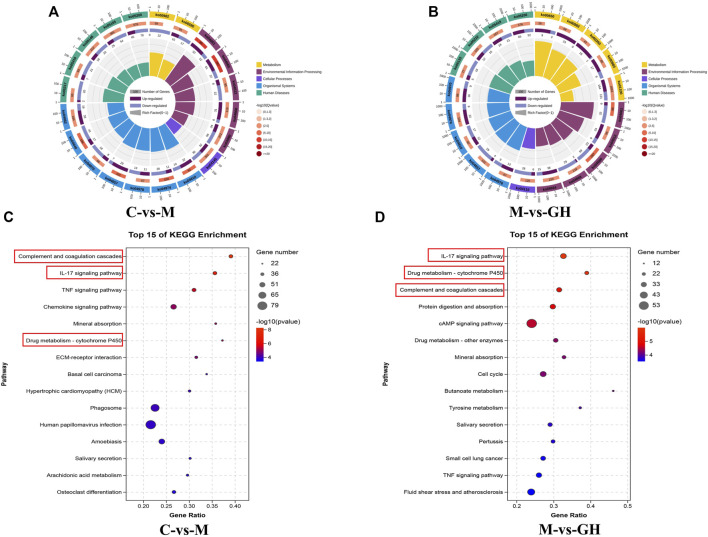
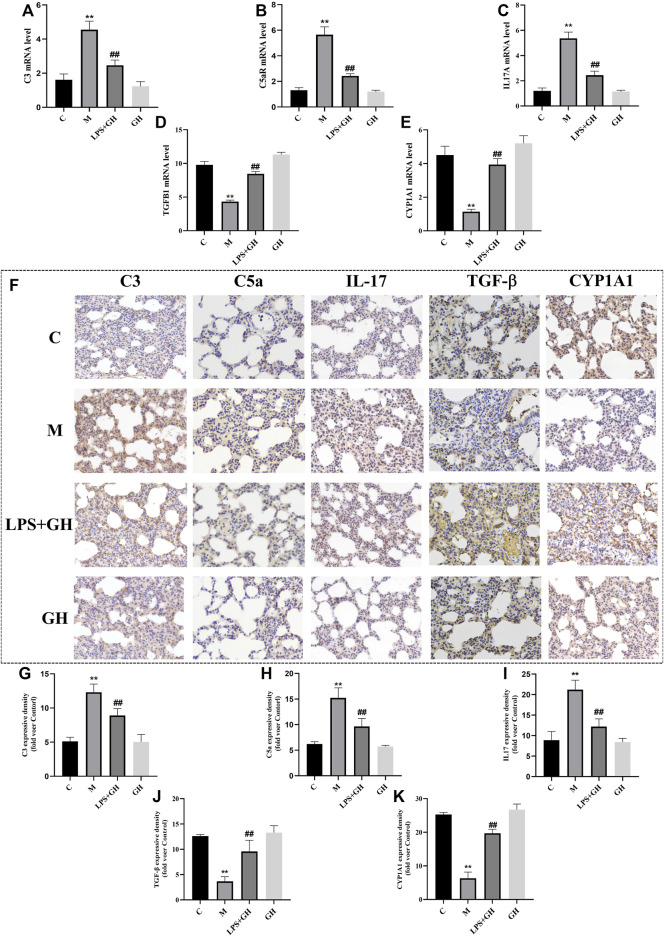
ALI is a severe inflammatory disease of the lungs. In previous studies, we found that GQD was effective against ALI, but specific molecular mechanism is still unclear. Therefore, this study was to examine effect of GQD on LPS-induced ALI rats and underlying mechanisms using multi-omics and molecular methods. The results showed that GQD significantly improved lung tissue damage, reduced pulmonary edema, inhibited MPO activity, and improved respiratory function in ALI rat. Additionally, GQD significantly reduced the levels of TNF-α, IL-1β, and IL-6 in serum and BALF. Furthermore, metabolomic analysis showed that GQD reduced pulmonary inflammation by improving metabolic remodeling. Moreover, transcriptomic analysis showed that GQD inhibited the activation of complement pathway and regulated Th17 and Treg cells balance. Additionally, GQD inhibited the expression of C3, C5a, and IL-17, and promoted the expression of TGF-β and CYP1A1 at the mRNA and protein levels. Gut microbial assay showed that GQD treatment increased the relative abundance of Firmicutes and their genera in intestinal microbiota, and increased short-chain fatty acids concentration. Overall, GQD treated ALI by improving metabolic remodeling, affecting immune-related pathways and regulating intestinal microbiota. This study provides a solid scientific basis for promoting the clinical use of GQD in treating ALI.
急性肺损伤(ALI)是一种严重的肺部炎症性疾病。在先前的研究中,我们发现枸杞多糖(GQD)对ALI有效,但具体的分子机制仍不清楚。因此,本研究旨在使用多组学和分子方法研究GQD对脂多糖(LPS)诱导的ALI大鼠的影响及其潜在机制。结果表明,GQD显著改善了肺组织损伤,减轻了肺水肿,抑制了髓过氧化物酶(MPO)活性,并改善了ALI大鼠的呼吸功能。此外,GQD显著降低了血清和支气管肺泡灌洗液(BALF)中肿瘤坏死因子-α(TNF-α)、白细胞介素-1β(IL-1β)和白细胞介素-6(IL-6)的水平。此外,代谢组学分析表明,GQD通过改善代谢重塑减轻肺部炎症。此外,转录组学分析表明,GQD抑制补体途径的激活并调节辅助性T细胞17(Th17)和调节性T细胞(Treg)的平衡。此外,GQD在mRNA和蛋白质水平上抑制补体3(C3)、C5a和IL-17的表达,并促进转化生长因子-β(TGF-β)和细胞色素P450 1A1(CYP1A1)的表达。肠道微生物检测表明,GQD治疗增加了肠道微生物群中厚壁菌门及其属的相对丰度,并提高了短链脂肪酸的浓度。总体而言,GQD通过改善代谢重塑、影响免疫相关途径和调节肠道微生物群来治疗ALI。本研究为促进GQD在治疗ALI中的临床应用提供了坚实的科学依据。