Ibrahim Rana M, Elmasry Ghada F, Refaey Rana H, El-Shiekh Riham A
Pharmacognosy Department, Faculty of Pharmacy, Cairo University, Kasr El-Eini Street, 11562 Cairo, Egypt.
Department of Pharmaceutical Chemistry, Faculty of Pharmacy, Cairo University, Kasr El-Eini Street, 11562 Cairo, Egypt.
ACS Omega. 2022 May 11;7(20):17339-17357. doi: 10.1021/acsomega.2c01342. eCollection 2022 May 24.
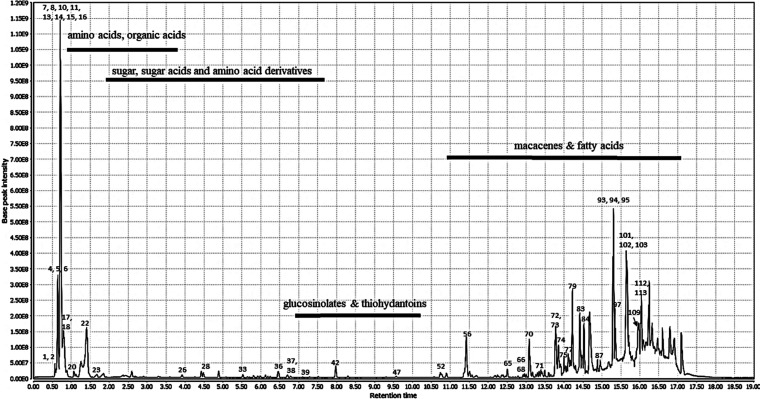
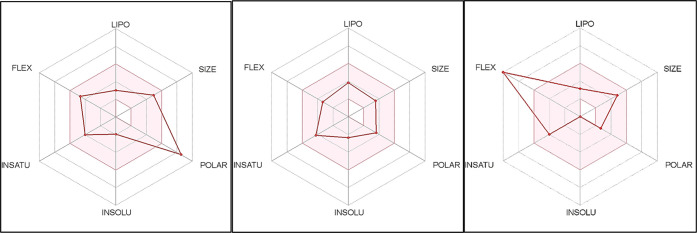
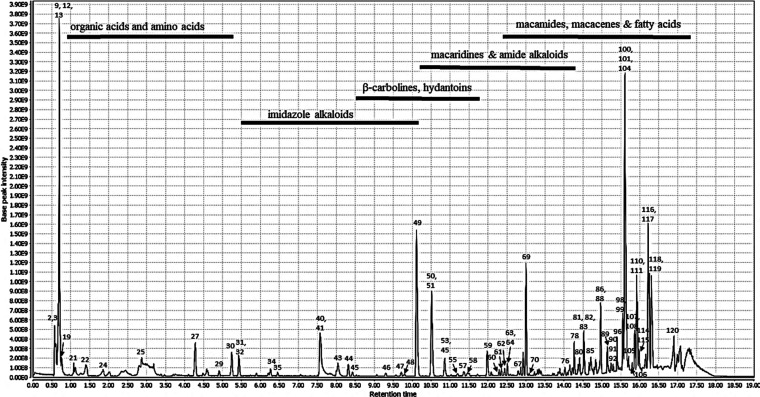
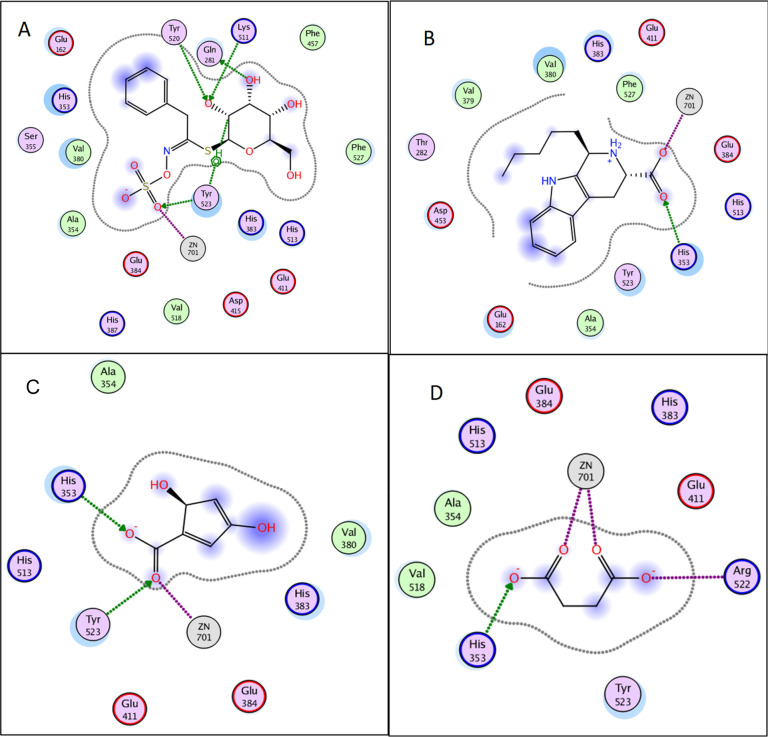
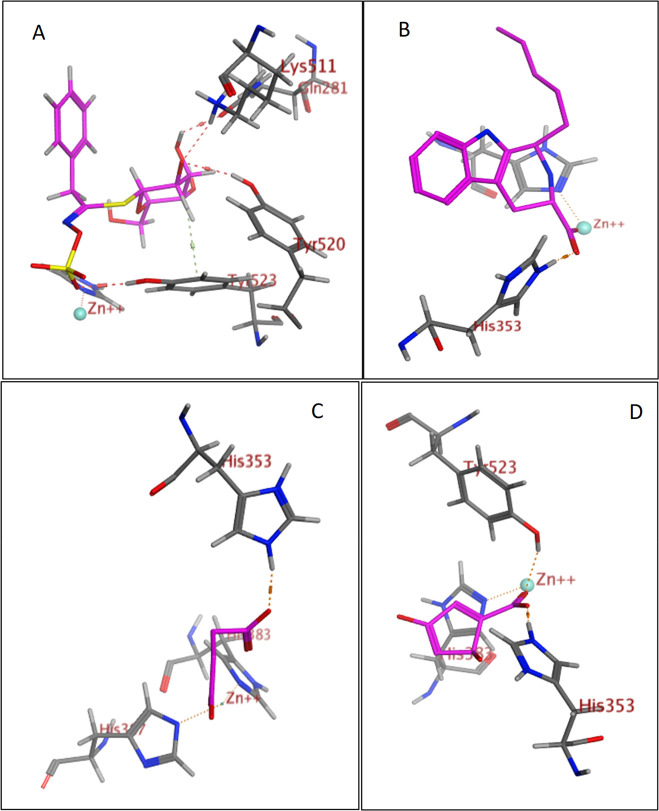
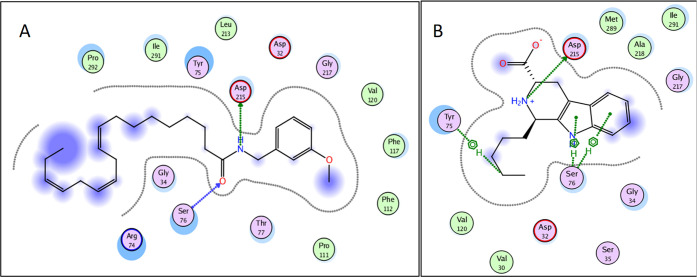
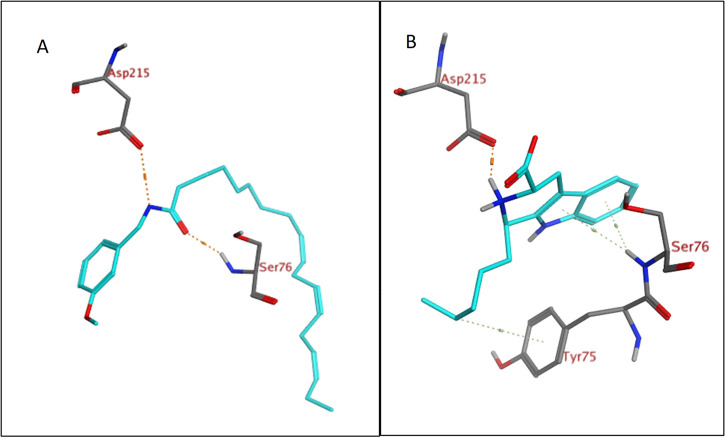
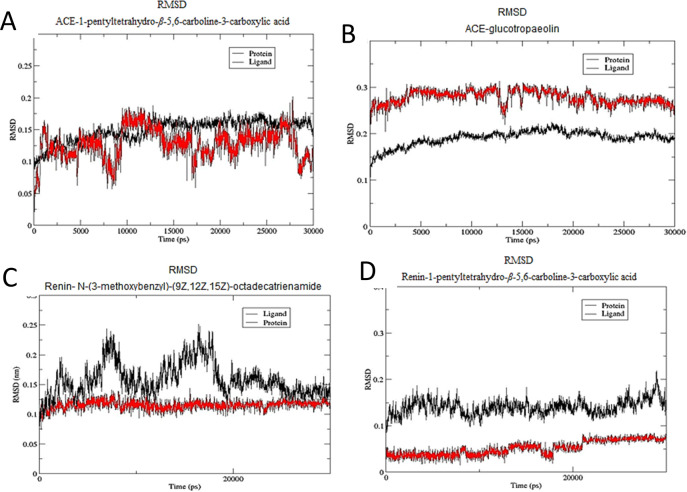
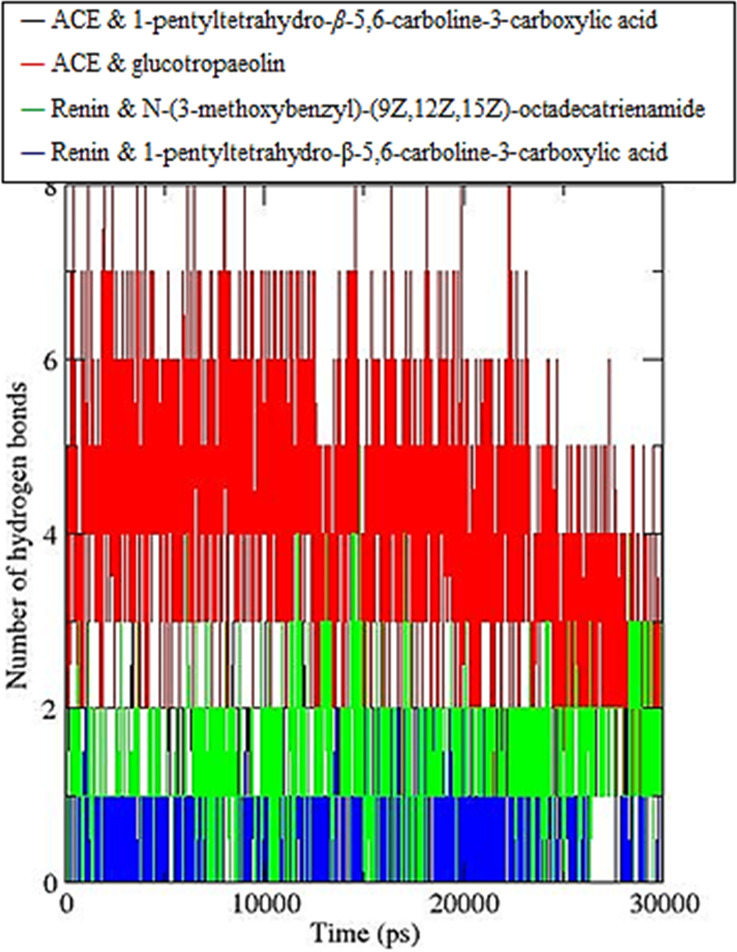
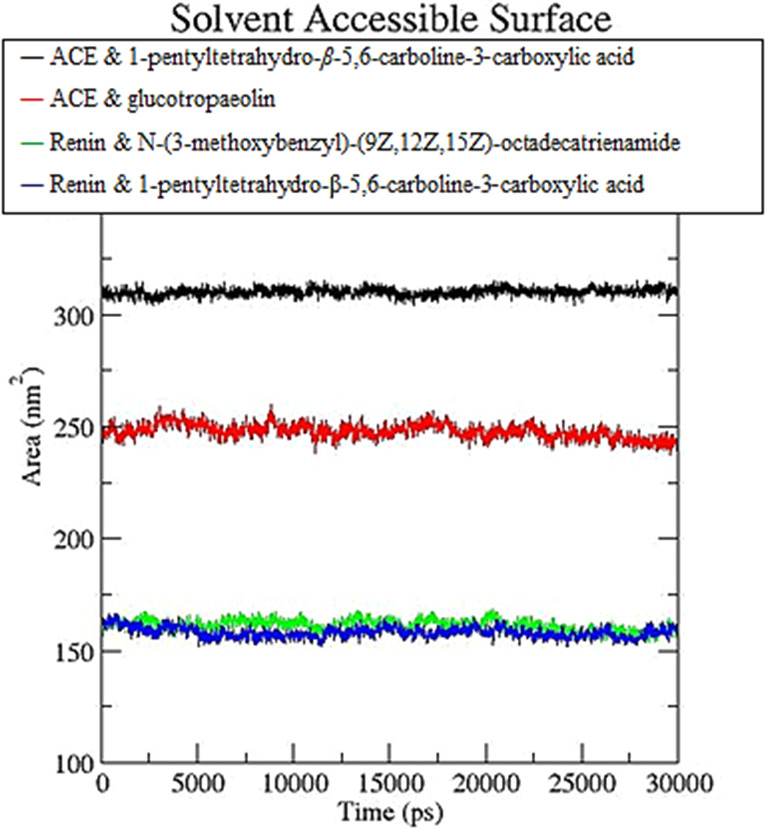
or Maca is widely cultivated as a health care food supplement due to its nutritional and medicinal properties. Although there are a few in-depth studies evaluating Maca antihypertensive effects, the correlations between the chemical constituents and bioactivity of the plant have not been studied before. Thus, the roots were extracted using different solvents (aqueous, methanol, 50% methanol, and methylene chloride) and investigated for their antihypertensive and antioxidant activities through several assays. The methanolic extract exhibited the best renin and angiotensin converting enzyme (ACE) inhibitory activities with IC values of 24.79 ± 1.3 ng/mL and 22.02 ± 1.1 ng/mL, respectively, along with the highest antioxidant activity. In total, 120 metabolites from different classes, e.g., alkylamides, alkaloids, glucosinolates, organic acids, and hydantoin derivatives, were identified in the methanolic extract using ultrahigh-performance liquid chromatography/high-resolution mass spectrometry (UPLC/HRMS). Molecular docking simulations were used to investigate the potential binding modes and the intermolecular interactions of the identified compounds with ACE and renin active sites. Glucotropaeolin, β-carboline alkaloids, succinic acid, and 2,4-dihydroxy-3,5-cyclopentyl dienoic acid showed the highest affinity to target the ACE with high docking scores ( ranging from -35.32 to -22.51 kcal mol) compared to lisinopril ( = -36.64 kcal mol). Interestingly, macamides displayed the greatest binding affinity to the active site of renin with docking scores ( ranging from -22.47 to -28.25 kcal mol). Further, β-carbolines achieved docking scores comparable to that of the native ligand ( ranging from -13.50 to -20.06 kcal mol). Molecular dynamics simulations and MMPBSA were also carried out and confirmed the docking results. Additionally, the computational ADMET study predicted that the compounds attaining promising docking results had proper pharmacokinetics, drug-likeness characteristics, and safe toxicological profiles. Ultimately, our findings revealed that Maca roots could be considered a promising candidate as an antihypertensive drug.
玛咖因其营养和药用特性而被广泛种植作为一种保健食品补充剂。尽管有一些深入研究评估了玛咖的降压作用,但该植物化学成分与生物活性之间的相关性此前尚未得到研究。因此,使用不同溶剂(水、甲醇、50%甲醇和二氯甲烷)对其根进行提取,并通过多种测定方法研究其降压和抗氧化活性。甲醇提取物表现出最佳的肾素和血管紧张素转换酶(ACE)抑制活性,IC值分别为24.79±1.3 ng/mL和22.02±1.1 ng/mL,并具有最高的抗氧化活性。使用超高效液相色谱/高分辨率质谱(UPLC/HRMS)在甲醇提取物中总共鉴定出120种不同类别的代谢物,例如烷基酰胺、生物碱、硫代葡萄糖苷、有机酸和乙内酰脲衍生物。分子对接模拟用于研究已鉴定化合物与ACE和肾素活性位点的潜在结合模式和分子间相互作用。与赖诺普利(=-36.64 kcal/mol)相比,葡萄糖异硫氰酸酯、β-咔啉生物碱、琥珀酸和2,4-二羟基-3,5-环戊基二烯酸对ACE的靶向亲和力最高(对接分数范围为-35.32至-22.51 kcal/mol)。有趣的是,玛咖酰胺对肾素活性位点表现出最大的结合亲和力,对接分数范围为-22.47至-28.25 kcal/mol。此外,β-咔啉的对接分数与天然配体相当(范围为-13.50至-20.06 kcal/mol)。还进行了分子动力学模拟和MMPBSA并证实了对接结果。此外,计算ADMET研究预测,获得有前景对接结果的化合物具有适当的药代动力学、类药特性和安全毒理学特征。最终,我们的研究结果表明玛咖根可被视为一种有前景的抗高血压药物候选物。