Nash Family Department of Neuroscience, Friedman Brain Institute, Icahn School of Medicine at Mount Sinai, New York, NY 10029, USA; Black Family Stem Cell Institute, Icahn School of Medicine at Mount Sinai, New York, NY 10029, USA; Department of Cell, Developmental, and Regenerative Biology, Icahn School of Medicine at Mount Sinai, New York, NY 10029, USA; The Graduate School of Biomedical Sciences, Icahn School of Medicine at Mount Sinai, New York, NY 10029, USA.
Nash Family Department of Neuroscience, Friedman Brain Institute, Icahn School of Medicine at Mount Sinai, New York, NY 10029, USA; Black Family Stem Cell Institute, Icahn School of Medicine at Mount Sinai, New York, NY 10029, USA; College of Biomedicine and Health, College of Life Science and Technology, Huazhong Agricultural University, Wuhan, Hubei 430070, China.
Cell Rep. 2022 May 31;39(9):110877. doi: 10.1016/j.celrep.2022.110877.
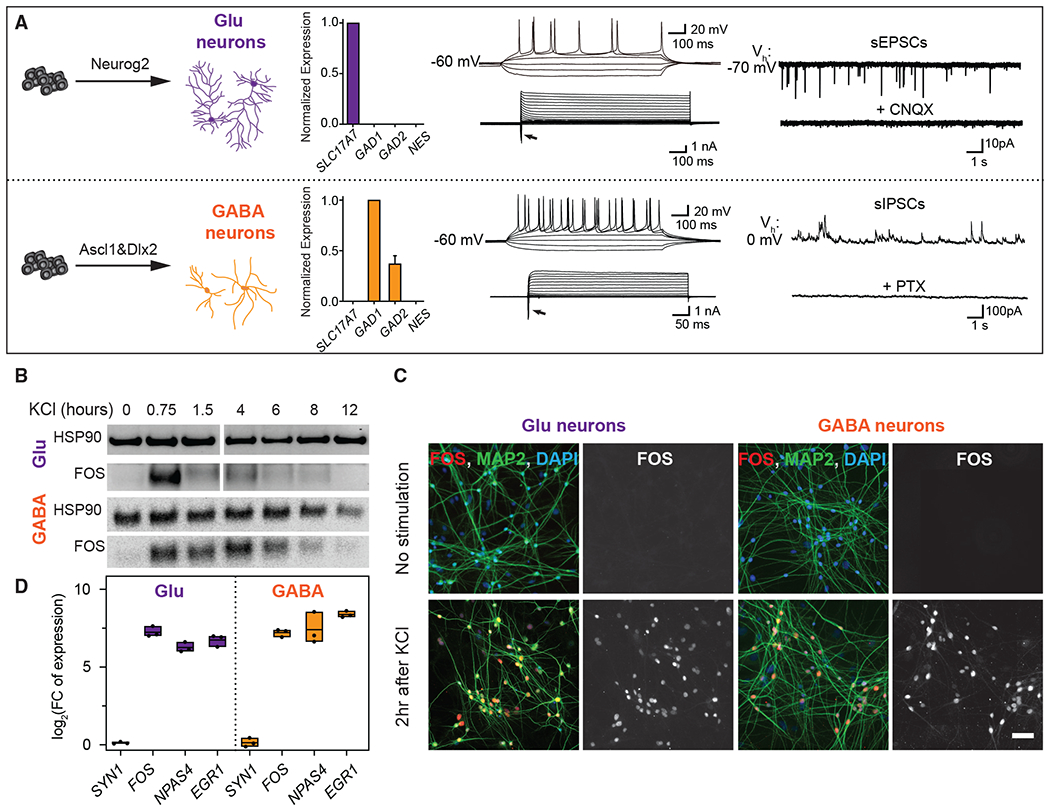
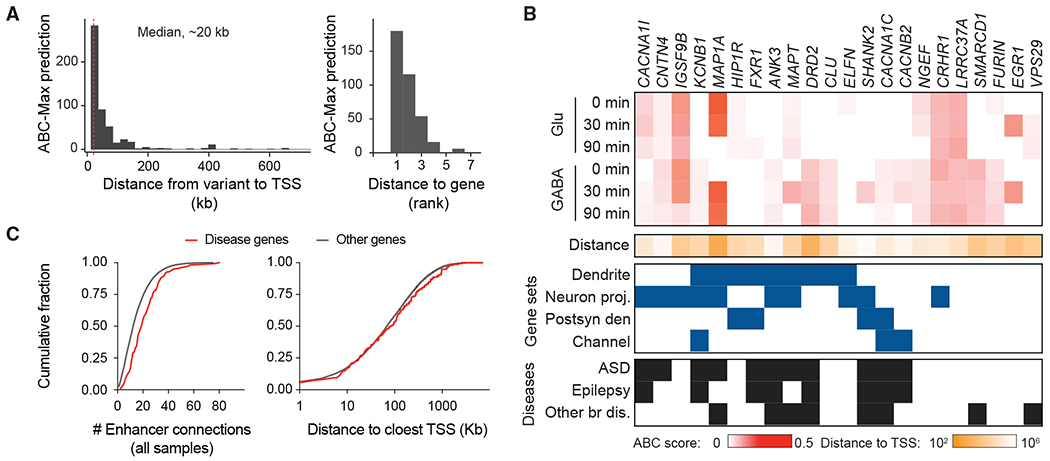
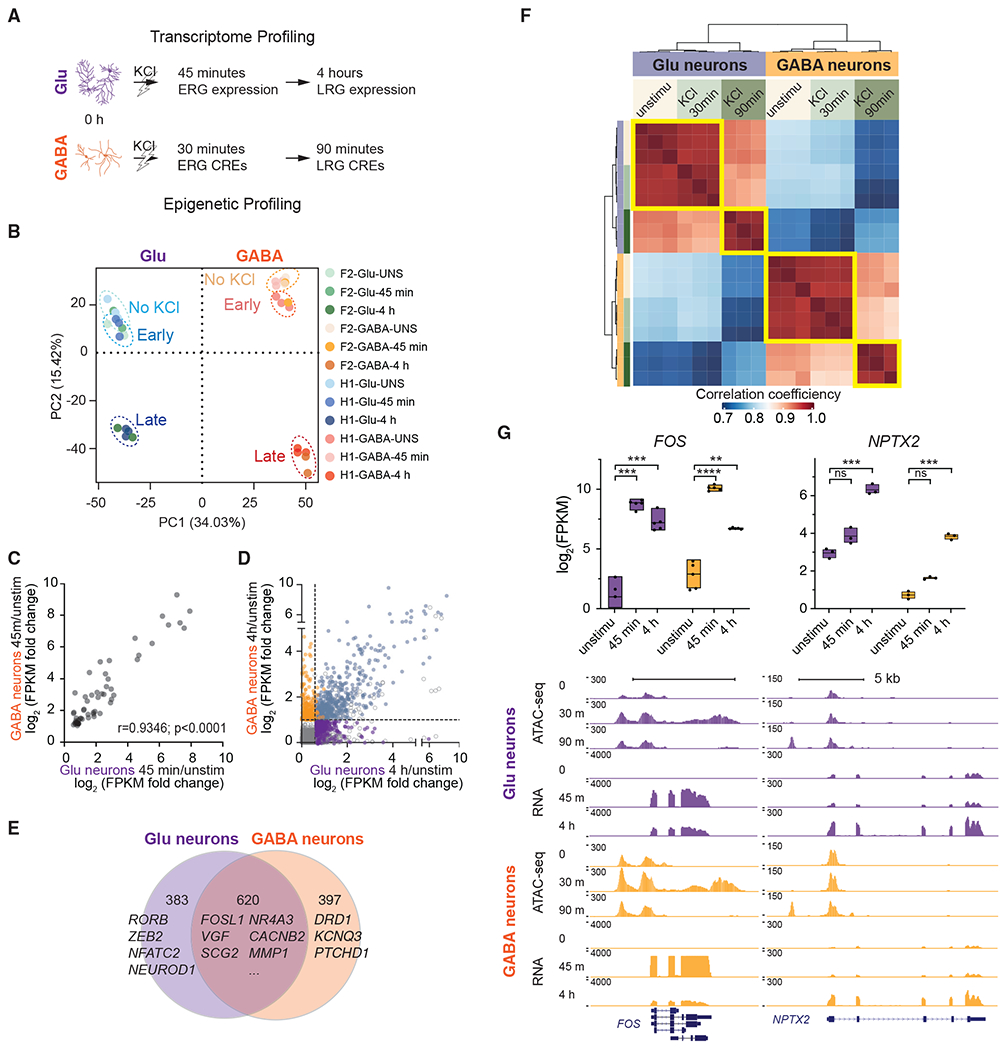
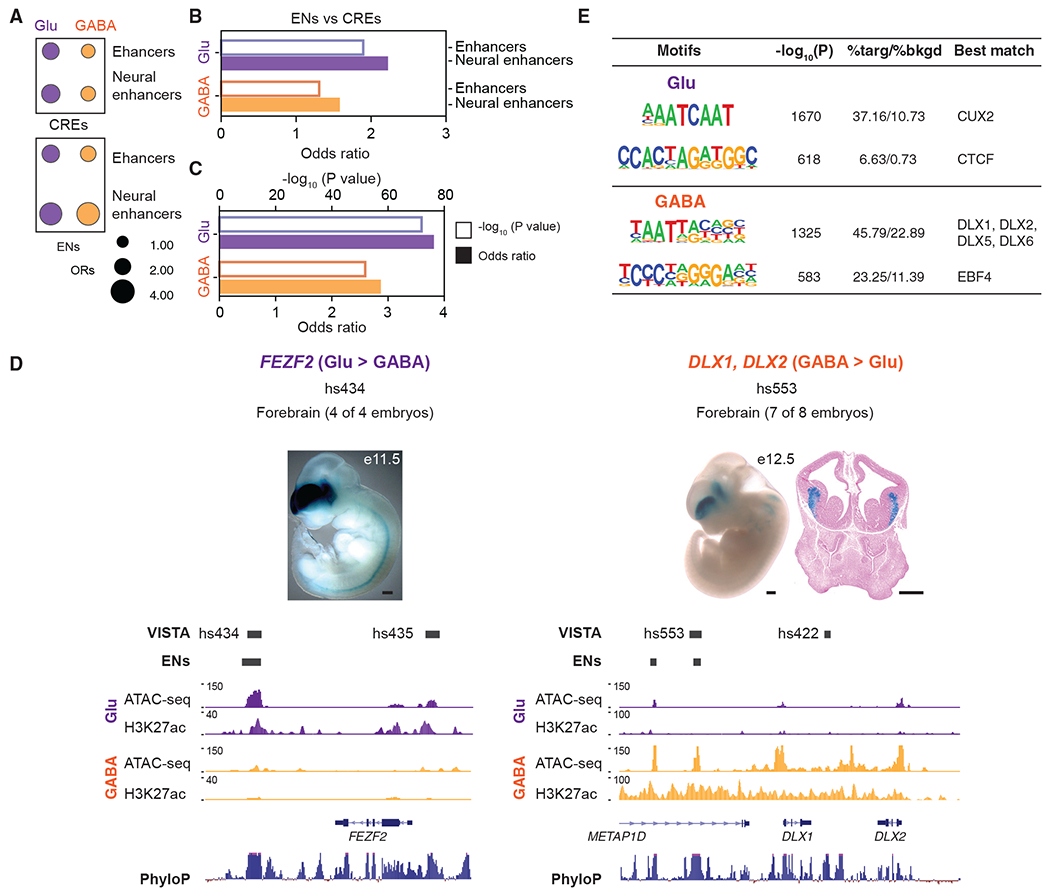
Genome-wide association studies (GWASs) have identified hundreds of loci associated with psychiatric diseases, yet there is a lack of understanding of disease pathophysiology. Common risk variants can shed light on the underlying molecular mechanisms; however, identifying causal variants remains challenging. We map cis-regulatory elements in human neurons derived from pluripotent stem cells. This system allows us to determine enhancers that activate the transcription of neuronal activity-regulated gene programs, which are thought to be critical for synaptic plasticity and are not possible to identify from postmortem tissues. Using the activity-by-contact model, we create variant-to-gene maps to interpret the function of GWAS variants. Our work nominates a subset of variants to elucidate the molecular mechanisms involving GWAS-significant loci. It also highlights that in vitro human cellular models are a powerful platform for identifying and mechanistic studies of human trait-associated genetic variants in cell states that are inaccessible from other types of human samples.
全基因组关联研究 (GWAS) 已经确定了数百个与精神疾病相关的基因座,但对疾病的病理生理学仍缺乏了解。常见的风险变异可以揭示潜在的分子机制;然而,确定因果变异仍然具有挑战性。我们在源自多能干细胞的人类神经元中绘制顺式调控元件图谱。该系统使我们能够确定激活神经元活动调节基因程序转录的增强子,这些基因程序被认为对突触可塑性至关重要,并且不可能从尸检组织中识别出来。使用活性接触模型,我们创建变体到基因图谱来解释 GWAS 变体的功能。我们的工作提名了一组变体来阐明涉及 GWAS 显著基因座的分子机制。它还强调,体外人类细胞模型是一个强大的平台,可用于鉴定和对人类特征相关遗传变异进行机制研究,而这些变异在其他类型的人类样本中是无法获得的。