Pitzer Laboratory of Osteoarthritis Research, German Rheumatism Research Centre (DRFZ), a Leibniz Institute, Berlin, Germany.
Experimental Immunology and Osteoarthritis Research, Department of Rheumatology and Clinical Immunology, Charité - Universitätsmedizin Berlin, corporate member of Freie Universität Berlin and Humboldt-Universität zu Berlin, Berlin, Germany.
Nat Commun. 2022 Jun 1;13(1):3059. doi: 10.1038/s41467-022-30618-8.
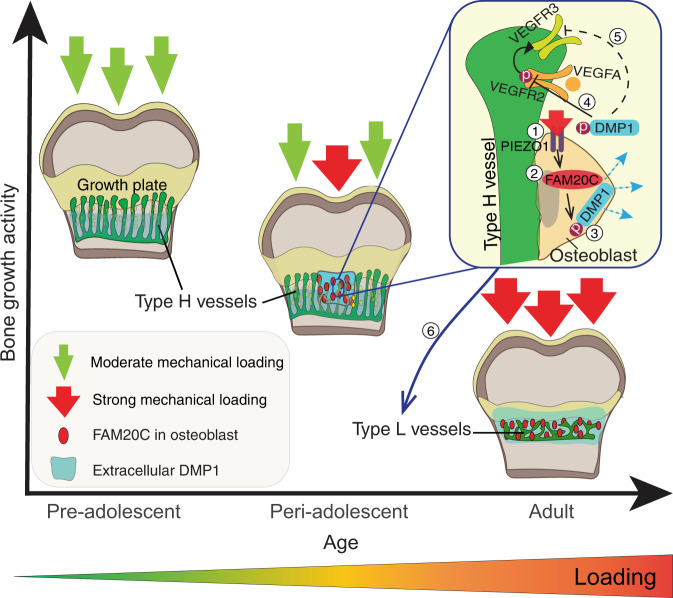
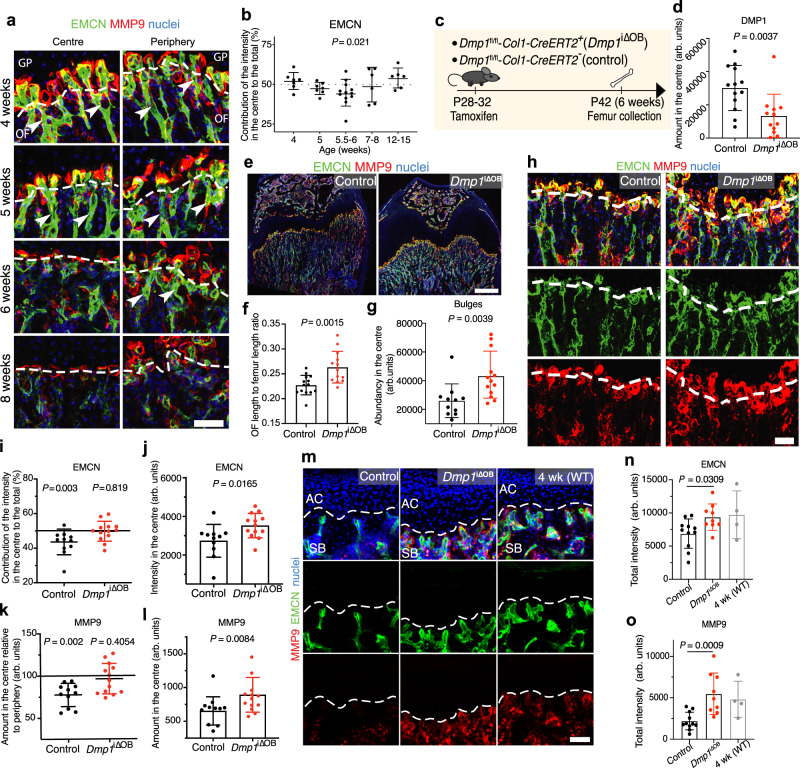
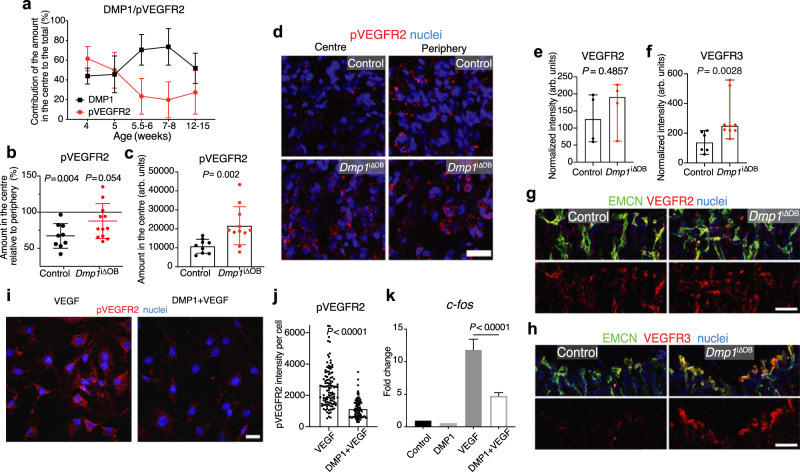
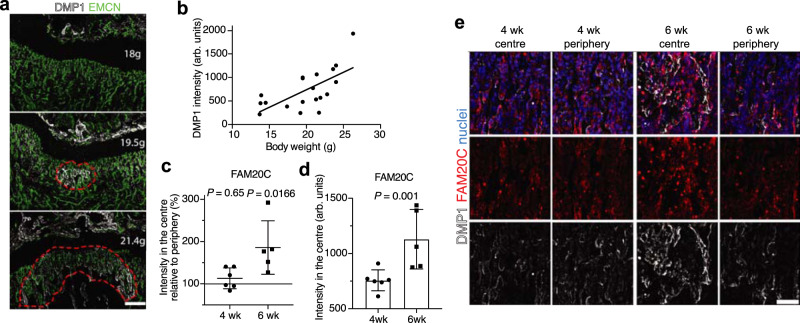
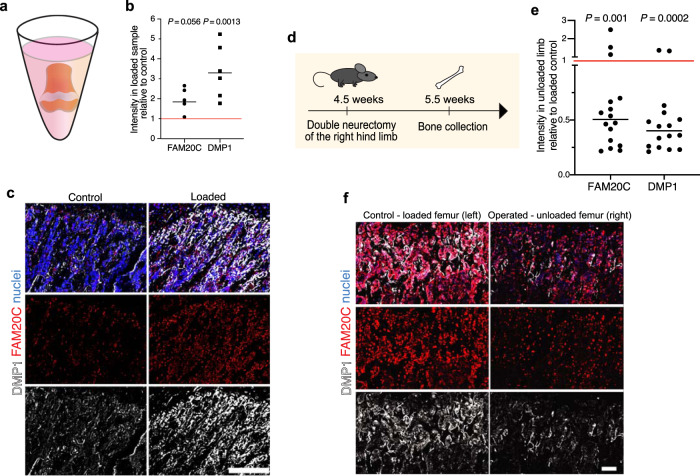
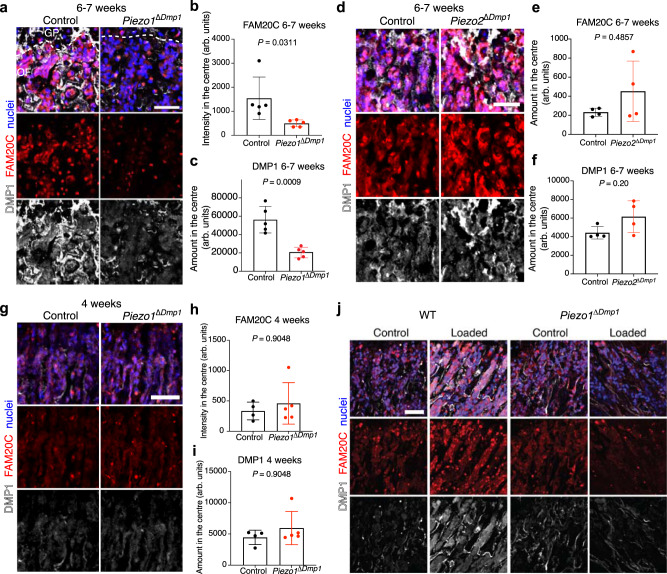
Bone growth requires a specialised, highly angiogenic blood vessel subtype, so-called type H vessels, which pave the way for osteoblasts surrounding these vessels. At the end of adolescence, type H vessels differentiate into quiescent type L endothelium lacking the capacity to promote bone growth. Until now, the signals that switch off type H vessel identity and thus limit adolescent bone growth have remained ill defined. Here we show that mechanical forces, associated with increased body weight at the end of adolescence, trigger the mechanoreceptor PIEZO1 and thereby mediate enhanced production of the kinase FAM20C in osteoblasts. FAM20C, the major kinase of the secreted phosphoproteome, phosphorylates dentin matrix protein 1, previously identified as a key factor in bone mineralization. Thereupon, dentin matrix protein 1 is secreted from osteoblasts in a burst-like manner. Extracellular dentin matrix protein 1 inhibits vascular endothelial growth factor signalling by preventing phosphorylation of vascular endothelial growth factor receptor 2. Hence, secreted dentin matrix protein 1 transforms type H vessels into type L to limit bone growth activity and enhance bone mineralization. The discovered mechanism may suggest new options for the treatment of diseases characterised by aberrant activity of bone and vessels such as osteoarthritis, osteoporosis and osteosarcoma.
骨骼生长需要一种专门的、高度血管生成的血管亚型,即所谓的 H 型血管,它为周围的成骨细胞铺平了道路。在青春期结束时,H 型血管分化为静止的 L 型内皮细胞,缺乏促进骨骼生长的能力。到目前为止,关闭 H 型血管特征并限制青少年骨骼生长的信号仍然不清楚。在这里,我们表明,与青春期结束时体重增加相关的机械力会触发机械感受器 PIEZO1,并由此介导成骨细胞中激酶 FAM20C 的增强产生。FAM20C 是分泌磷酸化组蛋白的主要激酶,磷酸化牙本质基质蛋白 1,牙本质基质蛋白 1 先前被确定为骨矿化的关键因素。随后,牙本质基质蛋白 1 以爆发式方式从成骨细胞中分泌出来。细胞外牙本质基质蛋白 1 通过防止血管内皮生长因子受体 2 的磷酸化来抑制血管内皮生长因子信号转导。因此,分泌的牙本质基质蛋白 1 将 H 型血管转化为 L 型,以限制骨骼生长活性并增强骨矿化。该发现的机制可能为治疗以骨骼和血管异常活动为特征的疾病提供新的选择,如骨关节炎、骨质疏松症和骨肉瘤。