Wu Yanping, Li Shumeng, Chen Yuncong, He Weijiang, Guo Zijian
State Key Laboratory of Coordination Chemistry, School of Chemistry and Chemical Engineering, Chemistry and Biomedicine Innovation Center (ChemBIC), Nanjing University Nanjing 210023 China
Nanchuang (Jiangsu) Institute of Chemistry and Health Nanjing 210000 China.
Chem Sci. 2022 Apr 1;13(18):5085-5106. doi: 10.1039/d1sc05478c. eCollection 2022 May 11.
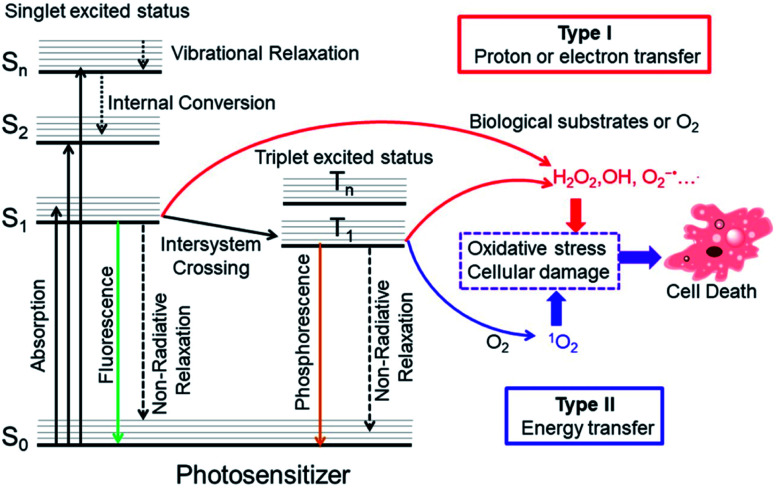
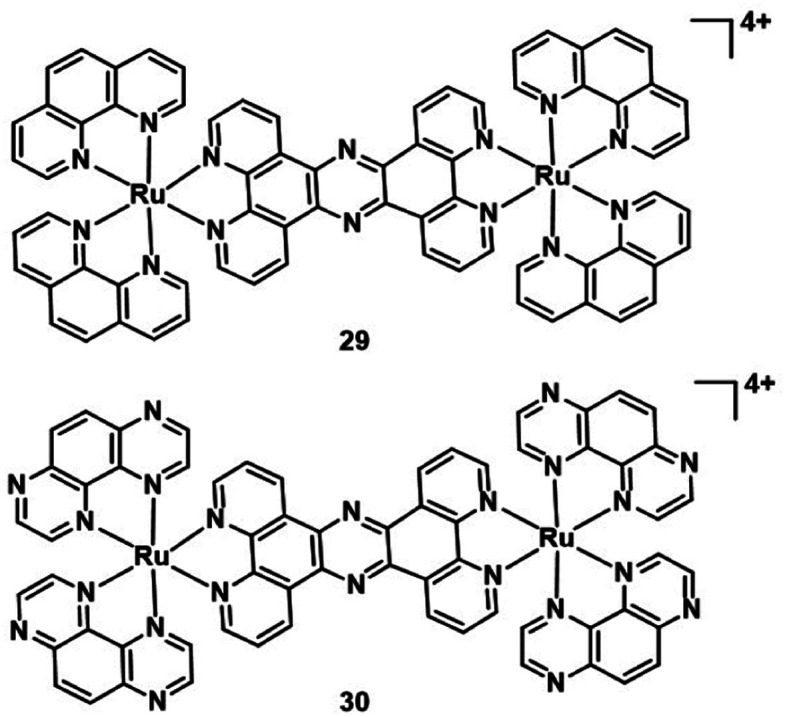
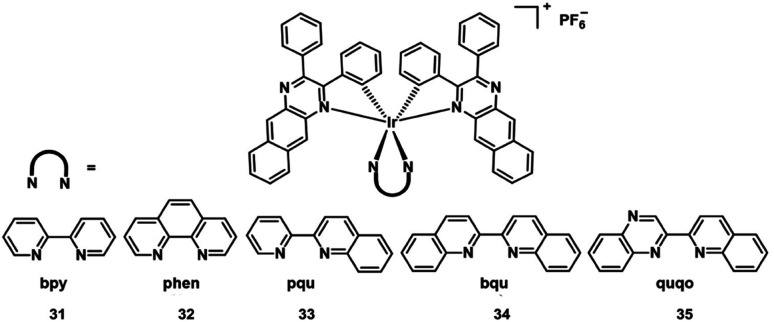
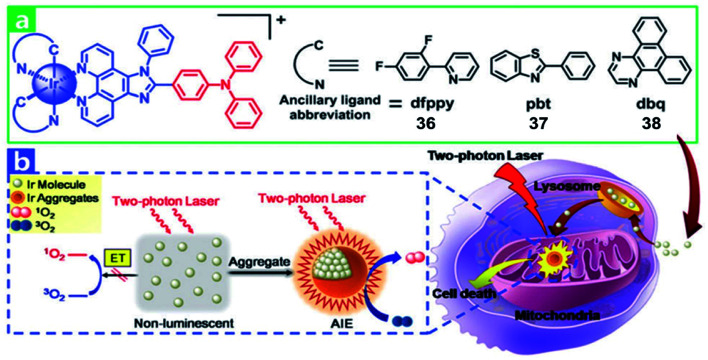
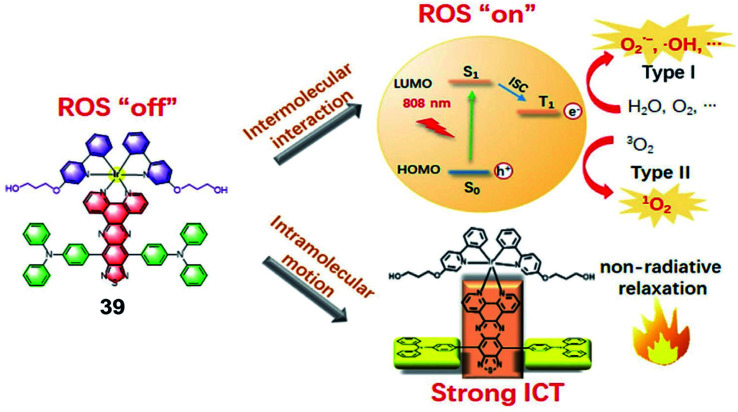
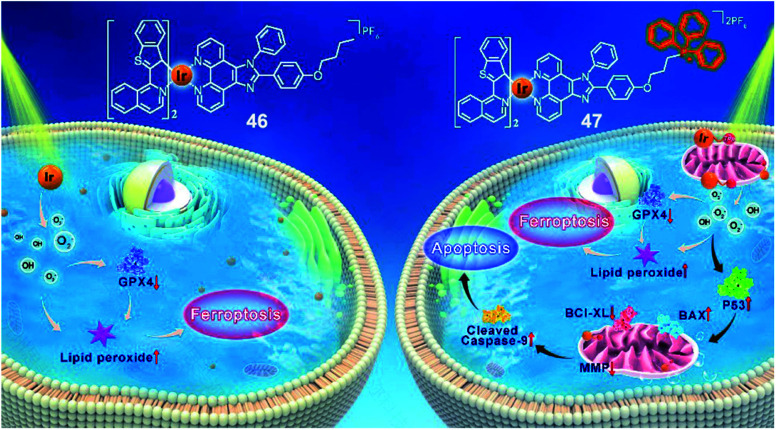
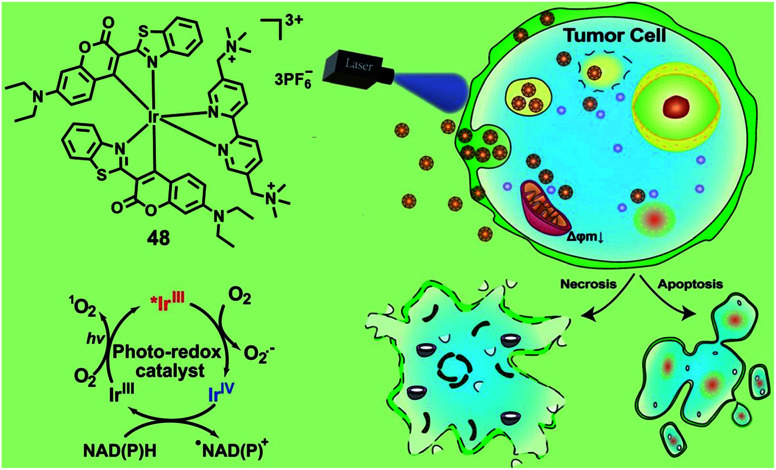
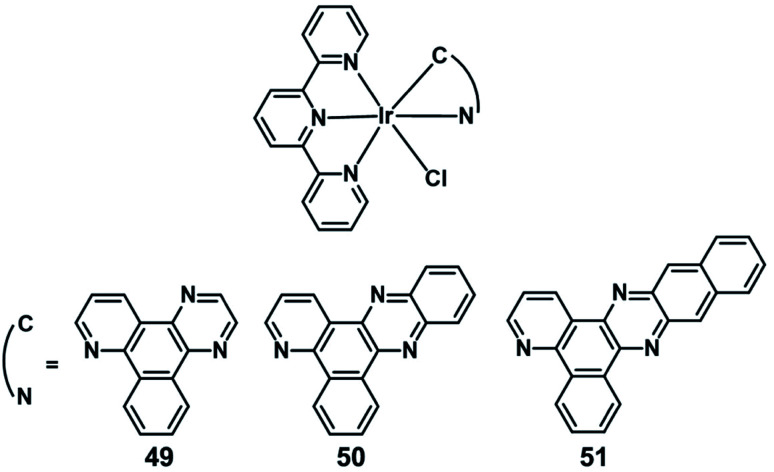
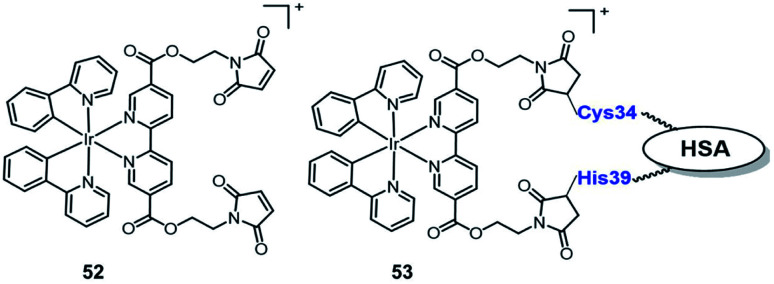
Photodynamic therapy (PDT) utilizes light-activated photosensitizers (PSs) to generate toxic species for therapeutics. It has become an emerging solution for cancer treatment because of its specific spatiotemporal selectivity and minimal invasiveness. Noble metal (Ru, Ir and Pt) complexes are of increasing interest as photosensitizers for their excellent photophysical, photochemical, and photobiological properties. In this review, we highlight recent advancements in the development of noble metal complex photosensitizers for PDT during the last 5 years. We will summarize the design strategies of noble metal complexes for efficient and precise PDT, including increasing the light penetration depth, reducing the oxygen-dependent nature and improving target ability. Finally, we summarize recent efforts for the development of noble-based PSs and discuss the limitations of such PSs in clinical application and future perspectives in this field, such as the combination of PDT with other treatment modalities.
光动力疗法(PDT)利用光激活的光敏剂(PSs)产生用于治疗的毒性物质。由于其特定的时空选择性和最小的侵入性,它已成为癌症治疗的一种新兴解决方案。贵金属(Ru、Ir和Pt)配合物因其优异的光物理、光化学和光生物学性质而作为光敏剂越来越受到关注。在本综述中,我们重点介绍了过去5年中用于光动力疗法的贵金属配合物光敏剂开发的最新进展。我们将总结用于高效精确光动力疗法的贵金属配合物的设计策略,包括增加光穿透深度、降低对氧的依赖性以及提高靶向能力。最后,我们总结了开发基于贵金属的光敏剂的最新努力,并讨论了此类光敏剂在临床应用中的局限性以及该领域的未来前景,如光动力疗法与其他治疗方式的联合应用。