Graur Vasilii, Chumakov Yurii, Garbuz Olga, Hureau Christelle, Tsapkov Victor, Gulea Aurelian
Laboratory of Advanced Materials in Biofarmaceutics and Technics, Moldova State University, 60 Mateevici Street, MD 2009, Chisinau, Moldova.
Institute of Applied Physics, 5 Academiei Street, MD 2028, Chisinau, Moldova.
Bioinorg Chem Appl. 2022 May 25;2022:2705332. doi: 10.1155/2022/2705332. eCollection 2022.
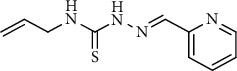
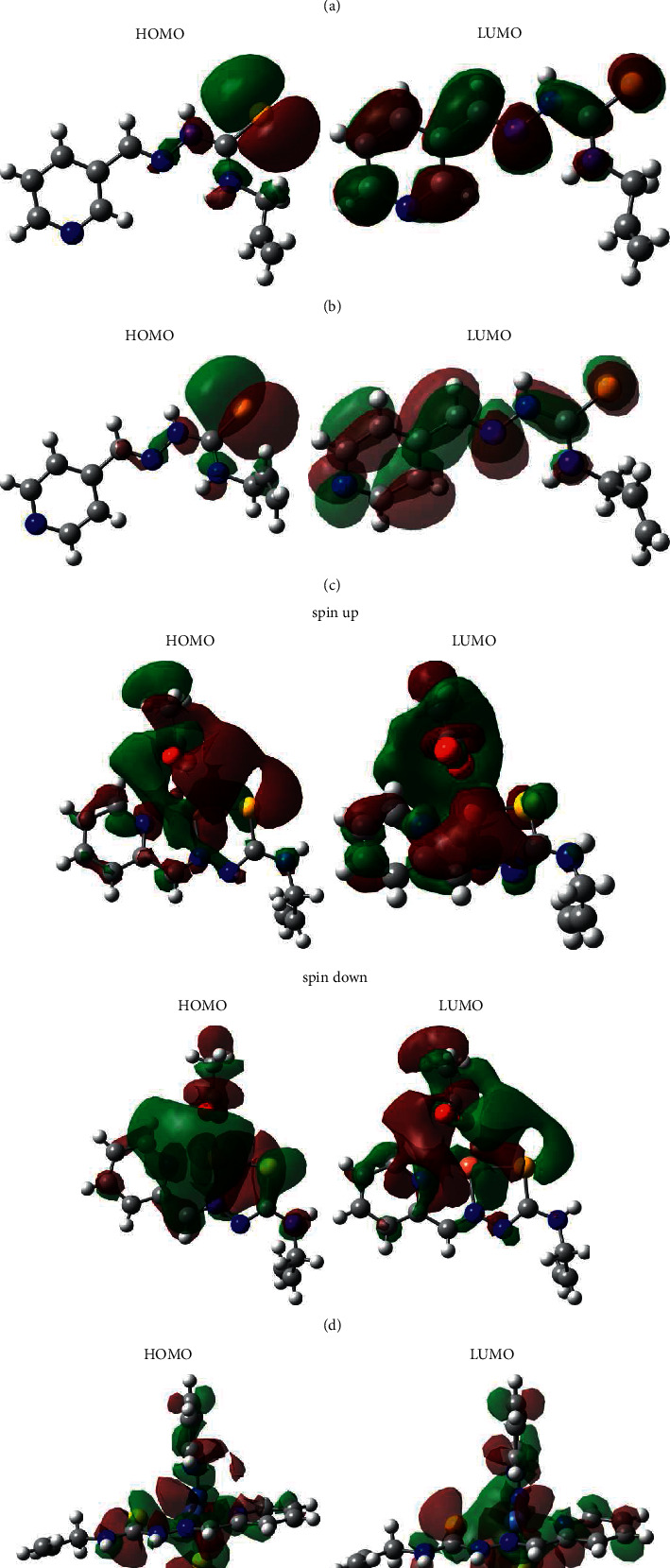
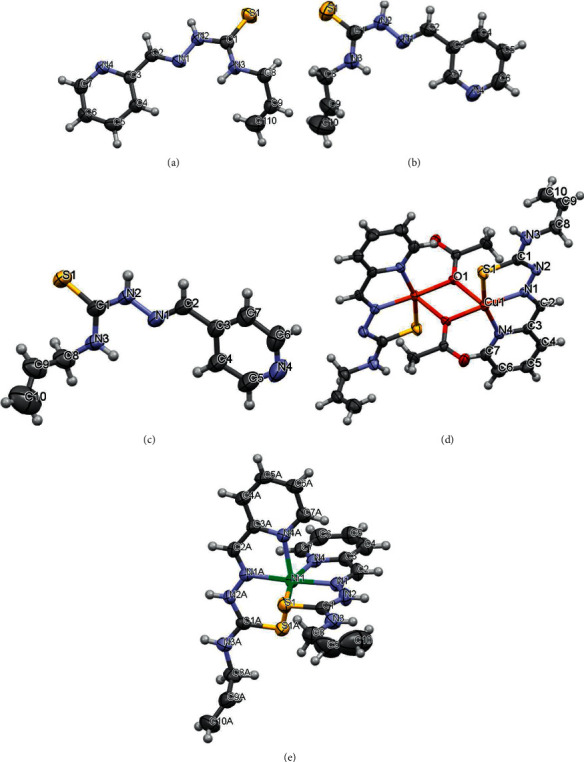
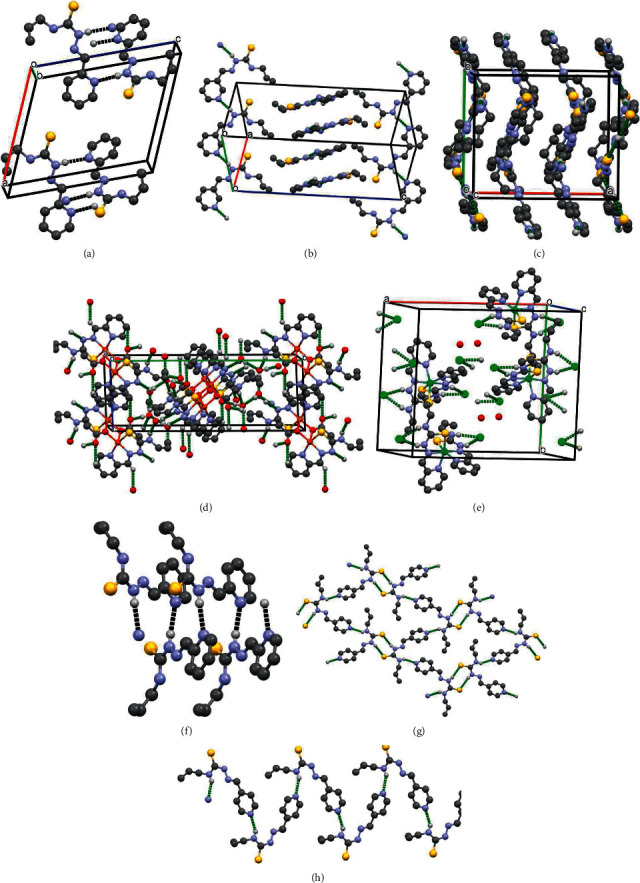
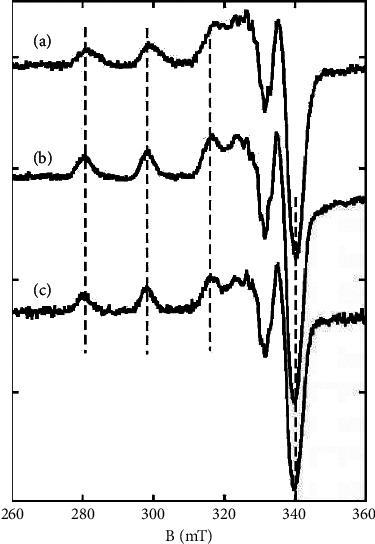
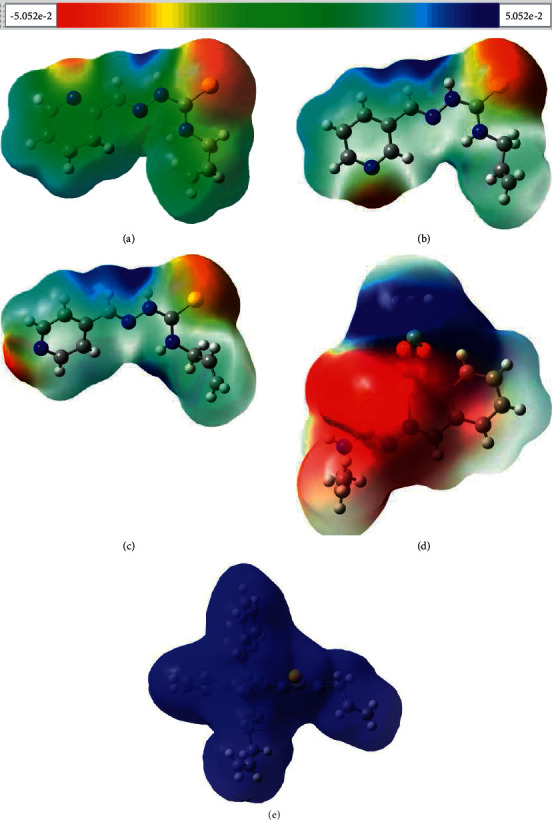
A series of zinc(II) ([Zn(HO)(L)Cl] ()), copper (II) ([Cu(L)Cl] (), [Cu(L)Br] (), [Cu(L)(CHCOO)]·4HO ()), nickel(II) ([Ni()]Cl·HO ()), and cobalt(III) ([Co(L)]Cl ()) complexes were obtained with 2-formylpyridine -allylthiosemicarbazone (). In addition another two thiosemicarbazones (3-formylpyridine -allylthiosemicarbazone ( ) and 4-formylpyridine -allylthiosemicarbazone ( )) have been obtained. The synthesized thiosemicarbazones have been studied using H and C NMR spectroscopy, IR spectroscopy, and X-ray diffraction analysis. The composition and structure of complexes were studied using elemental analysis, IR and UV-Vis spectroscopies, molar conductivity, and magnetic susceptibility measurements. Single crystal X-ray diffraction analysis elucidated the structure of thiosemicarbazones , , and , as well as complexes and . The antiproliferative properties of these compounds toward a series of cancer cell lines (HL-60, HeLa, BxPC-3, RD) and a normal cell line (MDCK) have been investigated. The nickel complex shows high selectivity (SI > 1000) toward HL-60 cell line and is the least toxic. The zinc complex shows the highest selectivity toward RD cell line (SI = 640). The copper complexes (-) are the most active molecular inhibitors of proliferation of cancer cells, but exhibit not such a high selectivity and are significantly more toxic. Zinc and copper complexes manifest high antibacterial activity. It was found that calculated at B3LYP level of theory different reactivity descriptors of studied compounds strongly correlate with their biological activity.
通过2-甲酰基吡啶-α-烯丙基硫代半卡巴腙合成了一系列锌(II)([Zn(HO)(L)Cl] ())、铜(II)([Cu(L)Cl] ()、[Cu(L)Br] ()、[Cu(L)(CHCOO)]·4HO ())、镍(II)([Ni()]Cl·HO ())和钴(III)([Co(L)]Cl ())配合物。此外,还获得了另外两种硫代半卡巴腙(3-甲酰基吡啶-α-烯丙基硫代半卡巴腙( )和4-甲酰基吡啶-α-烯丙基硫代半卡巴腙( ))。使用氢谱和碳谱核磁共振光谱、红外光谱以及X射线衍射分析对合成的硫代半卡巴腙进行了研究。通过元素分析、红外光谱和紫外可见光谱、摩尔电导率以及磁化率测量研究了配合物的组成和结构。单晶X射线衍射分析阐明了硫代半卡巴腙 、 和 以及配合物 和 的结构。研究了这些化合物对一系列癌细胞系(HL-60、HeLa、BxPC-3、RD)和正常细胞系(MDCK)的抗增殖特性。镍配合物对HL-60细胞系表现出高选择性(SI>1000)且毒性最小。锌配合物对RD细胞系表现出最高选择性(SI = 640)。铜配合物(-)是癌细胞增殖最活跃的分子抑制剂,但选择性不高且毒性明显更大。锌和铜配合物表现出高抗菌活性。发现在理论B3LYP水平计算的所研究化合物的不同反应性描述符与其生物活性密切相关。