Shady Kathryn, Phillips Shannon, Newman Susan
Medical University of South Carolina, 99 Jonathan Lucas St, Charleston, SC 29425 USA.
Rev J Autism Dev Disord. 2022 May 30:1-13. doi: 10.1007/s40489-022-00324-8.
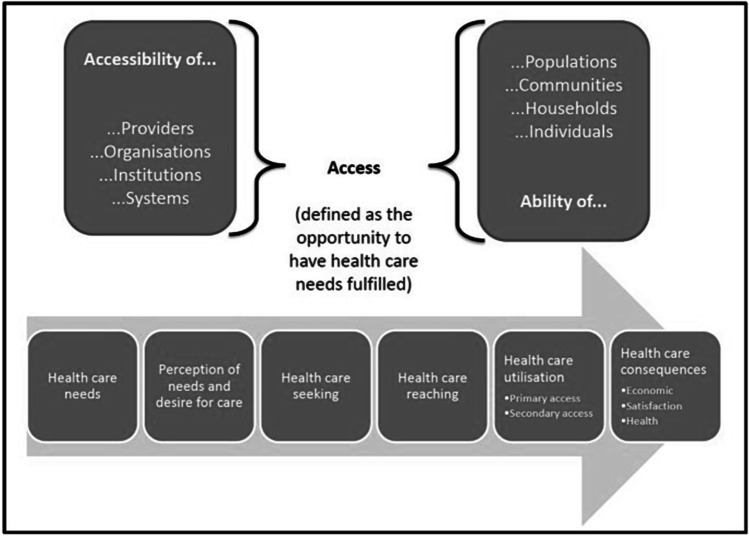
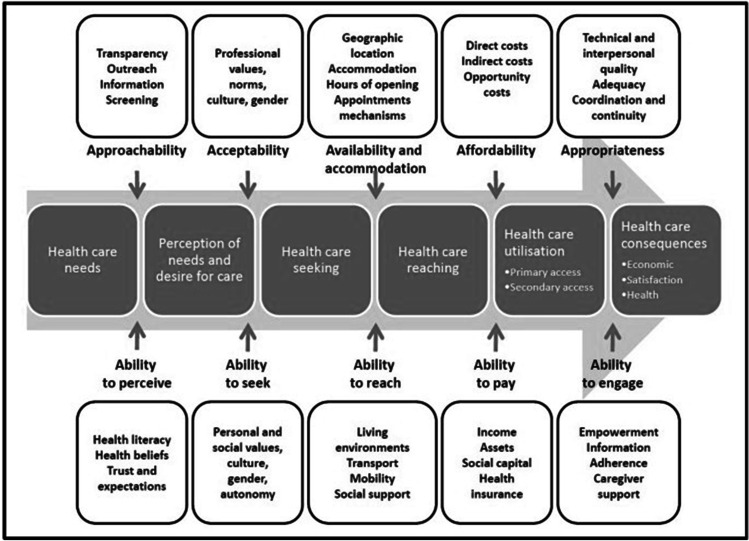
This integrative review explores the barriers to and facilitators of healthcare access in adults with intellectual and developmental disorders (IDD) and communication difficulties (CD) using Levesque et al.'s conceptual framework of access to health. IDDs are a group of disorders that occur early in childhood and often involve language dysfunction. CDs are prevalent in adults with IDD. Several themes emerged as barriers to access for adults with IDDs and CDs including health literacy, understanding health information, and screening; fear and negative patient expectations; impaired autonomy; time; accommodation needs; insurance coverage and financial hardship; communication; coordination and continuity of care; and supporter presence and inclusion. Communication between providers, patients, and supporters is a significant barrier for adults with IDD and CD.
The online version contains supplementary material available at 10.1007/s40489-022-00324-8.
本整合性综述运用勒维克等人的健康可及性概念框架,探讨了患有智力和发育障碍(IDD)及沟通障碍(CD)的成年人在获得医疗服务方面的障碍和促进因素。IDD是一组在儿童早期出现且常涉及语言功能障碍的疾病。CD在患有IDD的成年人中很普遍。出现了几个主题,成为患有IDD和CD的成年人获得医疗服务的障碍,包括健康素养、理解健康信息和筛查;恐惧和负面的患者期望;自主能力受损;时间;住宿需求;保险覆盖范围和经济困难;沟通;护理的协调与连续性;以及支持者的在场和参与。提供者、患者和支持者之间的沟通是患有IDD和CD的成年人的一个重大障碍。
在线版本包含可在10.1007/s40489-022-00324-8获取的补充材料。