Vanderbilt Center for Arrhythmia Research and Therapeutics, Division of Clinical Pharmacology, Vanderbilt University Medical Center, Nashville, TN.
Circ Res. 2022 Jun 10;130(12):1926-1964. doi: 10.1161/CIRCRESAHA.122.320258. Epub 2022 Jun 9.
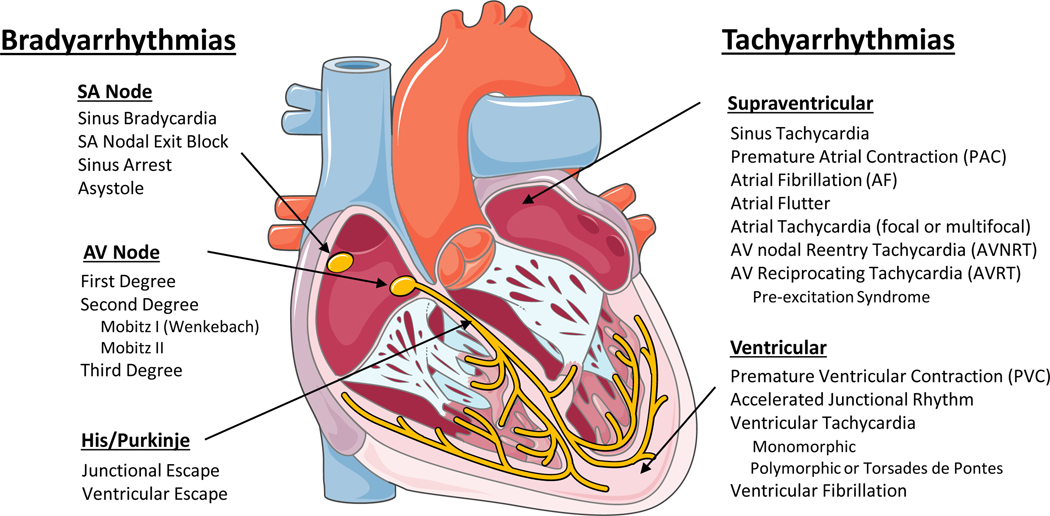
Cardiac arrhythmias are a significant cause of morbidity and mortality worldwide, accounting for 10% to 15% of all deaths. Although most arrhythmias are due to acquired heart disease, inherited channelopathies and cardiomyopathies disproportionately affect children and young adults. Arrhythmogenesis is complex, involving anatomic structure, ion channels and regulatory proteins, and the interplay between cells in the conduction system, cardiomyocytes, fibroblasts, and the immune system. Animal models of arrhythmia are powerful tools for studying not only molecular and cellular mechanism of arrhythmogenesis but also more complex mechanisms at the whole heart level, and for testing therapeutic interventions. This review summarizes basic and clinical arrhythmia mechanisms followed by an in-depth review of published animal models of genetic and acquired arrhythmia disorders.
心律失常是全球发病率和死亡率的重要原因,占所有死亡人数的 10%至 15%。尽管大多数心律失常是由后天性心脏病引起的,但遗传性通道病和心肌病不成比例地影响儿童和年轻人。心律失常的发生机制很复杂,涉及解剖结构、离子通道和调节蛋白,以及传导系统、心肌细胞、成纤维细胞和免疫系统之间的细胞相互作用。心律失常动物模型不仅是研究心律失常发生分子和细胞机制的有力工具,也是研究整个心脏水平更复杂机制的有力工具,也是测试治疗干预的有力工具。本综述总结了基础和临床心律失常机制,然后深入回顾了已发表的遗传性和获得性心律失常疾病的动物模型。