Thoracic Surgery Laboratory, Xuzhou Medical University, Xuzhou, China.
Department of Thoracic Surgery, Affiliated Hospital of Xuzhou Medical University, Xuzhou, China.
Eur Respir J. 2022 Dec 1;60(6). doi: 10.1183/13993003.00062-2022. Print 2022 Dec.
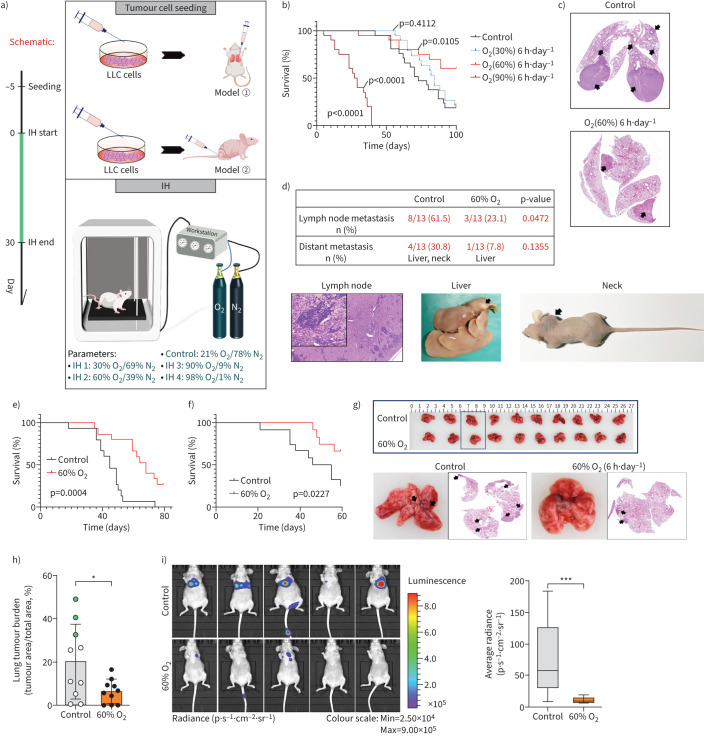
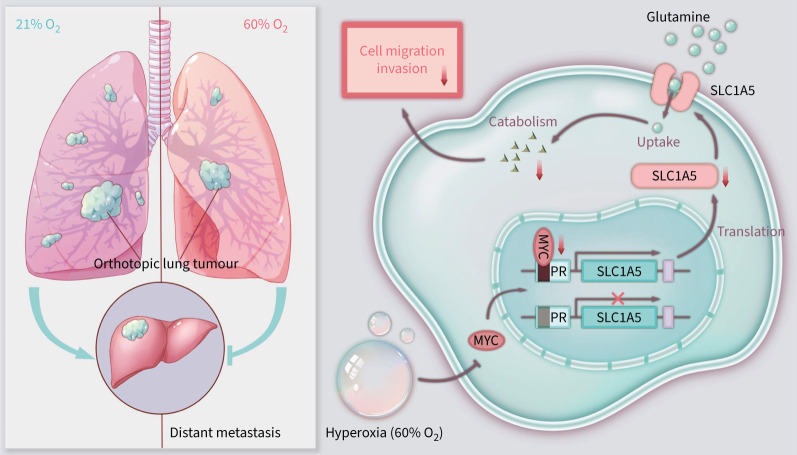
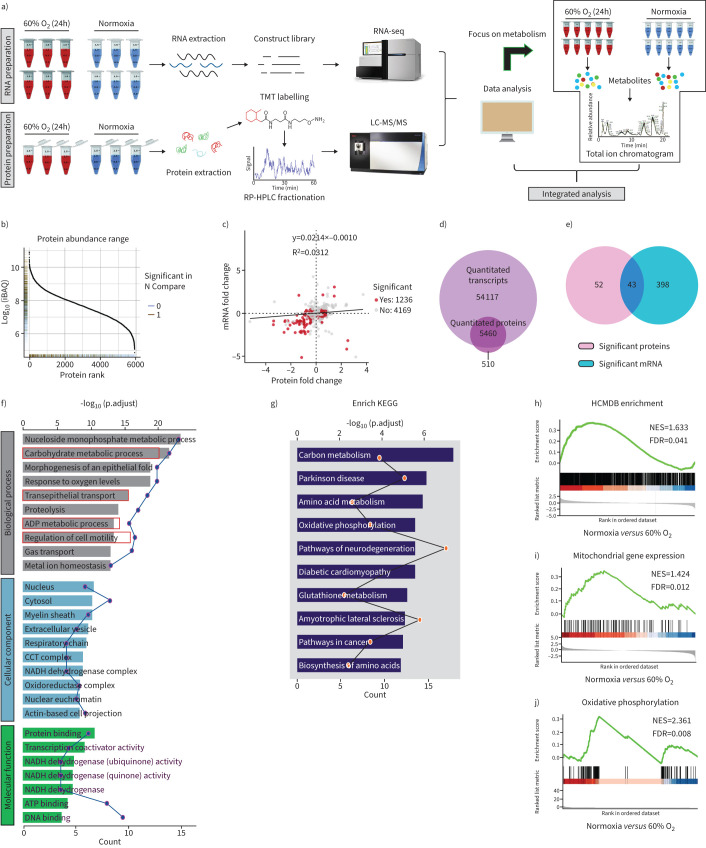
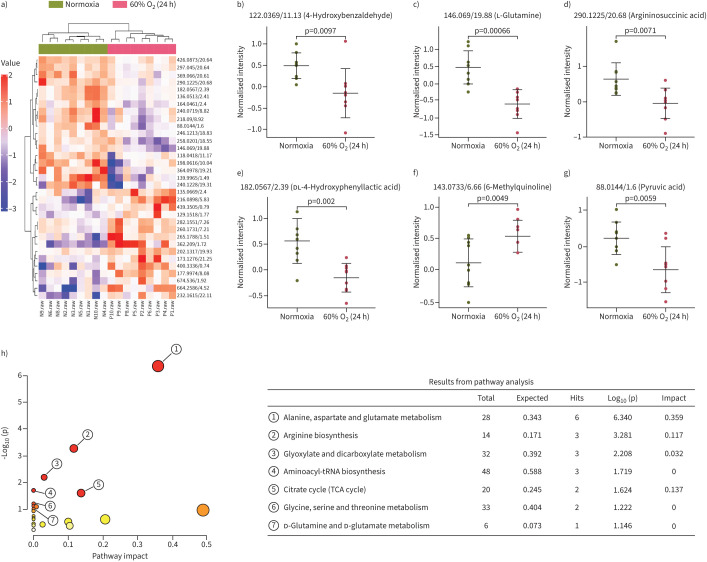
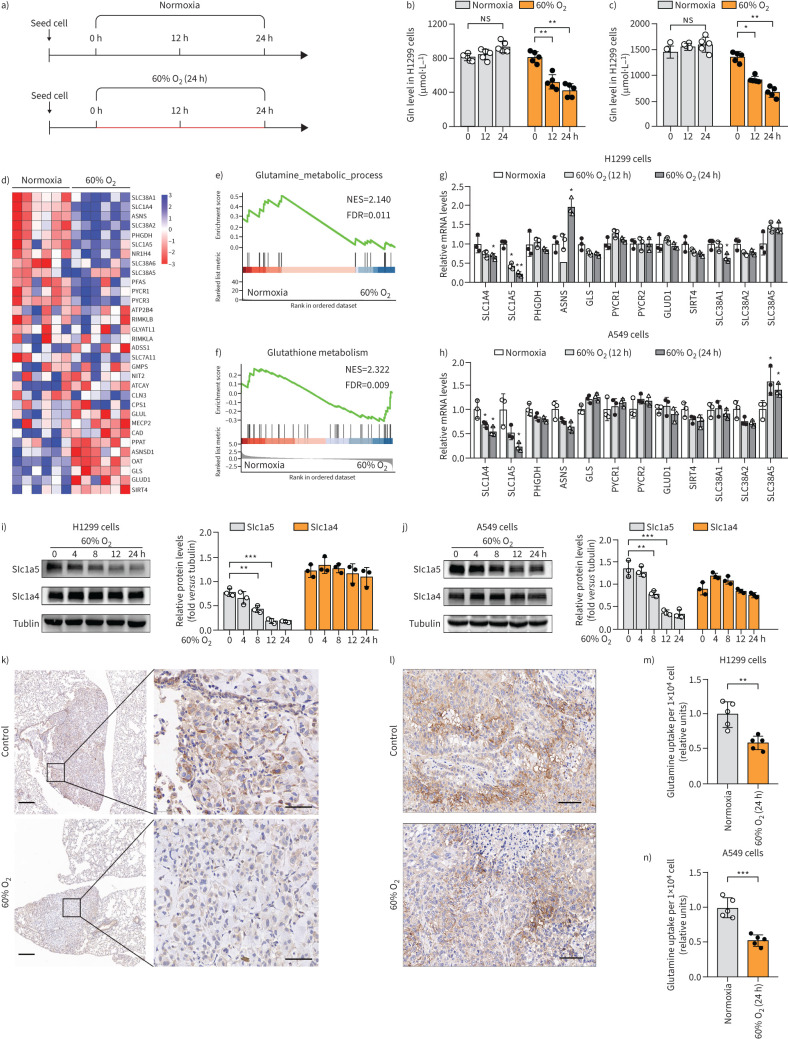
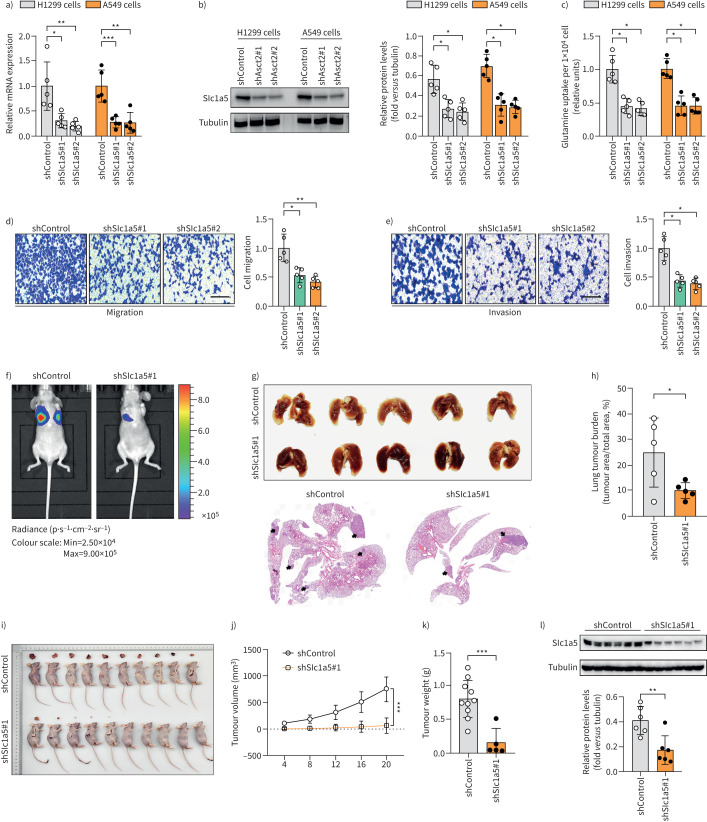
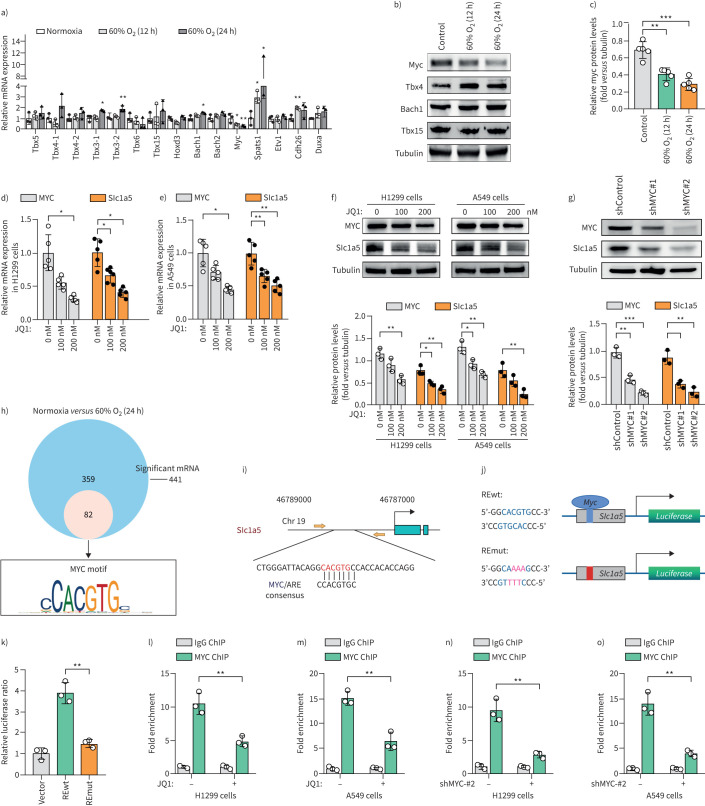
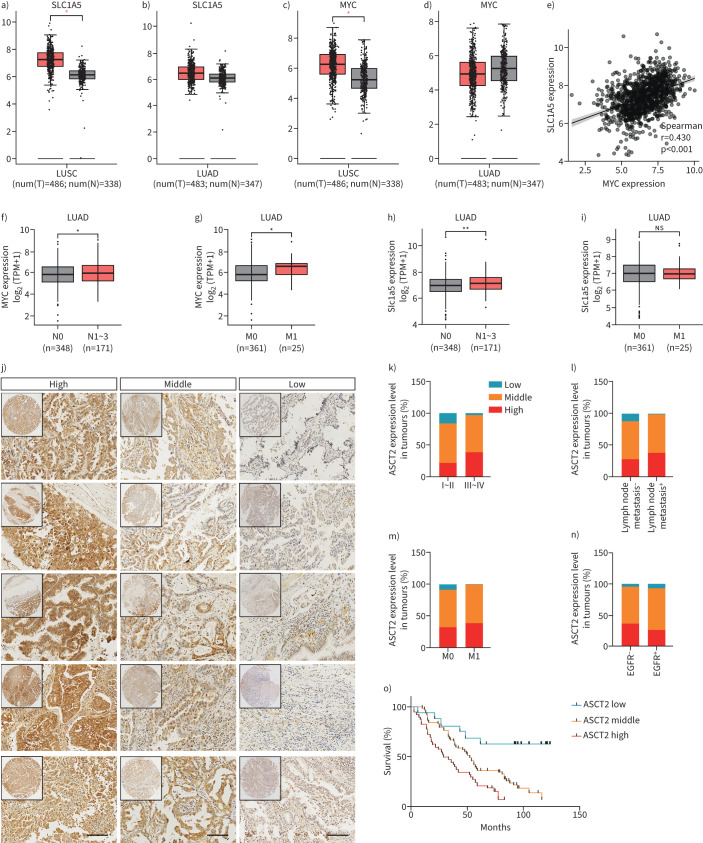
The lack of knowledge about the effect of inspiratory hyperoxia on the lung-specific tumour microenvironment and progression of lung cancer has attracted considerable attention. This study proposes that inspiratory hyperoxia has special significance for the malignant phenotype of lung cancer cells. The effects of different oxygenation parameters on the proliferation, apoptosis, invasion and migration of lung cancer cells were systematically evaluated and Our results reveal that inspiratory hyperoxia treatment (60% oxygen, 6 h·day) not only has no tumour progression-promoting effects, but also suppresses lung cancer metastasis and promotes long-term survival. In addition, we combined transcriptome, proteome and metabolome analysis and found that hyperoxia treatment induced significant intracellular metabolic changes in lung cancer cells. Overall, we established that MYC/SLC1A5-induced metabolic reprogramming and glutamine addiction is a new mechanism that drives lung cancer metastasis, which can be significantly suppressed by inspiratory hyperoxia treatment. These findings are relevant to the debate on the perils, promises and antitumour effect of inspiratory hyperoxia, especially for patients with lung cancer.
人们对吸入高氧对肺部肿瘤微环境和肺癌进展的影响知之甚少,这引起了相当大的关注。本研究提出,吸入高氧对肺癌细胞的恶性表型具有特殊意义。系统评估了不同氧合参数对肺癌细胞增殖、凋亡、侵袭和迁移的影响。我们的结果表明,吸入高氧治疗(60%氧气,6 小时/天)不仅没有促进肿瘤进展的作用,反而抑制肺癌转移并促进长期生存。此外,我们结合转录组、蛋白质组和代谢组分析发现,高氧处理诱导了肺癌细胞内显著的代谢变化。总的来说,我们确定了 MYC/SLC1A5 诱导的代谢重编程和谷氨酰胺成瘾是驱动肺癌转移的新机制,吸入高氧治疗可以显著抑制这种机制。这些发现与关于吸入高氧的危害、前景和抗肿瘤作用的争论有关,特别是对肺癌患者。