Department of Human Genetics, Leiden University Medical Centre, Leiden, the Netherlands.
Department of Neurology, Leiden University Medical Centre, Leiden, the Netherlands.
Neuroinformatics. 2022 Oct;20(4):1077-1092. doi: 10.1007/s12021-022-09591-6. Epub 2022 Jun 9.
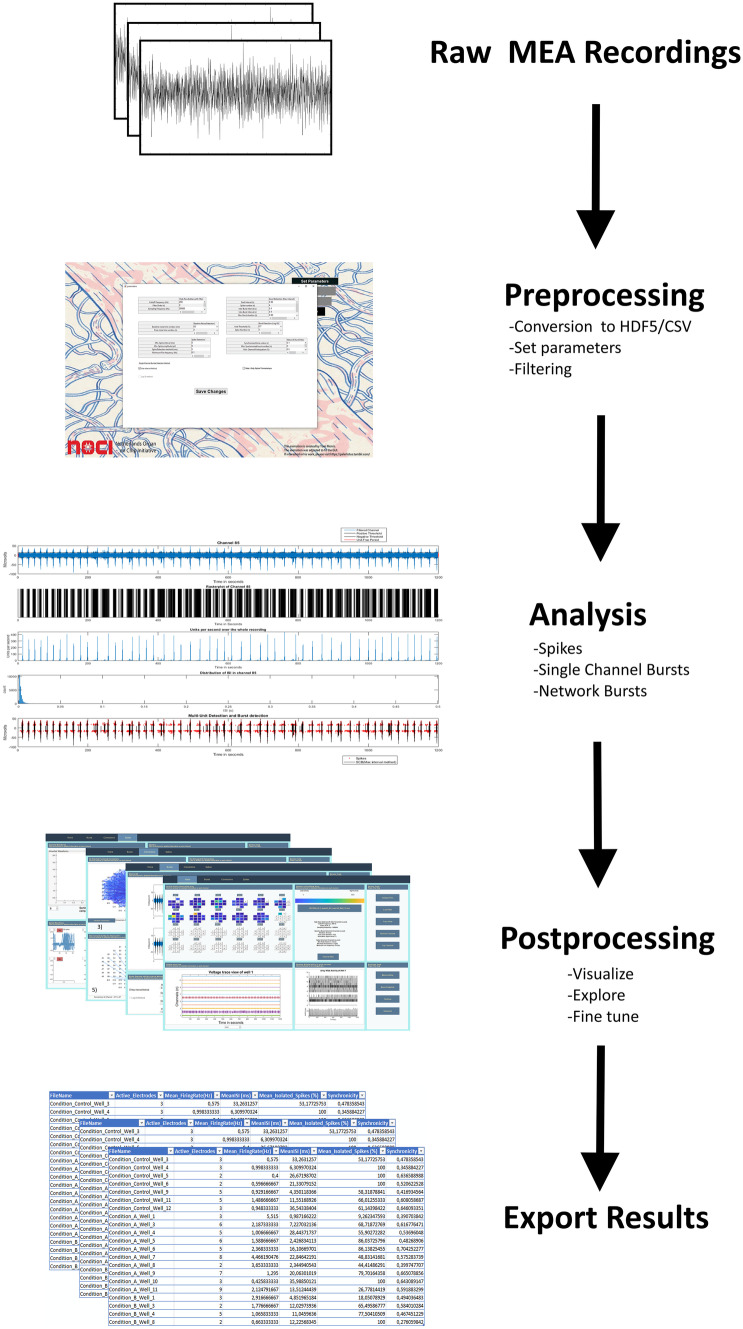
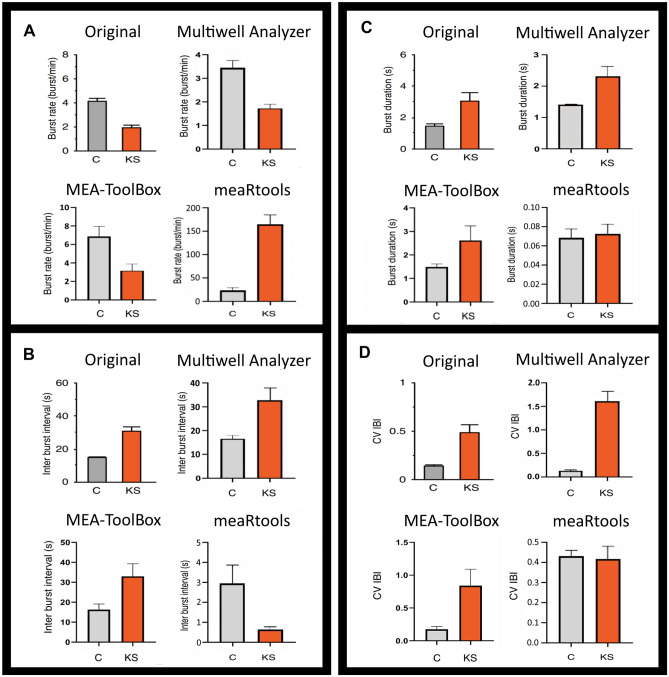
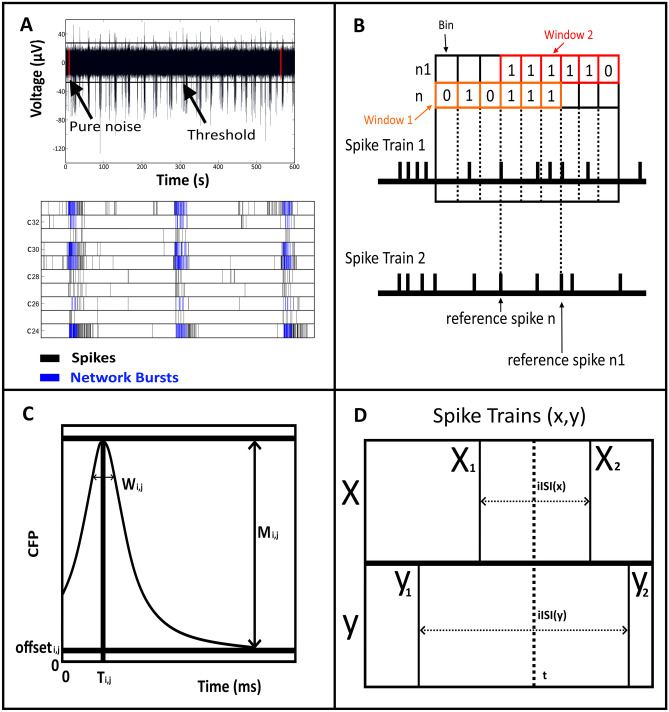
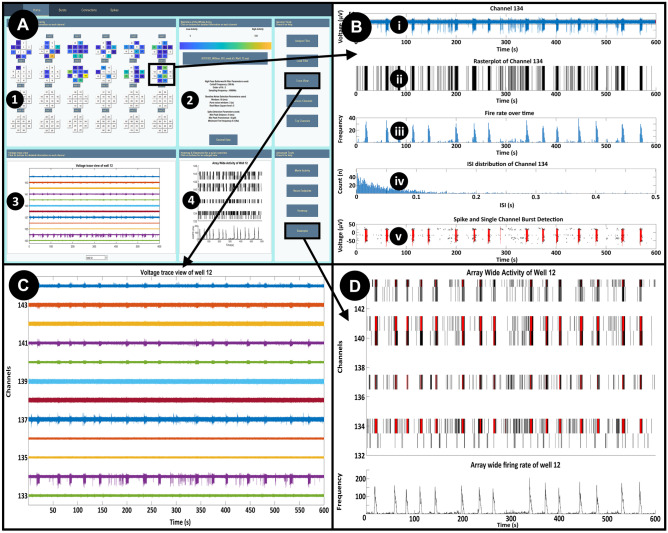
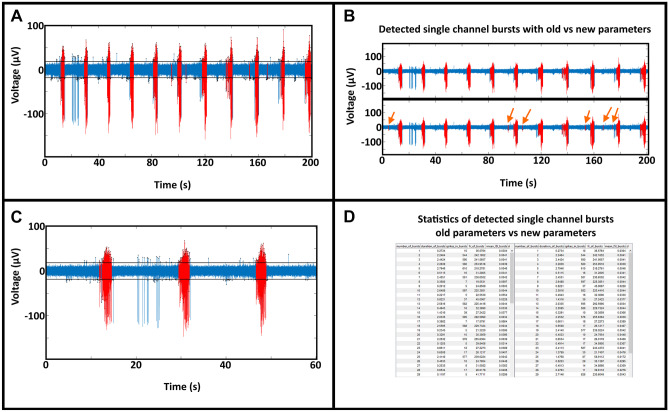
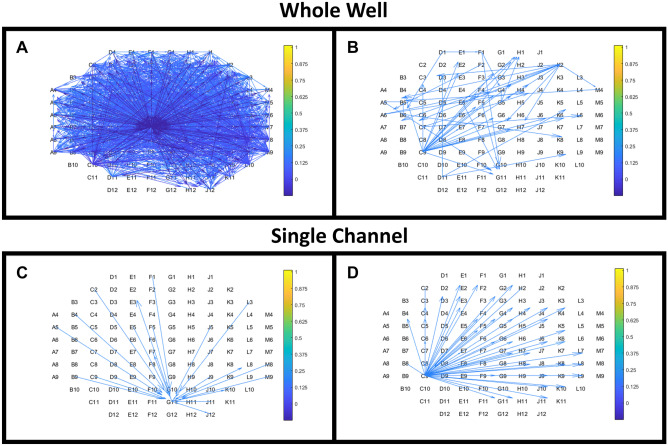
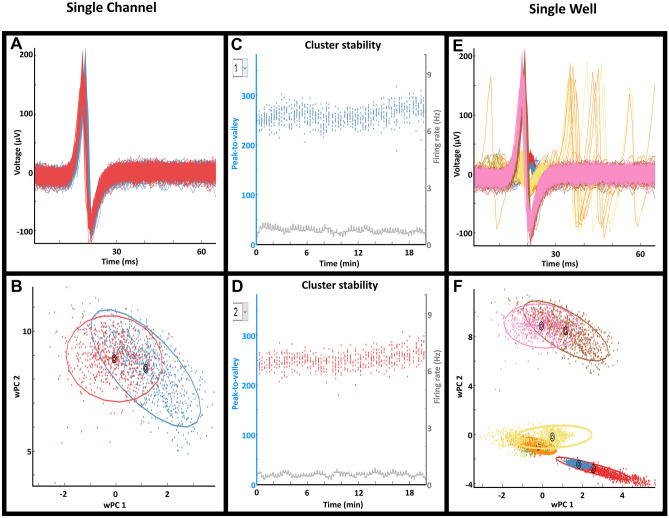
Functional assessment of in vitro neuronal networks-of relevance for disease modelling and drug testing-can be performed using multi-electrode array (MEA) technology. However, the handling and processing of the large amount of data typically generated in MEA experiments remains a huge hurdle for researchers. Various software packages have been developed to tackle this issue, but to date, most are either not accessible through the links provided by the authors or only tackle parts of the analysis. Here, we present ''MEA-ToolBox'', a free open-source general MEA analytical toolbox that uses a variety of literature-based algorithms to process the data, detect spikes from raw recordings, and extract information at both the single-channel and array-wide network level. MEA-ToolBox extracts information about spike trains, burst-related analysis and connectivity metrics without the need of manual intervention. MEA-ToolBox is tailored for comparing different sets of measurements and will analyze data from multiple recorded files placed in the same folder sequentially, thus considerably streamlining the analysis pipeline. MEA-ToolBox is available with a graphic user interface (GUI) thus eliminating the need for any coding expertise while offering functionality to inspect, explore and post-process the data. As proof-of-concept, MEA-ToolBox was tested on earlier-published MEA recordings from neuronal networks derived from human induced pluripotent stem cells (hiPSCs) obtained from healthy subjects and patients with neurodevelopmental disorders. Neuronal networks derived from patient's hiPSCs showed a clear phenotype compared to those from healthy subjects, demonstrating that the toolbox could extract useful parameters and assess differences between normal and diseased profiles.
体外神经元网络的功能评估——与疾病建模和药物测试相关——可以使用多电极阵列 (MEA) 技术进行。然而,MEA 实验中生成的大量数据的处理仍然是研究人员面临的一个巨大障碍。已经开发了各种软件包来解决这个问题,但迄今为止,大多数软件包要么无法通过作者提供的链接访问,要么只能解决分析的部分问题。在这里,我们介绍了“MEA-ToolBox”,这是一个免费的开源通用 MEA 分析工具箱,它使用各种基于文献的算法来处理数据,从原始记录中检测尖峰,并在单通道和整个网络层面提取信息。MEA-ToolBox 提取有关尖峰列车、突发相关分析和连通性指标的信息,而无需手动干预。MEA-ToolBox 专门用于比较不同的测量集,并将分析放置在同一文件夹中的多个已记录文件的数据,从而大大简化了分析流程。MEA-ToolBox 具有图形用户界面 (GUI),因此无需任何编码专业知识即可使用,同时提供了检查、探索和后处理数据的功能。作为概念验证,MEA-ToolBox 在之前发表的来自健康受试者和神经发育障碍患者的诱导多能干细胞 (hiPSC) 衍生的神经元网络的 MEA 记录上进行了测试。与来自健康受试者的神经元网络相比,来自患者的 hiPSC 衍生的神经元网络显示出明显的表型,表明该工具箱可以提取有用的参数并评估正常和患病谱之间的差异。