Zhang Jingyi, Elango Jeevithan, Wang Shujun, Hou Chunyu, Miao Meng, Li Jia, Na Lixin, Wu Wenhui
College of Public Health, Shanghai University of Medicine & Health Sciences, Shanghai 201318, China.
Department of Marine Bio-Pharmacology, College of Food Science and Technology, Shanghai Ocean University, Shanghai 201306, China.
Polymers (Basel). 2022 Jun 6;14(11):2300. doi: 10.3390/polym14112300.
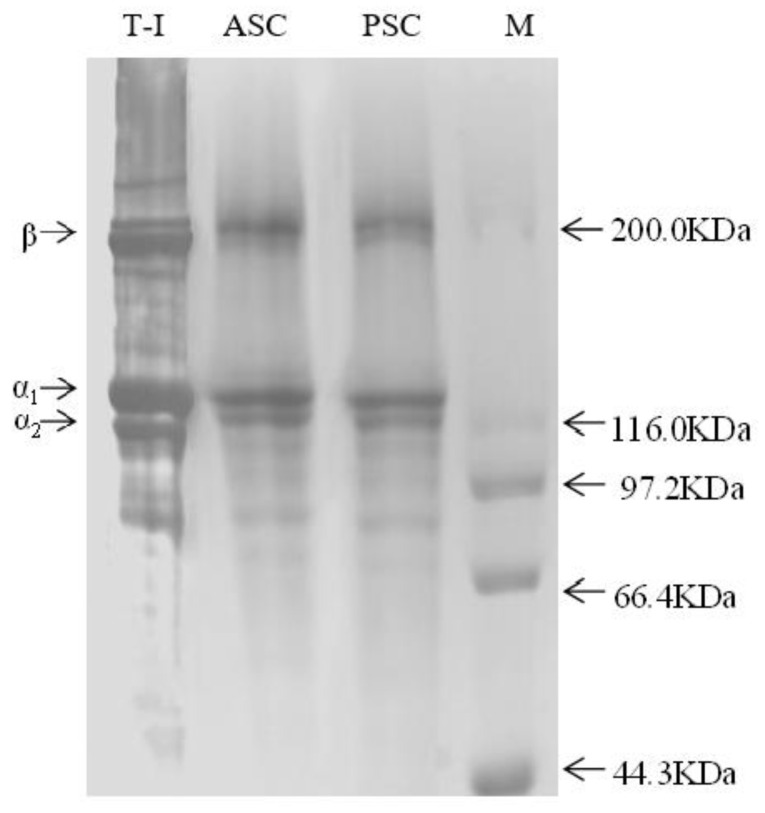
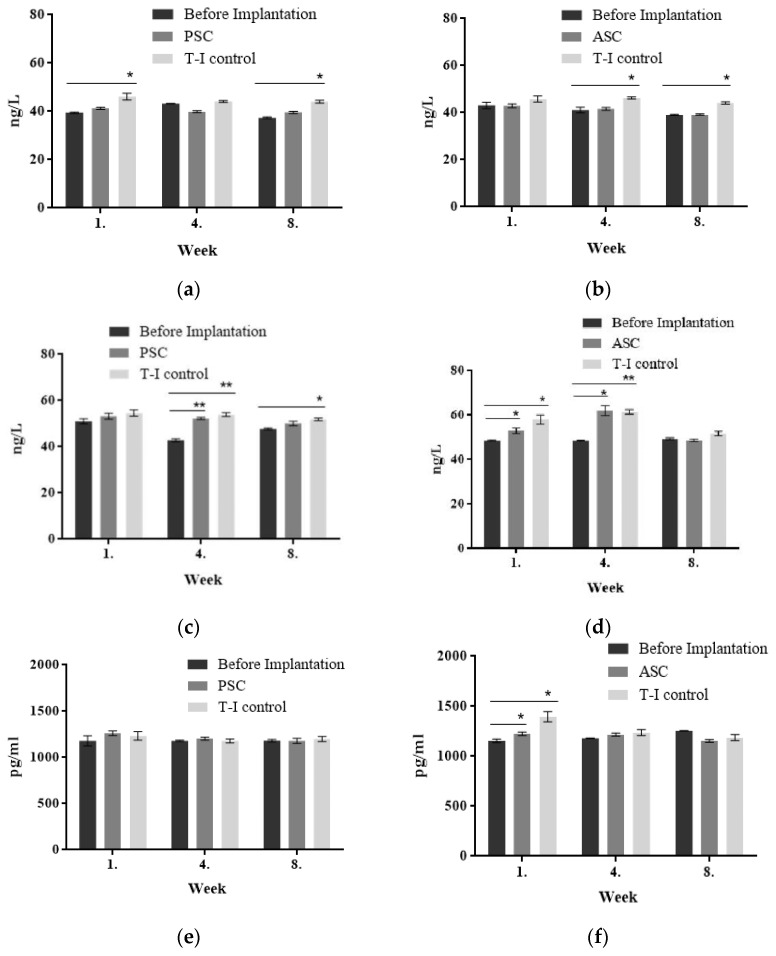
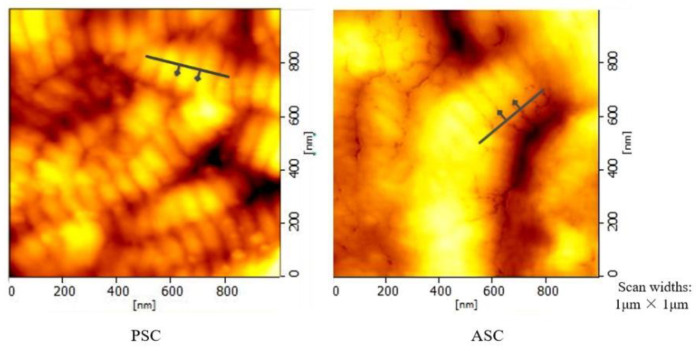
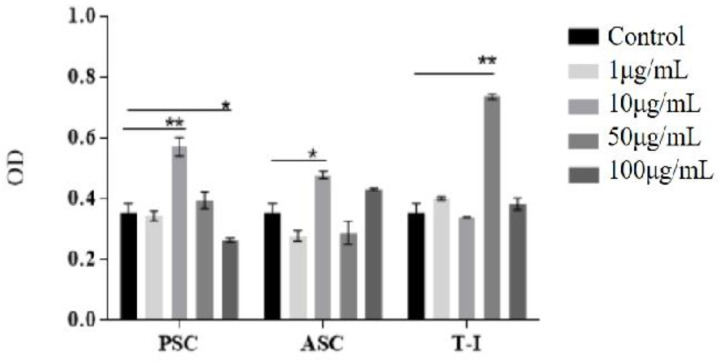
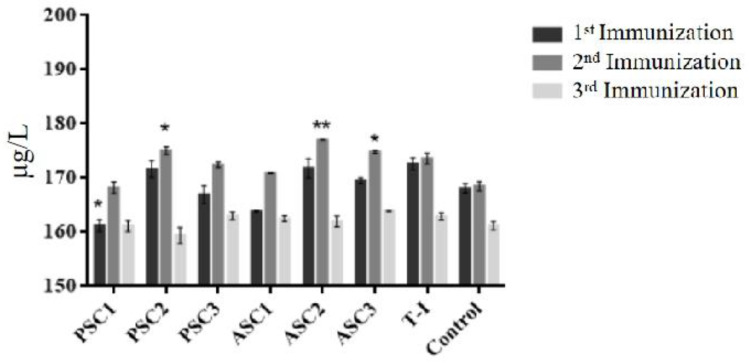
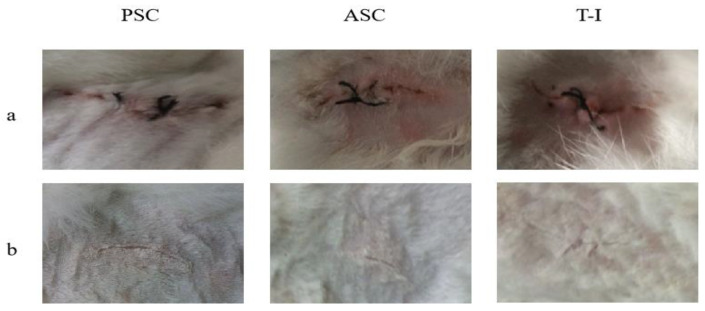
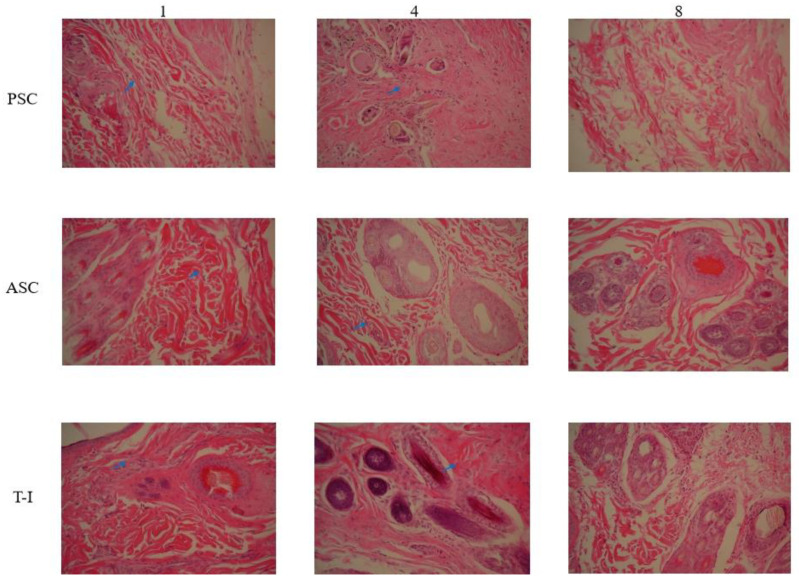
Collagen from fish has been proven to have a low antigenicity that has no difference in the genetic codes compared with mammalian-based collagen. This study was designed to investigate the impact of tilapia skin collagen on immunogenicity and biocompatibility in vivo and in vitro. The structural characteristics of both acid-soluble and pepsin-soluble collagen (ASC and PSC), determined using SDS-PAGE and atomic force microscopy imaging experiments, revealed that the collagen had the basic characteristics of type I collagen (COL-I). The in vitro biocompatibility of the collagens showed good cell proliferation against human foreskin fibroblast (HFF-1) cells. PSC and ASC were considered to be almost non-hemolytic biomaterials with favorable blood compatibility in hemolysis tests. The in vivo antigenicity of the collagen in an ICR mouse model evoked an acceptable specific inflammatory response compared to bovine collagen. The implant's position had developed a complete granulation tissue and the sponge disappeared after 8 weeks. The level of cytokines produced by the COL-I immune response was much lower than bovine collagen, which indicated the appropriate implantable property and biodegradability of the collagens. In conclusion, the tilapia COL-I has a lower immunogenicity with better compatibility than bovine COL-I and is a potential alternative to conventional mammalian collagens in biomedical uses.
已证实鱼胶原蛋白具有低抗原性,与基于哺乳动物的胶原蛋白相比,其遗传密码没有差异。本研究旨在调查罗非鱼皮胶原蛋白在体内和体外对免疫原性和生物相容性的影响。通过SDS-PAGE和原子力显微镜成像实验确定的酸溶性和胃蛋白酶溶性胶原蛋白(ASC和PSC)的结构特征表明,该胶原蛋白具有I型胶原蛋白(COL-I)的基本特征。胶原蛋白的体外生物相容性显示出对人包皮成纤维细胞(HFF-1)具有良好的细胞增殖作用。在溶血试验中,PSC和ASC被认为是几乎无溶血的生物材料,具有良好的血液相容性。与牛胶原蛋白相比,ICR小鼠模型中胶原蛋白的体内抗原性引发了可接受的特异性炎症反应。植入物的位置在8周后形成了完整的肉芽组织,海绵消失。COL-I免疫反应产生的细胞因子水平远低于牛胶原蛋白,这表明胶原蛋白具有适当的可植入性和生物降解性。总之,罗非鱼COL-I比牛COL-I具有更低的免疫原性和更好的相容性,是生物医学用途中传统哺乳动物胶原蛋白的潜在替代品。