Adel Moein, Zahmatkeshan Masoumeh, Akbarzadeh Abolfazl, Rabiee Navid, Ahmadi Sepideh, Keyhanvar Peyman, Rezayat Seyed Mahdi, Seifalian Alexander Marcus
Department of Medical Nanotechnology, Tabriz University of Medical Sciences, Tabriz, Iran.
Cellular and Molecular Research Center, Iran University of Medical Sciences, Tehran, Iran.
Biotechnol Rep (Amst). 2022 Apr 12;34:e00730. doi: 10.1016/j.btre.2022.e00730. eCollection 2022 Jun.
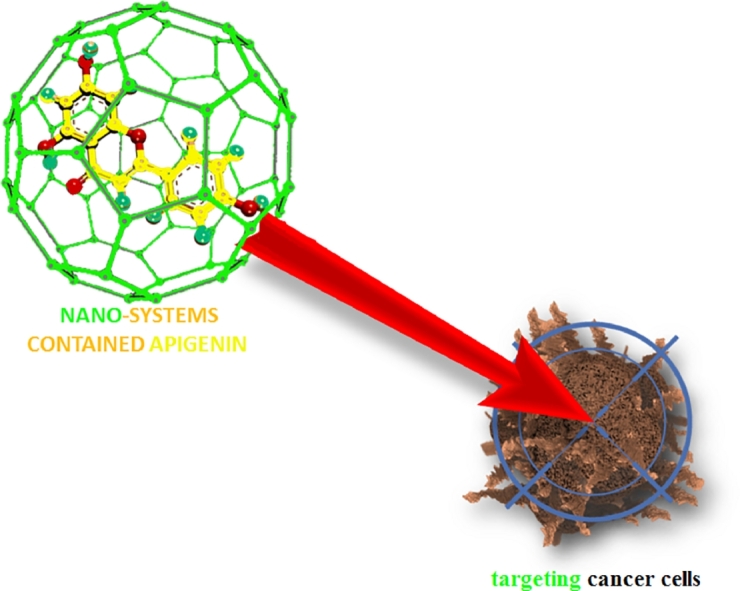
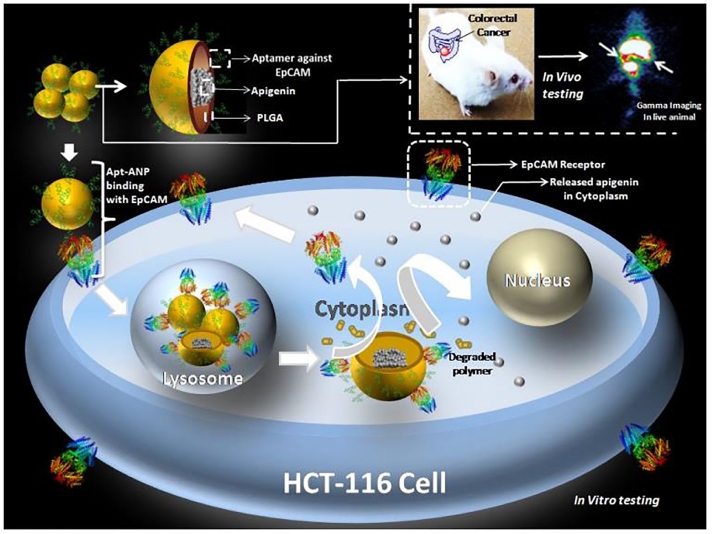
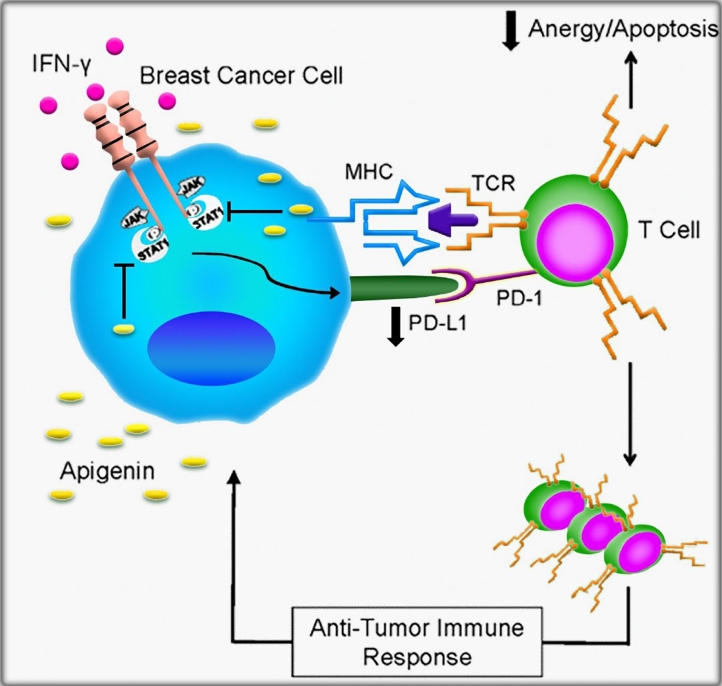
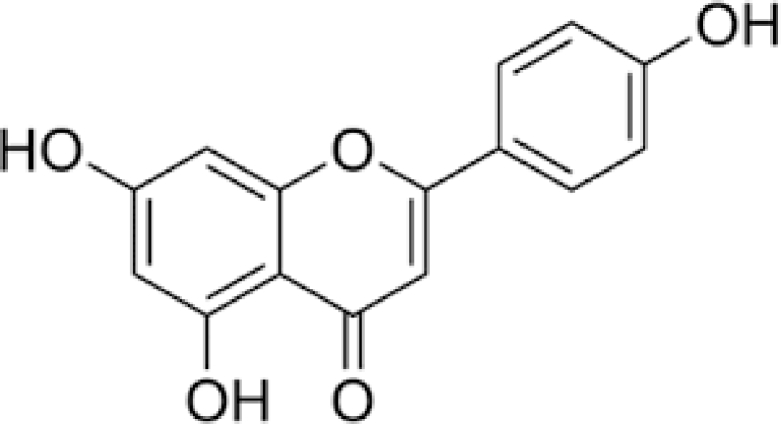
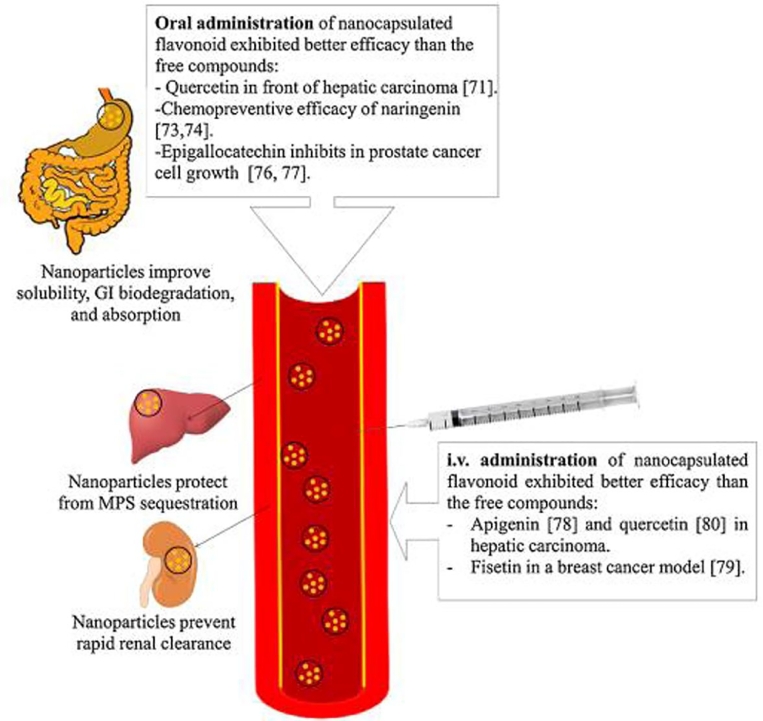
This review highlights using nanotechnology in increasing the bioavailability of AP (Apigenin) to enhance its therapeutic efficacy in breast cancer treatment. Breast cancer is one of the most leading causes of cancer death in women both in developed and developing countries. According to several epidemiological and clinical trial studies that indicate progestin-stimulated breast cancer in post-menopausal women; it is necessary to determine compounds to suppress or attenuate the tumor-promoting effects of progestins in breast cells. For this purpose, using the natural anti-progestins, including AP compared with the chemical ones could be significantly effective due to the lack of toxicities and contradiction effects. However, AP is categorized as a Class II drug of Biopharmaceutical Classification System with low solubility in water which limited its therapeutic effects. Therefore, nanotechnology due to the presentation of remarkable properties has overcome this limitation through enhanced the solubility and bioavailability of AP. In this regard, various nanocarriers such as nanocrystals, micelles, liposomes, PLGA, etc., have highlighted the significantly increased bioavailability and therapeutic efficacy of AP. Therefore, we will focus on the anticancer effects of AP in breast cancers, including involved mechanisms, the chemistry of AP and its bioavailability, finally different nanostructure systems to enhance the bioavailability of AP.
本综述重点介绍了利用纳米技术提高芹菜素(Apigenin,AP)的生物利用度,以增强其在乳腺癌治疗中的疗效。在发达国家和发展中国家,乳腺癌都是女性癌症死亡的主要原因之一。多项流行病学和临床试验研究表明,绝经后女性中孕激素会刺激乳腺癌;因此有必要确定能够抑制或减弱孕激素对乳腺细胞促肿瘤作用的化合物。出于这个目的,与化学抗孕激素相比,使用包括芹菜素在内的天然抗孕激素可能会因缺乏毒性和不良反应而显著有效。然而,芹菜素属于生物药剂学分类系统中的II类药物,在水中溶解度低,这限制了其治疗效果。因此,纳米技术由于具有显著特性,通过提高芹菜素的溶解度和生物利用度克服了这一限制。在这方面,各种纳米载体,如纳米晶体、胶束、脂质体、聚乳酸-羟基乙酸共聚物(PLGA)等,都显著提高了芹菜素的生物利用度和治疗效果。因此,我们将重点关注芹菜素在乳腺癌中的抗癌作用,包括相关机制、芹菜素的化学性质及其生物利用度,以及最终不同的纳米结构系统以提高芹菜素的生物利用度。