German Federal Institute for Risk Assessment, Dept. Food Safety, Berlin, Germany.
German Federal Institute for Risk Assessment, Dept. Pesticides Safety, Berlin, Germany.
Food Chem Toxicol. 2022 Aug;166:113212. doi: 10.1016/j.fct.2022.113212. Epub 2022 Jun 8.
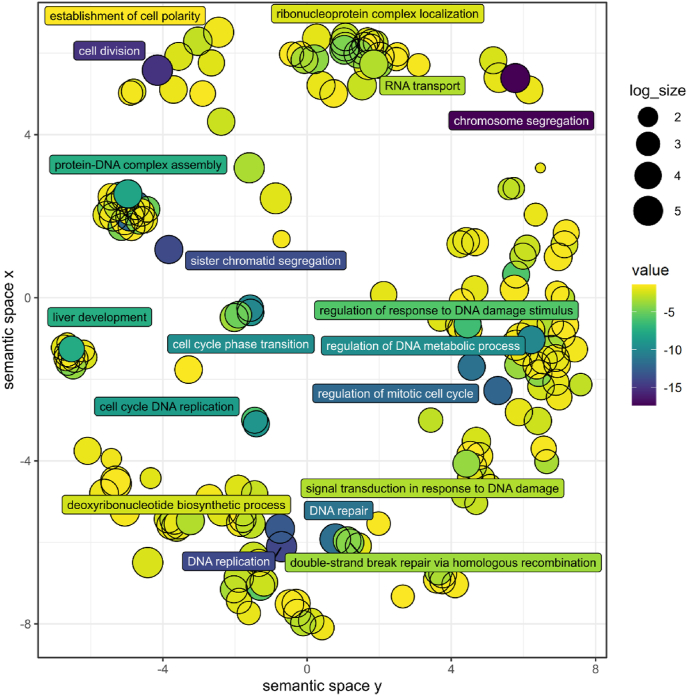
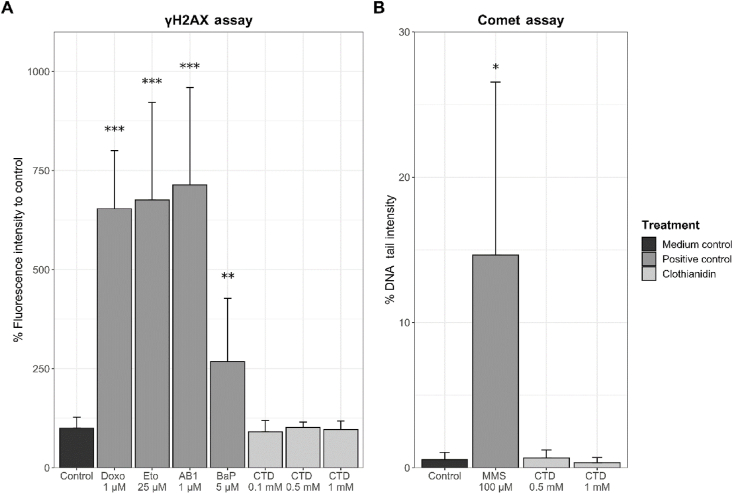
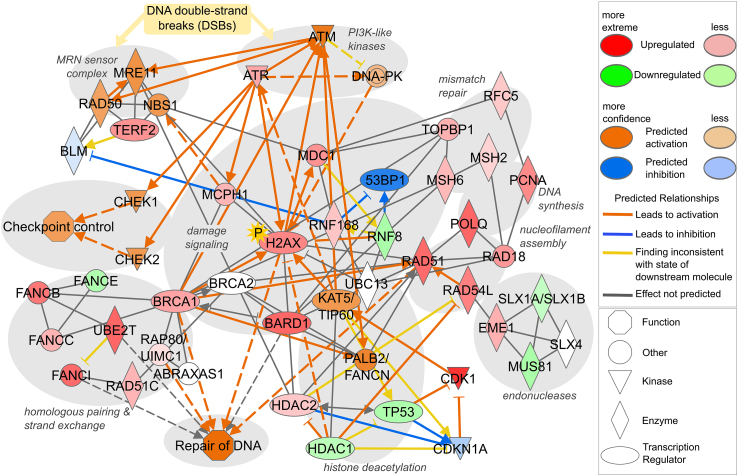
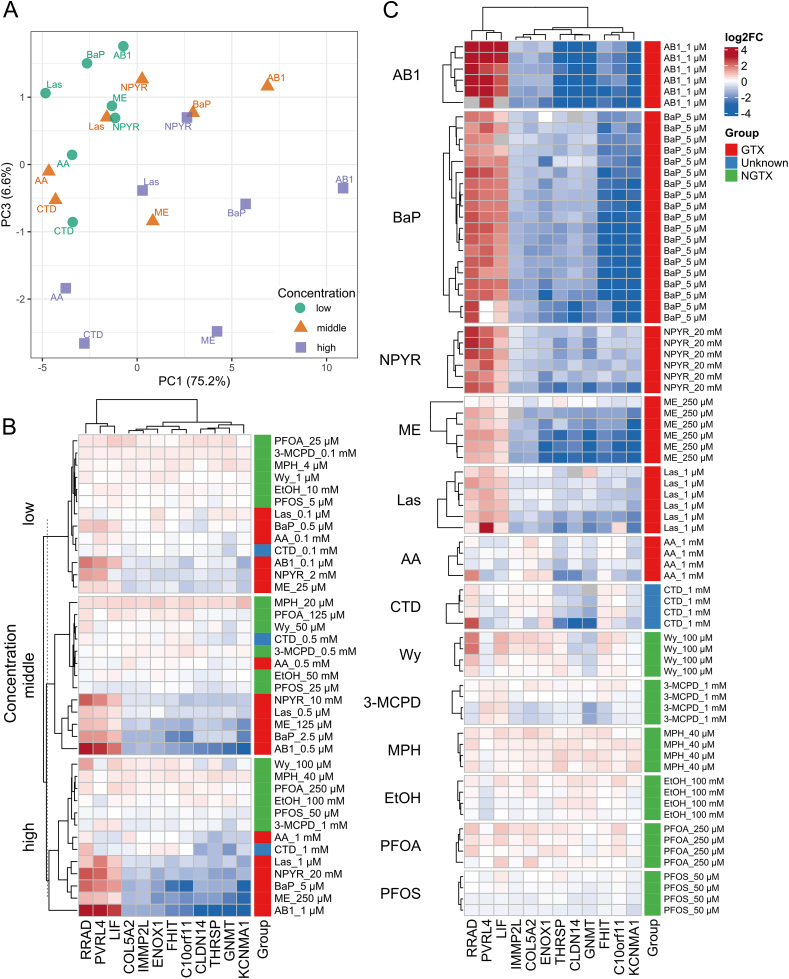
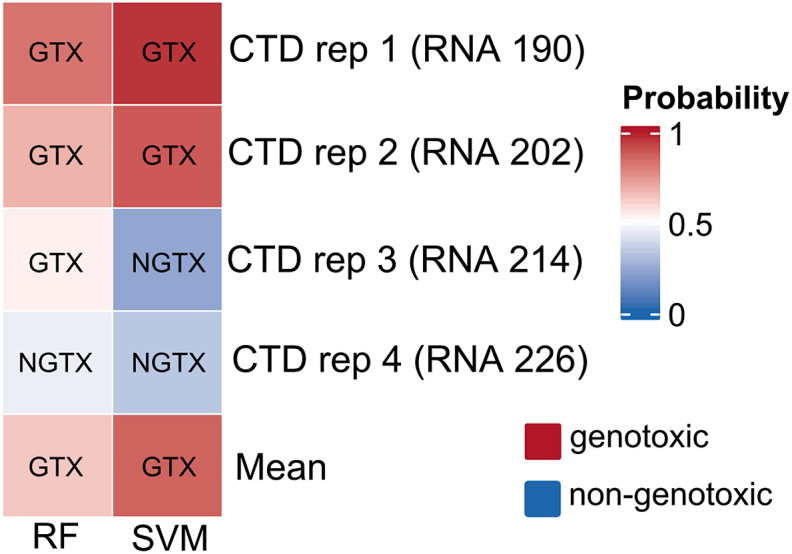
Toxicological risk assessment is essential in the evaluation and authorization of different classes of chemical substances. Genotoxicity and mutagenicity testing are of highest priority and rely on established in vitro systems with bacterial and mammalian cells, sometimes followed by in vivo testing using rodent animal models. Transcriptomic approaches have recently also shown their value to determine transcript signatures specific for genotoxicity. Here, we studied how transcriptomic data, in combination with in vitro tests with human cells, can be used for the identification of genotoxic properties of test compounds. To this end, we used liver samples from a 28-day oral toxicity study in rats with the pesticidal active substances imazalil, thiacloprid, and clothianidin, a neonicotinoid-type insecticide with, amongst others, known hepatotoxic properties. Transcriptomic results were bioinformatically evaluated and pointed towards a genotoxic potential of clothianidin. In vitro Comet and γH2AX assays in human HepaRG hepatoma cells, complemented by in silico analyses of mutagenicity, were conducted as follow-up experiments to check if the genotoxicity alert from the transcriptomic study is in line with results from a battery of guideline genotoxicity studies. Our results illustrate the combined use of toxicogenomics, classic toxicological data and new approach methods in risk assessment. By means of a weight-of-evidence decision, we conclude that clothianidin does most likely not pose genotoxic risks to humans.
毒理学风险评估对于不同类别的化学物质的评估和授权至关重要。遗传毒性和致突变性测试是重中之重,依赖于细菌和哺乳动物细胞的既定体外系统,有时还会使用啮齿动物模型进行体内测试。转录组学方法最近也显示出其价值,可以确定特定于遗传毒性的转录特征。在这里,我们研究了如何将转录组数据与人类细胞的体外测试相结合,用于鉴定测试化合物的遗传毒性特性。为此,我们使用了来自大鼠 28 天口服毒性研究的肝脏样本,其中包含农药活性物质 imazalil、thiacloprid 和 clothianidin,clothianidin 是一种新烟碱类杀虫剂,具有已知的肝毒性等特性。转录组学结果通过生物信息学进行了评估,并指出 clothianidin 具有遗传毒性潜力。在人 HepaRG 肝癌细胞中进行了 Comet 和γH2AX 体外测定,并用突变性的计算分析进行了补充,作为后续实验,以检查转录组学研究中的遗传毒性警报是否与一系列指南遗传毒性研究的结果一致。我们的结果说明了毒理基因组学、经典毒理学数据和新方法在风险评估中的综合应用。通过证据权重决策,我们得出结论,clothianidin 不太可能对人类造成遗传毒性风险。